Why Parents Need RIE: A Deep Dive into Respectful Infant Educarer Philosophy with Melani Ladygo


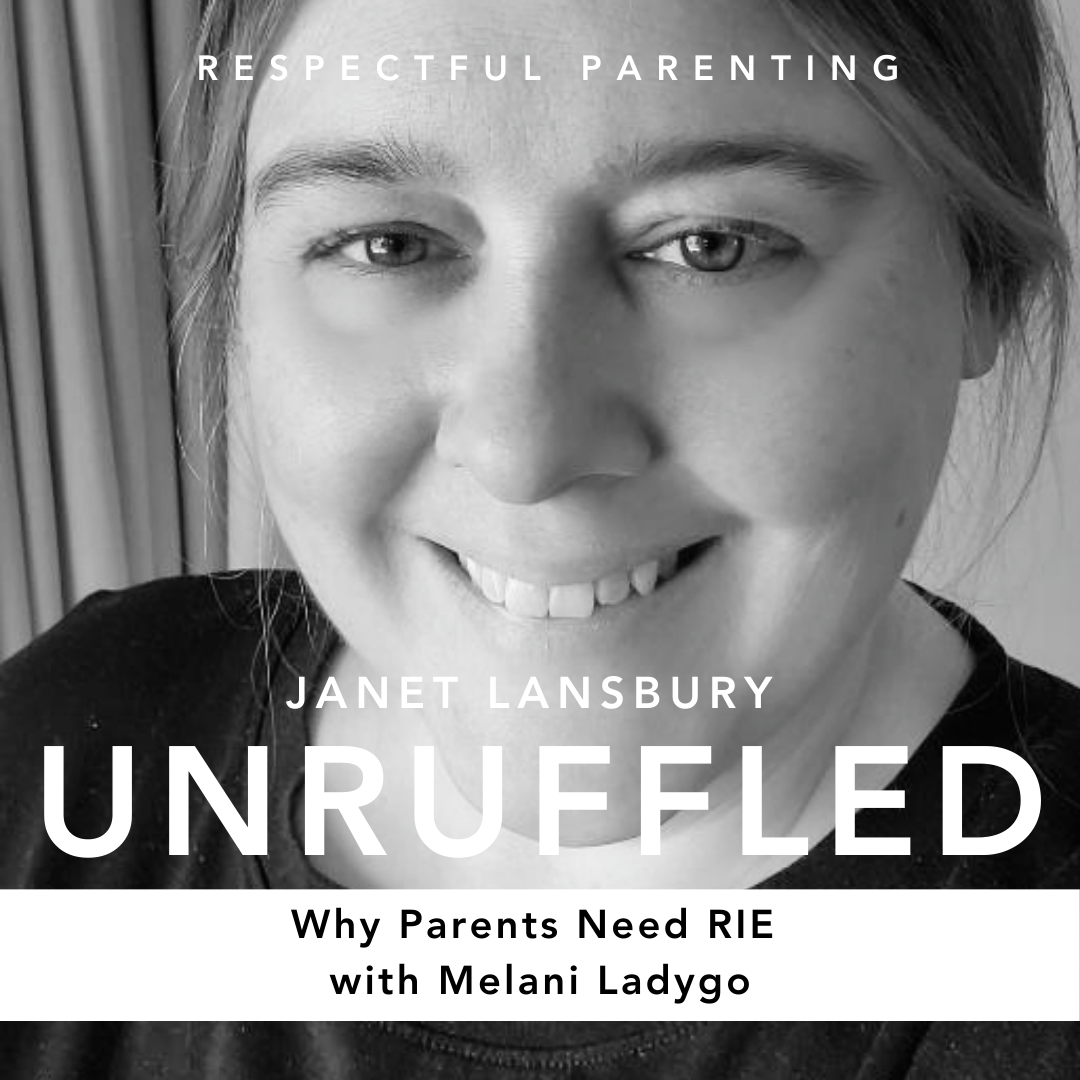
A recent podcast episode, "Why Parents Need RIE," featured a compelling discussion between renowned parenting expert Janet Lansbury and Melani Ladygo, Executive Director of Resources for Infant Educarers (RIE). The conversation aimed to demystify RIE, an approach often described as profound and life-changing by its proponents, yet sometimes met with skepticism or misunderstanding. Lansbury and Ladygo thoroughly explored the foundational principles of RIE, articulating how this philosophy fosters respectful, reciprocal relationships between parents and children from birth, ultimately benefiting both.
The Genesis of RIE: Magda Gerber’s Enduring Legacy
At the heart of the RIE philosophy lies the visionary work of Hungarian-born infant specialist Magda Gerber. Gerber, who passed away in 2007, founded Resources for Infant Educarers in 1978 in Los Angeles, California. Her groundbreaking approach challenged conventional childcare practices by advocating for a profound respect for infants as competent, unique individuals from the moment of birth. Gerber’s philosophy stemmed from her observations of infants and her belief that they possess an innate capacity for self-directed learning and development when provided with a secure, predictable, and stimulating environment. She emphasized the importance of authentic interactions, allowing infants agency and fostering their natural curiosity.
Janet Lansbury, a prominent advocate for RIE principles through her popular "Unruffled" podcast and extensive writings, shared her personal journey with the philosophy. Over 30 years ago, attending RIE classes with her firstborn fundamentally reshaped her perceptions of babies, childcare, and life itself. Her direct mentorship under Magda Gerber, which involved "spending many hours at her feet, literally, while my daughter played on her floor," provided an immersive learning experience that profoundly influenced her teaching. Lansbury describes RIE as a nuanced approach, difficult to encapsulate in a few words, underscoring the depth of its principles.
Demystifying "Educarer": A Holistic Approach to Infant Care
Melani Ladygo, a longtime RIE associate and current Executive Director, joined Lansbury to provide a comprehensive overview. Ladygo, who also teaches RIE parent-infant and -toddler classes, elaborated on the organization’s core mission: teaching parents and professionals "how to have respectful, reciprocal relationships with babies and toddlers, children zero to two." She clarified the term "educarer," coined by Magda Gerber, explaining that it signifies a simultaneous process of caring and educating. This holistic view posits that every interaction, from diaper changes to feeding, is an opportunity for connection, communication, and learning, rather than merely a task to be completed.
Ladygo recounted her own initial struggle to articulate RIE after completing her intensive 60-hour "RIE Foundations" course. It was through years of practical application and direct interaction with parents that she developed a more nuanced understanding. Her definition highlights RIE as a resource for those who practice this "educaring approach," emphasizing the continuous learning and adaptation required.
The Revelation of Infant Competence and "Being Seen"
A central tenet of RIE, powerfully illustrated by both Lansbury and Ladygo, is the recognition of a baby’s inherent personhood and valid point of view. Lansbury recalled her epiphany in her first RIE class, observing her three-month-old daughter: "She had all these thoughts and all of these ideas and all this stuff going on inside her that I had not realized could possibly exist in a baby." This realization shifted her perspective from viewing her child as an empty vessel to be filled, to a unique individual with an internal world worthy of exploration and understanding.
This concept of "being seen" extends beyond infancy, resonating with individuals of all ages. Ladygo shared a poignant anecdote about a grocery store checker who, upon hearing her describe RIE as helping parents "really see their children," exclaimed, "I wish my parents had taken that class. They need it right now." This reaction from an adult highlights the universal human desire to be acknowledged and understood, underscoring RIE’s profound implications for lifelong relationships. Developmental psychology research consistently supports the critical importance of early recognition and responsiveness in fostering secure attachment and healthy emotional development. Studies indicate that infants whose cues are consistently and sensitively responded to by caregivers tend to develop stronger self-regulation skills and greater resilience in later life.
Transformative Benefits for Parents: Peace, Authenticity, and Trust
While RIE fundamentally centers on the child, a significant portion of the discussion emphasized its transformative benefits for parents. Lansbury passionately asserted that RIE is "for us," enabling parents to "be seen by them as ourselves" and "be a whole person too." This approach liberates parents from the pressure of perfection, allowing for authenticity rather than performative parenting driven by external expectations. By relinquishing the perceived obligation to constantly entertain, stimulate, or "fix" their child’s every discomfort, parents find unexpected ease and comfort in their interactions.
Ladygo’s experience working in an RIE-influenced childcare center further underscored this benefit. She described the "peaceful" atmosphere despite a room full of babies, contrasting it with her initial instinct to "jostle them, ‘It’s okay, it’s okay’" when a child cried. The gentle correction from her colleagues—"It’s okay that she’s crying. We’re here with her."—taught her the value of presence over immediate intervention. This shift in perspective, moving from an active "doer" to a supportive "observer," creates space for parental relaxation and confidence. As Ladygo noted, observers of her current RIE classes are often struck by "the parents are so relaxed," attributing it to "a gift to parents to be able to just sit back and have confidence in their children’s abilities." This confidence is not instantaneous but develops as parents "slowly start to develop this muscle of trust by observing their children." This reduction in parental stress can have significant long-term mental health benefits for caregivers, combating burnout and fostering a more joyful parenting experience.
Cultivating Competence and Resilience in Children: The Power of Self-Discovery
RIE’s core principle of respecting a child’s competence directly nurtures their self-efficacy and resilience. Ladygo shared a formative experience where she instinctively helped a baby climb a slide, only to be gently questioned by a colleague: "How do you think she’s going to feel the next time she tries to go up that slide and you aren’t there? She didn’t know you were helping her, so she thought she did it by herself, but she really did it with you." This insight highlights RIE’s emphasis on allowing children to experience the satisfaction of genuine accomplishment, even through struggle, without adult intervention that can inadvertently undermine their sense of capability.
Lansbury further expanded on this, noting that "happiness for babies is being allowed to be where they are in development and be able to be kind of struggling to do things." This acceptance of struggle as a natural and positive part of the learning process equips children with invaluable life skills. It teaches them that "life isn’t always easy and sometimes it’s very hard," but that they possess the inner resources to navigate challenges. This foundation of resilience, built in early childhood, extends to navigating academic pressures, career decisions, and personal relationships in adulthood. Children nurtured with this approach learn to be comfortable "in the middle of it," fostering a growth mindset rather than a fear of failure.
Navigating Social Dynamics and Community Building
The RIE approach also offers distinct insights into fostering social intelligence and conflict resolution. In RIE classes, children are given the freedom to interact and negotiate without immediate adult arbitration. Lansbury and Ladygo discussed a scenario involving a child who wanted to be alone in a rocking boat. Instead of forcing sharing, the RIE approach encourages neutrality and observation, with the adult acting as a "buddyguard" to ensure safety and translate feelings without judgment. This allows children to "figure that out" and learn empathy through direct experience. "For you to be a truly empathetic and generous person," Ladygo explained, "you have to understand what it feels like to be selfish a little bit."
This process teaches children invaluable lessons about boundaries, negotiation, and the natural consequences of their actions, fostering genuine sharing and social competence rather than enforced compliance. While implementing this in public settings can be challenging due to differing parenting styles, Ladygo encouraged parents to "try" within their comfort zones, noting that such modeling can spark curiosity in others. The importance of community for RIE practitioners was also highlighted, with Lansbury acknowledging the widespread struggle for connection, a sentiment exacerbated by the pandemic.
The RIE Conference: A Hub for Learning and Connection
For parents and early childhood professionals eager to delve deeper into RIE, the annual RIE Conference serves as a vital resource. Scheduled in just a few weeks (March 2026, based on the original article’s publication date), the online conference offers a "smorgasbord" of workshops and discussions on applying RIE principles. This year’s theme, "play," features renowned speaker Peter Gray, whose work on self-directed play strongly aligns with RIE’s philosophy. Ladygo noted the exciting "throughline" between Gray’s insights into older children and Magda Gerber’s observations of infants, demonstrating the universal applicability of RIE principles across developmental stages.
The conference provides an unparalleled opportunity to connect with a global community of like-minded individuals, fostering a sense of belonging and shared purpose. Attendees can explore practical applications of RIE in various settings, from classrooms to home environments, and learn how to integrate these principles with existing early childhood education standards. Registrants can use the code Unruffled for a $50 discount, making this accessible educational event a cornerstone for ongoing professional development and parental enrichment.
In essence, the discussion between Janet Lansbury and Melani Ladygo illuminates RIE not just as a parenting method, but as a philosophy that champions the inherent worth and capabilities of infants. By fostering respectful, reciprocal relationships, RIE empowers both children to become confident, resilient, and socially intelligent individuals, and parents to experience greater peace, authenticity, and joy in their parenting journey. The enduring legacy of Magda Gerber, amplified by contemporary advocates, continues to offer a profound alternative to traditional approaches, shaping generations of families for a more connected and understanding future.
Related posts: