Accelerating the Future of Diabetes Care: Breakthrough T1D and NIDDK Forge New Pathways for Manufactured Islet Cell Therapies

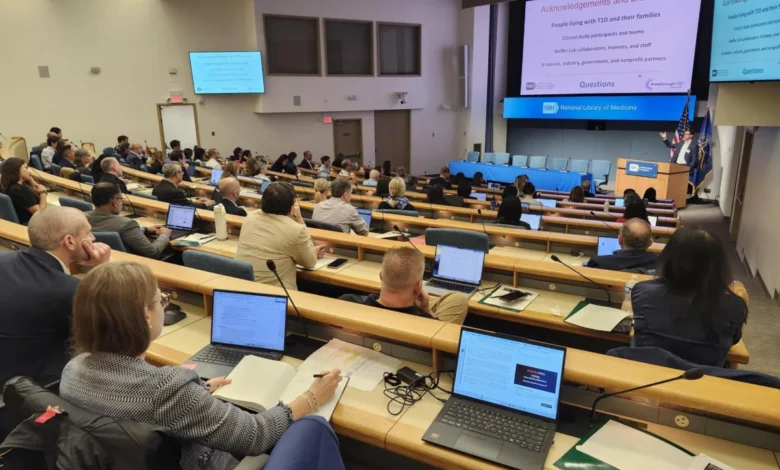
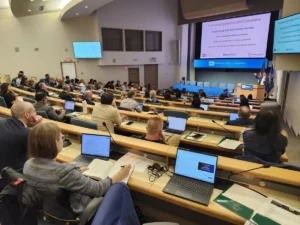
The landscape of type 1 diabetes treatment is undergoing a profound paradigm shift, driven by remarkable clinical trials where individuals receiving islet cell therapies have successfully reduced or eliminated their reliance on external insulin while achieving normal, healthy blood sugar levels. This clinical momentum has galvanized researchers, clinicians, and regulatory bodies to pursue the ultimate objective: next-generation manufactured islet cell therapies designed as scalable, universally accessible cures. To harness this momentum, Breakthrough T1D recently co-hosted a pivotal public workshop alongside the National Institute of Diabetes and Digestive and Kidney Diseases (NIDDK), titled "Accelerating the Translation of Cell Therapy for Type 1 Diabetes." This landmark event convened key stakeholders from academia, the pharmaceutical industry, the U.S. Food and Drug Administration (FDA), and the patient community to address the scientific, regulatory, and manufacturing bottlenecks standing between laboratory breakthroughs and widespread clinical application.
The urgency of this collaborative effort is underscored by the current limitations of first-generation islet cell therapies. Presently, approved treatments and ongoing clinical evaluations are strictly restricted to a narrow demographic of patients suffering from severe hypoglycemic events and absolute hypoglycemia unawareness—a life-threatening condition where individuals fail to recognize the physiological warning signs of plummeting blood sugar. In stark contrast, next-generation islet cell therapies envision a radically expanded patient demographic. By leveraging manufactured, scalable cellular sources, the scientific community aims to create a future where any individual diagnosed with type 1 diabetes who desires an islet cell transplant can access one. Achieving this vision requires a synchronized advancement across three distinct operational fronts: rigorous preclinical laboratory research, optimized large-scale manufacturing frameworks, and forward-thinking clinical trial designs.
Evolution of Cell Replacement: From First to Next-Generation Therapies
To fully appreciate the significance of current developments, it is essential to trace the chronology of beta-cell replacement science. Decades ago, whole-pancreas and isolated human islet transplants established the foundational proof of concept that restoring insulin-producing tissue could restore glucose homeostasis in people with type 1 diabetes. However, these procedures relied entirely on cadaveric donors, rendering the supply severely limited, highly variable, and inadequate for global deployment. Furthermore, recipients required heavy, lifelong immunosuppressive regimens to prevent graft rejection, which limited the therapy to only the most severe, brittle cases of the disease.
The contemporary era represents the transition toward stem cell-derived, manufactured islets. By differentiating human pluripotent stem cells into functional pancreatic progenitor cells and eventually mature, insulin-secreting beta cells in bioreactors, scientists have bypassed the bottleneck of human donor tissue availability. These manufactured cells possess the potential to be produced in industrial quantities. Yet, translating these lab-grown cellular products into safe, standardized therapeutics involves navigating a complex matrix of biological, technical, and regulatory hurdles. The recent NIDDK and Breakthrough T1D workshop served as a critical nexus for addressing these very challenges, establishing a roadmap to harmonize pre-clinical data standards and streamline the transition into human clinical evaluations.
Bridging the Preclinical and Manufacturing Chasm
A central focus of the workshop centered on nonclinical studies, which serve as the empirical bedrock for establishing the safety and efficacy of novel therapies before they enter human trials. Presenters emphasized that experimental design in animal models and in vitro systems must be standardized to yield accurate, reliable, and reproducible data. Researchers reviewed the latest data concerning optimal islet cell sourcing, cell survival post-transplantation, and advanced methodologies for achieving immune protection without relying exclusively on systemic immunosuppression. Ensuring that preclinical models accurately mirror human physiological responses remains a paramount challenge for investigators aiming to satisfy strict regulatory scrutiny.
Simultaneously, scaling up production from benchtop quantities to commercial, therapeutic batches introduces unprecedented biochemical and engineering hurdles. Large-scale manufacturing requires strict adherence to Current Good Manufacturing Practice (cGMP) regulations enforced by the FDA. As manufacturing scales shift from early-stage academic laboratories to commercial biotechnology facilities, regulatory expectations evolve concurrently. Industry leaders and academic researchers at the workshop exchanged insights on maintaining batch-to-batch consistency, ensuring cellular purity, and preserving functional viability during mass production. Producing reliable, homogenous lots of functional islet cells consistently remains one of the most formidable engineering tasks in modern biotechnology.
Redesigning Clinical Trials and Regulatory Pathways
As manufacturing and preclinical methodologies mature, the architecture of clinical trials must likewise evolve to reflect real-world therapeutic benefits. Historically, clinical endpoints for islet transplantation have focused narrowly on complete insulin independence. However, clinical data demonstrates that partial success—such as a dramatic reduction in exogenous insulin requirements, elimination of severe hypoglycemic episodes, and restoration of glycemic awareness—confers immense clinical and quality-of-life benefits.
Panelists at the workshop deliberated on modernizing clinical trial inclusion criteria to encompass a broader patient population. Furthermore, discussions addressed how the medical and scientific communities must weigh the long-term benefits of sustained normoglycemia against the known risks of immunosuppressive therapy. Engaging healthcare providers is another critical priority; educating the broader clinical community ensures timely patient referrals and robust trial participation. Aligning trial endpoints with patient-centric outcomes is essential for securing ultimate FDA approval and clearing the path for commercialization.
The Integration of Artificial Intelligence in Islet Cell Engineering
One of the most forward-looking themes of the workshop was the integration of artificial intelligence (AI) across the entire spectrum of islet cell therapy workflows. Researchers are increasingly deploying machine learning algorithms to model and forecast complex physiological outcomes, such as predicting individual patient blood sugar response trajectories one year post-transplant. These predictive tools empower clinicians and patients to make highly informed, personalized decisions regarding therapeutic interventions.
Beyond post-transplant monitoring, AI is revolutionizing the optimization of islet manufacturing processes. Machine learning models are being utilized to forecast how stem cells and manufactured islets will behave under fluctuating environmental conditions within bioreactors, allowing technicians to dynamically adjust parameters to maximize yield and cellular viability. Looking further ahead, computational biology and AI are enabling the design of "smart" islet cells at the molecular level. These genetically or structurally modified cells are engineered to autonomously sense immune system attacks and deploy targeted, localized immune-protective measures, potentially bypassing the need for systemic immunosuppressive drugs altogether. This convergence of cellular biology and artificial intelligence represents the cutting edge of regenerative medicine for type 1 diabetes.
Elevating Patient Voices in Therapeutic Development
Crucially, the workshop ensured that the lived experiences of individuals with type 1 diabetes remained at the center of the discourse. Several members of the patient community shared powerful, firsthand accounts of navigating life with the condition, detailing the relentless day-to-day burdens, the psychological toll of managing glucose fluctuations, and the experiences of undergoing islet cell transplants. Some panelists described how their personal journeys with transplants transformed their lives, noting that even if a procedure results in the need for just a single daily insulin injection—down from multiple daily injections and constant monitoring—the outcome represents a life-altering victory.
Organizations like Breakthrough T1D emphasize that incorporating the Patient Advisory Council and lived-experience perspectives into research design and clinical trial planning is not merely optional, but vital. Ensuring that the priorities of the patient community directly inform the decisions of scientists, manufacturers, and regulators guarantees that the resulting therapies are truly meaningful, acceptable, and tailored to the human reality of living with type 1 diabetes.
Broader Implications and Future Outlook
The convergence of advanced stem cell biology, scalable biomanufacturing, artificial intelligence, and patient-centered trial design signals a transformative era for endocrinology and regenerative medicine. The collaborative efforts spearheaded by Breakthrough T1D and the NIDDK demonstrate the vital necessity of public-private partnerships in overcoming translational barriers. By maintaining an open, rigorous dialogue regarding regulatory navigation, manufacturing scaling, and clinical trial optimization, the scientific community is systematically dismantling the obstacles that have historically delayed cell-based cures.
While significant work remains in perfecting scalable manufacturing and developing robust, localized immune evasion strategies, the trajectory of islet cell therapy is undeniably pointing toward a cure. The insights generated from this landmark workshop will undoubtedly accelerate the transition of next-generation therapies from laboratory hypotheses to accessible clinical realities, offering renewed hope to millions of individuals affected by type 1 diabetes worldwide.