Nourish Your Vision and Thrive: New Resources Empower Individuals with Diabetes to Enhance Eye Health Through Nutrition

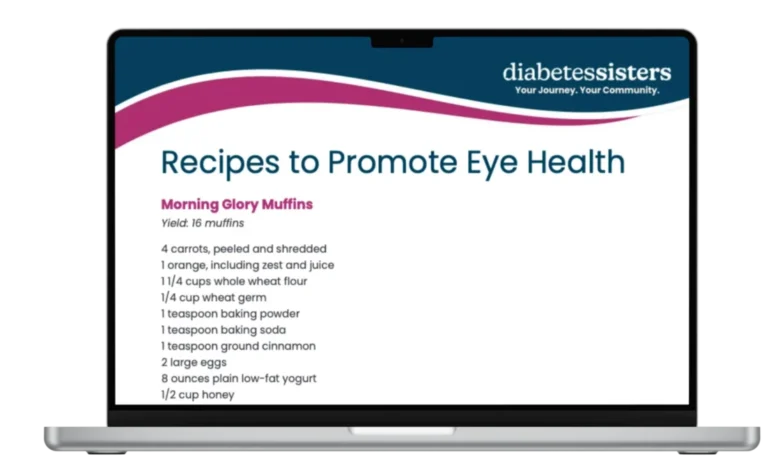
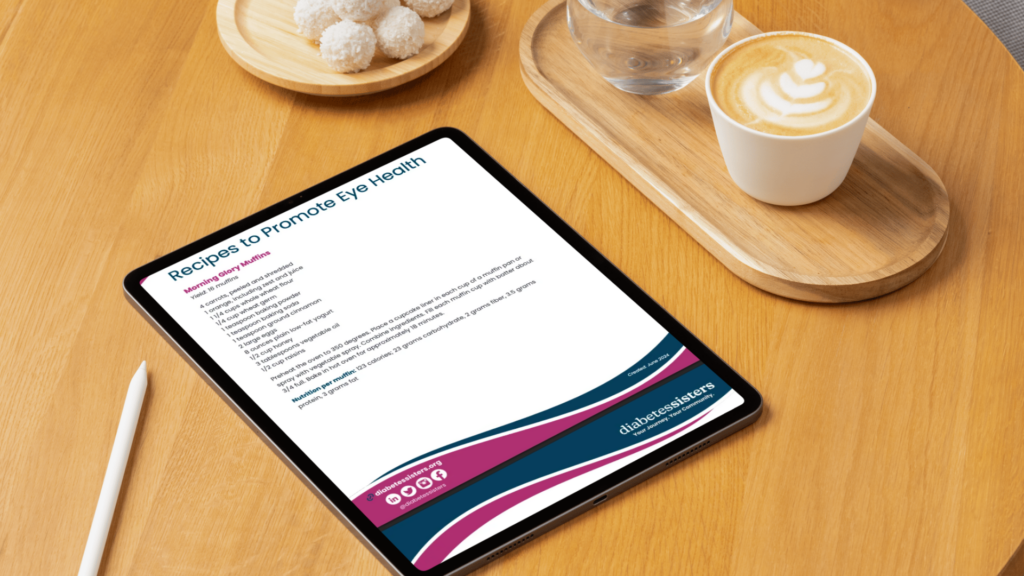
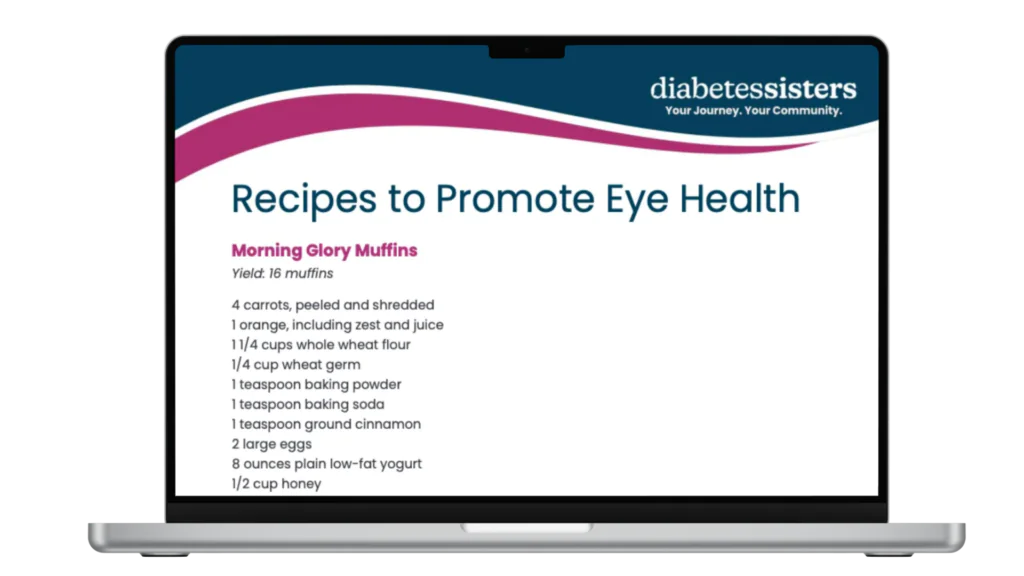
A groundbreaking initiative aimed at empowering individuals living with diabetes to proactively manage their eye health through nutrition has been launched, offering two comprehensive, free resources designed for ease of use and practical application. These downloadable guides, titled "Quick Tips: Nutrition and Your Eyes" and "Recipes to Promote Eye Health," provide a dual-pronged approach to fostering better vision and overall wellness. The resources are particularly significant given the heightened risk of diabetic eye disease among individuals with diabetes, a condition that affects millions worldwide.
The "Quick Tips" guide offers a straightforward yet impactful approach, outlining simple, actionable steps individuals can integrate into their daily routines to protect their vision. This includes emphasizing the critical role of a balanced diet in supporting ocular health and underscoring the non-negotiable importance of regular comprehensive eye examinations. Concurrently, "Recipes to Promote Eye Health" presents a collection of delicious, diabetes-friendly meal ideas specifically curated to be rich in nutrients vital for eye function. These include essential vitamins such as A, C, and E, alongside beneficial omega-3 fatty acids, all while adhering to dietary recommendations for individuals managing diabetes. Collectively, these downloadable resources aim to equip individuals with practical tools to cultivate healthier eating habits that translate directly into improved vision, both in the immediate and for the long term.
Understanding the Link Between Diabetes and Eye Health
Diabetes is a chronic metabolic disorder characterized by elevated blood glucose levels. Over time, persistently high blood sugar can damage blood vessels throughout the body, including those in the eyes. This damage can lead to a range of serious eye conditions, collectively known as diabetic eye disease. The most common forms include:
- Diabetic Retinopathy: This condition affects the blood vessels in the retina, the light-sensitive tissue at the back of the eye. It can cause bleeding, swelling, and the formation of new, abnormal blood vessels, leading to vision loss. According to the Centers for Disease Control and Prevention (CDC), diabetic retinopathy is a leading cause of blindness among working-aged adults in the United States. Approximately 29.7% of Americans aged 20 and older with diabetes have diabetic retinopathy, and about 4.1% have the more advanced proliferative form.
- Diabetic Macular Edema (DME): This is a complication of diabetic retinopathy where fluid leaks from damaged blood vessels in the retina, causing swelling in the macula. The macula is responsible for sharp, central vision, so swelling here can significantly impair reading, driving, and recognizing faces. DME affects an estimated 7.7% of Americans with diabetes, according to a 2014 study published in JAMA Ophthalmology.
- Cataracts: Individuals with diabetes are more prone to developing cataracts, a clouding of the eye’s lens, at an earlier age than those without diabetes.
- Glaucoma: Diabetes can also increase the risk of developing glaucoma, a condition characterized by damage to the optic nerve, often due to high pressure inside the eye.
The development of these conditions is often gradual and asymptomatic in its early stages, making regular eye screenings crucial for early detection and intervention.
The Nutritional Arsenal for Ocular Health
The newly released resources emphasize a proactive, nutrition-centric approach, recognizing that specific nutrients play a pivotal role in maintaining eye health and mitigating the risks associated with diabetes.
Vitamin A: Crucial for vision, particularly in low light conditions. It is a component of rhodopsin, a protein in the eyes that absorbs light. Deficiencies can lead to night blindness and dry eyes. Foods rich in Vitamin A include sweet potatoes, carrots, spinach, and liver.
Vitamin C: A powerful antioxidant that can help protect the eyes from damage caused by free radicals. It also plays a role in the formation of collagen, a protein that provides structure to the eyes. Citrus fruits, berries, bell peppers, and broccoli are excellent sources.
Vitamin E: Another potent antioxidant that may help protect the eyes from damage from sunlight and other environmental factors. Nuts, seeds, and vegetable oils are good sources.
Omega-3 Fatty Acids: Particularly EPA and DHA, are essential for the structure of the eye’s retina. They can also help prevent dry eyes and may play a role in reducing the risk of macular degeneration. Fatty fish like salmon, mackerel, and sardines, as well as flaxseeds and walnuts, are rich in omega-3s.
Lutein and Zeaxanthin: These carotenoids are found in high concentrations in the macula and act as natural sunblockers, protecting the eyes from harmful blue light. They are abundant in leafy green vegetables like kale, spinach, and collard greens, as well as eggs and corn.
The "Recipes to Promote Eye Health" guide is designed to seamlessly incorporate these nutrients into enjoyable and manageable meals for individuals with diabetes. By focusing on whole foods, lean proteins, and healthy fats, the recipes aim to support blood sugar control while simultaneously delivering a potent dose of eye-protective nutrients.
Genesis of the Initiative: Addressing a Critical Need
The development of these resources stems from a recognized gap in accessible, practical guidance for individuals with diabetes on how nutrition directly impacts their eye health. Diabetes Sisters, the organization behind this initiative, has a long-standing commitment to supporting women with diabetes through education, community, and advocacy. Janice MacLeod, MA, RD, CDCES, a diabetes-cardiometabolic consultant and thought leader in digital health and chronic condition management, is credited with authoring these invaluable guides.
The initiative reflects a growing understanding within the healthcare community about the interconnectedness of chronic disease management and lifestyle interventions. For individuals with diabetes, managing blood glucose levels is paramount, but it is equally important to address other associated health risks, such as vision impairment. By providing tangible tools like easy-to-follow recipes and concise tips, the program aims to demystify the link between diet and eye health, making proactive management achievable for a broad audience.
How to Access the Resources
Individuals interested in leveraging these educational tools can access them by filling out a simple form on the Diabetes Sisters website. This straightforward process ensures that the resources are readily available to anyone seeking to enhance their eye health and overall well-being through informed nutritional choices. The initiative prioritizes accessibility, ensuring that financial or geographical barriers do not prevent individuals from obtaining this vital information.
Broader Implications and Future Outlook
The launch of "Quick Tips: Nutrition and Your Eyes" and "Recipes to Promote Eye Health" has significant implications for diabetes care and public health. By focusing on preventative measures and empowering individuals with actionable knowledge, such initiatives can contribute to a reduction in the incidence and severity of diabetic eye disease. This, in turn, can lead to improved quality of life for individuals with diabetes, reduced healthcare costs associated with managing vision loss, and a greater sense of control over their health.
The success of this program could serve as a model for other health organizations looking to develop similar resource-driven educational campaigns for managing chronic conditions. The emphasis on practical, easy-to-implement strategies, coupled with expert-backed information, is a powerful combination for fostering lasting health behavior change.
Looking ahead, continued research into the specific nutritional requirements for preventing and managing diabetic eye disease, alongside accessible dissemination of this knowledge, will be crucial. As our understanding of the microbiome’s impact on health deepens, future resources might also explore how gut health influences nutrient absorption and overall inflammatory responses, further connecting diet and eye health.
Furthermore, the integration of such educational materials into routine diabetes care protocols by healthcare providers could significantly amplify their reach and impact. Encouraging patients to utilize these resources during their regular check-ups and consultations can reinforce the importance of nutrition as a cornerstone of comprehensive diabetes management. The proactive approach championed by Diabetes Sisters, through these freely available downloads, represents a vital step forward in the ongoing effort to mitigate the debilitating effects of diabetic eye disease and promote a vision of healthier futures for individuals living with diabetes.