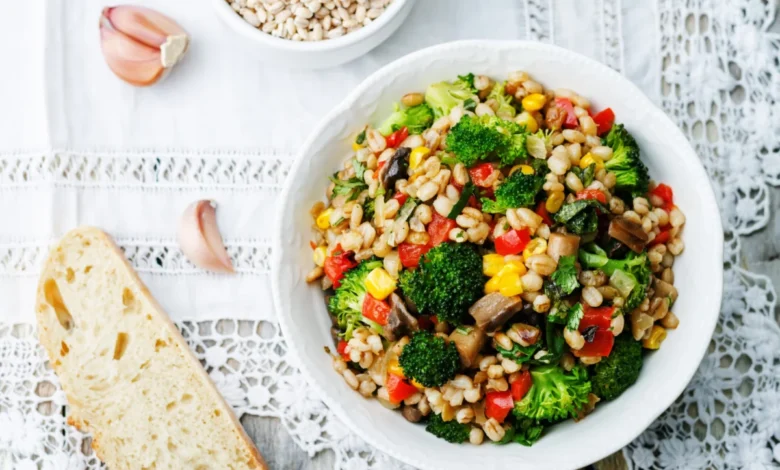
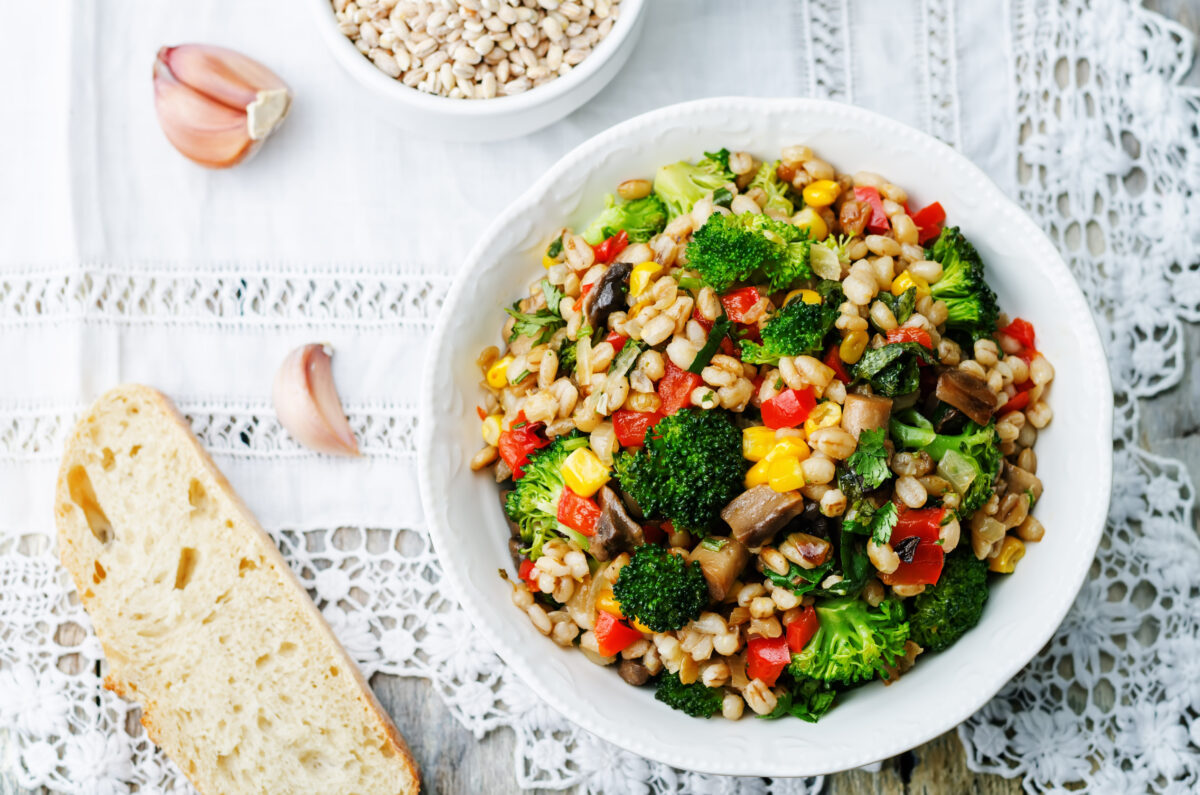
The culinary landscape is constantly evolving, with an increasing emphasis on dishes that are not only delicious but also contribute positively to health and well-being. In this vein, a particular barley salad featuring roasted vegetables has emerged as a versatile and nutritious option, capable of serving as a vibrant side dish or a satisfying vegetarian lunch. This recipe, centered on the wholesome grain of pearl barley and a medley of tender roasted vegetables, is being recognized for its adaptability and its appeal across different seasons and dining occasions. Its composition—featuring chewy barley, caramelized vegetables, aromatic fresh herbs, and a zesty lemon vinaigrette—offers a symphony of textures and flavors that resonate with contemporary dietary preferences.
A Culinary Fusion of Health and Flavor
At its core, this barley salad is designed to deliver a punch of both flavor and nutritional value. The combination of pearl barley, a nutrient-dense whole grain known for its high fiber content and sustained energy release, with a diverse array of roasted vegetables, creates a foundation that is both filling and beneficial. Roasting vegetables is a culinary technique that intensifies their natural sweetness and develops a depth of flavor, transforming them into tender, caramelized morsels. When combined with the nutty character of barley, the creamy tang of feta cheese, and a simple yet bright homemade dressing, the resulting grain salad becomes a compelling choice for a variety of culinary applications.
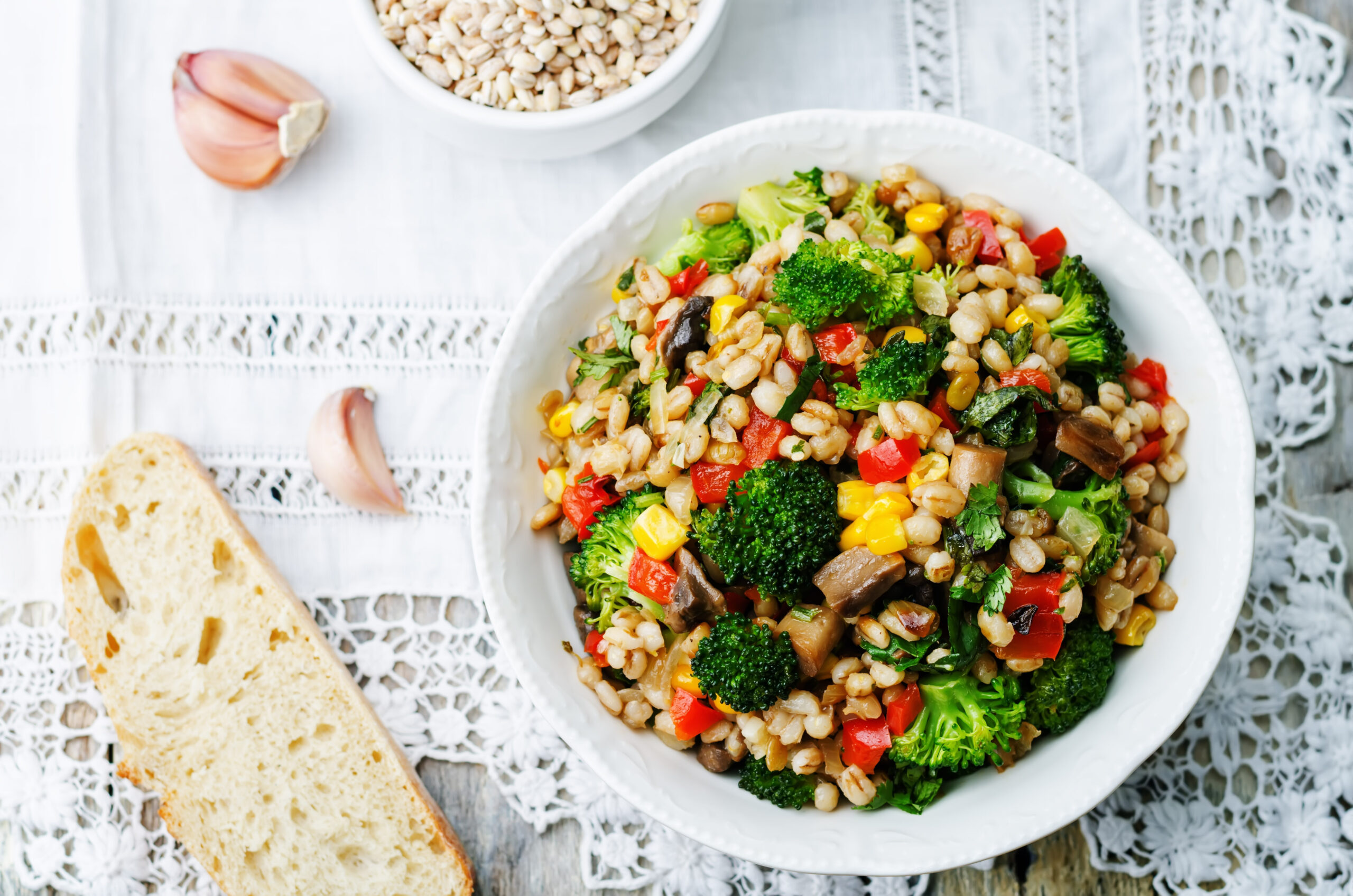
The appeal of this dish extends beyond its immediate taste profile. It is also lauded for its ease of preparation and its inherent flexibility. Chefs and home cooks alike appreciate recipes that can be adapted to utilize seasonal produce or whatever ingredients are readily available. This barley salad excels in this regard, allowing for a wide range of vegetable substitutions and additions, making it a sustainable and cost-effective option. Furthermore, its ability to hold up well after preparation makes it an ideal candidate for meal prepping, potlucks, picnics, and as a complementary dish to a wide range of main courses, from grilled chicken and salmon to vegetarian burgers. The inherent health benefits, including the fiber from barley and the vitamins and minerals from the diverse vegetables, align with growing public interest in dietary patterns that support long-term health.
The Nutritional Significance of Barley and Roasted Vegetables
Barley, the foundational grain in this salad, boasts a significant nutritional profile that contributes to its reputation as a health-conscious ingredient. As a whole grain, it is rich in dietary fiber, particularly beta-glucans, which are known for their cholesterol-lowering properties and their role in promoting digestive health. A study published in the American Journal of Clinical Nutrition highlighted the capacity of barley beta-glucans to improve glycemic control and enhance satiety, making it a valuable component for individuals managing their weight or blood sugar levels. Furthermore, barley provides essential minerals such as manganese, phosphorus, and selenium, along with B vitamins that are crucial for energy metabolism.
The act of roasting vegetables not only enhances their palatability but also preserves a significant portion of their nutrient content. Techniques like roasting, when performed at moderate temperatures, can lead to minimal nutrient loss compared to other cooking methods. For instance, roasting vegetables like bell peppers and broccoli can help retain their vitamin C content, while root vegetables like sweet potatoes become richer in beta-carotene. The caramelization process that occurs during roasting can also lead to the formation of beneficial antioxidants. The visual appeal of roasted vegetables, with their varied colors and textures, further enhances the overall dining experience, making the salad a feast for both the eyes and the palate.
Optimizing the Barley Salad: Expert Tips for Culinary Success
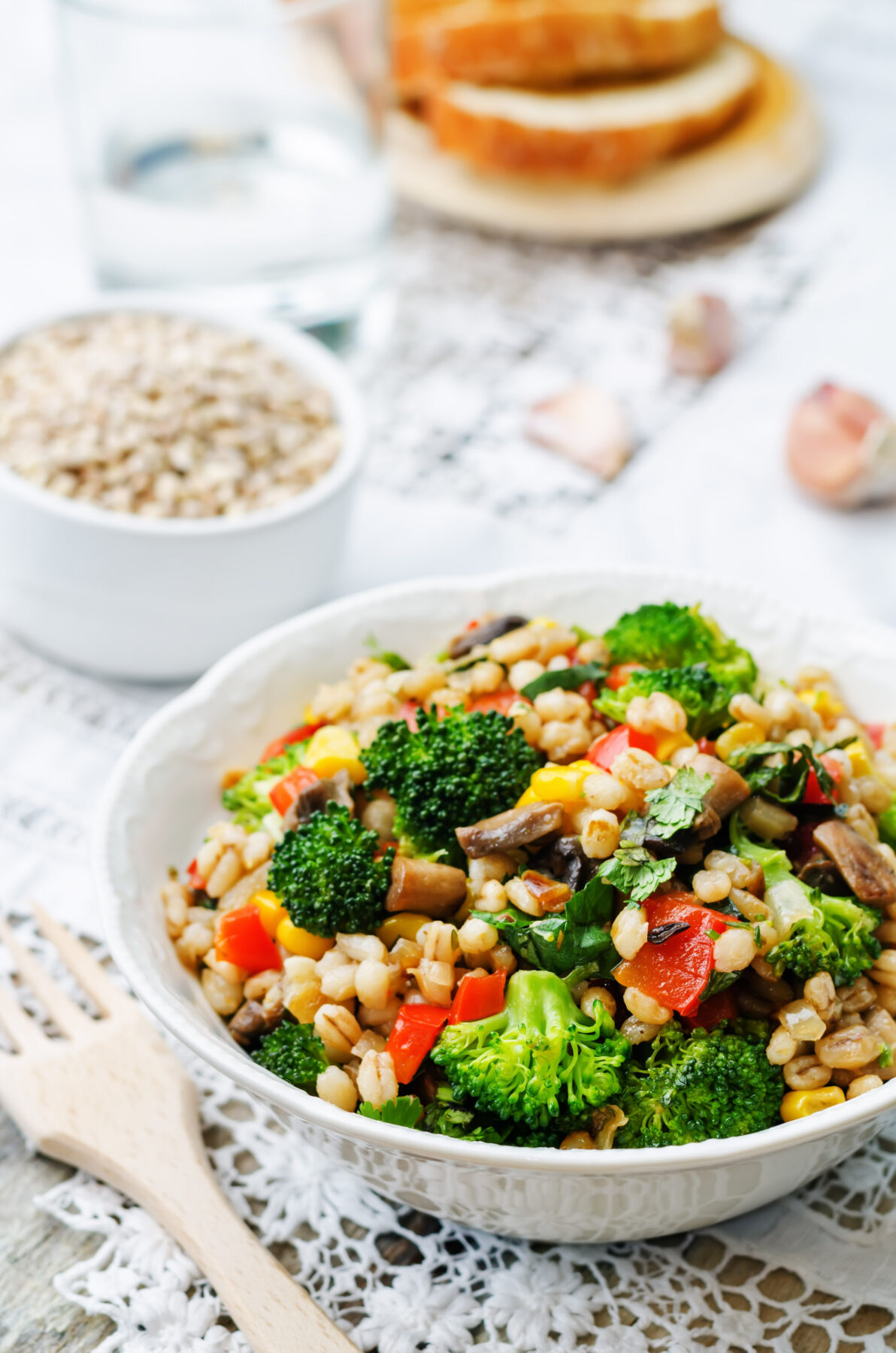
Achieving the perfect texture and flavor in this barley salad involves a few key considerations during preparation. Culinary experts emphasize several practices to ensure the dish’s optimal outcome:
- Mastering the Barley Cook: The texture of the barley is paramount. It should be cooked to a point where it is tender but retains a slight chewiness, often referred to as "al dente." Overcooking can result in a mushy consistency, which detracts from the salad’s overall appeal. Following package instructions precisely and tasting the barley periodically during the cooking process is crucial. For pearl barley, this typically involves simmering in water or broth for approximately 30-40 minutes.
- Uniform Vegetable Cuts: For consistent roasting, it is essential to cut the chosen vegetables into similarly sized pieces. This ensures that all vegetables cook at the same rate, preventing some from becoming overcooked while others remain undercooked. A general guideline is to aim for pieces that are roughly one inch in size, though this can be adjusted based on the density of the vegetable.
- Strategic Vegetable Spacing: The baking sheet should not be overcrowded when roasting vegetables. Allowing adequate space between the pieces ensures that the heat circulates effectively, promoting caramelization and preventing steaming. Steamed vegetables will lack the desirable depth of flavor and slightly crisp texture that roasting imparts. Using multiple baking sheets if necessary is a recommended strategy.
- The Art of Fresh Herb Integration: Fresh herbs are vital for adding brightness and vibrancy to the salad. To maintain their fresh appearance and potent aroma, it is best to add them after the roasted vegetables have cooled slightly. Incorporating them while the vegetables are still piping hot can cause them to wilt and lose their impact. Common choices include parsley, cilantro, mint, or dill, depending on the desired flavor profile.
- Elevating Presentation with Feta: A small portion of the crumbled feta cheese can be reserved to sprinkle over the finished salad just before serving. This not only adds a final touch of creamy saltiness but also enhances the visual appeal of the dish, making it more inviting.
Culinary Adaptations and Inclusivity
The inherent versatility of this barley salad allows for numerous creative variations, catering to a wide range of dietary needs and preferences. This adaptability is a key factor in its growing popularity, as it can be easily modified to suit individual tastes and requirements:
- Boosting Protein with Legumes: For an added protein boost and increased satiety, a can of rinsed and drained chickpeas can be incorporated into the salad. This option is particularly beneficial for those seeking a more substantial vegetarian lunch or an even heartier side dish.
- Enhancing with Meats: To transform the salad into a complete meal, grilled chicken, shredded rotisserie chicken, or flaked salmon can be added. This makes it an excellent option for a quick and healthy dinner.
- Seasonal Vegetable Swaps: The choice of vegetables is highly flexible. Other suitable options for roasting include sweet potatoes, cauliflower florets, Brussels sprouts, butternut squash cubes, asparagus spears, or zucchini slices. The specific selection can be guided by seasonal availability and personal preference.
- Veganization: For individuals following a vegan diet, the salad can be easily adapted by omitting the feta cheese or substituting it with a dairy-free feta alternative. To compensate for the richness often provided by cheese, an increase in toasted nuts or seeds, such as almonds, walnuts, or sunflower seeds, can be incorporated.
- Incorporating Leafy Greens: To add an extra layer of freshness and nutrients, a handful of arugula, baby spinach, kale, or microgreens can be gently tossed into the salad just before serving. These greens will wilt slightly from the residual warmth of the roasted vegetables, creating a delightful textural contrast.
Meal Preparation and Storage Guidelines
The practicality of this barley salad extends to its preparation and storage capabilities, making it an ideal choice for busy individuals and families.
- Refrigerator Storage: Prepared barley salad can be stored in an airtight container in the refrigerator for up to four days. This makes it a convenient option for weekly meal prepping, ensuring a healthy and ready-to-eat meal or side dish is always on hand.
- Reheating Options: While the salad is delicious served cold, it can also be gently warmed in the microwave before serving. This is particularly appealing for those who prefer warm side dishes, especially during cooler months.
- Flavor Refreshment: After storage, the flavors can sometimes become slightly muted. To refresh the salad, a small splash of fresh lemon juice or a drizzle of olive oil can be added before serving. This simple step helps to revive the vinaigrette and brighten the overall taste.
- Optimal Serving Assembly: For the best texture and presentation, it is recommended to add delicate ingredients like fresh herbs, crumbled feta, and any crunchy toppings (like toasted nuts) just before serving. This ensures that these elements retain their intended crispness and vibrancy.
The growing interest in plant-based eating and wholesome, minimally processed foods continues to drive innovation in the culinary world. Dishes like this Barley Salad with Roasted Vegetables exemplify this trend, offering a delicious, nutritious, and adaptable option that appeals to a broad audience. Its combination of whole grains, vibrant vegetables, and fresh flavors positions it as a staple in contemporary healthy eating, proving that nutritious food can also be exceptionally enjoyable and versatile.
Related posts: