Mastering the Art of Traditional Mexican Rice: A Comprehensive Culinary Guide for Modern Households

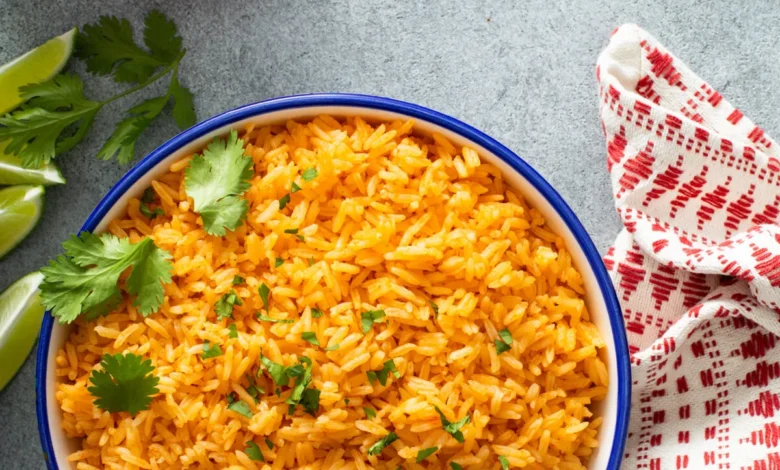
The culinary landscape of North American home cooking has long embraced Mexican and Tex-Mex flavors, with side dishes playing an essential role in completing weeknight meals. Among these, Mexican rice—frequently referred to colloquially in the United States as Spanish rice—stands out as a staple accompaniment to tacos, enchiladas, burrito bowls, and grilled proteins. Recent culinary data and family nutrition studies indicate that scratch-made side dishes utilizing accessible pantry staples have seen a significant resurgence in home kitchens. This trend is driven by a growing consumer preference for transparent ingredient lists, cost-effective meal planning, and customizable dishes that cater to diverse family palates. Transforming basic grains into a savory, fluffy culinary foundation requires a careful balance of technique, timing, and regional authenticity.
Historical Context and Cultural Significance of Mexican Rice
To understand the enduring popularity of Mexican rice, culinary historians often point to the blending of indigenous Mesoamerican ingredients with Spanish and Mediterranean influences introduced during the colonial period. While Spain contributed rice, garlic, and specific livestock fats, native cultures provided tomatoes, onions, and various chiles, ultimately creating a distinct regional identity for the dish. In traditional Mexican households, arroz rojo (red rice) is rarely considered a mere afterthought; rather, it serves as a cornerstone of everyday dining, family gatherings, and celebratory feasts.
In the United States, the interchangeable use of "Mexican rice" and "Spanish rice" stems from historical trade and culinary crossovers, though authentic versions of the former are explicitly characterized by their vibrant tomato base and sautéed preparation method. Unlike European rice dishes such as paella, which rely on saffron and a broad, shallow cooking vessel, Mexican rice is typically prepared in a deep skillet or saucepan, allowing the grains to absorb a concentrated broth and tomato reduction evenly.
The Science of Fluffy Textures: Toasting and Starch Management
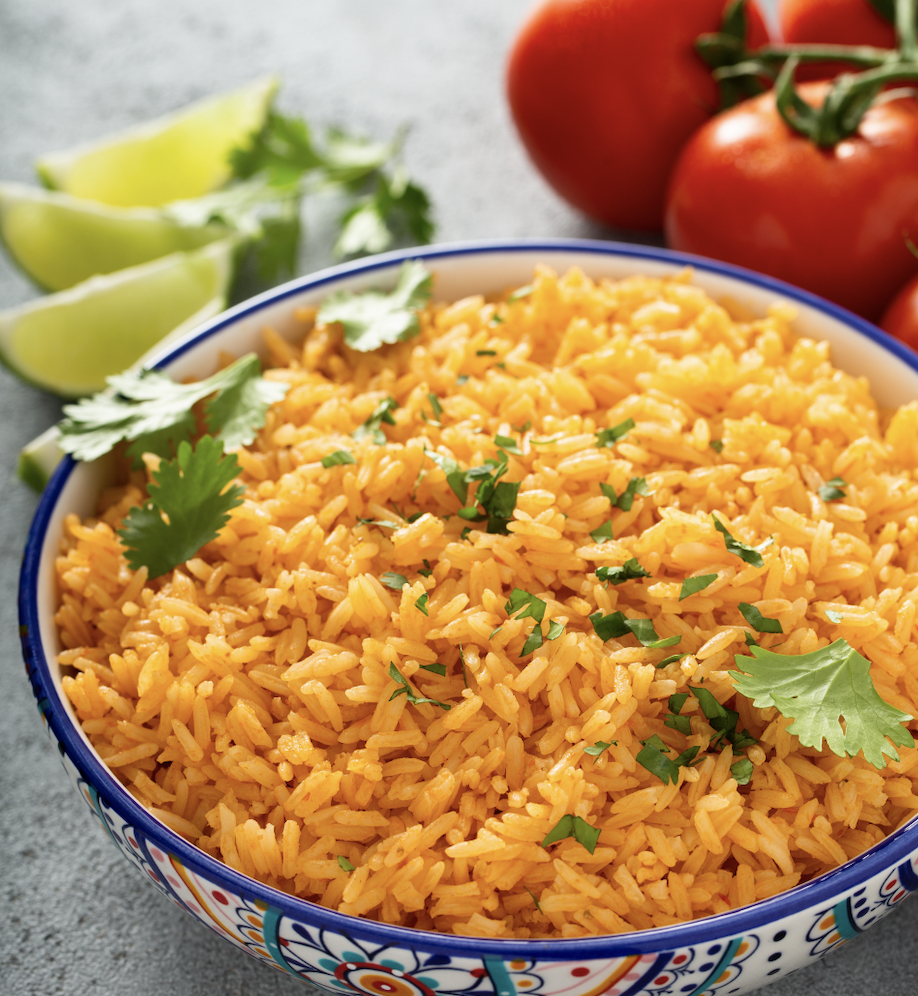
Achieving the ideal texture in homemade Mexican rice—characterized by distinct, non-sticky grains that remain light and fluffy—is governed by precise culinary science. Home cooks frequently encounter challenges such as mushiness, uneven cooking, or scorched bottoms, all of which can be systematically avoided by understanding starch management and moisture ratios.
The primary mechanical secret to professional-grade Mexican rice lies in the initial toasting phase. Before any liquid is introduced, raw long-grain white rice is lightly fried in oil over medium heat. This process coats each grain in lipids, effectively sealing the exterior and preventing the starches from gelatinizing too quickly when broth is added. Furthermore, toasting imparts a nutty, complex aroma and flavor profile that elevates the dish far beyond simple boiled rice.
Culinary professionals also emphasize the critical importance of rinsing the rice prior to cooking. Raw white rice is coated in excess surface starch from the milling process. Rinsing the grains in cold water until the runoff runs clear removes this loose starch, which is the primary culprit behind gummy or clumping rice. Once rinsed, the rice must be thoroughly drained; excess moisture clinging to the grains can disrupt the precise liquid-to-rice ratio required for optimal steam-cooking.
Step-by-Step Culinary Methodology and Chronology of Preparation
Preparing a successful batch of family-friendly Mexican rice requires a structured chronology, typically spanning a total preparation and cooking time of approximately 35 minutes.
Phase One: Preparation and Starch Removal (10 Minutes)
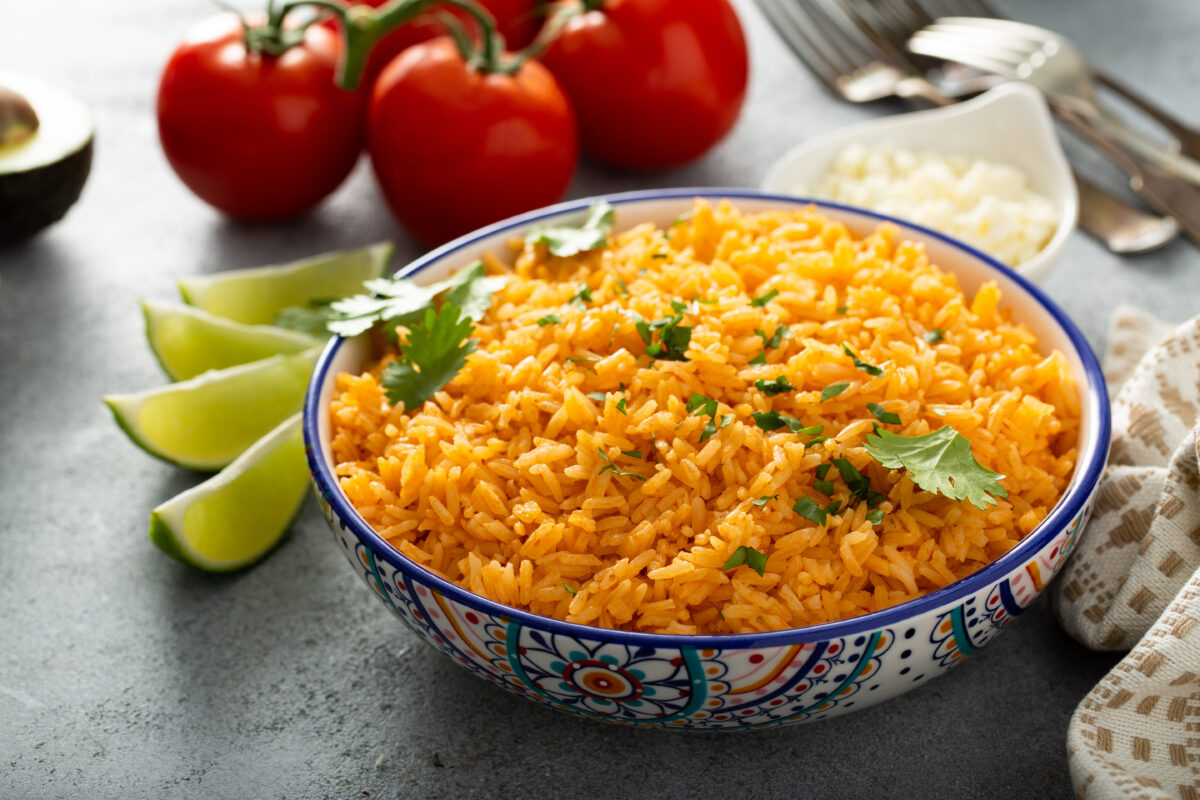
The process begins with measuring and rinsing the rice. Using standard long-grain white rice is strongly recommended, as short-grain varieties tend to become too sticky, while instant or minute rice lacks the structural integrity required for traditional simmering and steaming methods. Once the rice is rinsed and thoroughly drained in a colander, home cooks prepare the aromatic base. This usually involves finely dicing white onions and garlic, and gathering pantry staples such as chicken or vegetable broth, tomato sauce or paste, and mild spices like cumin and chili powder.
Phase Two: Toasting and Aromatic Infusion (10 Minutes)
A heavy-bottomed skillet or Dutch oven is heated with a moderate amount of neutral cooking oil over medium heat. The drained rice is added to the hot oil and stirred continuously. The cook must monitor the grains closely, watching for them to transition from a stark opaque white to a translucent, lightly golden hue accompanied by a distinct toasted fragrance. This step requires patience; rushing the heat can burn the exterior while leaving the interior raw, while insufficient heat will result in inadequate browning and flavor development. Once the rice is appropriately toasted, finely chopped onions and minced garlic are typically sautéed in the same pan for a minute until fragrant.
Phase Three: Simmering and Steaming (15 Minutes)
The liquid phase commences with the careful pouring of warm broth, blended tomatoes or tomato sauce, and spices into the skillet. The mixture is brought to a gentle boil, after which the heat is immediately reduced to the lowest possible setting. At this juncture, a tight-fitting lid is placed over the pan. Culinary experts stress that lifting the lid or stirring the rice during this simmering phase releases vital steam and disrupts the cooking equilibrium, frequently resulting in unevenly cooked or mushy grains. The rice is left undisturbed for the duration of the simmer until the liquid is fully absorbed.
Phase Four: Resting and Fluffing (5 to 10 Minutes)
Even after the heat source is turned off, the cooking process is not complete. Leaving the covered pan undisturbed for an additional 5 to 10 minutes allows the internal moisture to distribute evenly across all grains. This resting period firms up the exterior of the rice kernels, ensuring they separate effortlessly when gently scraped with a fork prior to serving.
Adapting the Recipe for Modern Family Dynamics and Dietary Preferences
Modern household meal preparation often requires flexibility to accommodate varying nutritional needs, schedules, and sensory preferences among children and adults alike. The baseline Mexican rice recipe serves as a versatile template that can be easily modified without sacrificing flavor or structural integrity.
Nutritional Adjustments and Vegetable Integration
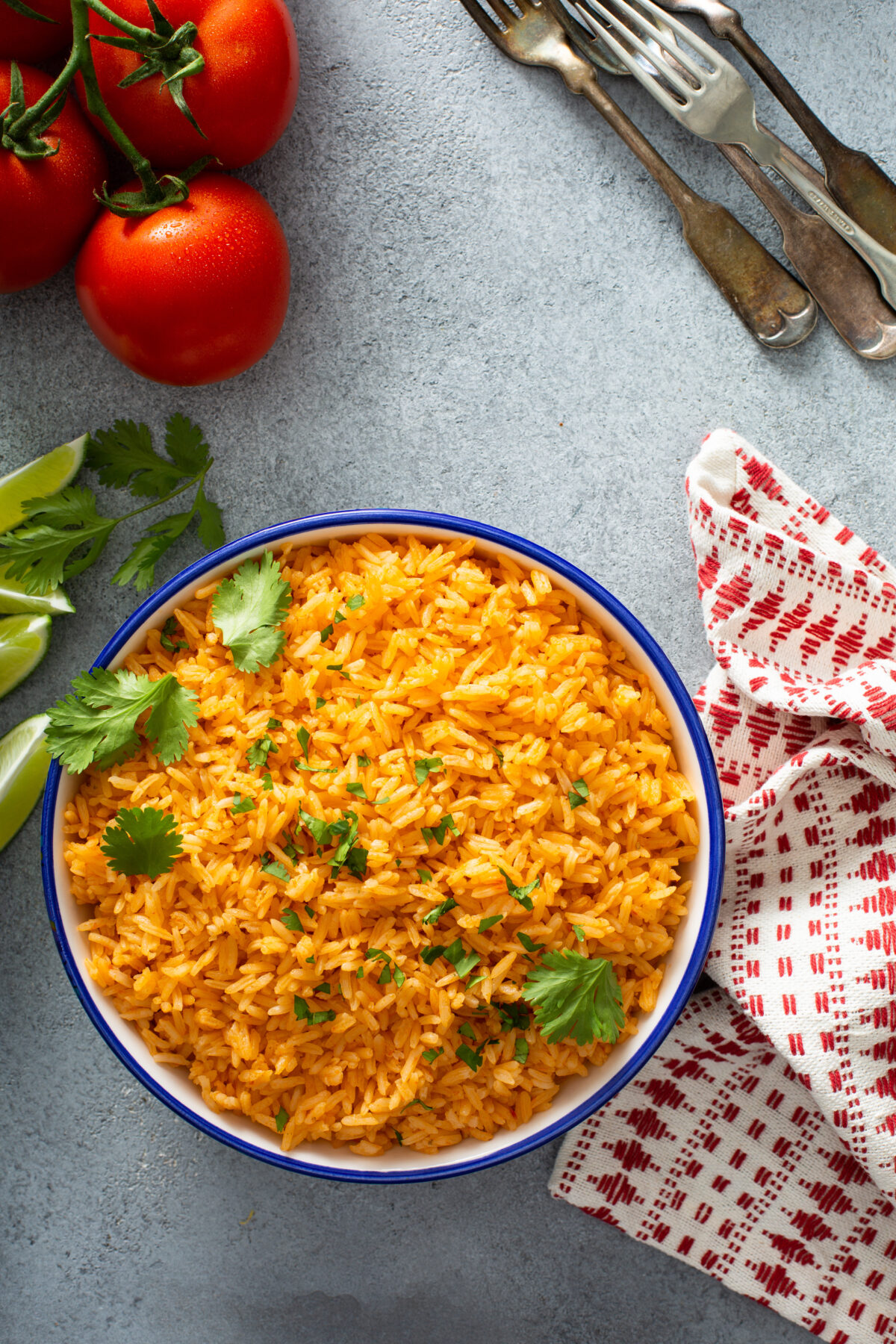
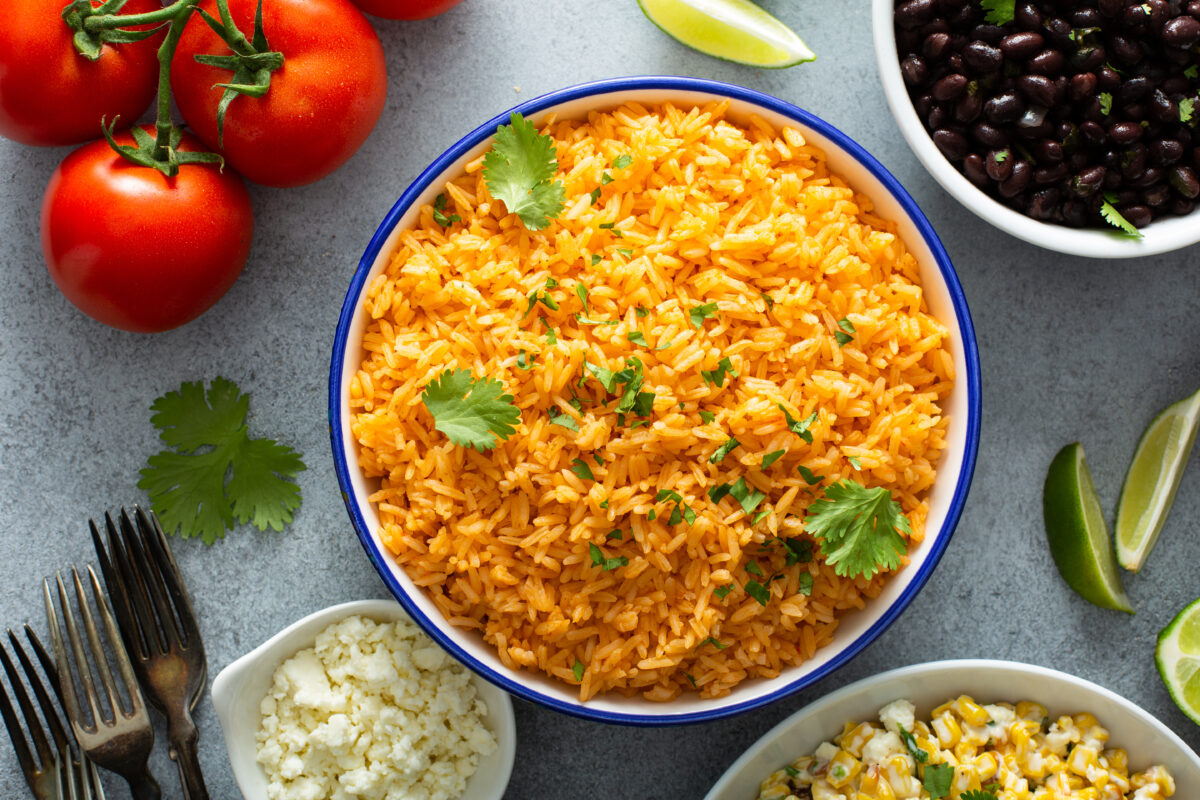
For families seeking to increase daily vegetable intake, the base recipe readily accepts finely diced bell peppers, zucchini, or sweet corn added during the initial onion-sautéing phase. Alternatively, frozen peas and carrots can be folded into the rice during the resting period, utilizing the residual heat to thaw and cook them gently. For households managing dietary restrictions, substituting traditional chicken broth with a robust vegetable stock transforms the dish into a fully vegetarian or vegan accompaniment, while the addition of rinsed black beans or pinto beans elevates the protein content, turning a side dish into a substantial main course.
Managing Spice Levels for Pediatric Palates
While authentic Mexican cuisine frequently incorporates jalapeños, serranos, and robust levels of chili powder, adapting the dish for young children often necessitates a milder approach. Culinary educators recommend omitting or significantly reducing the chili powder and cayenne pepper in the initial batch. To satisfy adults who prefer heat, spicy elements such as minced fresh jalapeños, red pepper flakes, or a side of hot sauce can be incorporated at the table rather than during the cooking process. Similarly, if children object to visible pieces of onion or tomato, the liquid components—including onions, tomatoes, and garlic—can be completely pureed in a blender before being added to the toasted rice, yielding a smooth, uniform texture.
Storage, Food Safety, and Meal-Prep Strategies
In an era where meal prepping has become a vital strategy for busy households, understanding the proper storage, refrigeration, and freezing protocols for cooked grains is essential for food safety and quality maintenance.
Refrigeration and Reheating Protocols
Leftover Mexican rice should be cooled to room temperature within two hours of cooking before being transferred to an airtight container. Properly sealed, the rice can be safely stored in the refrigerator for up to four days. When reheating individual portions, moisture loss is the primary challenge. Culinary technicians recommend adding a small splash of water or broth to the rice before covering it with a microwave-safe lid or a damp paper towel. This restores the necessary humidity to prevent the grains from hardening. Alternatively, reheating the rice in a covered skillet over low heat with a tablespoon of broth yields excellent textural results, returning the grains to a freshly cooked state.
Freezing for Long-Term Storage
For extended meal planning, Mexican rice freezes exceptionally well. The cooled rice should be packed into freezer-safe containers or heavy-duty resealable bags, pressing out as much air as possible to prevent freezer burn. Stored at proper freezer temperatures, the dish maintains optimal quality for up to three months. Thawing is best accomplished overnight in the refrigerator, though the rice can also be reheated directly from a frozen state by incorporating a slightly higher volume of liquid during the reheating process.
Troubleshooting Common Preparation Issues
Even with careful execution, home cooks occasionally experience culinary missteps. Analyzing the root causes of these issues helps ensure consistent results in future attempts.
- Mushy or Gummy Texture: This is almost universally attributed to an excess of liquid, failure to thoroughly rinse the surface starches from the raw rice, excessive stirring during the simmer phase, or cooking over too high a heat. Strict adherence to measuring cups and maintaining a hands-off approach during the steaming phase will rectify this outcome.
- Burned Bottoms: If the rice scorches before the liquid is fully absorbed, the heat source was likely too high, or the pan lacked a sufficiently heavy bottom to distribute heat evenly. Utilizing heavy-gauge cookware and ensuring the burner is set to the lowest possible simmer setting prevents this occurrence.
- Hard or Underdone Grains: This typically results from insufficient liquid, an ill-fitting lid that allowed vital steam to escape, or premature removal from the heat source. Ensuring an airtight seal on the pan and allowing the full resting period to elapse resolves most moisture deficits.
Broader Economic and Nutritional Implications
Beyond its culinary appeal, the preparation of scratch-made Mexican rice aligns with broader contemporary economic and nutritional goals. In an economic climate marked by fluctuating food costs, relying on bulk pantry items such as long-grain white rice, canned or fresh tomatoes, and basic aromatics provides a high yield of nutritious food at a remarkably low cost per serving.
From a nutritional standpoint, when prepared with low-sodium broths and integrated with legumes or vegetables, Mexican rice offers a balanced profile of complex carbohydrates, essential amino acids when paired with beans, and vital micronutrients. As home cooks continue to seek out reliable, comforting, and economically viable meal solutions, mastering foundational techniques for traditional dishes like Mexican rice remains an invaluable skill for the modern domestic kitchen.
Related posts: