Decoding Hyperglycemia: The Biological Mechanics, Clinical Thresholds, and Comprehensive Management of High Blood Sugar

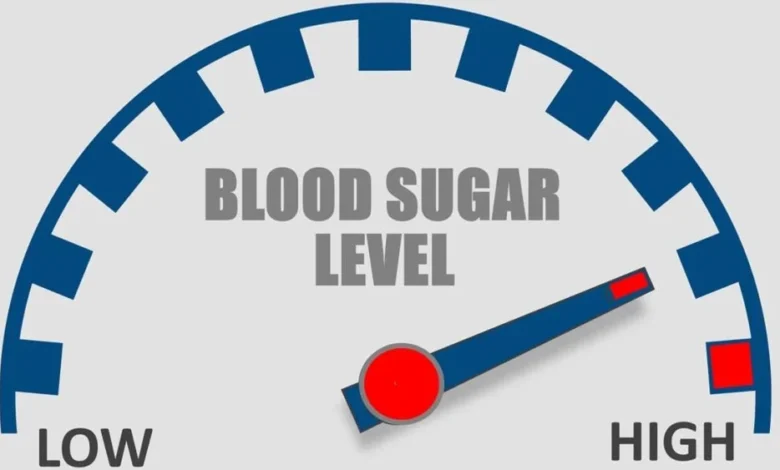
Hyperglycemia, clinically defined as elevated blood glucose levels, stands as the central pathological hallmark of all forms of diabetes mellitus. While millions of individuals worldwide live with the condition, the physiological mechanisms driving the physical manifestations of high blood sugar are frequently misunderstood. Clinicians, certified diabetes educators, and medical literature routinely distribute lists of standard symptoms—such as excessive thirst, frequent urination, and blurred vision—yet the underlying biochemical chain reactions often remain obscured. Understanding the precise physiological pathways of hyperglycemia provides critical context for why timely intervention is essential to prevent acute crises and long-term systemic damage.
To comprehend hyperglycemia, one must first examine the fundamental failure of glucose homeostasis within the human body. Under normal physiological conditions, the pancreas secretes precise amounts of insulin, a vital hormone that facilitates the transport of circulating glucose from the bloodstream into cellular tissue to be utilized as energy. In individuals with diabetes, this system breaks down. In Type 1 diabetes, an autoimmune response destroys insulin-producing beta cells in the pancreas, resulting in an absolute deficiency of the hormone. In Type 2 diabetes, the body’s cells develop insulin resistance, rendering them unresponsive to normal or even elevated levels of circulating insulin. Consequently, glucose accumulates in the bloodstream rather than crossing cellular membranes, sparking a cascade of systemic disruptions.
Medical professionals generally classify blood glucose as elevated when readings exceed 130 milligrams per deciliter (mg/dL) before a meal or 180 mg/dL two hours post-meal. However, classic symptoms rarely materialize until concentrations surpass 250 mg/dL. Hyperglycemia manifests in two distinct clinical timelines: acute and chronic. Acute hyperglycemia occurs briefly, typically triggered by high-carbohydrate nutritional intake, missed medication doses, physical or emotional stress, acute illness, or the dawn phenomenon—a natural predawn surge of counterregulatory hormones that prompts the liver to release stored glucose. Conversely, chronic hyperglycemia describes a sustained elevation of blood glucose over extended periods, often resulting from undiagnosed disease or inadequate therapeutic regimens. Long-term chronic exposure to elevated glucose exerts a toxic effect on vascular tissues, nerves, and organs, laying the groundwork for severe microvascular and macrovascular complications.
The classic triad of diabetes symptoms—clinically termed polyuria, polydipsia, and polyphagia—serves as the primary diagnostic indicator for clinicians reviewing patient histories. Polyuria, or excessive urination, is driven by a runaway osmotic chain reaction. When blood glucose concentrations rise dramatically, high solute concentrations pull intracellular fluid directly into the bloodstream in an attempt to equalize osmotic pressure, simultaneously dehydrating the cells and hyper-volumizing the blood plasma. Concurrently, the kidneys attempt to filter the excess waste. When the glucose concentration entering the renal nephrons exceeds the threshold of approximately 250 mg/dL, the reabsorption capacity of the renal tubules is completely overwhelmed. This induces osmotic diuresis, a pathological process wherein the kidneys forcefully discharge massive volumes of water. While normal adult urine output averages roughly 1.5 liters per day, severe hyperglycemia can drive daily output to staggering volumes of up to 15 liters.
This severe fluid evacuation directly precipitates polydipsia, or excessive thirst. Osmoreceptors specialized neural cells located within the hypothalamus, monitor plasma osmolality and blood concentration. As dehydration escalates, these receptors trigger an intense physiological thirst response. Misinterpretations frequently occur during this phase, as individuals experiencing unmanaged thirst may consume sugar-sweetened beverages, inadvertently worsening their glycemic state and exacerbating dehydration due to concomitant caffeine content. Meanwhile, polyphagia—excessive hunger—develops because the body’s cells remain starved of energy. Despite an abundance of circulating glucose in the bloodstream, the absolute absence of insulin in Type 1 diabetes or cellular resistance in Type 2 diabetes prevents glucose from entering the cells. This cellular starvation stimulates appetite-regulating hormones such as ghrelin, driving persistent hunger signals even as the individual continues to eat.
Beyond the classic triad, chronic and acute hyperglycemia manifest through a diverse array of secondary symptoms and systemic complications. Unexplained weight loss frequently occurs despite increased caloric intake, driven by the body catabolizing fat stores and muscle tissue for energy when glucose remains inaccessible. Furthermore, chronically elevated blood glucose creates an ideal microenvironment for opportunistic pathogens. Bacteria and yeasts thrive in glucose-rich fluids, rendering individuals—particularly women—significantly more susceptible to urinary tract infections (UTIs) and localized yeast infections. High blood sugar impairs the mobility and phagocytic efficiency of infection-fighting white blood cells, compounding vulnerability.
Wound healing is similarly compromised by hyperglycemia. Elevated blood glucose impairs neutrophil migration to injury sites and damages peripheral blood vessels, restricting oxygen and nutrient delivery essential for tissue repair. Minor abrasions can rapidly escalate into severe infections, cellulitis, and tissue necrosis, elevating the risk of non-traumatic lower-limb amputations. Dermatological manifestations are also common; dry, itchy skin frequently results from systemic dehydration, impaired sweat gland function linked to neuropathy, and specific dermatological markers such as diabetic dermopathy or acanthosis nigricans—dark, velvety skin patches indicative of underlying insulin resistance.
Neurological and gastrointestinal systems bear a heavy toll from prolonged hyperglycemia. Peripheral neuropathy, characterized by numbness, tingling, and burning pain in the extremities, stems from microvascular damage to the body’s longest nerve fibers. Autonomic neuropathy can disrupt the enteric nervous system of the gastrointestinal tract, causing erratic motility that manifests as chronic constipation or alternating bouts of diarrhea and abdominal discomfort. Ocular tissues are equally vulnerable; acute fluid shifts dehydrate the lens of the eye, causing temporary blurred vision, while chronic microvascular damage leads to diabetic retinopathy, a leading cause of preventable blindness. Cognitive function can also suffer; because the brain consumes roughly 20 percent of the body’s glucose supply, both hyper- and hypoglycemia disrupt cognitive processing, frequently triggering fatigue, headaches, and difficulty concentrating. Additionally, long-term vascular changes contribute to high rates of erectile dysfunction among male patients, affecting more than half of men diagnosed with diabetes.
Clinical guidelines emphasize strict monitoring thresholds to mitigate these risks. The American Diabetes Association (ADA) establishes fasting target ranges of 80 to 130 mg/dL and post-meal targets below 180 mg/dL for most non-pregnant adults with diabetes. Readings between 181 and 250 mg/dL indicate mildly elevated states requiring lifestyle or medication adjustments, while readings exceeding 250 mg/dL generally initiate physical symptoms and necessitate ketone testing. Blood glucose levels surpassing 300 mg/dL warrant immediate communication with a healthcare provider, and readings exceeding 600 mg/dL represent life-threatening emergencies associated with hyperosmolar hyperglycemic state (HHS), requiring immediate emergency medical intervention.
Emergency complications of severe hyperglycemia include diabetic ketoacidosis (DKA), which is most prevalent in Type 1 diabetes, and HHS, which predominantly affects older adults with Type 2 diabetes. DKA occurs when absolute insulin deficiency forces the body to rapidly break down fat for fuel, producing acidic byproducts known as ketones. Warning signs include fruity-smelling breath, rapid respiration, nausea, vomiting, abdominal pain, and confusion, with blood glucose typically exceeding 250 mg/dL. HHS develops more gradually, characterized by extreme dehydration, blood glucose levels surpassing 600 mg/dL, profound weakness, and potential seizures. Both conditions constitute medical emergencies requiring hospitalization.
Effective prevention and management of hyperglycemia require a multifaceted approach integrating patient education, consistent self-monitoring of blood glucose, adherence to prescribed pharmacological regimens, medical nutritional therapy, and regular physical activity. Certified diabetes educators play a pivotal role in training individuals to recognize early warning signs, interpret glycemic patterns, and execute individualized sick-day management plans. By maintaining target glycemic ranges, patients can successfully interrupt the damaging biochemical cascades of hyperglycemia, preserve long-term organ function, and significantly improve their overall quality of life.