The Ultimate Guide to Baking a Traditional Homemade Peach Cobbler: History, Techniques, and Professional Culinary Tips

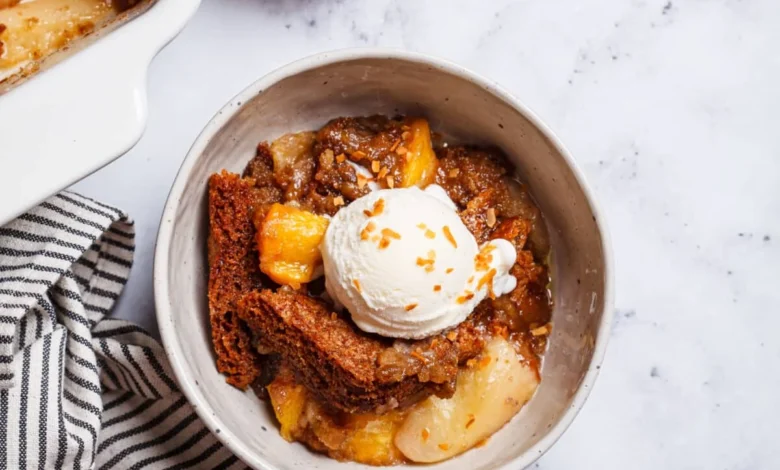
The culinary landscape of American home baking often finds its most cherished traditions rooted in resourcefulness, and the homemade peach cobbler stands as a definitive testament to this heritage. Characterized by a warm, bubbling, sweet fruit base tucked beneath a tender, buttery, golden crust, this classic dessert has maintained its status as a cornerstone of comfort food for generations. Unlike elaborate pastry arts that demand precise rolling pins, chilled dough disks, and intricate crimping techniques, the peach cobbler offers an approachable yet deeply satisfying alternative. By spooning a simple biscuit or batter topping directly over freshly sliced fruit, home bakers can achieve a rustic, artisanal presentation that highlights the vibrant, natural flavors of seasonal produce. Culinary historians trace the roots of the cobbler back to early British American settlers who, lacking the proper equipment and ingredients to replicate traditional British suet puddings or deep-dish pies, improvised with biscuit-like dough dropped over stewed fruits in deep cast-iron skillets.
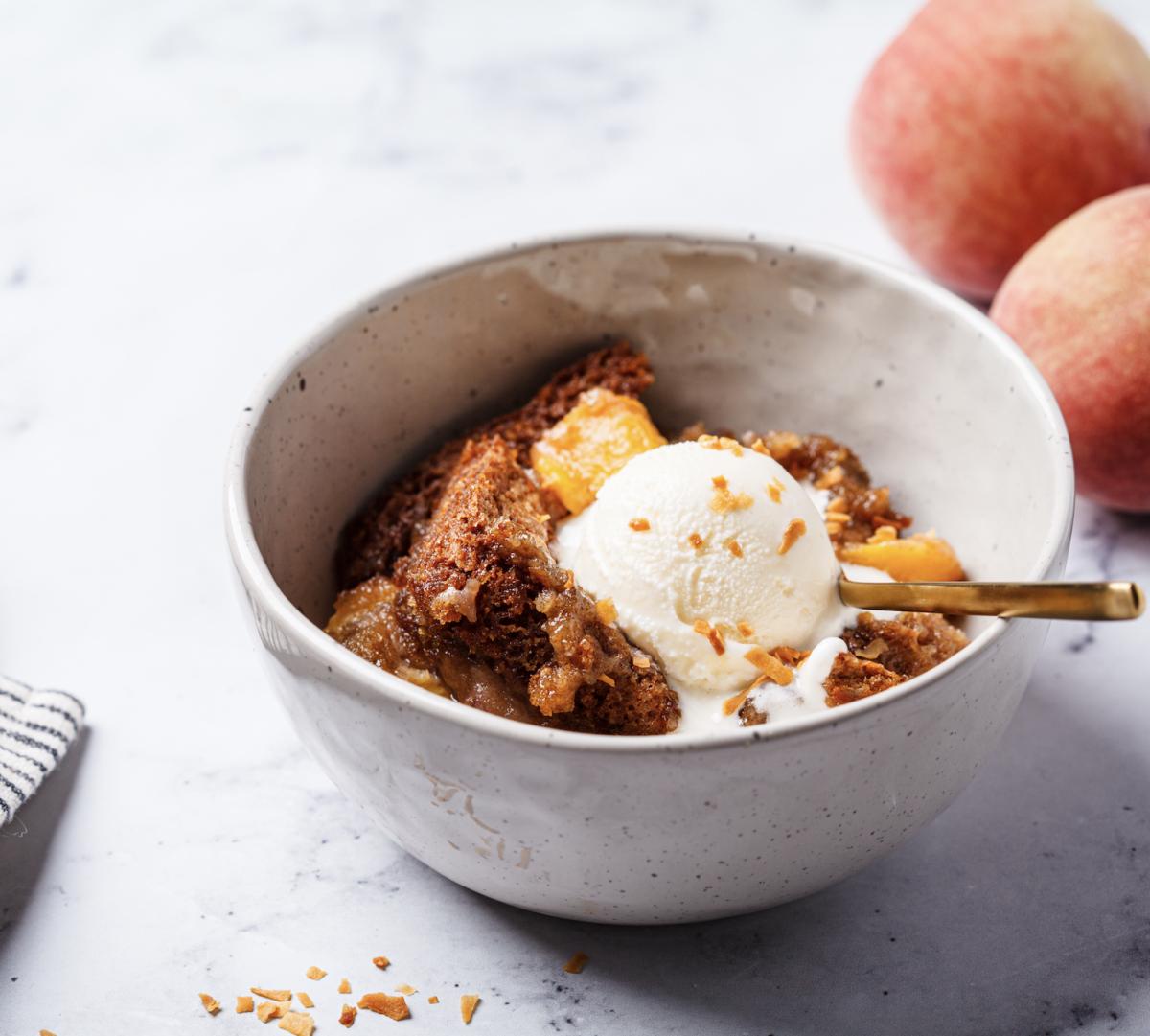
The mechanics of a successful peach cobbler rely heavily on the precise balance between the moisture of the fruit and the structural integrity of the topping. Professional pastry chefs emphasize that the integrity of the dessert begins long before the baking dish enters the oven; it starts with the careful selection and preparation of the fruit. Ripe summer peaches, harvested at the peak of their season, provide the optimal concentration of natural sugars and aromatic compounds required to develop a deeply flavorful filling. When fresh peaches are unavailable, commercial frozen or properly drained canned alternatives serve as viable substitutes, provided that adjustments are made for excess liquid and residual preservatives. To prevent the dreaded outcome of a watery or runny dessert—a common pitfall attributed to the high water content of stone fruits—culinary standards dictate the incorporation of thickening agents such as cornstarch, alongside a vigilant observation of baking cues, ensuring the filling reaches a rolling bubble that activates the starch’s thickening properties.
Achieving the ideal textural contrast between the jammy, syrupy fruit and the pillowy, absorbent crust requires adherence to specific technical protocols. Foremost among these is the management of dairy fats within the dough. Keeping the butter rigorously cold ensures that as the cobbler bakes, pockets of steam are created within the topping, yielding a lighter, flakier mouthfeel. Furthermore, restraint during the mixing phase is paramount; overworking the batter or dough activates gluten development, transforming an otherwise delicate and tender crust into a dense, bread-like layer. Culinary experts also advise leaving strategic gaps in the topping during assembly, exposing portions of the fruit to the dry oven heat. This intentional design allows steam to vent efficiently from the bubbling juices below, preventing sogginess and encouraging the formation of deeply caramelized, chewy edges along the perimeter of the baking vessel.
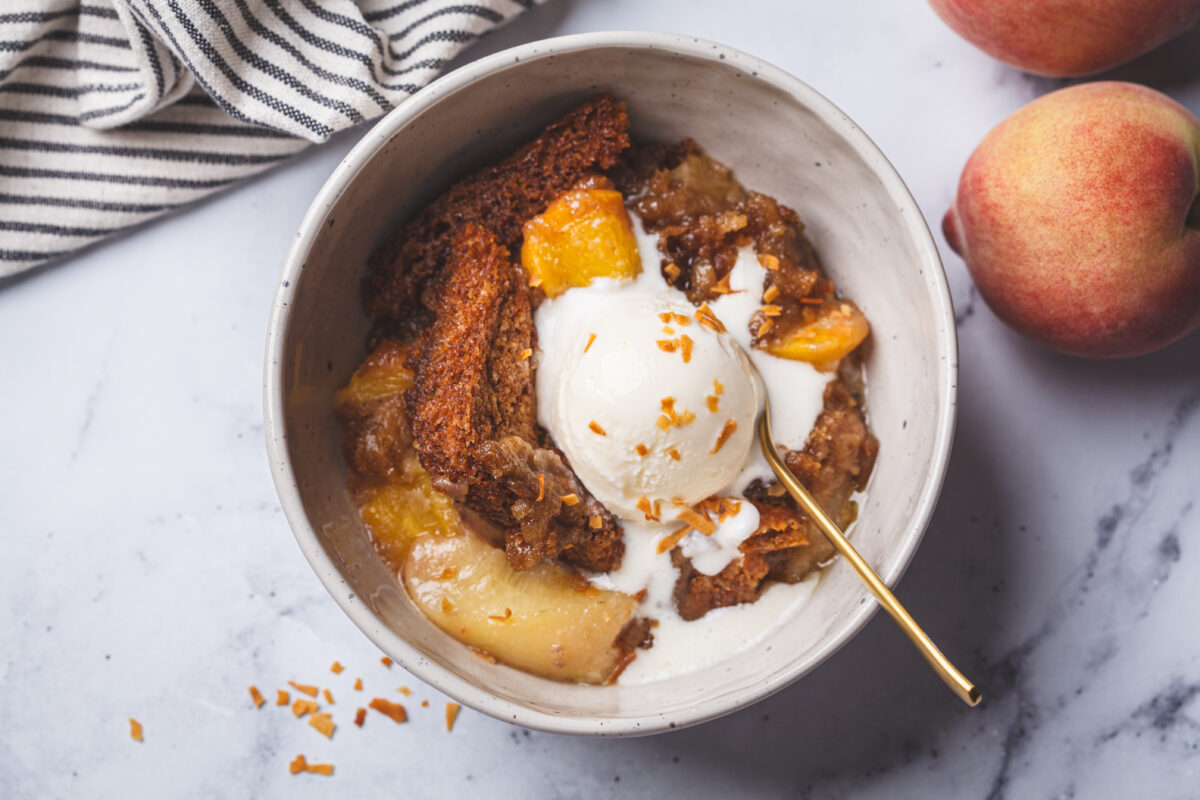
Beyond the classic iteration featuring purely yellow or white freestone peaches, the culinary versatility of the cobbler format has invited extensive regional and personal experimentation. Home cooks frequently incorporate secondary stone and berry fruits to modify acidity and color profiles, pairing peaches with tart raspberries, earthy blackberries, or plump blueberries. Flavor aromatics such as freshly grated ginger, almond extract, increased quantities of Ceylon cinnamon, or a dusting of toasted pecans and rolled oats offer contemporary upgrades to the baseline recipe. Dietary adaptations have also expanded the accessibility of the dessert, with modern kitchen testing validating successful substitutions including gluten-free flour blends, plant-based dairy-free butter alternatives, and reduced-sugar formulations tailored to naturally sweet, tree-ripened fruit yields.
The logistical advantages of peach cobbler make it a favored menu item for large family gatherings, casual summer dinners, and community potlucks. The components of the dish can be prepared several hours in advance—with the sliced fruit tossed in sugar and thickeners and the dry and wet ingredients for the topping measured separately—before final assembly and baking shortly prior to service. For long-term meal planning, fully baked cobblers demonstrate remarkable freezer stability, retaining their core structural integrity and flavor profile for up to three months when wrapped tightly in moisture-resistant materials. Reheating procedures recommend a moderate oven temperature of 325 degrees Fahrenheit to gradually warm the center while re-crisping the exterior surface of the crust, ensuring that leftover portions approximate the sensory experience of a freshly baked dessert.
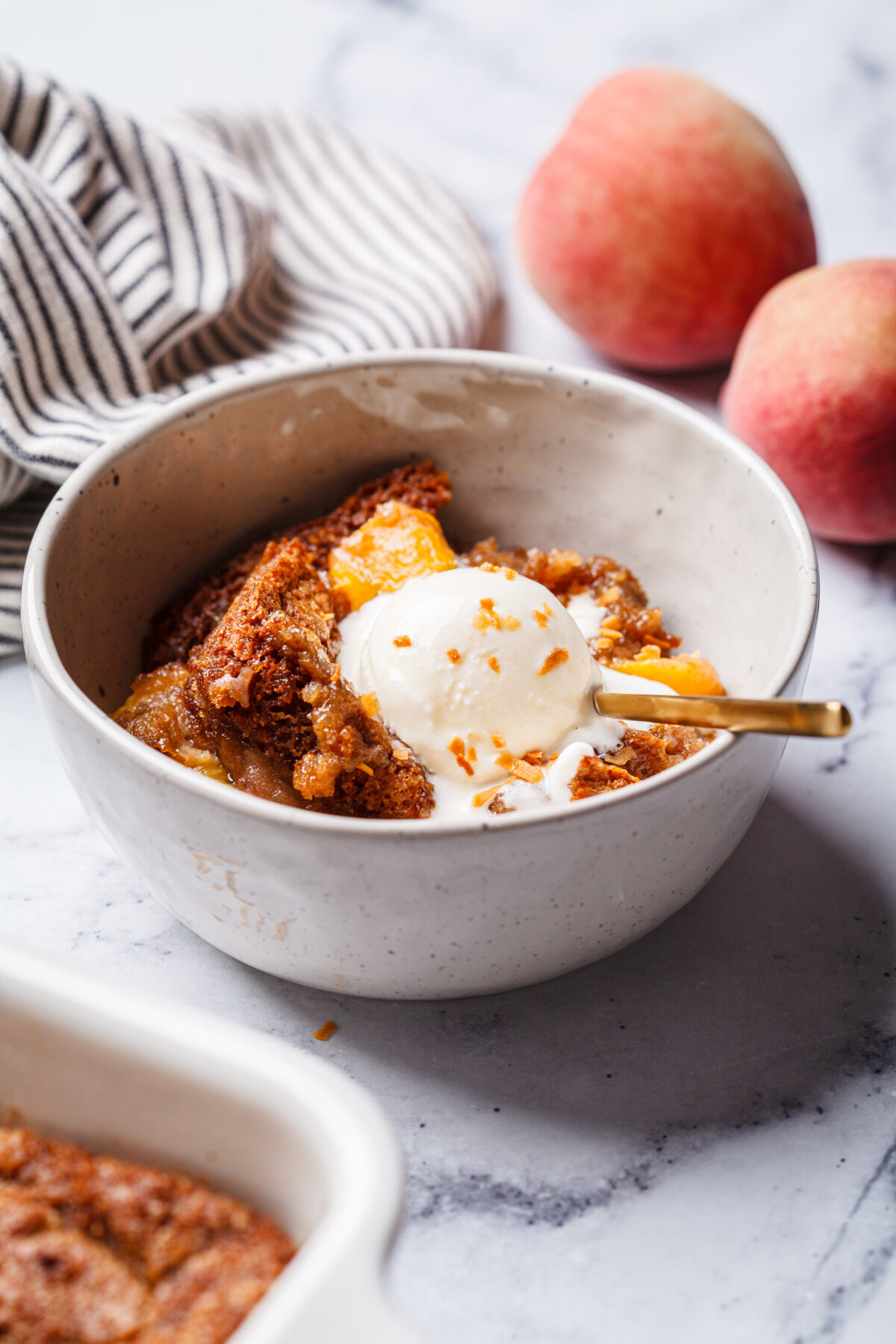
Nutritional and economic analyses of baking from scratch underscore the enduring appeal of fruit-based desserts within modern household budgets. Utilizing seasonal produce aligns with broader consumer trends favoring whole-food ingredients and minimized reliance on highly processed, commercial convenience foods. While traditional recipes incorporate standard granulated sugars and all-purpose flour, the intrinsic nutritional value of peaches—notable for supplying dietary fiber, vitamin C, potassium, and antioxidants—provides a health-conscious justification for its inclusion in family meal plans. When served warm alongside a moderate portion of vanilla bean ice cream or freshly whipped cream, the homemade peach cobbler bridges the gap between indulgent gastronomy and nostalgic, home-style hospitality, securing its perpetual place in the canon of American baking classics.