The Ultimate 15-Minute Caramelized Cinnamon Maple Apple Slices Recipe for Cozier Mornings and Desserts

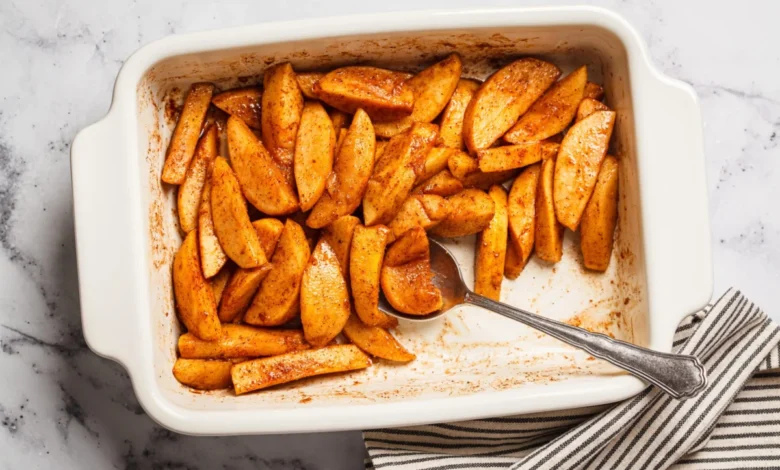
The culinary landscape of autumn and winter comfort food often points toward complex, time-consuming baked goods that require hours of preparation, proofing, and baking. However, modern culinary trends and nutritional data consistently emphasize a growing consumer preference for quick, nutrient-dense, and minimally processed sweet treats that can be executed in under twenty minutes. Enter the 15-minute caramelized cinnamon maple apple slices—a remarkably versatile preparation that bridges the gap between wholesome breakfast topping and indulgent evening dessert. Utilizing fundamental pantry staples such as pure maple syrup, ground cinnamon, and fresh apples, this single-skillet preparation has rapidly gained traction among busy home cooks, culinary enthusiasts, and health-conscious families seeking to elevate everyday meals without refined sugars.
Culinary Origins and the Evolution of Quick Fruit Desserts
The technique of sautéing fruit in butter and natural sweeteners has deep historical roots across European and North American baking traditions. Historically, apples were preserved, stewed, or baked for hours to achieve the tender texture associated with traditional pies and crumbles. However, the contemporary shift toward fast-paced lifestyles has necessitated a re-engineering of these classic flavor profiles.
During the mid-to-late 20th century, convenience foods dominated household kitchens, often relying on canned apple fillings laden with high-fructose corn syrup, artificial thickeners, and preservatives. In response to a broader public health movement advocating for clean-label eating, the culinary world has experienced a significant renaissance in fresh-ingredient cooking. Nutritionists and food scientists have increasingly promoted the use of unrefined sweeteners like pure maple syrup, which contains trace minerals and antioxidants compared to processed white sugar. By applying controlled medium heat to fresh apple slices tossed in healthy fats and spices, home cooks can achieve a natural caramelization process through the reduction of natural fruit sugars and maple syrup, eliminating the need for artificial additives entirely.
Nutritional Profile and Health Implications
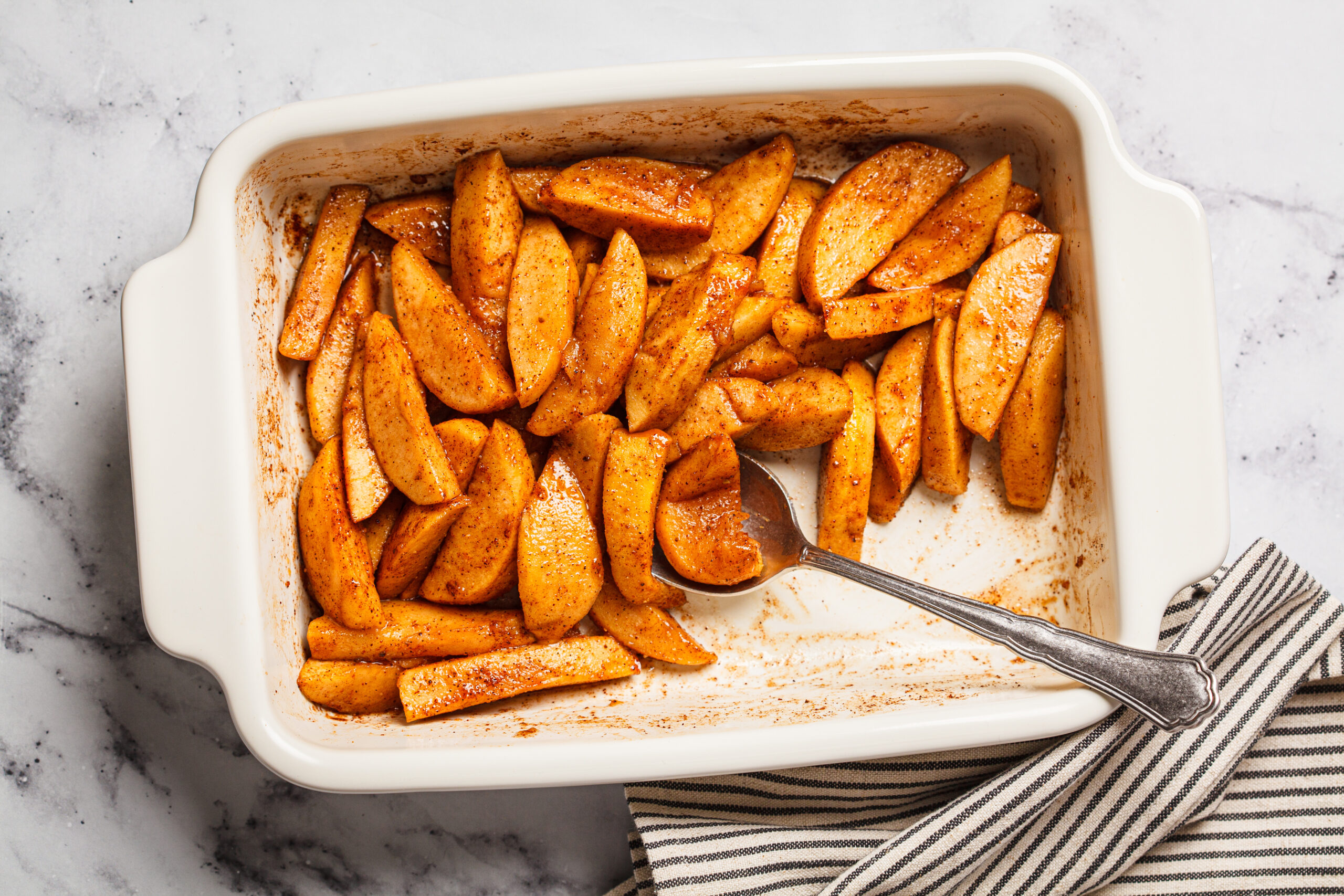
From a dietary standpoint, apples remain one of the most thoroughly researched and nutritionally complete fruits available year-round. Rich in soluble fiber—specifically pectin—apples contribute significantly to cardiovascular health, digestive regularity, and the maintenance of stable blood glucose levels. When prepared in a skillet with pure maple syrup and cinnamon, the nutritional value of the fruit is largely preserved, provided that excessive fats and sugars are omitted.
Ground cinnamon, a primary component of this recipe, has been the subject of numerous biochemical studies investigating its potential anti-inflammatory properties and its role in improving insulin sensitivity. Meanwhile, pure maple syrup offers a lower glycemic index compared to table sugar, meaning it causes a slower, more gradual rise in blood sugar levels.
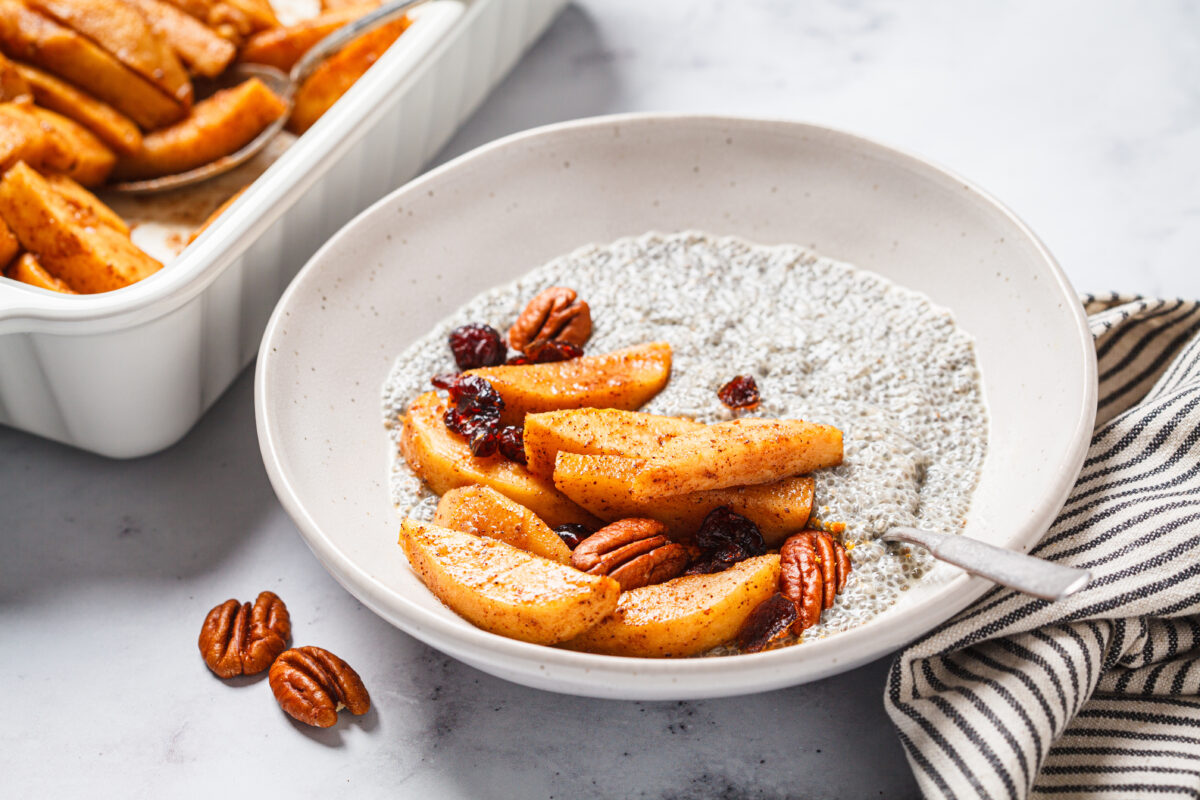
For households managing dietary restrictions, this recipe presents an inherently gluten-free, vegetarian, and easily adaptable option. The inclusion of optional mix-ins, such as raw pecans and dried cranberries, further enhances the nutritional matrix by introducing plant-based omega-3 fatty acids, healthy monounsaturated fats, and additional dietary fiber. This makes the dish suitable for a wide variety of dietary frameworks, ranging from clean eating and paleo to general heart-healthy meal planning.
Chronology of Preparation: A Step-by-Step Culinary Timeline
Achieving the ideal texture in caramelized apple slices requires strict adherence to timing and temperature control. A breakdown of the 15-minute preparation window illustrates the efficiency of the method:
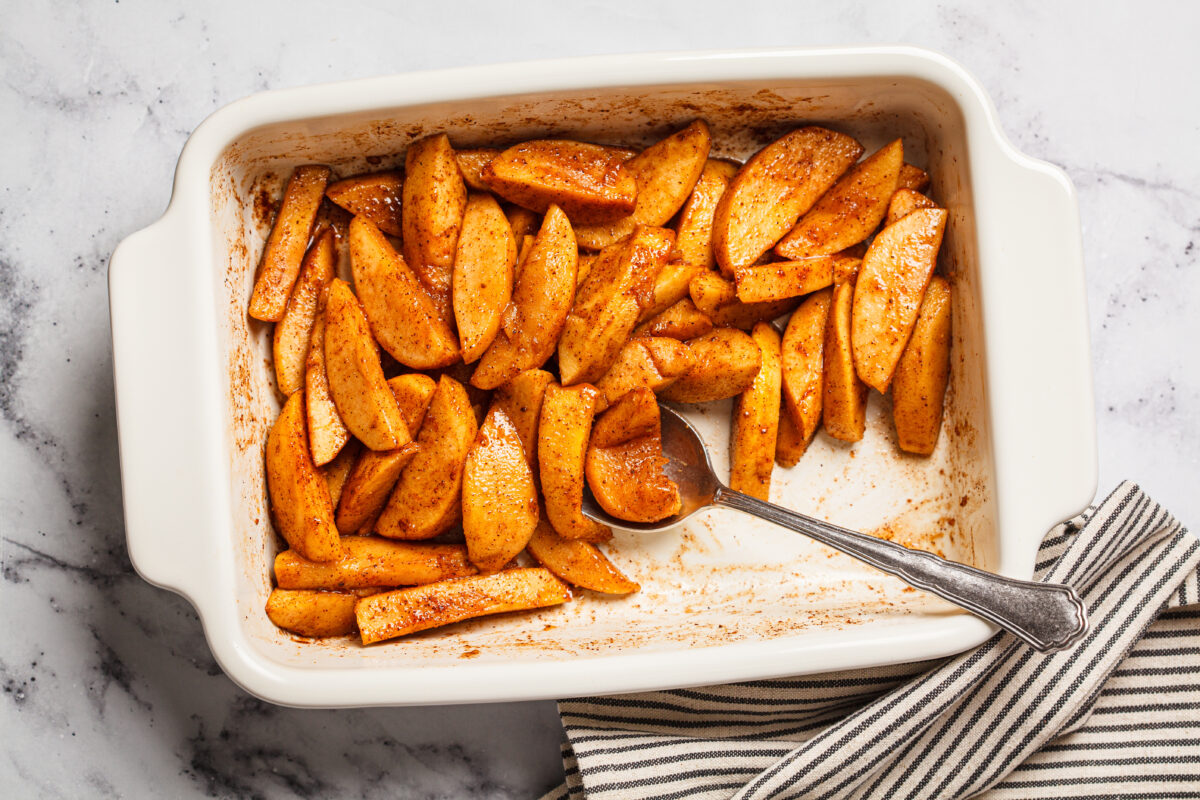
- Minutes 0 to 5 (Selection and Prep): The process begins with the careful selection of firm apple varieties such as Granny Smith, Honeycrisp, or Braeburn. The fruit is washed, cored, and sliced uniformly to approximately one-quarter-inch thickness. Uniformity is critical; slices that vary wildly in size will cook unevenly, leading to some pieces turning to mush while others remain raw.
- Minutes 5 to 10 (The Initial Sauté): The skillet is heated to medium, and a small amount of butter or a plant-based alternative is melted. The apple slices are introduced to the pan, immediately coated in the fat, and tossed with ground cinnamon. This phase allows the exterior of the apples to begin softening while absorbing the aromatic spices.
- Minutes 10 to 13 (Caramelization): Pure maple syrup is drizzled over the warming apples. As the temperature rises, the water content in the maple syrup and the natural juices of the apples begin to reduce. The sugars thicken, coating the slices in a glossy, rich glaze without burning.
- Minutes 13 to 15 (Optional Additions and Finishing): If utilizing optional mix-ins, chopped pecans and dried cranberries are folded into the skillet during the final two minutes. This brief exposure allows the pecans to toast lightly, releasing their natural oils and enhancing their nutty crunch, while the cranberries plump up slightly from the surrounding warmth.
Versatility and Integration into Daily Meal Planning
One of the primary drivers behind the widespread popularity of caramelized apple slices is their adaptability across multiple meal categories throughout the day. Culinary experts and food stylists note that the dish functions equally well as a savory-sweet breakfast enhancement and a decadent dessert component.
In the morning hours, these warm apples can be folded directly into steel-cut oats or overnight chia seed pudding, providing a natural source of sweetness that eliminates the need for brown sugar or artificial syrups. They also serve as an exceptional topping for Greek yogurt parfaits layered with crunchy granola, or as a warm, comforting addition to weekend pancakes and waffles.
For evening dining, the transition from breakfast to dessert is seamless. Spooned generously over a scoop of artisanal vanilla bean ice cream, the contrasting temperatures of hot, spiced fruit and cold, creamy dairy create a classic dessert experience that rivals complex restaurant-style presentations. Alternatively, they can be served alongside pork chops or roasted poultry, tapping into the historic culinary tradition of pairing fruit with savory proteins.
Expert Recommendations and Storage Protocols
To ensure consistent results, professional recipe developers emphasize several key techniques. First, maintaining medium heat is vital; cooking the apples over excessively high heat will scorch the maple syrup and ruin the delicate flavor profile of the fruit. Second, choosing the right apple variety dictates the final balance of sweetness and tartness. Tart varieties like Granny Smith balance the rich sweetness of the maple syrup, while sweeter varieties like Fuji or Gala require a lighter hand with the syrup.
For those preparing batches in advance, proper storage is essential. Once cooled completely, the caramelized apple slices can be transferred to an airtight glass or plastic container and refrigerated for up to four days. Reheating is easily accomplished via a stovetop skillet over low heat or through brief intervals in a microwave. Notably, the chilled leftovers also maintain their structural integrity well, making them an excellent meal-prep addition for cold breakfast bowls and yogurt toppings eaten straight from the refrigerator.
Broader Economic and Consumer Trends
The enduring appeal of recipes like caramelized cinnamon maple apples reflects a broader shift in consumer behavior toward home cooking and scratch-made comfort foods. Following years of fluctuating supply chain costs and rising dining-out expenses, households increasingly turn to accessible, budget-friendly ingredients that yield restaurant-quality results at home.
Apples remain one of the most economically stable and widely available fruits globally, rendering this recipe accessible across diverse socioeconomic demographics. Furthermore, the emphasis on reducing food waste by utilizing overripe or surplus apples sitting in kitchen fruit bowls aligns perfectly with modern sustainability initiatives championed by environmental and nutritional organizations alike.
Ultimately, the 15-minute caramelized apple dish transcends its simple ingredient list, offering a harmonious blend of nostalgia, nutritional value, and culinary efficiency. Whether utilized as a swift morning remedy for weekday breakfast fatigue or plated as an elegant, rustic dessert, the preparation stands as a testament to the enduring power of simple, whole foods crafted with intention and care.