Mastering the Morning Rush: Why Chicken and Kale High Protein Egg Cups Are Dominating Family Meal Prep Trends

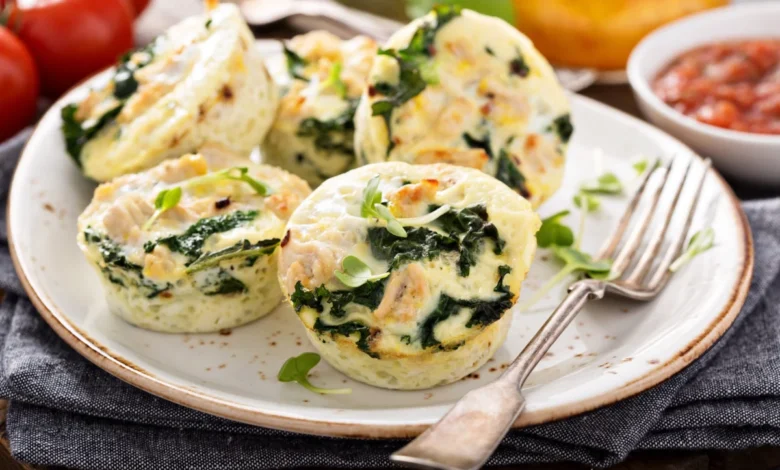
The modern morning routine has increasingly become a high-stakes race against the clock, leaving families searching for nutritional solutions that do not sacrifice quality for convenience. Amidst this culinary landscape, Chicken and Kale High Protein Egg Cups have emerged as a leading strategy in household meal preparation. Designed to be baked simultaneously in a standard muffin pan, these individualized portions offer a systematic approach to dietary management, blending high-density protein with nutrient-rich vegetables to sustain energy levels across both adults and children throughout the morning hours.
Nutritional Science and the Rise of Protein-Forward Breakfasts
Nutritional experts and pediatric dietitians have long emphasized the importance of front-loading protein consumption to stabilize blood glucose levels and maintain satiety. Traditional breakfast staples—often dominated by refined carbohydrates such as cereals, pastries, and white toast—frequently lead to mid-morning energy crashes. In response, culinary trends have shifted toward savory, protein-centric alternatives.
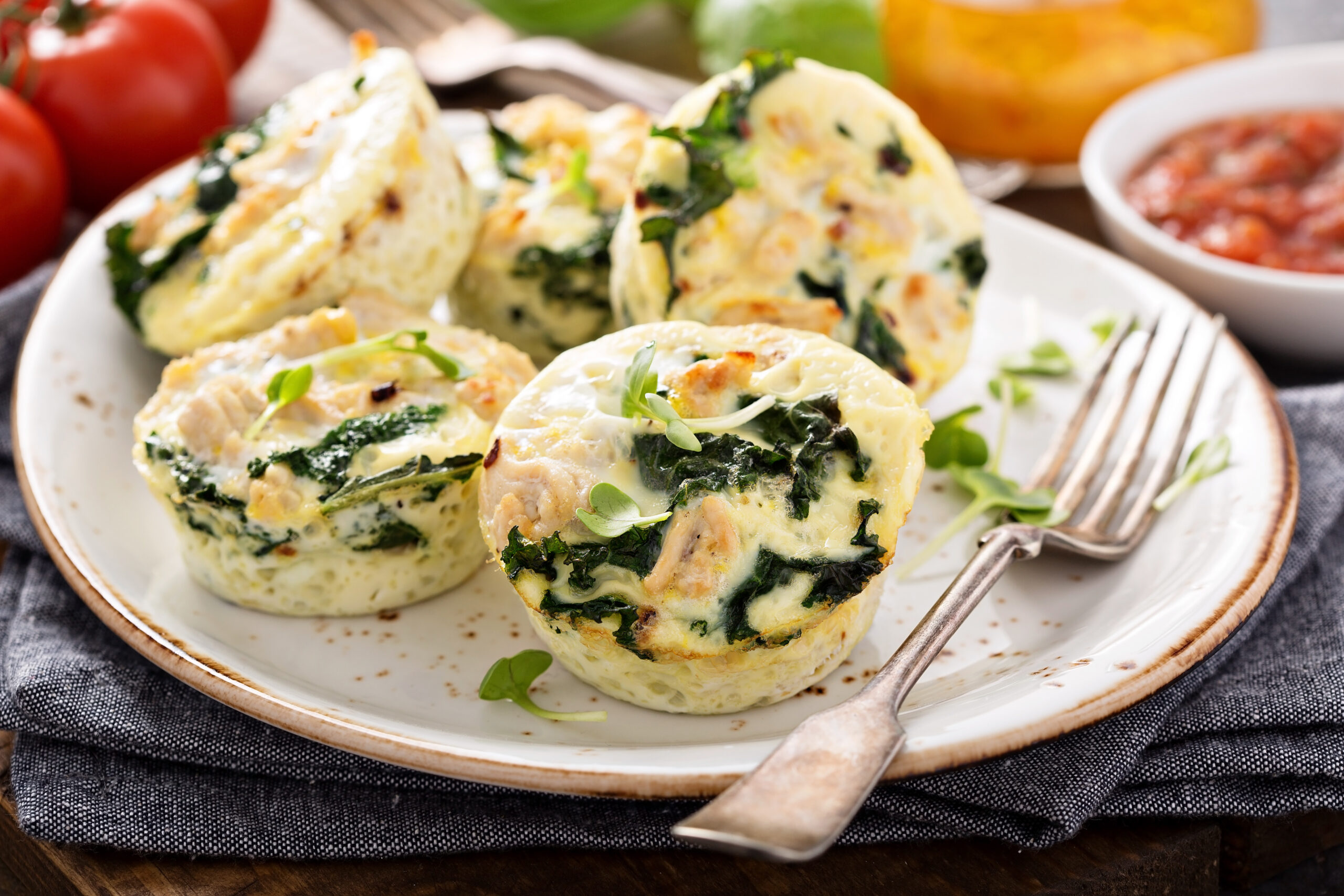
The formulation of these egg cups relies on a strategic matrix of protein sources. By combining whole eggs, liquid egg whites, cottage cheese, diced chicken, and cheddar cheese, a single serving delivers a substantial amino acid profile. According to dietary data, incorporating protein sources early in the day helps stimulate peptide YY and GLP-1, hormones responsible for signaling fullness to the brain. Consequently, families utilizing these pre-baked portions report sustained focus during school and work hours, reducing reliance on processed morning snacks.
The Culinary Innovation: Incorporating Cottage Cheese for Texture and Nutrition
A defining characteristic of this recipe is the integration of cottage cheese, a dairy product undergoing a significant resurgence in modern cooking. Historically viewed as a standalone diet food, cottage cheese is now frequently utilized as a functional ingredient in baking.
When blended directly with the eggs and egg whites prior to baking, cottage cheese dissolves into a smooth emulsion. This culinary technique yields several distinct advantages:
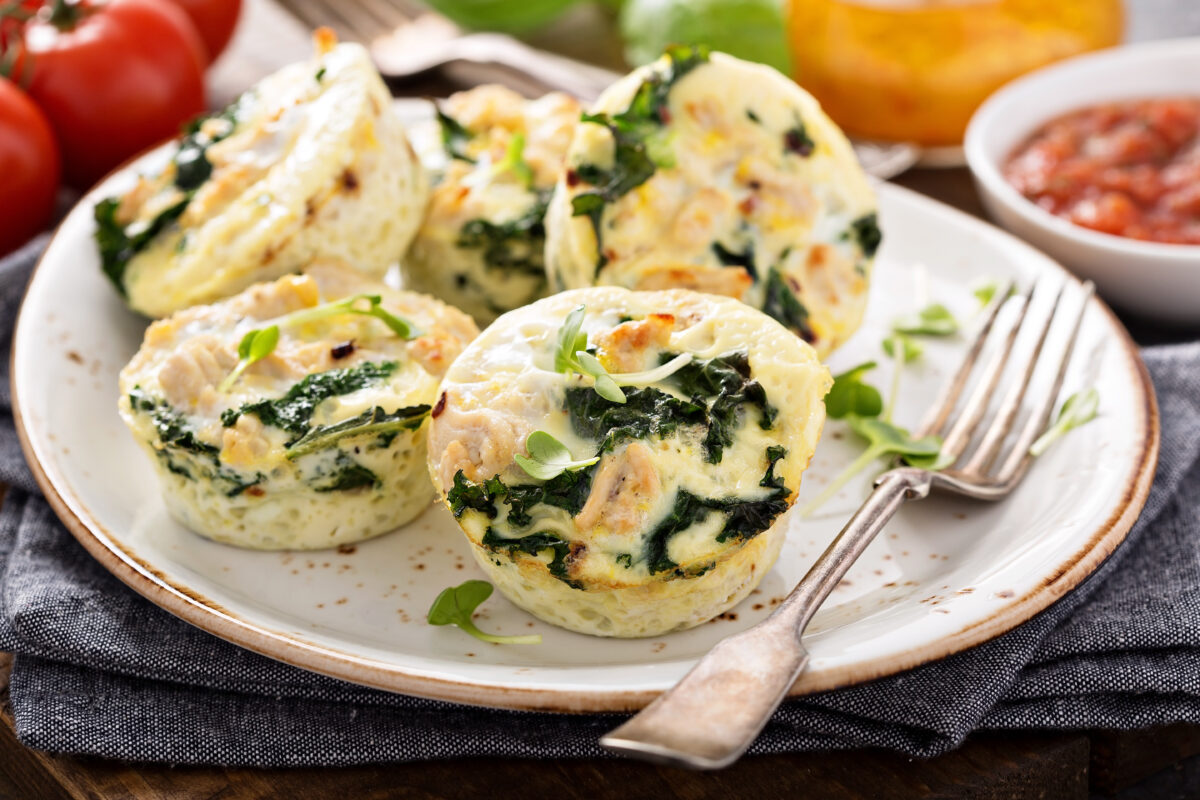
- Moisture Retention: Eggs inherently risk drying out or taking on a rubbery consistency when subjected to prolonged oven heat. The moisture and fat content within cottage cheese act as a natural buffer, ensuring a tender, velvety crumb.
- Enhanced Protein Density: Without altering the fundamental flavor profile, cottage cheese significantly boosts the overall protein yield per serving.
- Texture Camouflage for Children: Many children exhibit a strong aversion to the distinct curd texture of traditional cottage cheese. Blending the ingredient removes this visual and tactile barrier, allowing young eaters to consume the nutritional benefits undetected.
Chronology of Preparation and Implementation
Implementing a successful meal-prep regimen requires efficient kitchen management. The lifecycle of preparing a batch of Chicken and Kale High Protein Egg Cups typically spans a 35-minute window, structured into distinct operational phases:
- Preparation Phase (15 Minutes): The process begins with preheating the oven and thoroughly greasing a muffin tin or inserting silicone baking liners. Fresh kale is meticulously destemmed, finely chopped, and subjected to a brief sautéing process to eliminate excess raw bitterness and reduce water content. Simultaneously, cooked chicken—frequently sourced from leftover grilled proteins, roasted poultry, or rotisserie birds—is diced into uniform, bite-sized pieces.
- Emulsification Phase (5 Minutes): Whole eggs, liquid egg whites, and cottage cheese are combined in a blender or food processor. Seasonings and grated cheddar cheese are incorporated, resulting in a homogenous, aerated batter.
- Assembly Phase (5 Minutes): The chopped chicken and wilted kale are distributed evenly across the individual muffin cups. The blended egg mixture is then poured over the solid ingredients, filling each cavity approximately three-quarters full to accommodate the natural expansion of the eggs during the baking cycle.
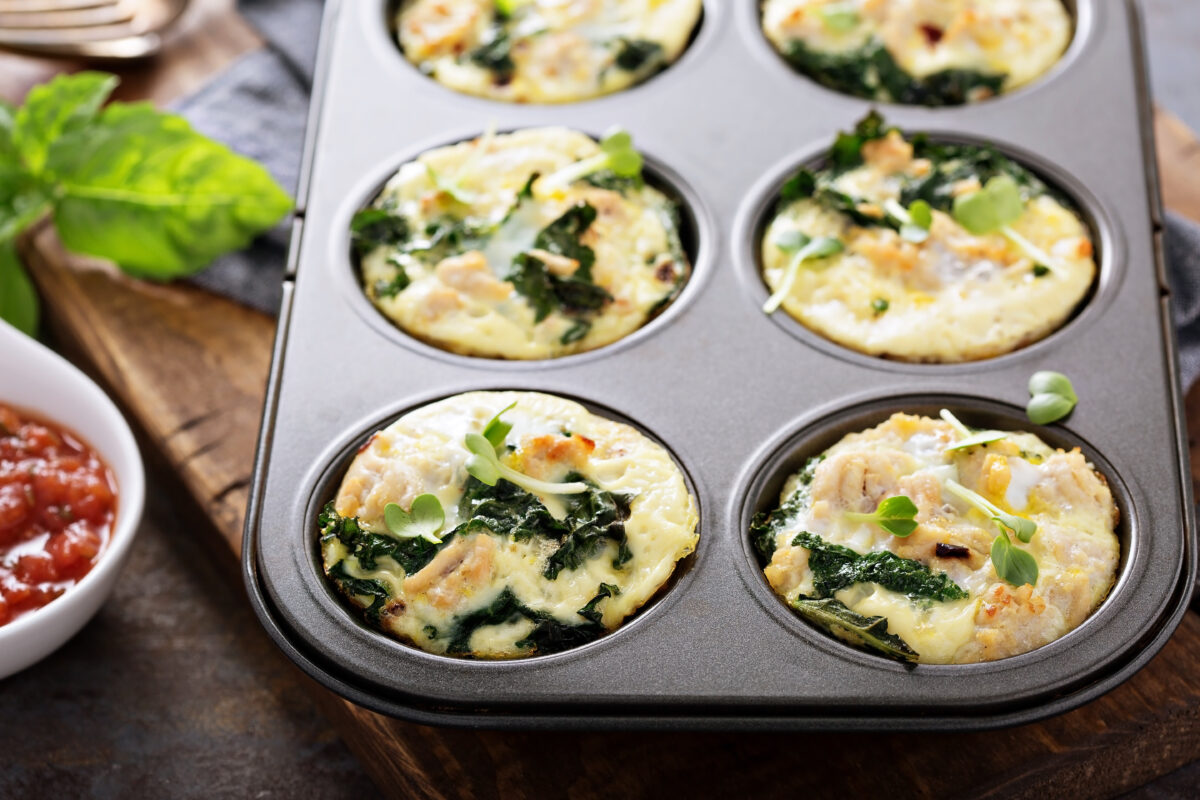
- Thermal Processing (20 Minutes): The muffin pan is placed into a preheated oven. Baking at standard temperatures allows the proteins in the eggs to coagulate uniformly. Bakers are advised to monitor the process closely to avoid overbaking, which compromises the moisture balance.
- Cooling and Setting (5 Minutes): Upon removal from the heat source, the egg cups must rest undisturbed within the pan. This cooling period allows the internal structure to firm up, facilitating seamless extraction without structural failure.
Storage Dynamics and Food Safety Protocols
For households prioritizing efficiency, the storage and preservation capabilities of these egg cups dictate their viability as a weekly staple. Once cooled entirely to room temperature, the portions can be transferred to airtight storage containers.
Food safety guidelines recommend the integration of absorbent paper towels placed at the base and top of the storage vessel. This mechanical intervention mitigates condensation buildup caused by residual ambient heat, a primary factor in preventing the egg cups from acquiring a soggy texture. Stored under proper refrigeration at or below 40°F (4°C), the egg cups remain commercially and culinary viable for up to four days.
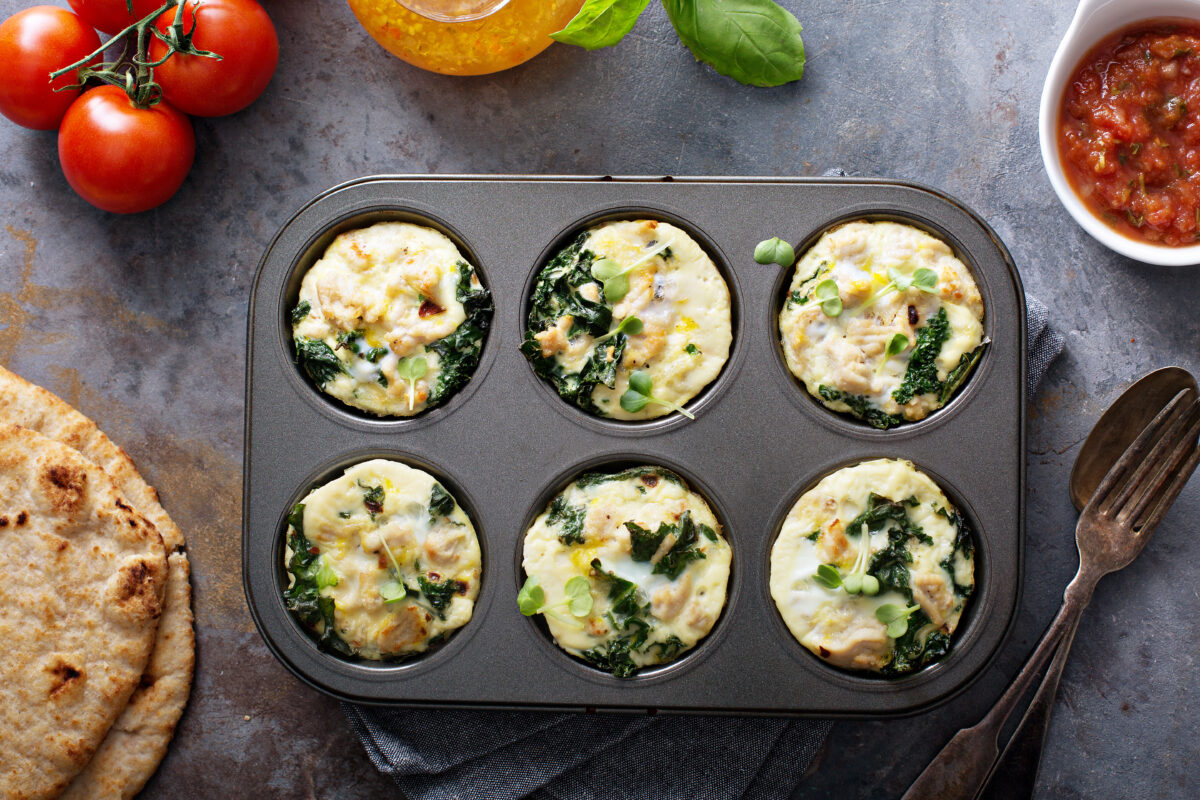
For extended shelf life, the freezing process provides a two-month window of utility. Best practices dictate a flash-freezing method: placing the cooled egg cups in a single layer on a baking sheet until solid before transferring them to a heavy-duty freezer-safe bag. This prevents the individual units from adhering to one another, allowing consumers to retrieve exact quantities as needed. Reheating protocols require either rapid microwave defrosting at reduced power intervals or traditional thermal restoration via a toaster oven or standard oven heated to 325°F.
Culinary Customization and Dietary Adaptability
The versatility of the base recipe has contributed significantly to its widespread adoption across diverse demographic groups. While the standard iteration utilizes chicken and kale, the foundational framework accommodates numerous dietary restrictions and flavor profiles:
- Protein Substitutions: Poultry alternatives such as lean ground turkey, turkey sausage, or leftover holiday roast can seamlessly replace the chicken without altering structural ratios.
- Vegetable Variations: Individuals seeking alternatives to leafy greens frequently substitute sautéed baby spinach, finely steamed and drained broccoli florets, or caramelized bell peppers and mushrooms.
- Dairy Flexibility: Cheddar cheese can be substituted with mozzarella, Monterey Jack, Swiss, feta, or Parmesan depending on flavor preferences.
Furthermore, the recipe is inherently gluten-free and grain-free, aligning with the dietary parameters of consumers managing celiac disease or adhering to low-carbohydrate nutritional plans. When paired with complementary sides—such as whole-grain toast, sliced fresh fruit, or integrated into a toasted English muffin as a breakfast sandwich—the dish bridges the gap between fast-food convenience and wholesome, home-cooked nutrition.
Broader Socioeconomic Implications of Home Meal Prep
The popularity of structured breakfast prep reflects broader shifts in consumer behavior driven by economic pressures and time poverty. With the cost of dining out continuing to rise, households are increasingly turning inward to manage food expenditures while simultaneously reclaiming control over ingredient quality.
Public health analysts note that pre-packaged commercial breakfast options often contain elevated sodium levels, chemical preservatives, and hidden sugars. By utilizing whole-food ingredients—such as fresh eggs, lean poultry, and leafy vegetables—families can drastically reduce their sodium intake while maximizing nutrient bioavailability. As nutritional literacy expands, standardized meal-prep solutions like high-protein egg cups demonstrate how modern domestic kitchens adapt functional culinary science to meet the demands of contemporary life.
Related posts: