National Diabetes Awareness Month Spotlights the Invisible Realities and Technological Triumphs of Type 1 Diabetes

Type 1 diabetes (T1D) remains one of the most widely misunderstood and structurally invisible chronic conditions in modern public health. While exterior appearances often suggest a life of normalcy, individuals navigating the condition carry a continuous, round-the-clock cognitive and physiological burden. This November, in observance of National Diabetes Awareness Month (NDAM), advocacy groups, medical professionals, researchers, and high-profile athletes are joining forces to elevate public awareness. Spearheaded by organizations such as Breakthrough T1D—formerly known as JDRF—the annual campaign seeks to pull back the curtain on the daily realities of the autoimmune condition, highlighting both the relentless challenges of management and the monumental strides achieved through medical innovation and community solidarity.
Understanding Type 1 Diabetes: Pathophysiology and Public Health Scope
Unlike Type 2 diabetes, which is frequently associated with insulin resistance and lifestyle factors, Type 1 diabetes is an autoimmune disease with no known environmental or behavioral prevention. The condition occurs when the body’s immune system mistakenly attacks and destroys the insulin-producing beta cells in the pancreas. Consequently, the pancreas ceases to produce insulin, the critical hormone required to convert glucose from food into cellular energy.
To survive, individuals diagnosed with T1D must artificially administer insulin daily—either through multiple daily injections via syringes or pens, or by utilizing an automated insulin pump. Furthermore, they must constantly monitor their blood glucose levels to prevent life-threatening medical emergencies, such as severe hyperglycemia (dangerously high blood sugar) or hypoglycemia (dangerously low blood sugar), both of which can lead to unconsciousness, organ damage, or death if left untreated.
Epidemiological data underscores the extensive reach of the condition. According to the International Diabetes Federation (IDF) and the Centers for Disease Control and Prevention (CDC), millions of people worldwide live with T1D, with tens of thousands of new diagnoses occurring annually among both pediatric and adult populations. Despite its prevalence, public perception is frequently clouded by a general conflation of T1D with Type 2 diabetes, leading to societal misconceptions regarding diet, personal culpability, and treatment protocols. Campaigns like NDAM serve as vital countermeasures, educating the broader public and driving legislative support for research funding aimed at uncovering disease-modifying therapies and, ultimately, a biological cure.
The Evolution of Diabetes Management: A Technological Revolution
The lived experience of managing Type 1 diabetes has undergone a radical transformation over the past few decades, shifting from a game of clinical guesswork to an era of high-precision bio-wearables. Historically, patients relied heavily on routine finger-prick blood tests using traditional glucose meters—often performed multiple times a day—combined with rigid meal planning and manual calculations for insulin dosages.
Today, the integration of advanced medical technology has revolutionized this daily routine. Continuous Glucose Monitors (CGMs)—small, coin-sized sensors inserted just beneath the skin—measure interstitial glucose levels in real-time, transmitting data directly to smartphones or dedicated receivers. These devices provide continuous trend arrows and customizable alarms that warn users of impending blood sugar spikes or dangerous drops, even while they sleep.
Concurrently, automated insulin delivery (AID) systems, often referred to as hybrid closed-loop systems, have bridged the gap between CGMs and insulin pumps. These systems utilize algorithms to adjust insulin delivery automatically based on real-time CGM readings, significantly reducing the cognitive fatigue associated with manual dosing.
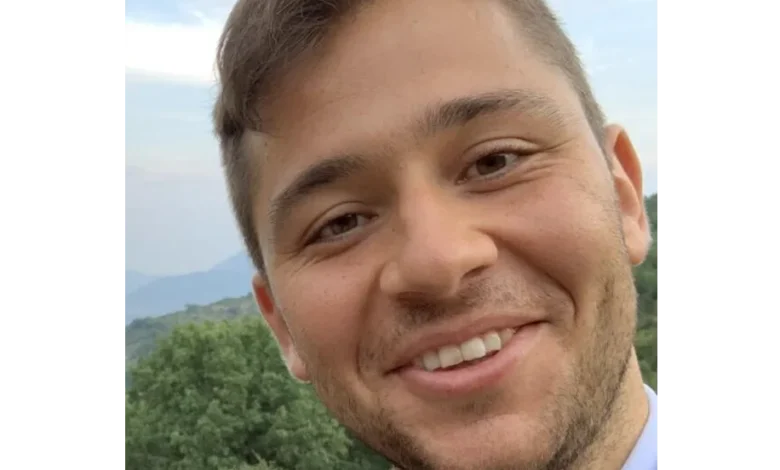
Medical professionals and researchers who live with the condition firsthand offer a unique perspective on this technological leap. Dr. Camillo Bechi Genzano, a Breakthrough T1D-funded researcher who was diagnosed with T1D at the age of 12, reflects on how far the medical landscape has advanced.
"I remember all the struggles before continuous glucose monitors and insulin pumps," Dr. Bechi Genzano notes. "The life of people with this disease has dramatically improved over the past few years, and it’s going to improve further as we go."
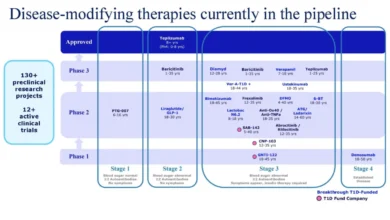
Dr. Bechi Genzano’s dual identity as both a medical researcher and a patient highlights a growing trend within the scientific community: individuals with lived experience are increasingly driving the innovations designed to treat and cure their own conditions. His current work focuses on exploring disease-modifying therapies—treatments designed to halt or slow the autoimmune destruction of beta cells in newly diagnosed individuals, thereby preserving residual insulin production.
The Mental and Emotional Toll: Beyond the Numbers
While medical hardware has undoubtedly streamlined the physical logistics of diabetes management, the invisible psychological weight remains a formidable adversary. Unlike many other chronic illnesses, T1D requires the patient to act as their own pancreas 24 hours a day, 365 days a year. Every physiological variable—including macronutrient intake, physical exertion, emotional stress, hormonal fluctuations, and sleep quality—directly impacts blood glucose levels.
Yousra Omer, a Senior Coordinator of Health Policy at Breakthrough T1D who also lives with the condition, emphasizes the unpredictable nature of physiological responses.
"Part of managing diabetes is trying to expect the unexpected; everything impacts T1D, from food to stress to exercise to sleep," Omer explains. "Even if I do the exact same things every single day, my blood sugars would still be different, which doesn’t mean I am doing something wrong."
This sentiment captures the psychological phenomenon known in the clinical community as "diabetes burnout." The relentless demand for vigilance can lead to feelings of anxiety, depression, and frustration when blood glucose levels fluctuate despite meticulous planning. Recognizing this emotional dimension, diabetes advocates increasingly emphasize mental health support alongside endocrinological care.
Jessie Stover, Development Manager of the Breakthrough T1D Indiana Chapter, who has lived with T1D since she was two years old, advocates for a balanced approach to the emotional journey of chronic illness.
"Celebrate your diaversary, bedazzle your Omnipod, rock your fun patterned tapes, celebrate with diabesties," Stover advises. "Find little ways to bring joy into it, but also take the time to feel the bad days. Take the time to learn how to let the good and bad coexist."
Representation and Ambition: Redefining Limits in Professional Sports
Public visibility plays a critical role in dismantling stereotypes about what individuals with Type 1 diabetes can achieve. For decades, outdated medical advice often discouraged people with chronic conditions from engaging in rigorous athletic pursuits. Today, high-profile athletes are shattering those archaic boundaries, proving that with proper education, management, and technology, elite athletic performance is entirely compatible with T1D.
Mason Miller, a relief pitcher for the San Diego Padres, received his T1D diagnosis at the age of 20 while navigating the physical demands of collegiate baseball as a Division III athlete. The diagnosis presented a formidable hurdle, forcing Miller to rapidly acquire advanced disease management skills while concurrently pursuing a professional athletic career.
"When I was diagnosed, I was struggling as a D3 pitcher and now I’m pitching in the MLB for the Padres," Miller reflects. "A lot of hard work accompanied getting healthy and educated, but I do feel grateful for the technology that allows me to take such good care of myself."
Miller’s success on the pitcher’s mound serves as a powerful testament to the efficacy of modern diabetes management tools. By normalizing the presence of CGMs and insulin delivery devices in high-stakes professional environments, athletes like Miller provide invaluable representation for younger generations diagnosed with the condition, demonstrating that physical ambition need not be curtailed by a medical diagnosis.
Community Building and the Power of Shared Experience
For newly diagnosed children and their families, the sudden onset of Type 1 diabetes can induce profound isolation. Because the condition is relatively rare compared to Type 2 diabetes, many patients grow up without knowing a single peer who shares their daily routine of carb-counting, site changes, and blood glucose corrections.
Grassroots community initiatives, such as the Breakthrough T1D Walks, aim to combat this isolation by creating physical spaces for connection and mutual support. Alyssa Burns, a participant in the Breakthrough T1D Walk and mother to Carter, a 10-year-old living with T1D, highlights the importance of peer interaction in childhood development and emotional adjustment.
"I wanted to get Carter involved with meeting other people who have type 1 diabetes because we have nobody," Burns shares. "He doesn’t know anybody with type 1, we have no family members. I thought it’d be good for him to get himself out there at the Walk, meet some other kids, and show him that he’s not alone in this."
These community networks extend far beyond emotional comfort; they function as decentralized support systems where practical tips, technological troubleshooting, and empathetic listening are freely exchanged. By fostering these connections, advocacy organizations help build a resilient infrastructure of support that sustains patients and their families through the inevitable highs and lows of the condition.
Broader Implications and the Path Toward Cures
As National Diabetes Awareness Month unfolds, the collective efforts of researchers, policymakers, clinicians, and community advocates converge on a singular, overarching objective: transforming type 1 into type none.
The economic and societal implications of accelerating T1D research are profound. Beyond alleviating the immense psychological burden borne by patients and caregivers, successful disease-modifying therapies and cures would drastically reduce the long-term healthcare expenditures associated with diabetes-related complications, such as cardiovascular disease, nephropathy, neuropathy, and retinopathy.
Current research funded by organizations like Breakthrough T1D spans multiple innovative frontiers, including encapsulation technology to protect transplanted beta cells from immune attack, immunotherapy approaches to halt autoimmune destruction at onset, and next-generation closed-loop artificial pancreas systems.
Yet, researchers emphasize that clinical advancements must be matched by sustained public awareness and advocacy. When the public understands the realities of Type 1 diabetes, policymakers are more likely to prioritize funding for health research, insurance companies are more inclined to expand coverage for life-saving technologies, and communities become safer, more inclusive environments for those who live with the condition.
As campaigns like NDAM continue to amplify individual narratives—from Major League Baseball pitchers to young children attending their first awareness walk—the narrative surrounding T1D shifts from one of limitation to one of resilience, technological triumph, and collective momentum toward a cure.
Related posts: