Cultivating Global Citizens: Why Diverse Classroom Libraries and Black History Month Literature Matter in Early Childhood Education

Early childhood educators across the nation are increasingly recognizing that the foundation of empathy, cultural awareness, and global citizenship begins long before elementary school. In an educational landscape that spans bustling metropolitan hubs and isolated rural communities, the intentional curation of classroom libraries has emerged as a critical pedagogical tool. By introducing preschool-aged children to literature that highlights the contributions, history, and daily experiences of Black Americans, educators are working to bridge geographical divides and foster an environment of inclusivity from the earliest stages of formal learning.

The impetus for diversifying early childhood curricula stems from a growing body of developmental research underscoring the vital role of representation. According to educational specialists and literacy advocates, young children construct their self-image and their understanding of the world largely through the mirrors and windows provided by their environment. When books reflect characters who look like them, children experience a reinforcement of their inherent value and a strengthened sense of belonging. Conversely, when children encounter narratives depicting lives different from their own, they cultivate perspective-taking, respect, and curiosity about the broader human experience.

The Historical and Institutional Evolution of Black History Month in Schools
To understand the integration of Black History Month literature in modern preschools, it is necessary to examine the historical trajectory of the observance itself. Originating in 1926 as "Negro History Week," conceived by historian Carter G. Woodson and the Association for the Study of Negro Life and History, the initiative was designed to institutionalize the teaching of Black history in public education. Woodson selected February to coincide with the birthdays of Abraham Lincoln and Frederick Douglass, two figures central to the emancipation of enslaved Americans.

By 1976, the observance was officially expanded by the United States government to Black History Month, prompting schools nationwide to incorporate African American history into their instructional frameworks. Over the decades, the scope of these educational efforts has evolved significantly. While early iterations often concentrated exclusively on older students and standard biographical figures such as Martin Luther King Jr. or Harriet Tubman, contemporary early childhood frameworks emphasize a more holistic, developmentally appropriate approach. Today, educators integrate historical non-fiction alongside contemporary fiction, ensuring that preschool children engage with themes of justice, perseverance, and everyday joy.

Non-Fiction and Biographical Literature: Introducing Complex Concepts to Young Minds
Introducing historical concepts to children aged three to five requires a delicate balance of simplicity and emotional resonance. Educational experts recommend focusing picture books on foundational human values—such as courage, fairness, perseverance, and community—rather than complex socio-political mechanics. Several non-fiction and biographical picture books have become staples in early childhood classrooms aiming to achieve this balance.

Among these is "Stand Up!" by Brittney Cooper, which profiles ten women who shaped the course of American history through activism. The text seamlessly weaves together foundational Civil Rights figures like Ruby Bridges and Rosa Parks with modern change-makers such as Bree Newsome, providing a continuum of civic engagement. Similarly, Roda Ahmed’s "Mae Among the Stars" chronicles the childhood of Mae Jemison, the first African American woman to travel into space. By emphasizing familial support and unwavering personal ambition, the narrative translates the abstract concept of scientific achievement into a relatable story of perseverance for young learners.

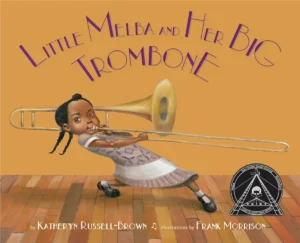
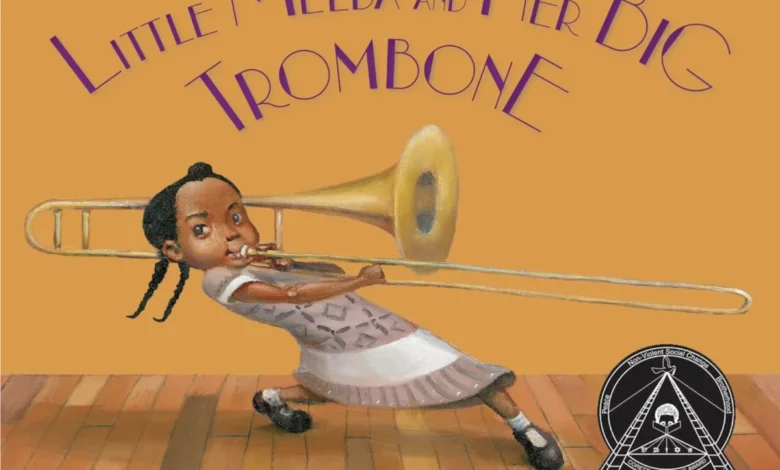
The Civil Rights movement of the 1960s is also addressed in literature tailored for young audiences. Monica Clark-Robinson’s "Let the Children March" recounts the events of the 1963 Birmingham Children’s Crusade, framing the actions of young protesters through a lens of courage and collective efficacy. For older preschool and kindergarten cohorts, works like Katheryn Russell-Brown’s "Little Melba and Her Big Trombone" and Rita Lorraine Hubbard’s "The Oldest Student" (illustrated by Oge Mora)—which tells the true story of Mary Walker learning to read at age 116—demonstrate that resilience and lifelong learning are central themes across American history.

Fiction and Everyday Joy: Expanding the Narrative Beyond Struggle
While historical non-fiction provides essential context regarding the struggle for civil rights, literacy experts stress the equal importance of fictional narratives that portray Black children and families experiencing ordinary moments of joy, creativity, and familial love. Educational researchers note that limiting diverse literature solely to themes of hardship or historical struggle can inadvertently narrow a child’s understanding of a culture.

Works such as Vashti Harrison’s "Big," which explores self-acceptance and the emotional landscape of taking up space, and Matthew A. Cherry’s Academy Award-winning "Hair Love," which celebrates natural hair and father-daughter bonds, offer positive representation rooted in daily life. Similarly, Angela Joy’s "Black is a Rainbow Color," Kaija Langley’s "When Langston Dances," and Oge Mora’s "Saturday" capture the nuances of urban family life, artistic expression, and intergenerational relationships. These texts provide all students—regardless of background—with an expanded vocabulary of human experience, reinforcing the principle that diverse narratives belong in the classroom throughout the entire academic year, rather than being confined to a single month.

Analytical Implications and Institutional Recommendations
The intentional expansion of classroom libraries is supported by major educational organizations, including the National Association for the Education of Young Children (NAEYC). According to NAEYC guidelines, early childhood settings must actively counter bias by providing materials that accurately reflect the diversity of the local and global community.

Data compiled by children’s literature watchdogs, such as the Cooperative Children’s Book Center (CCBC) at the University of Wisconsin-Madison, have historically documented a disparity in the publishing industry regarding books featuring Black, Indigenous, and People of Color (BIPOC) characters. However, steady gains in diverse publishing over the past decade have equipped educators with a richer selection of high-quality titles. Analysts note that when schools invest in these resources, the implications extend beyond literacy rates; they contribute directly to positive racial attitudes among young children, reducing implicit bias before it becomes entrenched.

Broader Impact on Classroom Culture and Community
The integration of inclusive literature yields measurable improvements in classroom climate. Educators report that children who see their experiences validated demonstrate higher engagement levels during group reading activities and show increased empathy toward peers. Furthermore, these literary tools serve as a bridge between the school environment and the home, prompting meaningful conversations between children and their families regarding history, identity, and community values.

As school districts nationwide continue to refine their curricula to meet the demands of an increasingly interconnected society, the role of early childhood literature remains paramount. By balancing historical accounts of courage with stories of everyday joy, educators lay the groundwork for a classroom culture defined by mutual respect, intellectual curiosity, and a comprehensive understanding of the shared American story.
Related posts: