Building Inclusive Classrooms: Curated Black History Month Book Lists Empower Preschool Educators Nationwide

As educational institutions across the country navigate the complexities of early childhood curriculum development, educators are placing an increased emphasis on diverse literature during Black History Month and beyond. Preschool teachers, particularly those in homogenous or rural communities, face the distinct challenge of introducing young learners to cultures and perspectives outside their immediate neighborhoods. By thoughtfully integrating picture books that spotlight both historical milestones and the everyday joys of Black Americans, early childhood educators are fostering foundational lessons in empathy, representation, and global awareness.

The pedagogical imperative behind these book selections is rooted in decades of developmental psychology and educational research. Experts in early childhood development consistently note that children begin noticing racial and cultural differences as early as infancy, forming implicit biases by preschool age if exposed to homogenous environments. Literature serves as both a mirror, reflecting a child’s own identity to validate their experiences and build self-esteem, and a window, offering a view into the lives of others to cultivate mutual respect and curiosity.

The Developmental Impact of Early Representation
Educational specialists emphasize that when young children encounter characters who share their background, it reinforces their sense of belonging and self-worth. Conversely, the absence of such representation can inadvertently foster feelings of invisibility. For children from majority cultures, reading about diverse protagonists builds early social-emotional competencies, dismantling stereotypes before they take root.

According to data compiled by organizations such as the Cooperative Children’s Book Center (CCBC), diverse representation in children’s literature has experienced incremental growth over the past decade, yet the need for intentional curation in preschool classrooms remains vital. Educators are increasingly moving beyond a superficial observance of Black History Month, transforming library corners into dynamic spaces where diversity is woven into daily reading habits rather than relegated to a single calendar month.

Nonfiction and Biographical Milestones: Introducing History to Young Minds
Introducing historical figures to preschoolers requires a delicate balance of factual accuracy and age-appropriate framing. Rather than focusing on the complex sociopolitical mechanics of historical conflicts, educators center nonfiction picture books on universal, graspable concepts: courage, fairness, perseverance, and the pursuit of dreams.

Biographical and historical picture books serve as accessible entry points for young minds. Notable titles frequently utilized in classrooms include:

- Stand Up! by Brittney Cooper: This text introduces children to ten women who advanced civil rights through advocacy and peaceful resistance, bridging historical figures like Ruby Bridges and Rosa Parks with modern activists like Bree Newsome.
- Mae Among the Stars by Roda Ahmed: Chronicling the childhood of Mae Jemison—the first African American woman in space—this narrative emphasizes familial support, tenacity, and the realization of ambitious goals.
- Let the Children March by Monica Clark-Robinson: Set against the backdrop of the 1963 Birmingham Children’s Crusade, this book offers a sensitive portrayal of youth involvement in the Civil Rights Movement, illustrating how children historically utilized their voices to demand equality.
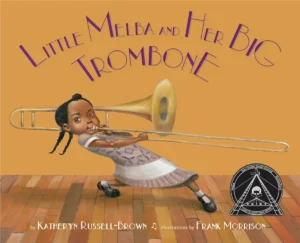
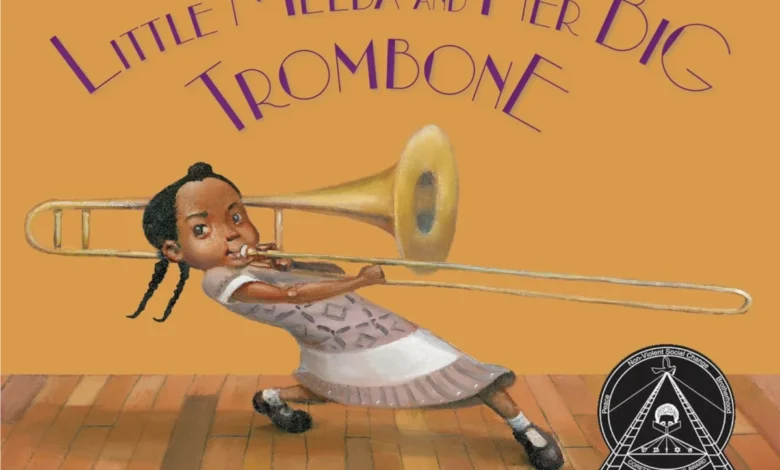
- Little Melba and Her Big Trombone by Katheryn Russell-Brown: Tracing the musical journey of jazz trailblazer Melba Liston, this book combines music history with themes of overcoming gender and racial barriers in the arts.
- The Oldest Student: Mary Walker’s Journey to Reading by Rita Lorraine Hubbard and Oge Mora: This true account of Mary Walker, who learned to read at age 116, provides a compelling testament to lifelong learning across eras spanning the Civil War to the Civil Rights Movement.
Fostering Everyday Joy and Relatable Experiences
While historical narratives are essential, educational researchers and literacy specialists argue that books highlighting everyday joy, family dynamics, and mundane childhood moments are equally crucial. Representation should not be confined to struggle or historical milestone achievements; it must also encompass the full spectrum of human experience, including play, creativity, and routine family life.

Fiction and poetry selections commonly integrated into early childhood curriculums include:

- Big by Vashti Harrison: An award-winning exploration of self-acceptance and emotional resilience regarding body image and taking up space in the world.
- When Langston Dances by Kaija Langley: A narrative following a young boy inspired by the Alvin Ailey American Dance Theater, addressing gender norms and artistic expression.
- Black is a Rainbow Color by Angela Joy: A poetic exploration of cultural pride, heritage, and the multifaceted meanings of the color black through a child’s perspective.
- Hair Love by Matthew A. Cherry: A heartwarming celebration of Black hair, father-daughter bonds, and self-confidence.
- Brown: The Many Shades of Love by Nancy Johnson James and Constance Moore: A lyrical celebration of familial bonds and the diverse spectrum of skin tones within a single family.
- Last Stop on Market Street by Matt de la Peñá: A reflective journey highlighting gratitude, urban life, and finding beauty in ordinary routines through the interactions of a boy and his grandmother.
- Saturday by Oge Mora: A depiction of a mother-daughter relationship navigating unexpected changes to a weekend routine, emphasizing resilience and familial love.
- I Am Enough by Grace Byers: An empowering affirmation of purpose, self-worth, and mutual respect designed for all developmental stages.
- Like So by Ruth Forman: A tender exploration of the close bond between a Black grandmother and her granddaughter.
- Milo Imagines the World by Matt de la Peñá: A story addressing implicit bias, assumptions, and the dangers of judging individuals by their outward appearances during a subway commute.
- Parker Looks Up by Parker Curry: Co-authored by a young girl inspired by her museum encounter with Michelle Obama’s portrait, highlighting aspiration and representation.
- Sulwe by Lupita Nyong’o: A sensitive treatment of colorism within communities, guiding young readers toward self-acceptance and inner beauty.
Institutional Guidance and Professional Resources
Educational advocacy groups, including the National Association for the Education of Young Children (NAEYC), provide extensive frameworks for educators seeking to address race, equity, and inclusion in early learning environments. Experts recommend that classroom libraries undergo periodic audits to ensure a balanced collection that mirrors the demographics of a global society, regardless of local population statistics.

By pairing historical accounts with contemporary stories of joy and self-discovery, preschool educators are laying the groundwork for inclusive academic communities. As schools continue to refine their literacy programs, the deliberate selection of diverse literature remains a cornerstone of comprehensive early childhood education, equipping children with the empathy and critical thinking skills necessary to navigate an interconnected world.
Related posts: