
The phenomenon of food throwing among infants and toddlers is a frequent point of friction during family mealtimes, often causing significant parental distress and concerns regarding nutritional intake. While often perceived as a behavioral defiance or a sign of poor discipline, pediatric experts characterize this activity as a normative developmental milestone. Understanding the underlying drivers—ranging from sensory processing to cognitive development—is essential for parents seeking to navigate this phase without escalating mealtime tensions.
Developmental Psychology and the Mechanics of Throwing
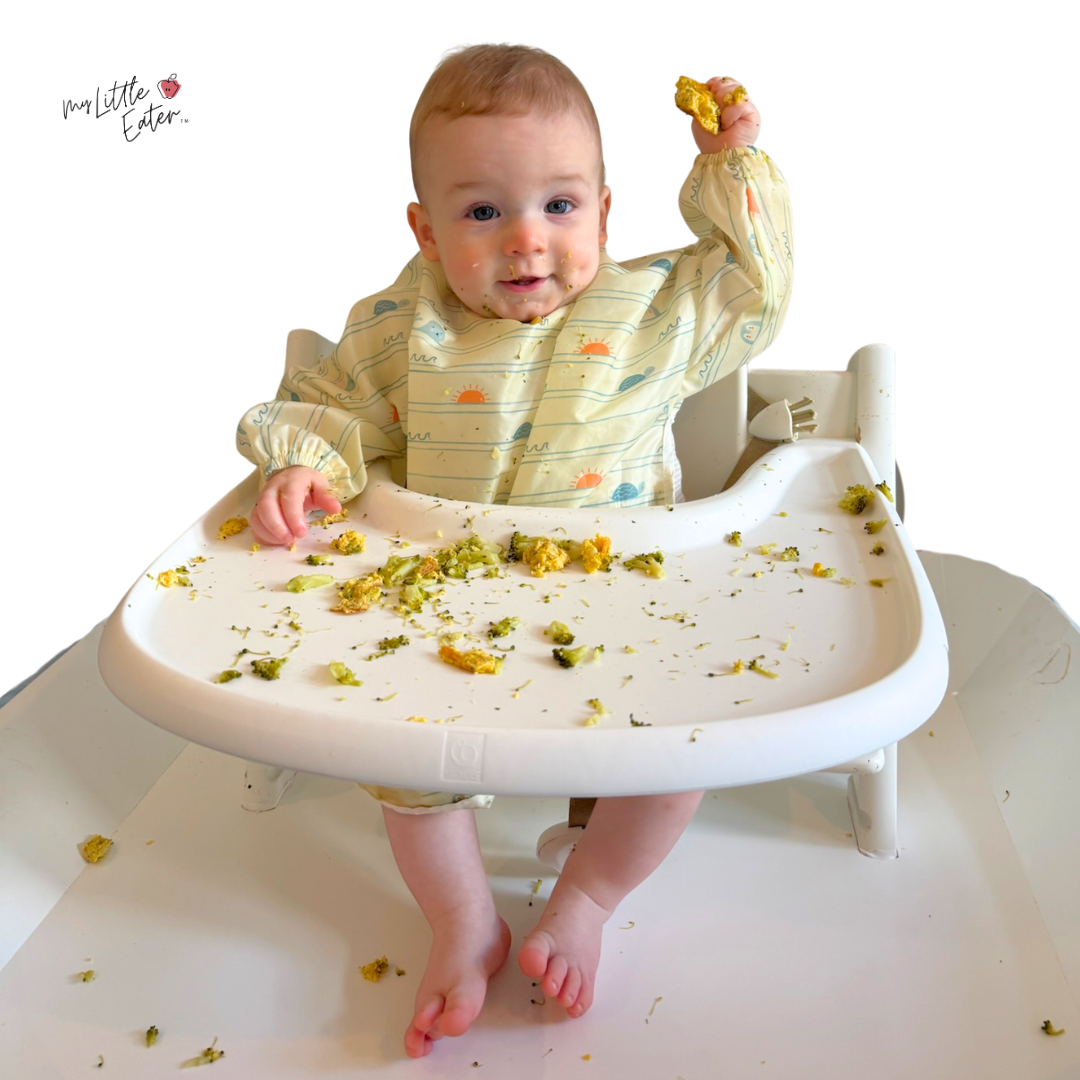
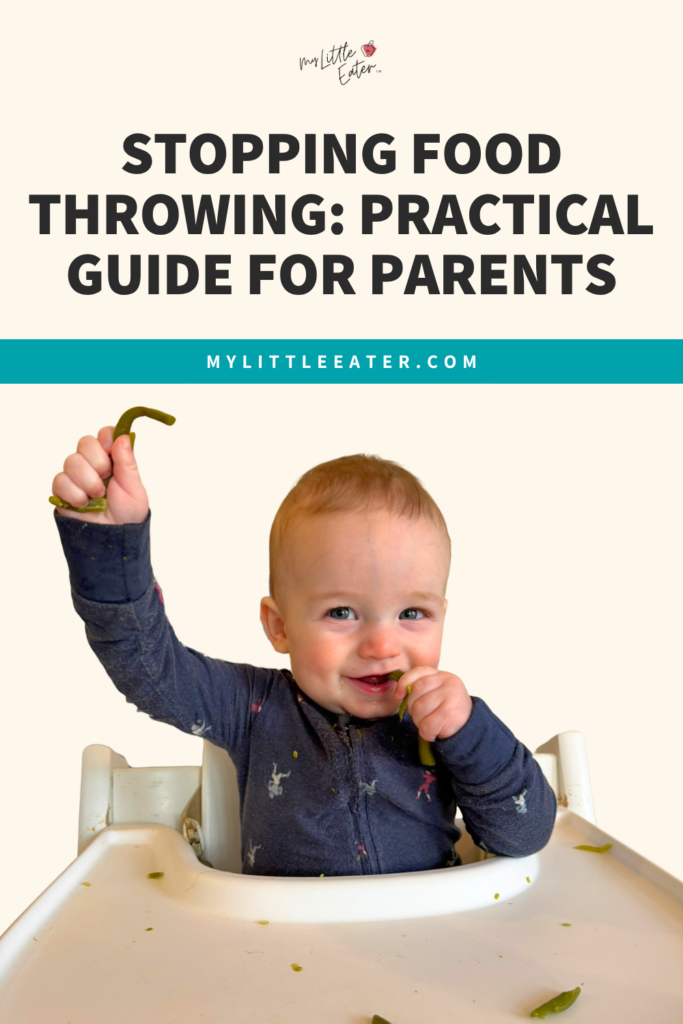
From a developmental perspective, the act of throwing food serves as a practical application of early scientific inquiry. Between the ages of 12 and 18 months, children are in a critical period of cognitive growth, specifically regarding cause-and-effect relationships. By dropping or tossing an object, a child is testing the physical properties of their environment: the sound of the impact, the trajectory of the object, and the subsequent response from their caregivers.

Research into infant behavior indicates that this experimentation is rarely malicious. Instead, it is a byproduct of a rapidly maturing brain seeking to categorize the world. Sensory exploration also plays a pivotal role. When a child encounters a texture, temperature, or consistency that is unfamiliar or overwhelming—such as a cold, slimy vegetable or a mushy fruit—their immediate, unrefined reaction is to remove the stimulus from their personal space. In this context, throwing is a non-verbal method of rejecting a sensory input that the child does not yet have the vocabulary or the internal regulation to manage otherwise.
Communication and the Role of Behavioral Triggers
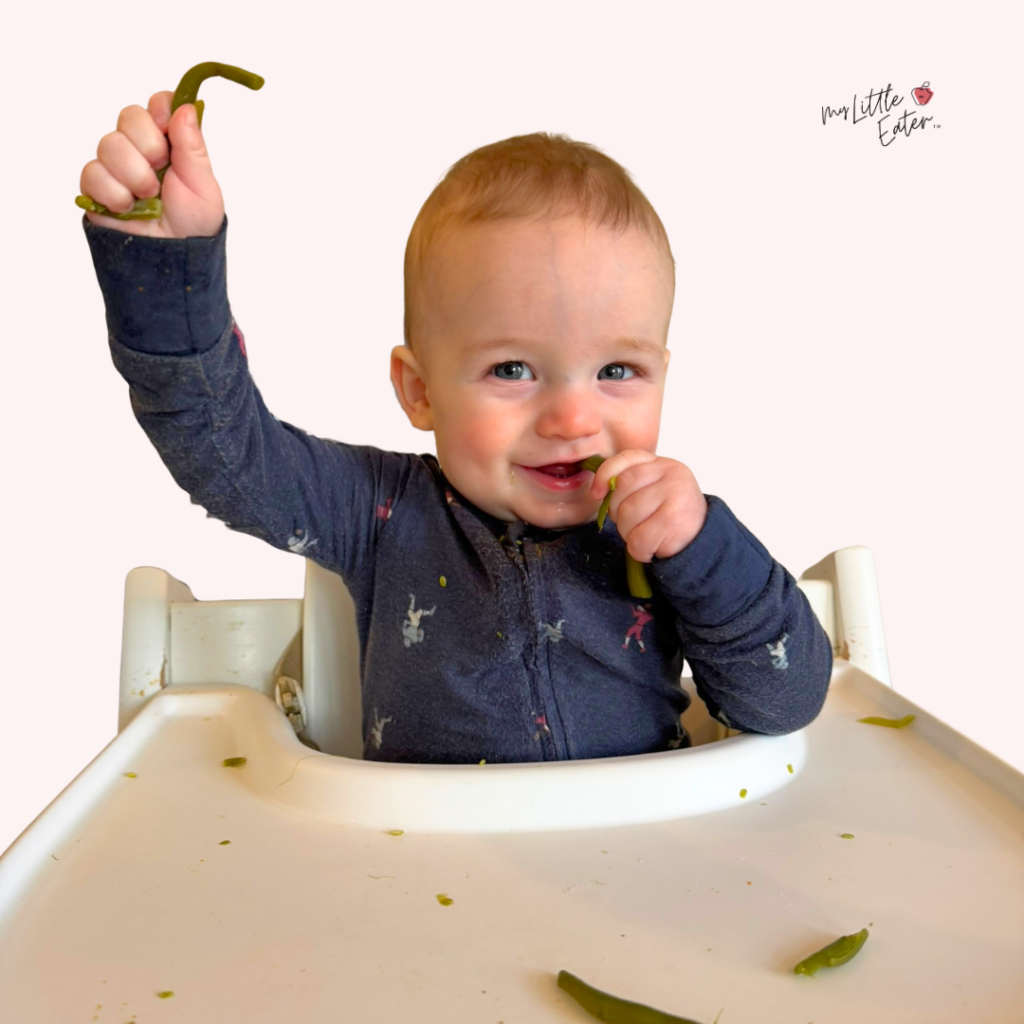
For pre-verbal toddlers, the inability to communicate complex needs frequently results in behavioral outbursts at the dinner table. When a child reaches satiety, experiences boredom, or feels physically overwhelmed by the amount of food on their tray, they lack the sophisticated linguistic tools to express these states. Throwing becomes a functional tool for communication. If a child tosses a piece of food and is subsequently removed from the high chair, they have effectively communicated their desire to leave the table, reinforcing the behavior as a successful strategy for achieving an outcome.
Furthermore, attention-seeking behaviors are heavily reinforced by parental reactions. Because infants and toddlers are wired to seek interaction, any significant response—be it a stern "no," a frustrated sigh, or even laughter—validates the act of throwing as an effective way to engage the caregiver. Data from pediatric feeding studies suggest that when a behavior results in a high-intensity reaction, the frequency of that behavior increases, as the child perceives the attention as a reward, regardless of whether that attention is positive or negative.

Strategic Responses for Caregivers
To mitigate food throwing, experts advocate for a systematic, neutral approach that minimizes the reinforcement of the behavior while maintaining the structure of the meal. The "Neutral Response" model is frequently cited as the gold standard in pediatric nutrition counseling. This involves maintaining a calm, emotionless demeanor during the event. By avoiding dramatic facial expressions, verbal scolding, or excessive physical intervention, parents remove the "reward" of the child’s attention-seeking effort.
A three-step boundary system is often recommended to manage persistent throwing:
- First instance: Calmly remove the food or object and place it out of reach, providing a simple, neutral statement such as, "Food stays on the tray."
- Second instance: Provide a brief, neutral reminder of the boundary.
- Third instance: If the behavior continues, interpret the action as a sign that the child is finished with the meal. Remove the tray and the child from the table without punitive language.
This approach frames the end of the meal as a natural, logical consequence of the child’s inability to focus on eating, rather than a punishment for defiance.
Environmental and Physiological Adjustments
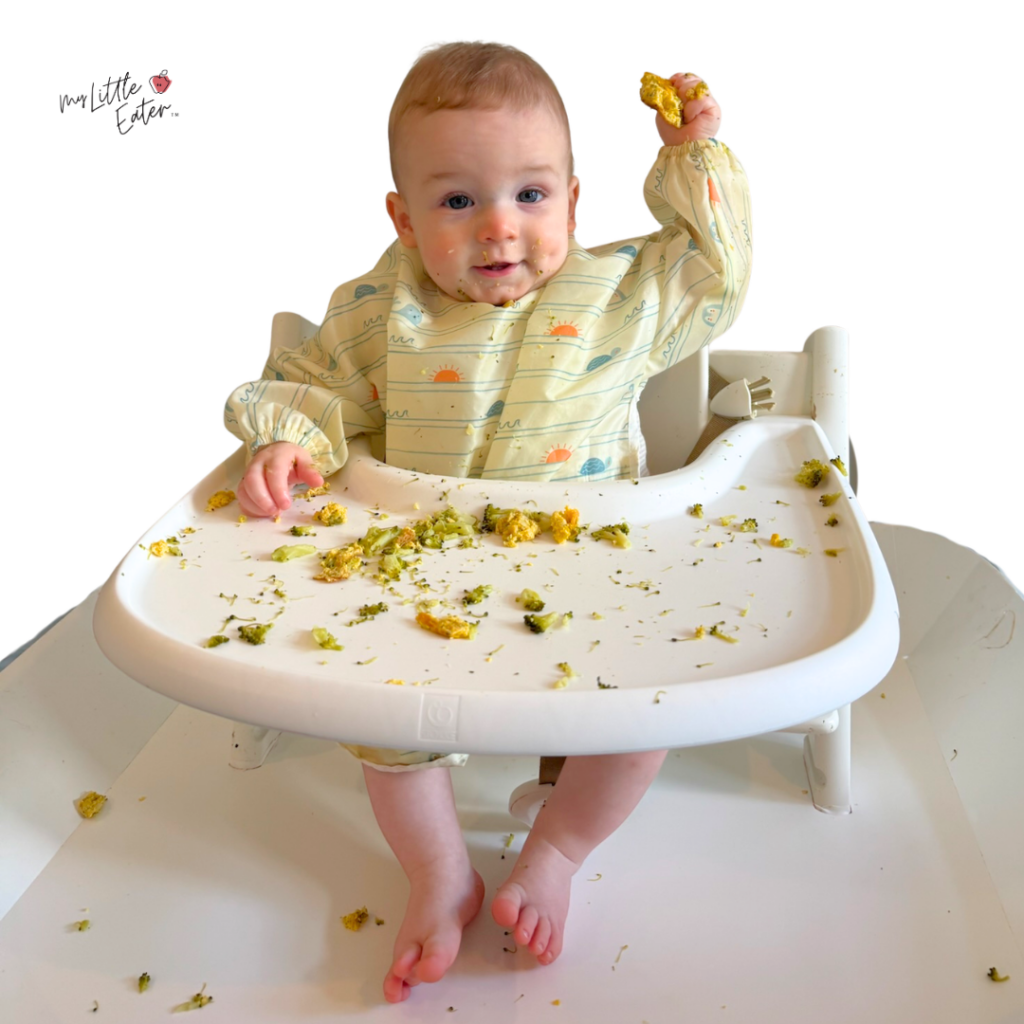
The physical environment of the mealtime often contributes to the likelihood of food throwing. Pediatric dietitians emphasize the importance of ergonomic support in high chairs. If a child’s legs are unsupported, they may experience physical instability, leading to restlessness and subsequent motor outbursts like throwing. Utilizing a high chair with a proper footrest, allowing for a 90-degree angle at the hips, knees, and ankles, provides the physiological stability required for the child to focus on the task of eating.
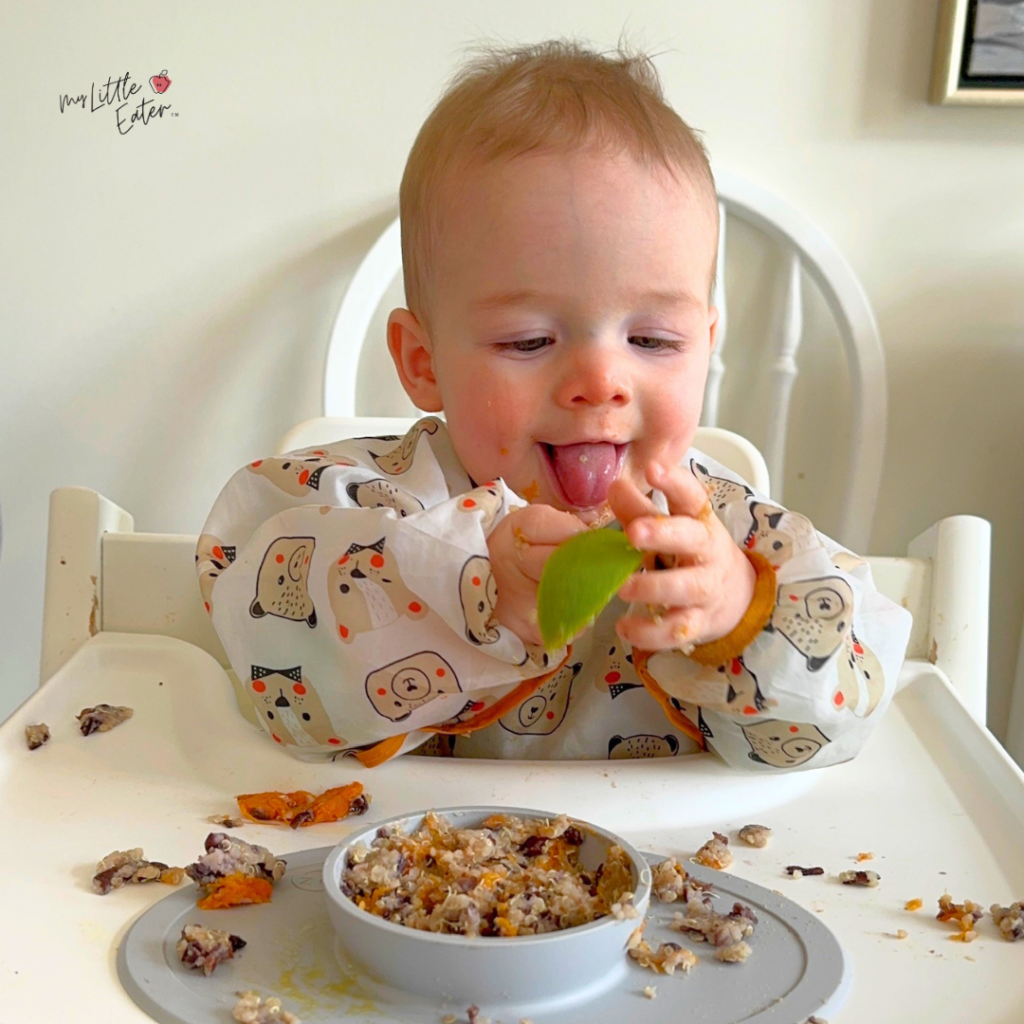
Moreover, the presence of external distractions, such as pets, can exacerbate the issue. If a dog or cat habitually cleans up food dropped by a child, the act of throwing becomes a source of entertainment. Removing pets from the dining area during mealtimes is a standard recommendation to eliminate the "audience" that makes the behavior rewarding.
Practical Tactics for Managing Intake
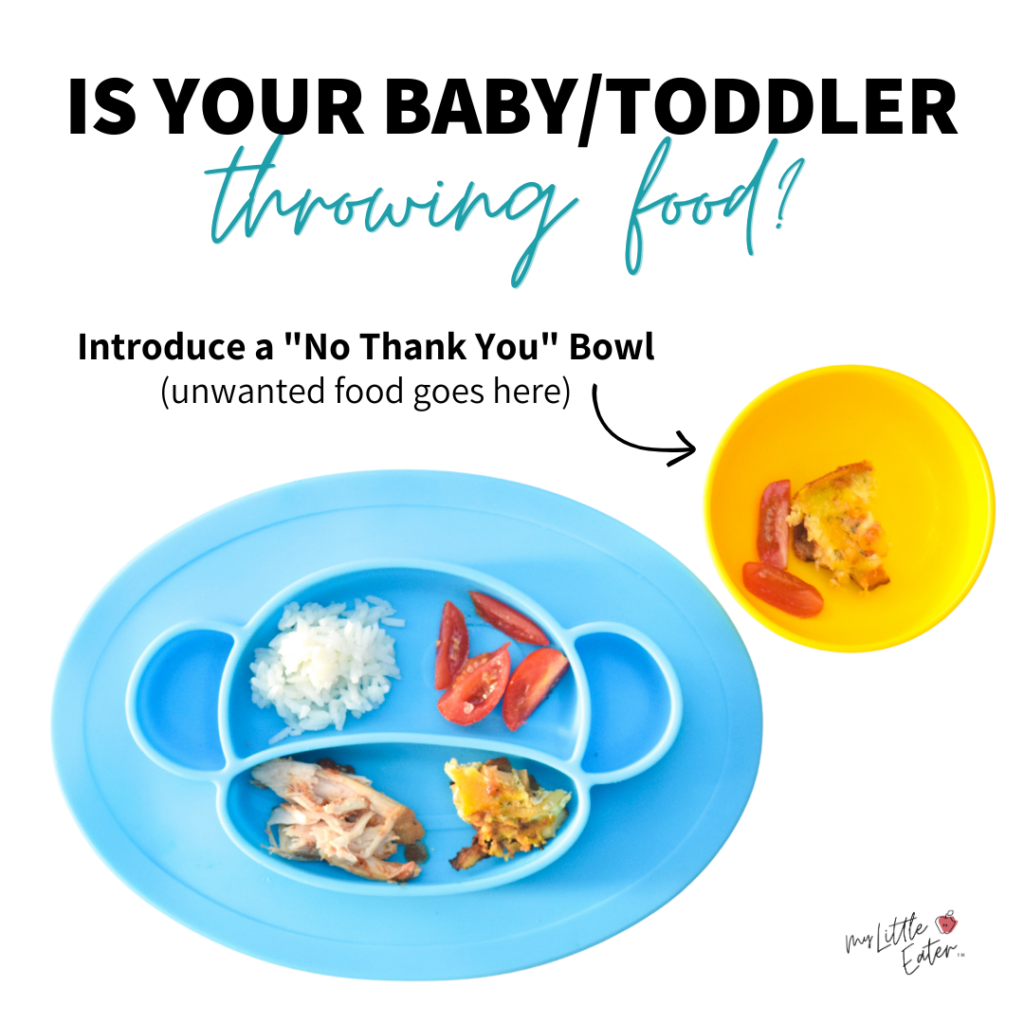
To further discourage the urge to throw, parents are encouraged to implement the "No Thank You" bowl. By providing a designated, stable vessel on the high chair tray, the parent gives the child a socially acceptable outlet for unwanted food. This empowers the child to communicate their preferences—"I do not want this piece"—without the disruption of launching it across the room.
Portion control is equally significant. Providing an excessive amount of food on a tray can be cognitively and sensorially overwhelming for a young child. Smaller, more manageable portions reduce the volume of available "missiles" and can lower the child’s anxiety regarding the pressure to consume a large quantity of food.
Identifying Red Flags and Seeking Professional Guidance
While food throwing is a typical phase, it is important for parents to recognize when the behavior warrants clinical attention. Persistent, intense throwing that continues well beyond the 24-month mark, despite consistent and neutral intervention, may suggest underlying issues.

Concerns arise when the behavior is paired with:
- Significant weight loss or failure to thrive.
- Extreme refusal of entire food groups.
- Significant sensory distress, such as frequent gagging or emotional meltdowns when exposed to specific textures.
- The use of throwing as a tool to cause physical harm to siblings or other caregivers.
In these instances, a consultation with a pediatric dietitian, speech-language pathologist, or a feeding therapist is recommended. These professionals can conduct an individualized assessment to rule out sensory processing disorders or avoidant/restrictive food intake disorder (ARFID) and provide a tailored plan to support the child’s nutritional needs.

Broader Implications for Family Dynamics
The stress of mealtime is a major contributor to family-wide anxiety. When parents approach the table with anticipation of mess and frustration, that tension is often sensed by the child, which in turn can lead to increased behavioral issues. Establishing a consistent, calm routine is not only about the food; it is about protecting the mealtime as a space for positive connection and nourishment.

The transition from a high-throwing stage to more conventional eating habits is generally a function of the child’s developing impulse control and language acquisition. Most children will naturally decrease this behavior between 18 and 36 months as they gain the ability to use verbal cues like "no," "all done," or "more."
Ultimately, the consensus among pediatric professionals is that consistency across all caregivers is the most significant factor in shortening the duration of this phase. If one parent employs a neutral, boundary-based approach while another reacts with laughter or frustration, the child receives mixed signals that prolong the behavior. By ensuring that every person involved in the child’s care adheres to the same set of expectations and responses, parents can create the structure necessary to move through this developmental milestone with minimal long-term impact on the child’s relationship with food.
In conclusion, while the sight of a half-eaten meal landing on the floor is undeniably frustrating, it is a transient stage of development. By focusing on neutral reactions, environmental adjustments, and clear communication strategies, parents can navigate these challenging moments, fostering a healthier and more enjoyable dining environment for their growing family.