Fueling the Future: Comprehensive Nutritional Strategies and High-Protein Snack Solutions for Young Athletes


The landscape of youth sports has evolved significantly over the past decade, shifting from casual neighborhood games to structured, high-intensity training schedules that often mirror adult athletic commitments. Between school physical education, club team practices, weekend tournaments, and private coaching sessions, modern youth athletes expend considerable amounts of energy. This surge in physical activity places unique metabolic demands on growing bodies, requiring parents and caregivers to look beyond standard meal planning and focus intentionally on strategic sports nutrition.
Pediatric sports dietitians increasingly emphasize that fueling an active child is not merely a matter of increasing protein intake. Growing skeletal structures, developing muscle tissue, and cardiovascular systems require a complex matrix of macronutrients—including quality carbohydrates for explosive energy, healthy fats for sustained endurance, fluids for optimal thermoregulation, and a wide array of vitamins and minerals. Particularly in the post-exercise window, the physiological requirement for a balanced intake of carbohydrates and protein becomes paramount, facilitating the rapid replenishment of glycogen stores while supplying the essential amino acids necessary for muscle repair and adaptation.
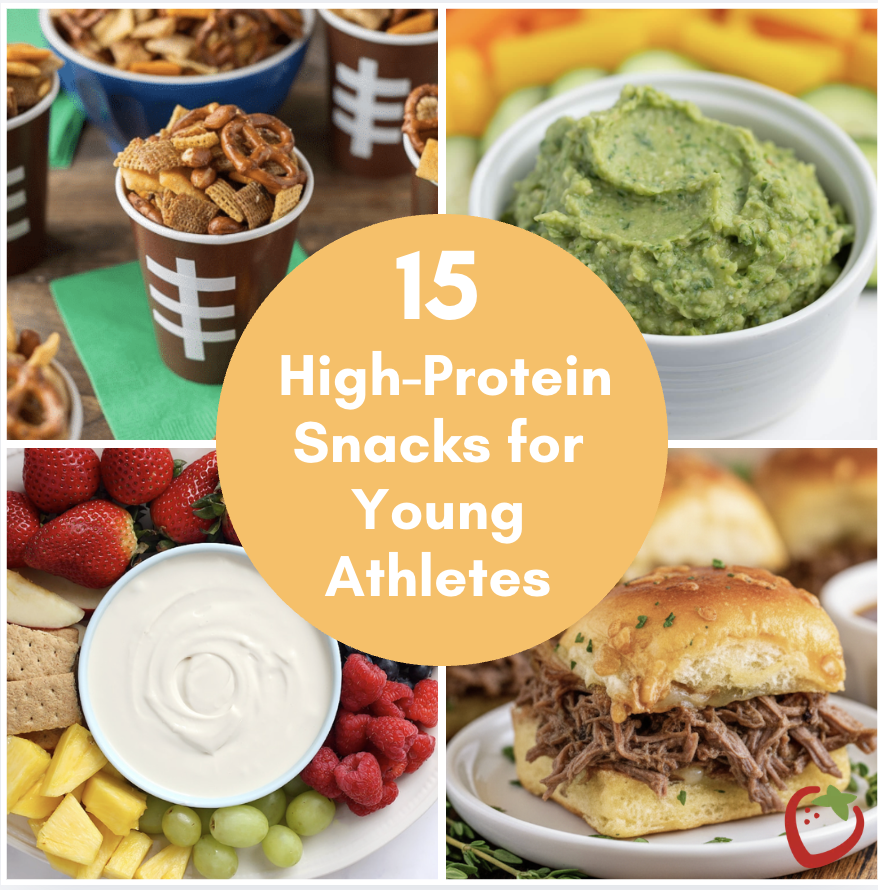
Historically, the sports nutrition market has targeted parents with an array of expensive, highly processed commercial products, including specialized protein shakes, premium sports bars, and synthetic supplements. However, contemporary nutritional science and clinical observations from organizations like Super Healthy Kids demonstrate that commercial enhancements are largely unnecessary. Whole foods prepared at home can deliver superior nutritional profiles at a fraction of the cost, ensuring that young competitors receive clean, wholesome energy without artificial additives or excessive refined sugars.
Nutritional Foundations: Deconstructing the Active Child’s Diet
To understand why specific snacks are recommended for young competitors, it is essential to examine the physiological role of each macronutrient during physical exertion. Active children operate under different metabolic parameters than sedentary peers or adult athletes, as their bodies must simultaneously fuel physical performance and biological growth.
Carbohydrates serve as the primary fuel source for high-intensity movements such as sprinting, jumping, swimming, and rapid directional changes. When glycogen reserves in the muscles and liver become depleted, athletic performance rapidly declines, often manifesting as fatigue, diminished coordination, and slowed reaction times. Incorporating whole grains, fresh fruits, and starchy vegetables into snack formulations ensures that energy reserves remain stable throughout rigorous training sessions.
Protein provides the foundational building blocks—amino acids—required for muscular repair, immune function, and overall tissue development. While adult athletes often consume high quantities of protein to induce muscular hypertrophy, young athletes require protein primarily to support recovery and normal physiological maturation. Excellent sources include Greek yogurt, cottage cheese, eggs, legumes, nuts, seeds, and soy products.
Healthy fats, sourced from avocados, nuts, nut butters, and seeds, offer a concentrated source of long-burning energy. They are especially critical for endurance sports and prolonged tournament days, helping to maintain satiety and regulate inflammatory responses induced by intense physical activity. Furthermore, adequate hydration remains the cornerstone of athletic safety; even mild dehydration can impair cognitive function, reduce cardiovascular efficiency, and increase the risk of heat-related illnesses.
Curated High-Protein Snack Solutions for Busy Sports Days
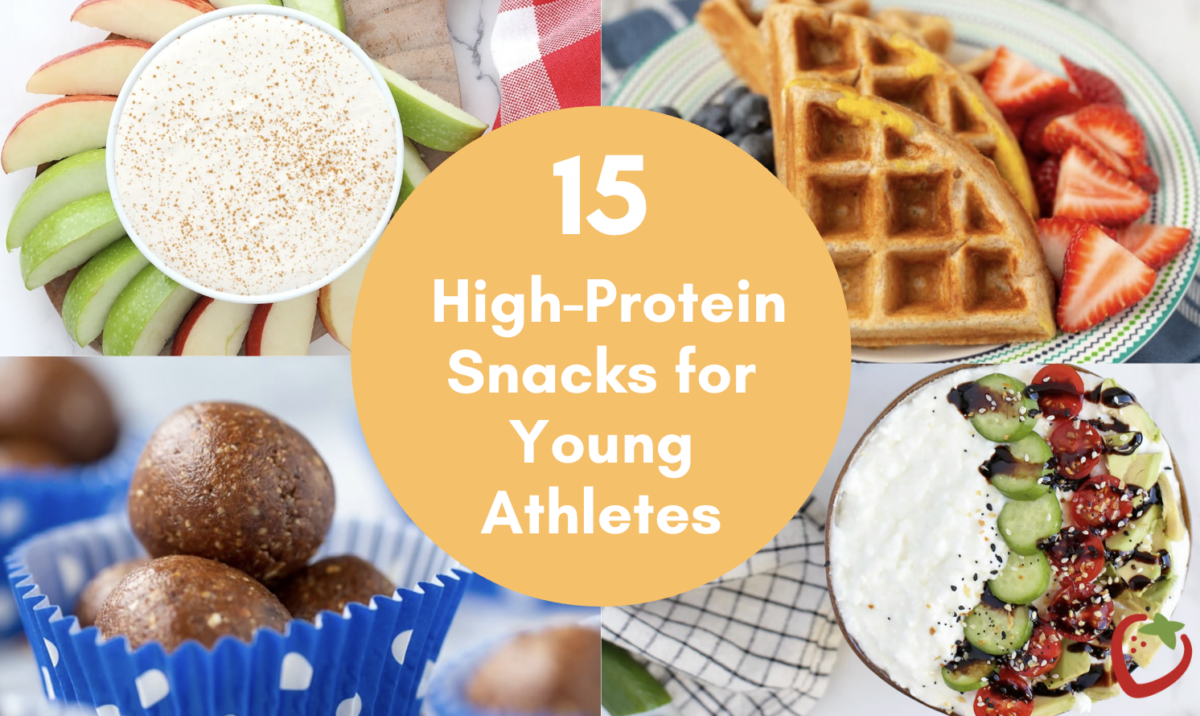
Integrating nutrient-dense snacks into a hectic family schedule requires preparation and versatility. A comprehensive review of practical, whole-food recipes highlights options that seamlessly bridge the gap between nutritional efficacy and child-friendly appeal.
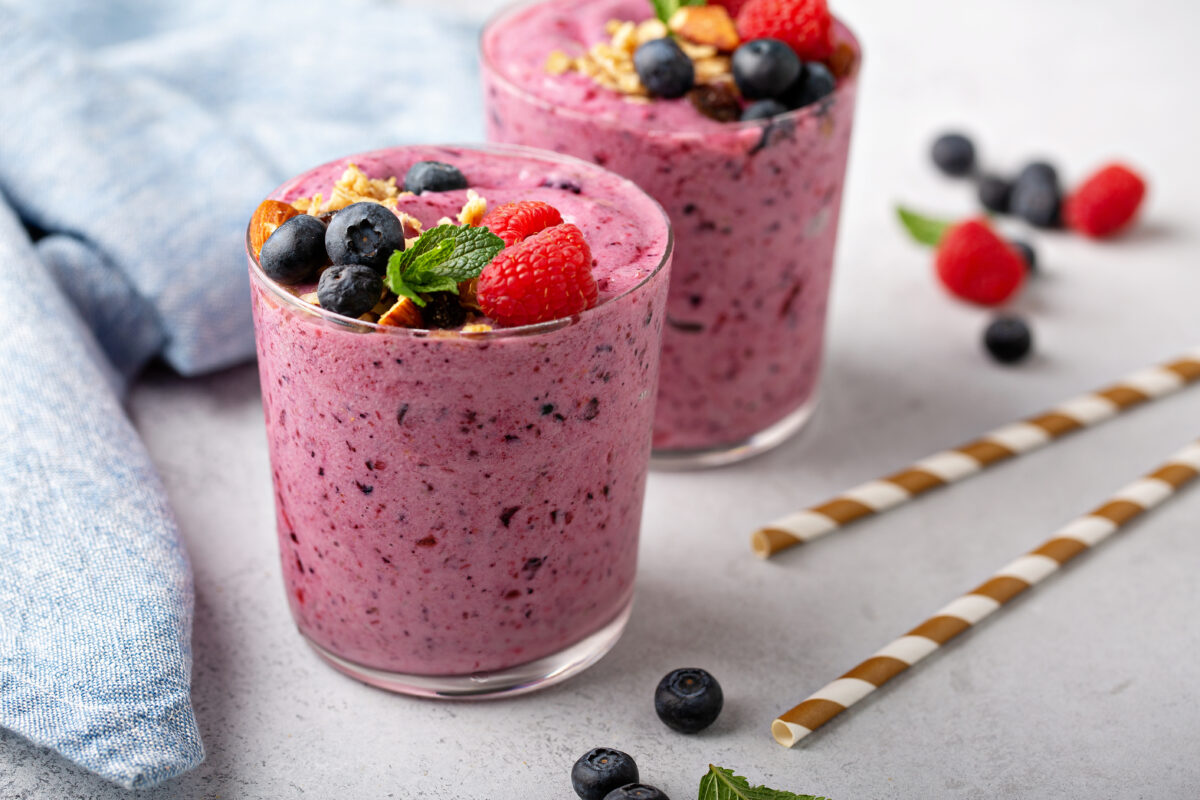
1. Mixed Berry Protein Smoothies
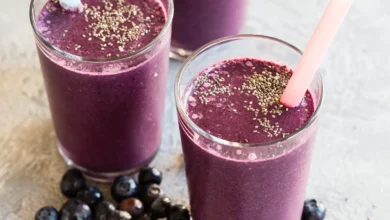
Combining frozen berries, a banana, Greek yogurt, milk, and a quality protein source creates a quick-digesting option ideal for early mornings or immediate post-practice consumption. The fruit supplies fast-acting carbohydrates, while Greek yogurt introduces high-quality dairy protein and a smooth consistency. Families can further enrich the blend by adding chia seeds or ground flaxseed for omega-3 fatty acids.
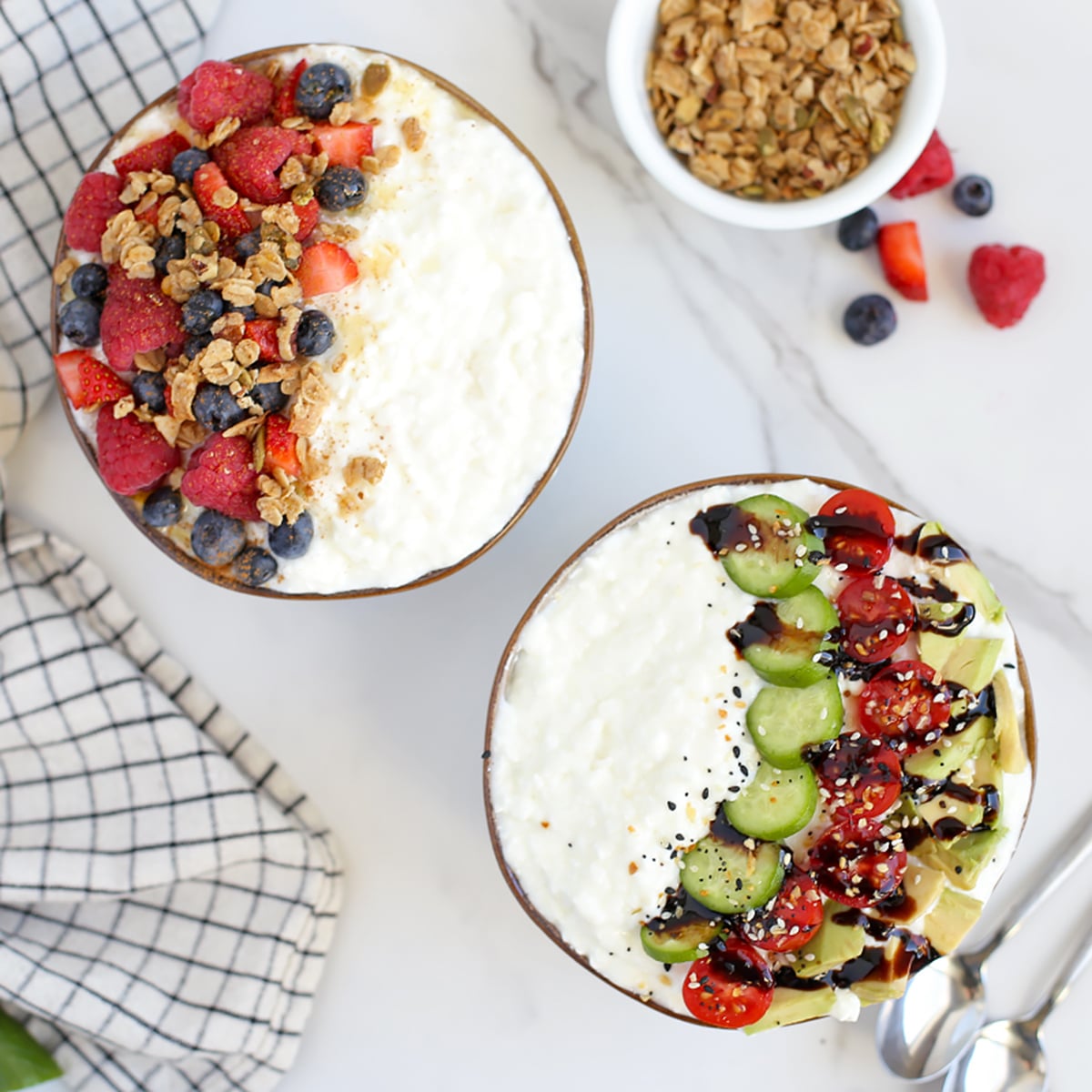
2. High-Protein Cottage Cheese Bowls
Cottage cheese offers an exceptionally versatile base, yielding approximately 17 grams of protein per standard serving. It can be prepared in sweet variations—topped with berries, granola, and a touch of honey—or savory versions featuring diced tomatoes, cucumbers, and a drizzle of balsamic glaze. This preparation requires zero cooking time, making it an efficient option for busy weeknights.
3. Kid-Friendly Blueberry Protein Popsicles
Particularly valuable during warmer competitive seasons, these frozen treats merge Greek yogurt, fresh blueberries, milk, and natural sweeteners. They provide a cooling psychological and physical reward post-game while delivering sustained protein and carbohydrate nourishment.
4. Peanut Butter Fudge Protein Energy Balls
Crafted from whole-food ingredients including natural peanut butter, sunflower seeds, rolled oats, dates, cocoa powder, and mini chocolate chips, these portable bites deliver roughly 8 grams of plant-based protein per two-piece serving. Their compact nature allows for effortless transport in sports bags or backpacks.
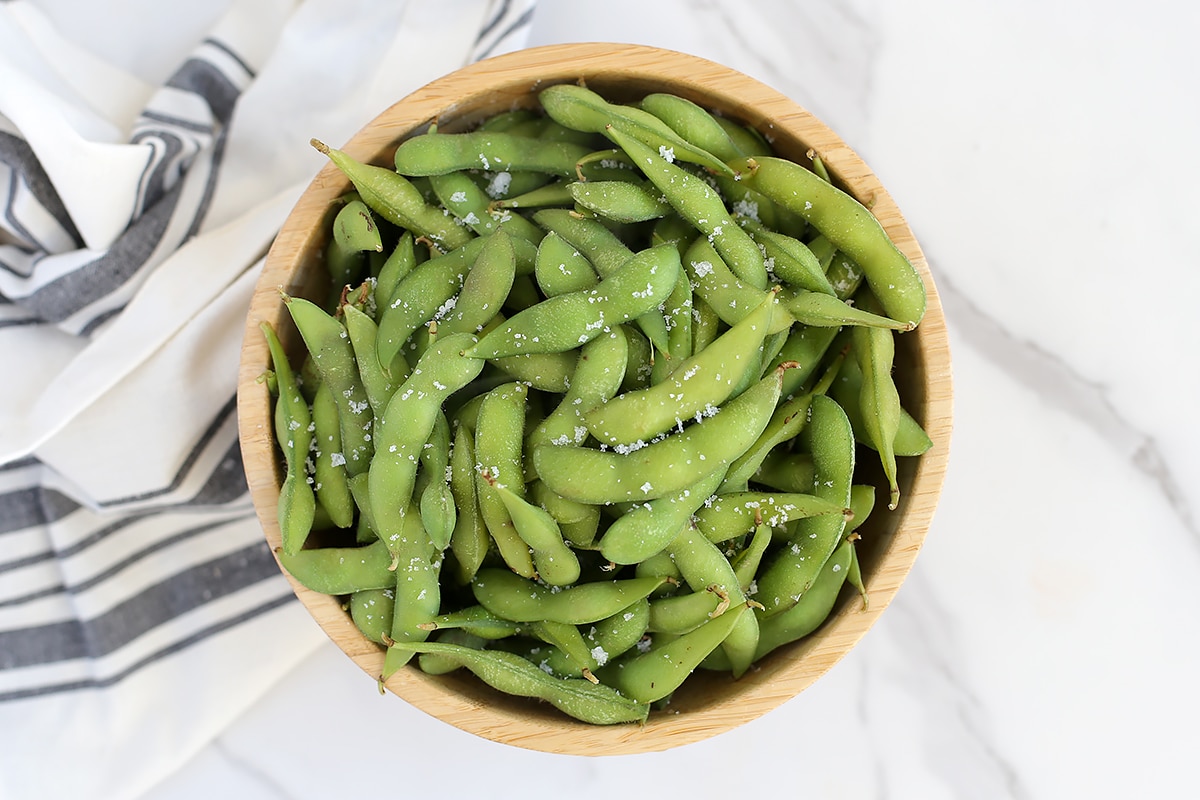
5. Easy High-Protein Edamame
As a remarkably simple finger food, steamed edamame requires minimal preparation. Naturally rich in plant-based protein, fiber, and micronutrients, a light dusting of sea salt makes it exceptionally palatable for young athletes, especially when paired with whole-grain crackers or fresh fruit.
6. Homemade Chocolate RX-Style Bars
Designed for older children and adolescents engaged in all-day tournaments, these homemade bars utilize almonds, cashews, dates, cocoa powder, and egg-white powder to achieve a chewy texture. Each bar supplies approximately 10 grams of protein, offering a clean alternative to commercial snack bars.

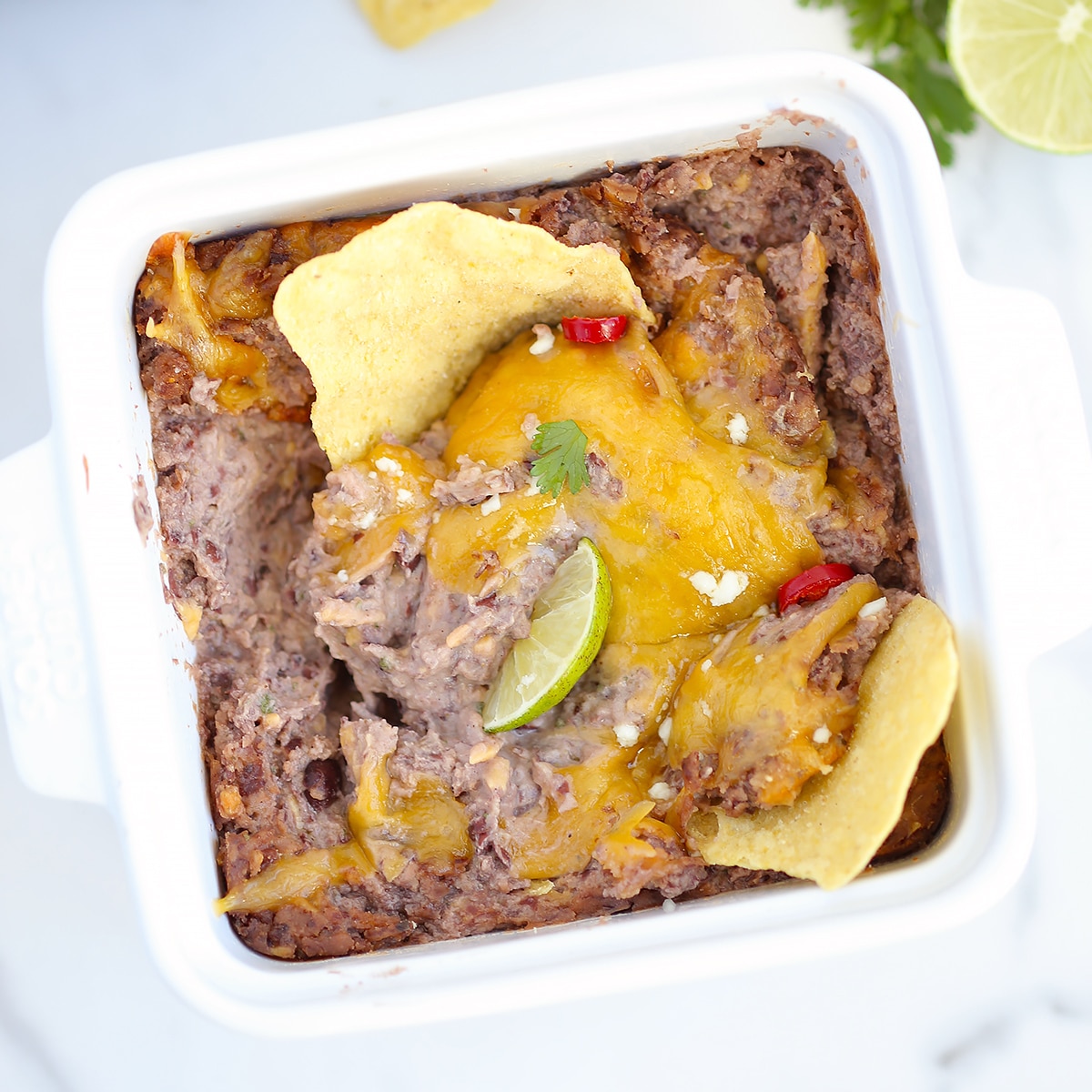
7. High-Protein Black Bean Dip
Beans are frequently overlooked in youth nutrition, yet this dip combines black beans with Greek yogurt, mild cheddar cheese, and lime juice to yield roughly 14 grams of protein per serving. Paired with whole-grain tortilla chips or raw vegetable sticks, it offers a balanced mix of complex carbohydrates and protein.
8. Kid-Friendly Protein Waffles
By integrating whole-wheat batter, Greek yogurt, milk, and whole eggs directly into the waffle iron, families can produce a breakfast item that transitions effortlessly into a sports snack. Each waffle contains approximately 15 grams of protein and can be frozen and reheated in a toaster as needed.
9. Roasted Chickpeas
Offering a satisfying crunch as an alternative to processed chips, roasted chickpeas can be seasoned in varieties such as cinnamon-sugar, cool ranch, or barbecue. A standard serving delivers about 9 grams of protein alongside high levels of dietary fiber.
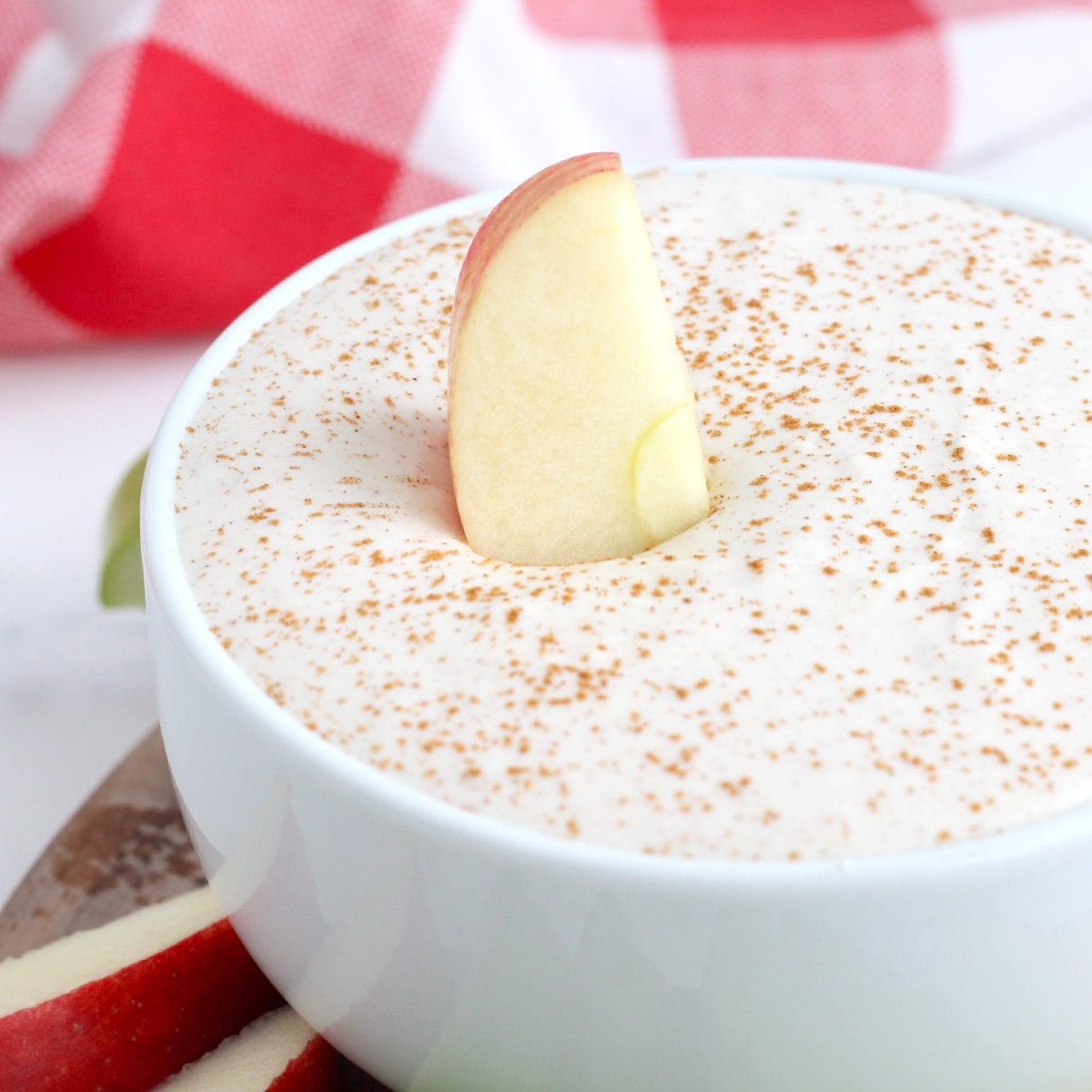
10. Healthy Yogurt Fruit Dip
Blending Greek yogurt with maple syrup, vanilla, and cinnamon transforms standard fruit platters into engaging snacks. The fruit supplies essential carbohydrates for energy replenishment, while the yogurt base introduces protein without overwhelming the digestive system immediately following exertion.
11. Crunchy Roasted Peas
Tossed in olive oil and garlic salt before roasting, green peas provide a portable, inexpensive, and nutrient-dense alternative to traditional snack foods, delivering roughly 5 grams of plant-based protein per serving.
12. Greek Yogurt Dip with Fresh Vegetables
Utilizing a savory blend of onion, parsley, dill, and garlic, this Greek yogurt dip pairs with bell pepper strips and cucumbers to supply about 7 grams of protein, encouraging vegetable consumption alongside dairy nutrients.
13. Kids-Can-Make-Em Energy Bites
No-bake energy bites utilizing oats, peanut butter, flaxseed, chia seeds, coconut, honey, and dark chocolate chips empower children to participate in their own nutritional preparation while providing roughly 7 grams of protein per serving.
14. Chia Seed Energy Bites
Combining oats, peanut butter, honey, and chia seeds in minutes, these bites offer plant-based protein, complex carbohydrates, and healthy fats designed to sustain energy levels during long afternoons.
15. Raspberry Quinoa Smoothie
By blending cooked quinoa with milk, Greek yogurt, and raspberries, this hearty beverage delivers an impressive 22 grams of protein per serving, making it an exceptional choice for older adolescents and teenagers with high caloric and protein demands.

Chronological Timing: Pre- versus Post-Activity Nutrition
The physiological timing of snack consumption plays a decisive role in athletic performance and digestive comfort. Nutritional guidelines dictate distinct strategies depending on the proximity of the activity.
Prior to sports participation, the primary objective is to top off energy stores without inducing gastrointestinal distress. If an athletic event is scheduled several hours away, a balanced snack combining complex carbohydrates and moderate protein—such as oatmeal with fruit or a yogurt bowl—is optimal. As the start time draws closer, portions must decrease, and foods should consist primarily of easily digestible carbohydrates, such as a banana or a small serving of fruit slices, ensuring that blood flow remains directed toward working skeletal muscles rather than an overburdened digestive tract.
Conversely, the post-activity window requires an immediate shift toward recovery and replenishment. Within the first hour following intense exertion, consuming a combination of carbohydrates and protein helps restore depleted glycogen reserves and initiates muscle protein synthesis. Practical post-practice combinations include protein smoothies, whole-grain waffles topped with nut butter, or black bean dip with whole-grain crackers. Adequate hydration with water must accompany every post-exercise snack, particularly following outdoor training in elevated temperatures.
Evaluating the Role of Protein Powders and Supplements
A frequent dilemma for parents of young athletes involves the potential utility of commercial protein powders, shakes, and specialized athletic supplements. Clinical consensus among pediatricians and sports dietitians indicates that supplementation is rarely necessary for children and adolescents.
The vast majority of young athletes can easily meet their daily nutritional requirements through whole foods, including dairy products, eggs, lean meats, poultry, fish, legumes, nuts, seeds, and soy alternatives. Emphasizing a diverse, nutrient-dense diet ensures that children receive not only adequate protein but also the full spectrum of micronutrients required for healthy growth and development. Introducing concentrated protein powders or performance supplements to younger populations carries potential risks, including gastrointestinal intolerance and the consumption of unregulated additives. Parents considering supplementation for competitive adolescents should consult a qualified pediatrician or a registered sports dietitian before introducing commercial products into their child’s routine.
Broader Implications and Family-Centric Implementation
The transition toward wholesome, high-protein snacks reflects a broader cultural shift in youth athletics toward sustainable, long-term health and wellness. By avoiding overly processed commercial foods and emphasizing accessible, kitchen-prepared alternatives, families can instill lifelong nutritional literacy in young competitors.

Ultimately, optimizing a young athlete’s diet does not require elaborate culinary expertise or expensive specialty ingredients. A proactive approach centered on stocking refrigerators with versatile staples—such as Greek yogurt, cottage cheese, fresh produce, and whole grains—empowers families to support growing bodies effectively. Whether a child participates in recreational soccer, competitive swimming, gymnastics, or school basketball, structured nutritional planning bridges the gap between athletic potential and optimal physical well-being.