How Early Childhood Nutrition Shapes Lifelong Eating Habits: A Dietitian-Backed Roadmap Through Pregnancy and Toddlerhood


The battle at the dinner table is a universal parental trial. Countless households find themselves negotiating with toddlers who reject anything that isn’t beige, processed, or overwhelmingly familiar. However, recent pediatric and nutritional research indicates that the foundation for adventurous eating is laid long before a child ever sits in a high chair. According to pediatric dietitians and child development researchers, the first two years of life—starting from the gestational period onward—represent a crucial window of opportunity for shaping lifelong dietary preferences and mitigating extreme picky eating.
Understanding the Science of the Early Flavor Window
To understand how food preferences form, pediatric nutritionists point to a critical developmental phase known as the flavor window, which typically spans from 4 to 18 months of age. During this period, infants and young toddlers are biologically primed to accept a wide variety of tastes, textures, and aromas. Introducing a diverse array of whole foods during this window increases familiarity, which psychological studies show directly correlates with long-term preference.
Historically, the prevailing cultural adage regarding infant nutrition was that "food before one is just for fun," implying that breast milk or formula provided all necessary nutrients while solid foods served merely as a developmental novelty. Modern pediatric research has thoroughly dismantled this notion. Every flavor introduced to an infant’s palate contributes to the neural mapping of taste preferences, dictating which foods a child will naturally gravitate toward or reject later in childhood.
Phase One: In Utero Influences and Maternal Nutrition

The journey of palate development begins well before birth. During pregnancy, the amniotic fluid acts as a medium that absorbs flavors from the mother’s diet. Fetuses regularly swallow amniotic fluid, exposing their developing taste buds to garlic, spices, fruits, and vegetables consumed by the pregnant individual.
Clinical trials have demonstrated that neonates show a distinct preference for flavors they experienced in utero. In landmark studies evaluating prenatal taste exposure, mothers who consumed specific vegetable juices during their third trimester or early breastfeeding period raised infants who subsequently exhibited fewer negative facial expressions—such as grimacing—and greater acceptance when those same vegetables were introduced as solid foods.
For many expectant mothers, particularly those battling severe gestational nausea, hyperemesis gravidarum, or food aversions, this information can inadvertently trigger guilt. Pediatric specialists emphasize that prenatal nutritional advice should be viewed as aspirational rather than prescriptive. Achieving absolute dietary perfection during the first trimester is rarely feasible, and mothers are encouraged simply to aim for variety whenever their health and symptoms permit.
Phase Two: Introducing Solids and Navigating the Weaning Process
When an infant reaches approximately six months of age and exhibits developmental readiness for solid foods, parents face a series of choices regarding how to present nutrition.
One increasingly popular approach is baby-led weaning (BLW), a method where infants bypass traditional spoon-fed purees and immediately feed themselves grasp-able pieces of whole food. Under this model, parents provide appropriately sized items—such as soft-cooked vegetable wedges, ripe fruit slices, strips of meat, and cooked eggs—allowing the infant to control the pace, volume, and selection of food ingested. Proponents of BLW argue that early exposure to complex textures and hand-eye coordination encourages greater dietary adaptability as children transition into the toddler years.

Regardless of whether parents choose baby-led weaning or traditional purees, encountering resistance from the infant is virtually guaranteed. A common pitfall for parents is misinterpreting an infant’s physiological reaction to new tastes. When a baby grimaces, wrinkles their nose, or shudders while tasting pureed broccoli or squash, adults frequently assume the child despises the food.
Nutritional scientists clarify that this facial expression is an innate, evolutionary response to novel or bitter compounds, rather than an absolute indicator of dislike. Infants frequently display this reflexive grimace while continuing to swallow and even enjoy the food. Consequently, experts advise caregivers not to permanently banish a food from the menu based on an initial negative reaction.
The Crucial Role of Repeated Exposure
Overcoming initial resistance requires persistence. Extensive behavioral studies on infant feeding indicate that children often need to experience a new food between eight and nine times before they willingly accept it in meaningful quantities.
Despite this psychological reality, observational data reveals that many parents abandon a newly introduced food after only three to five unsuccessful attempts. To bridge this gap, dietitians recommend systematic tracking—using a simple notepad or digital list to log newly introduced ingredients and count the frequency of exposure. By keeping rejected foods in steady rotation rather than eliminating them, parents systematically build the familiarity required to alter a child’s taste preferences.
Furthermore, transitioning through textures at the appropriate developmental milestones is vital. Prolonged reliance on ultra-smooth purees past the age of nine months has been linked in clinical studies to broader feeding difficulties and a narrower range of accepted foods in later childhood. Gradually advancing from smooth purees to lumpy textures and soft finger foods trains the oral motor skills necessary for managing diverse food structures.

Phase Three: The Toddler Transition and Behavioral Dynamics
While the first year of life sets a strong baseline, the toddler years frequently introduce significant friction into family mealtimes. Beginning around age one, children experience a natural deceleration in physical growth velocity, which naturally depresses their appetite. Concurrently, the emergence of autonomy and independent decision-making leads to strong opinions regarding food. Picky eating behavior typically peaks around age two.
During this stage, parental goals must pivot from controlling what and how much a child eats to maintaining consistent exposure and fostering a low-stress mealtime environment.
A practical strategy recommended by pediatric dietitians is the systematic inclusion of a fruit or vegetable at every meal and snack. To maximize the likelihood of consumption, parents often utilize a pre-dinner snack strategy, offering nutrient-dense vegetables during the late afternoon hour when children are experiencing peak hunger. Even if the child ultimately ignores the vegetables served alongside the formal dinner, their daily nutritional intake has already been supplemented.
The Counterintuitive Danger of Mealtime Pressure
Perhaps the most challenging aspect of managing picky eating involves parental psychology. When worried about a child’s nutritional intake, caregivers frequently resort to coercion, pleading, or rewarding children to finish their meals.

Comprehensive research into feeding dynamics overwhelmingly demonstrates that pressuring children to eat is counterproductive. Studies tracking family mealtime behaviors show that when children are actively pressured to consume specific items, they consume fewer total calories, exhibit more negative emotional outbursts, and develop an aversion to the targeted foods that can persist well into adulthood. In retrospective surveys of college-aged adults, a significant majority of those forced to eat specific foods during childhood reported maintaining a lifelong avoidance of those exact items.
To counteract this dynamic, experts advocate for the adoption of low-pressure feeding strategies. When a child rejects a meal or pushes a plate away, caregivers are encouraged to respond neutrally with phrases such as "you don’t have to eat it." This language effectively removes the psychological power struggle from the table, lowering anxiety and allowing the child to engage with food on their own terms.
When to Seek Professional Intervention
While standard picky eating is a typical developmental phase characterized by temporary food jags and fluctuating appetites, parents must remain vigilant for clinical red flags. When a child restricts their diet to an extremely narrow repertoire of fewer than ten foods, exhibits significant weight loss, displays severe anxiety or panic around mealtimes, or experiences physical pain during swallowing, standard behavioral strategies are insufficient.
In such cases, pediatricians can facilitate referrals to specialized feeding therapists, pediatric speech-language pathologists, or registered dietitians who can assess underlying sensory, motor, or medical impediments to proper nutrition.
Broad Implications for Public Health
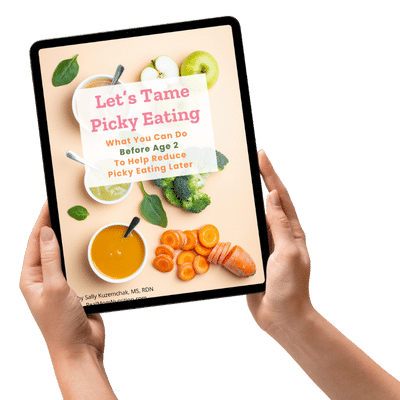
The long-term public health implications of early childhood nutrition are profound. Diet-related chronic conditions, such as obesity, type 2 diabetes, and cardiovascular disease, frequently trace their behavioral origins to dietary patterns established in early childhood. By equipping parents with evidence-based strategies focused on the prenatal environment, the flavor window, texture progression, and low-pressure feeding, public health advocates hope to shift the paradigm from reactive food management to proactive, lifelong dietary resilience.
While navigating the culinary demands of infants and toddlers remains an intricate balancing act of patience, science, and persistence, the overarching consensus among nutritional experts is clear: early, consistent, and low-pressure exposure to a wide spectrum of flavors remains the most reliable path to raising a confident and adventurous eater.