Mastering Long-Term Health Through the Science of Habit Stacking for Diabetes Prevention and Management


Habit stacking has emerged as a cornerstone strategy in behavioral medicine, offering a pragmatic framework for individuals seeking to implement sustainable lifestyle modifications, particularly those managing or working to prevent Type 2 diabetes. By leveraging the psychological concept of implementation intentions, this technique allows individuals to anchor new, health-promoting behaviors to established daily routines. The methodology, popularized by researchers in behavioral psychology and championed by health professionals like Jenny Peña, NBC-HWC, CIHC, simplifies the cognitive load associated with lifestyle change. As global diabetes rates continue to climb, the clinical focus has shifted from short-term interventions to long-term behavioral maintenance, positioning habit stacking as a vital tool in public health.
The psychological foundation of habit stacking rests on the premise of neural pathways. When a person performs a behavior consistently, the brain creates a mental shortcut, automating the action to conserve energy. By "stacking" a new, desired behavior immediately after an existing, ingrained one, an individual essentially hitches the new habit to an already strong neural connection. For someone managing blood glucose levels, this might involve checking a continuous glucose monitor (CGM) or taking a short walk immediately after finishing a meal, effectively bridging the gap between intention and action.
The Evolution of Behavioral Science in Diabetes Care
The history of diabetes management has traditionally focused on pharmacological intervention and dietary restriction. However, clinical data over the last two decades has highlighted the limitations of these approaches when implemented in isolation. Without behavioral sustainability, patients often struggle to adhere to complex medical regimens. This realization led to the integration of lifestyle coaching into standard care protocols.
The concept of habit stacking gained significant academic traction following the publication of studies on "implementation intentions"—a term coined by psychologist Peter Gollwitzer in the late 1990s. Research demonstrated that people who clearly define the "when" and "where" of a new behavior are significantly more likely to follow through than those who rely solely on willpower. In the context of diabetes, where routine is essential for glycemic control, the transition from willpower-based goal setting to environment-based habit formation represents a critical shift in the clinical approach to chronic disease management.
Chronology of Behavioral Integration
The adoption of habit stacking as a formal health strategy has followed a clear trajectory:
- Late 1990s: Psychological research into implementation intentions proves that if-then planning significantly increases goal attainment.
- 2010s: The rise of digital health tools and wearable technology creates a need for behavioral frameworks that can accommodate frequent, small-scale health interventions.
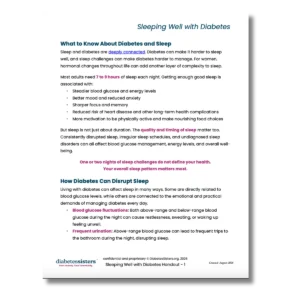
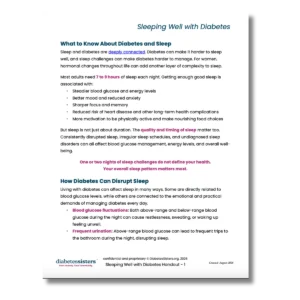
- 2020–Present: Health and wellness organizations, such as DiabetesSisters, begin formalizing these psychological principles into actionable tip sheets and coaching programs.
- Current Status: Behavioral health coaches are increasingly utilizing habit stacking to help patients manage the multifaceted demands of blood glucose monitoring, medication adherence, and nutritional changes.
Supporting Data and Clinical Efficacy
The necessity of habit-based interventions is underscored by current health statistics. According to the Centers for Disease Control and Prevention (CDC), more than 37 million Americans have diabetes, and approximately 96 million adults have prediabetes. Perhaps more concerning is that one in five people with diabetes are unaware they have the condition.
Clinical research indicates that the "intention-behavior gap"—the discrepancy between what people want to do for their health and what they actually do—is the primary obstacle to glycemic control. A study published in the British Journal of General Practice found that habit-based interventions were 1.5 times more effective in promoting long-term physical activity compared to traditional counseling that focused solely on goal setting. The data suggests that when a behavior is performed consistently for 66 days, it begins to reach an automaticity threshold, reducing the need for conscious effort. For a patient managing diabetes, this could mean the difference between reactive crisis management and proactive, sustainable health maintenance.
Expert Perspectives on Implementation
Jenny Peña, a board-certified health and wellness coach, emphasizes that the strategy is not about achieving perfection but about reducing the mental friction of daily health tasks. "The primary barrier to managing blood glucose effectively is the sheer mental demand of tracking, eating, and exercising," Peña notes. "Habit stacking removes the ‘should I or shouldn’t I’ debate by making the new action an inevitable part of the existing flow."

Peña’s approach, which is echoed by many in the field, involves a three-step process:
- Identify the Anchor: Select a habit that is already performed daily without fail, such as brushing teeth, brewing morning coffee, or starting the car.
- Define the New Habit: Clearly articulate the small, manageable action required for health management, such as drinking eight ounces of water or taking a prescribed medication.
- The Formula: Use the structure "After [Anchor], I will [New Habit]."
This framework is particularly effective for those dealing with the "diabetes burnout" phenomenon, where the constant vigilance required for blood sugar management leads to emotional and mental fatigue. By automating small parts of the routine, patients can reclaim cognitive space.
Broader Implications for Chronic Disease Management
The implications of widespread habit stacking adoption extend beyond individual health; they have the potential to alter the economic landscape of diabetes care. Chronic disease management is a significant driver of healthcare costs. By improving adherence to lifestyle protocols, healthcare providers can reduce the frequency of emergency room visits and hospitalizations related to glycemic instability.
Furthermore, the integration of this methodology into digital health applications allows for scalable interventions. Many modern health apps now utilize "trigger-based" notifications that mirror the logic of habit stacking, prompting users to perform a health task when the app detects a change in location or time, effectively digitizing the psychological framework.
Addressing the Barriers to Sustainability
Despite the simplicity of the strategy, experts acknowledge that barriers to implementation exist. The most common pitfall is attempting to "stack" a habit that is too large or complex. For instance, attempting to incorporate a 45-minute gym session immediately after waking up is often unsustainable. Success, according to current behavioral research, depends on keeping the new habit "micro-sized"—often taking less than two minutes to complete.
Once the micro-habit is solidified, it can be expanded. This concept, often referred to as "habit progression," allows individuals to build complex routines incrementally. In the context of diabetes, this might start with a two-minute walk after dinner, eventually progressing to a 20-minute walk once the initial habit has been established for several weeks.
Conclusion and Future Outlook
The transition toward habit-centered health management represents a maturation in how clinicians and patients approach chronic conditions. By moving away from the ephemeral nature of motivation and toward the stability of automated routines, individuals with diabetes can gain a greater sense of agency over their health outcomes.
As organizations continue to provide resources such as structured tip sheets and guided frameworks, the accessibility of these behavioral tools will likely increase. For the millions affected by diabetes and prediabetes, the strategy of habit stacking offers a clear, evidence-based pathway to reducing the burden of care and improving long-term metabolic health. Through the consistent application of small, deliberate changes, the management of a complex condition like diabetes becomes not a series of burdensome hurdles, but a seamless integration of healthy choices into the fabric of daily life.