The Ultimate 2026 Holiday Gift Guide for Kids, Teens, and Families Featuring Tested Favorites and Expert Recommendations


As the 2026 holiday shopping season shifts into high gear, parents, relatives, and gift-givers face the perennial challenge of selecting presents that combine long-term engagement, developmental value, and genuine entertainment for children and teenagers. Market research from retail analyst groups consistently

indicates that modern consumers are increasingly prioritizing experiential, durable, and multigenerational gifts over short-lived electronic novelties. In response to these evolving consumer preferences, family lifestyle curators and parenting experts have released comprehensive gift guides for 2026, highlighting items that have undergone rigorous real-world testing by children ranging from toddlers to teenagers. This year’s curated selections emphasize interactive family games, tactile and imaginative toys, classic childhood nostalgia items, and high-end novelty gifts designed to bridge generational divides and encourage creative play in an increasingly digital world.
Evolution of Modern Toy Trends and Consumer Preferences
The holiday shopping landscape in 2026 reflects a broader cultural pivot toward analog engagement and communal family activities. According to data compiled by toy industry associations, sales of traditional board games, cooperative multi-generational pastimes, and open-ended building toys have seen a steady year-over-year increase. Child development specialists suggest that this trend is driven by a collective desire to mitigate screen fatigue among youth.

Parents and educators increasingly recognize the cognitive benefits of tactile play, imaginative role-playing, and cooperative problem-solving. Consequently, gift selections for the 2026 season have deliberately moved away from isolated, single-user digital devices and toward items that foster social interaction, motor skills, and narrative imagination. Retail data underscores that items capable of adapting to a child’s changing developmental stages—such as durable figurines, modular fort-building sets, and classic card games—offer superior long-term value, often remaining household favorites for years across multiple siblings.
Multigenerational Gaming and Social Play
A cornerstone of the 2026 recommendations is the emphasis on games that successfully engage mixed-age groups, bridging the gap between young children, teenagers, and adults. Among the top-tier recommendations is specialized tournament-grade card game equipment, such as competitive Uno sets priced around $20, which elevate a household classic into an organized, high-stakes family event.
Furthermore, musical trivia and party games like Hitster have emerged as dominant trends for family gatherings. Designed to appeal to multiple generations simultaneously through chronological music arrangement, Hitster exemplifies the type of inclusive entertainment that modern households seek during holiday get-togethers. Industry analysts note that board games and interactive group activities have experienced a renaissance, as families actively look for screen-free mechanisms to build social bonds and encourage friendly competition.
Literature, Narrative Adventure, and Childhood Nostalgia
In the realm of reading and literacy, the 2026 gift guides place a strong emphasis on sentimental value and adventurous storytelling tailored to preteens. Classic children’s literature, priced accessibly around $14, continues to serve as a meaningful generational bridge, allowing parents to share formative emotional and intellectual milestones from their own youth with their children.
For older children and preteens who crave suspense and historical intrigue, specialized graphic novels and comic book series—such as the Escape from Alcatraz comic collections priced at approximately $6 per issue—provide an engaging entry point into reading. Educators and literacy advocates frequently praise graphic novels for their ability to build reading comprehension and sustained attention spans in preteens who might otherwise struggle with dense, text-only formats.
Imaginative Play and Philanthropic Retail
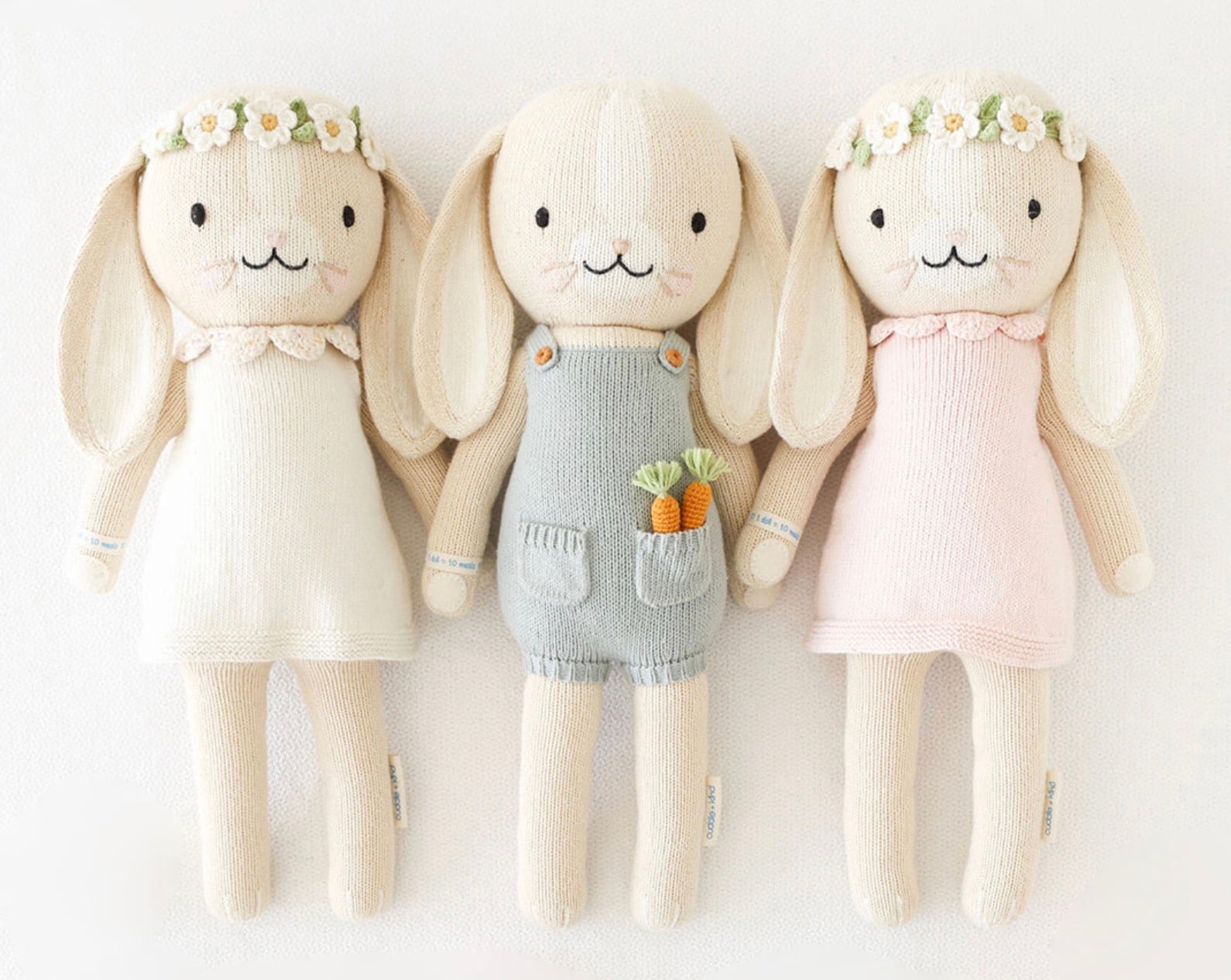
Tactile comfort items and imaginative playsets remain vital categories for younger children. Handmade cotton dolls, such as those produced by Cuddle + Kind starting at $43, have garnered significant acclaim not only for their artisanal craftsmanship and durability but also for their integrated philanthropic business model. With over 40 million meals provided to children in need globally through their charitable partnerships, these artisanal dolls represent a growing market segment where consumers prioritize ethical manufacturing and social impact.
Similarly, imaginative role-play accessories continue to captivate early childhood development experts. Play items such as miniature restaurant server kits—including guest checks, waist aprons, and order books—allow young children to engage in complex socio-dramatic play. Child psychologists note that these activities help develop foundational communication skills, early literacy, math concepts, and social empathy by mimicking adult workflows and community roles.
Classic Communication and Outdoor Exploration Tools
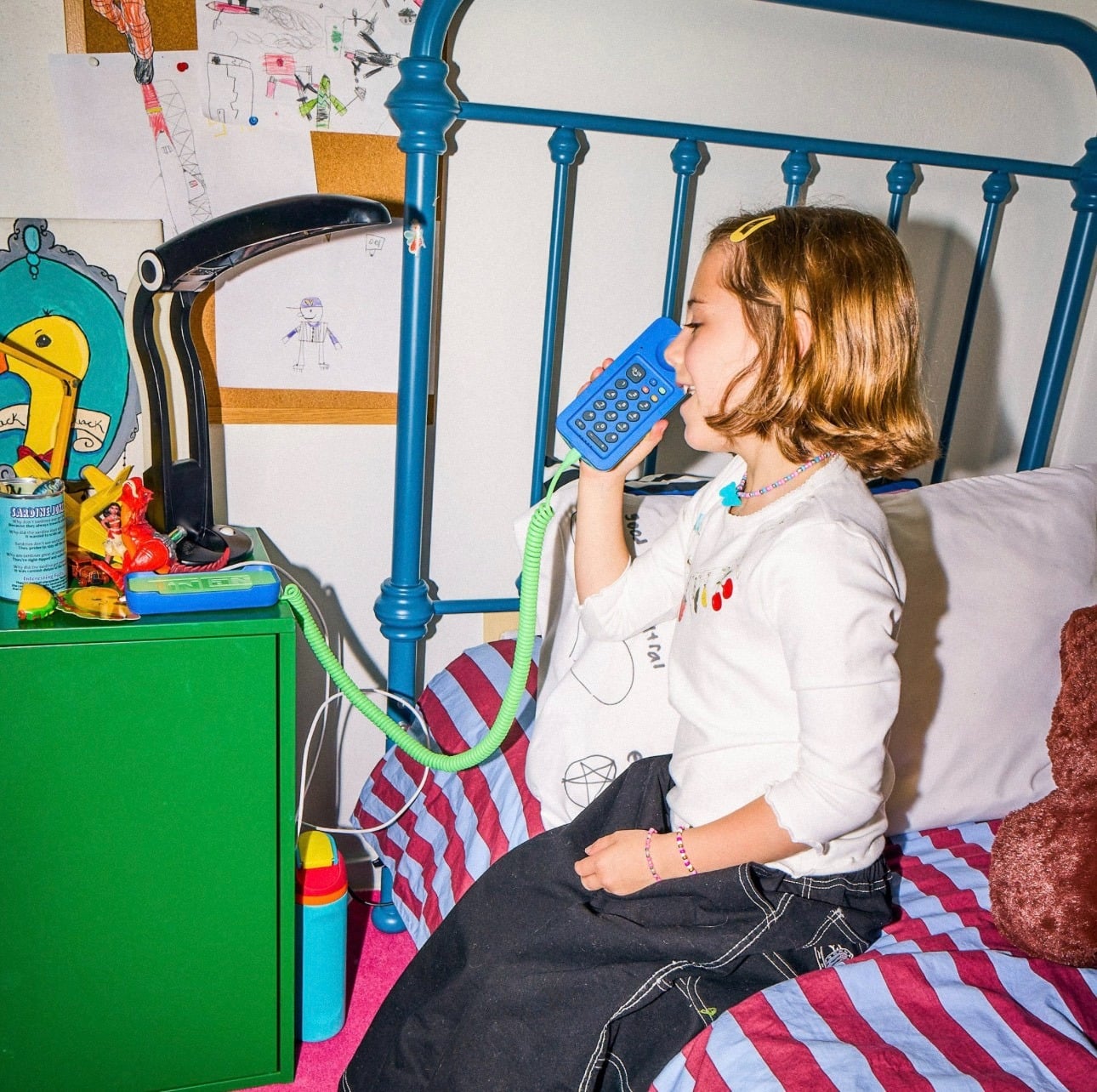
Bridging the gap between nostalgic retro toys and modern technology, several products featured in the 2026 curation focus on exploration and communication. High-end novelty items, such as WiFi-enabled tin-can landline phones priced around $100, offer children a whimsical yet functional way to experience traditional voice communication while incorporating modern network connectivity.
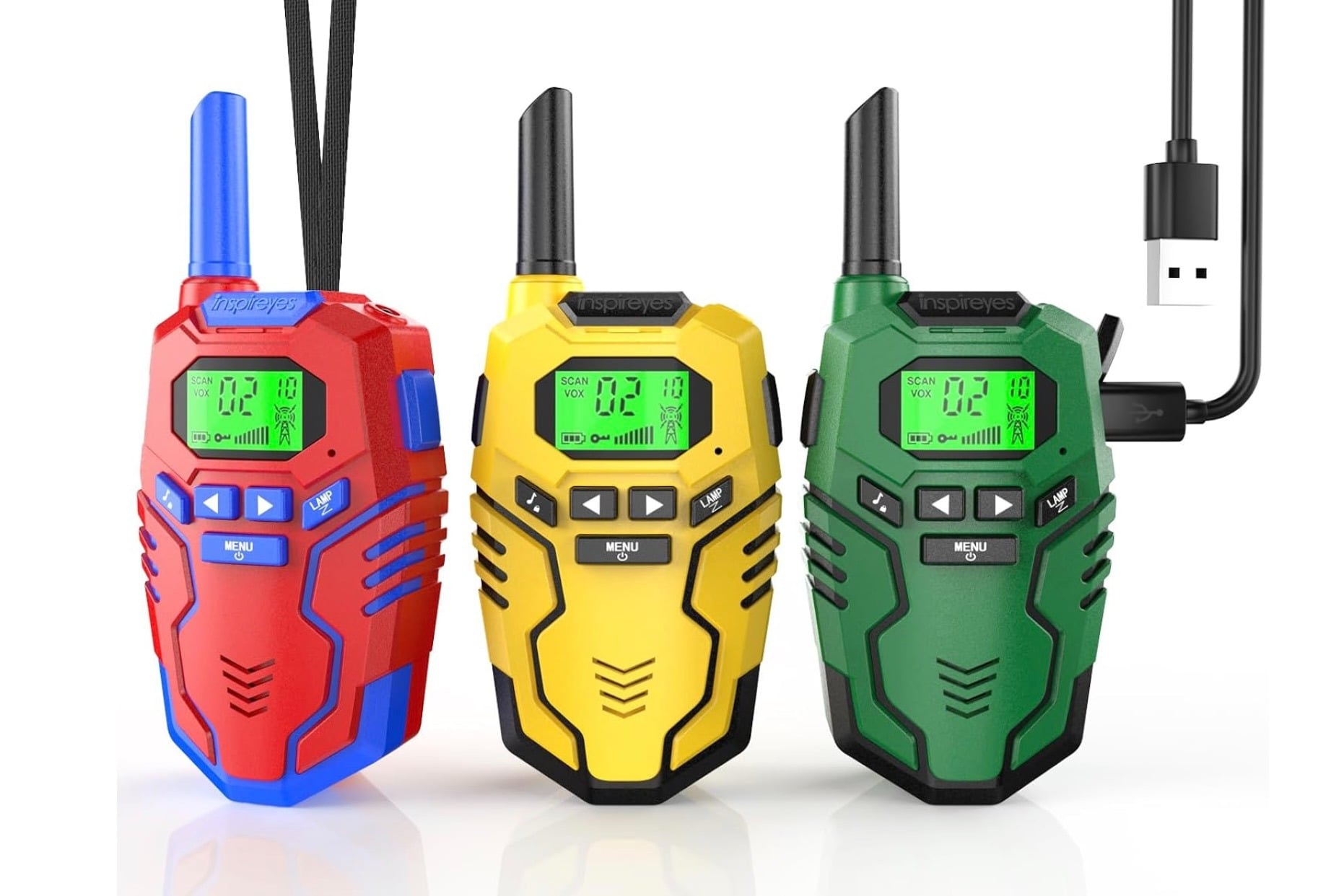
For outdoor adventurers, long-range walkie-talkies offering coverage of up to two miles—retailing at roughly $33 for a three-pack—encourage outdoor exploration, cooperative mission-based play, and spatial awareness among neighborhood children. Complementary everyday utilitarian tools, including durable flashlights, mechanical stopwatches, and physical clicker counters, have consistently proven to be enduring hits. These items appeal to children’s natural curiosity about measurement, mechanics, and secret agent-style reconnaissance, encouraging physical activity and outdoor engagement.
Collectibles, Room Decor, and Open-Ended Construction
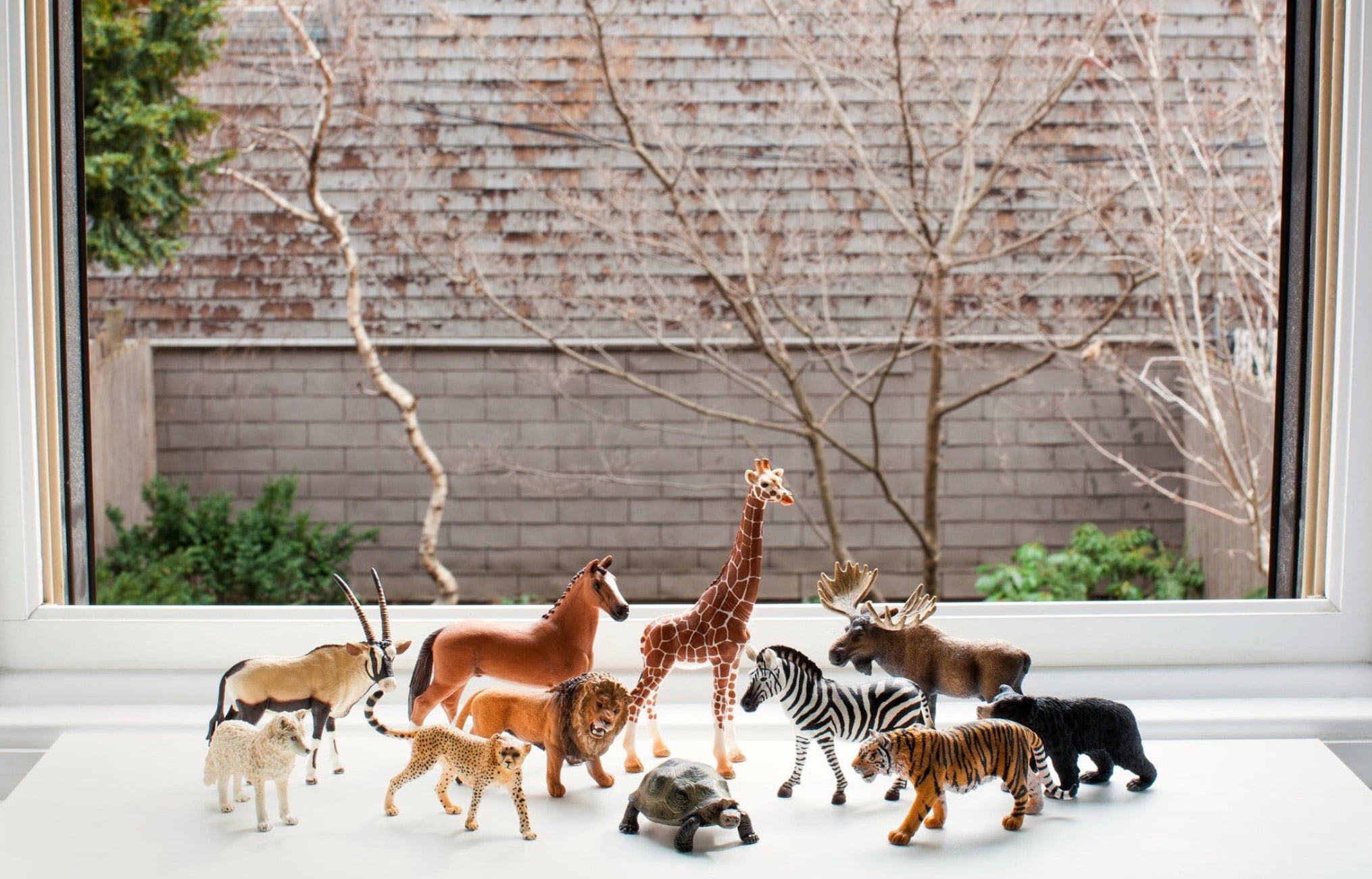
Durability and aesthetic longevity are key selling points for items designed to last across generations. Schleich animal figurines, celebrated for their hand-painted detail and robust construction, occupy a prominent place in the 2026 gift guides. Whether purchased new or sourced secondhand, these realistic animal models support open-ended imaginative play and are frequently retained as lifelong collectables or passed down to younger siblings.

In the realm of bedroom decor and comfort, specialized lighting has evolved into both a functional necessity and a playful design statement. Animal-themed children’s lamps, priced at approximately $130, alongside novelty nightlights shaped like everyday objects such as potatoes, offer gentle illumination while adding a touch of whimsy to children’s living spaces.
For spatial creativity, modular fort-building kits priced around $50 provide children with the structural components needed to construct elaborate indoor bases using sheets, blankets, and pillows. Parents and educators praise these open-ended construction sets for fostering engineering intuition, spatial reasoning, and cooperative teamwork during indoor play.

Personalized Memories and Novelty Consumables
Personalized gifts that capture family milestones have also secured a firm footing in contemporary holiday shopping trends. Wooden photo blocks displaying rotating collections of family snapshots, available for around $26, offer a tactile and aesthetically pleasing way to preserve memories. These items are frequently utilized by parents and relatives as sentimental keepsakes that validate children’s identities and family history within the home.
On the novelty front, high-end food gifts designed to surprise and amuse children—such as gourmet ice cream bars artistically styled to resemble fried chicken buckets, retailing for approximately $109—demonstrate the growing popularity of experiential culinary gifts. These luxury food novelties provide a memorable sensory experience that breaks from traditional gift categories.

Industry Implications and Economic Outlook
Retail economists analyzing the 2026 holiday shopping season note that consumer spending on children’s gifts remains resilient, though highly selective. Shoppers are increasingly willing to invest in higher price-point items if those products guarantee multi-year utility, ethical sourcing, or exceptional developmental value. Conversely, lower-cost stocking stuffers—ranging from novelty notepads shaped like bagels to temporary nail stickers and classic reading materials—provide affordable avenues for immediate gratification without straining household budgets.
Industry observers suggest that the curation of expert-tested gift guides by cultural publications and parenting platforms will continue to heavily influence consumer purchasing decisions throughout the remainder of the fourth quarter. By emphasizing products that encourage family bonding, physical activity, and imaginative longevity, this year’s gifting trends reflect a mature marketplace that values quality, connection, and mindful consumption above all else.
Related posts: