Expanding Early Childhood Literacy: Curated Black History Month Book Lists Foster Empathy and Representation in Classrooms Nationwide

Early childhood educators across the country are increasingly recognizing that the foundational years of a child’s education serve as a critical period for shaping worldview, empathy, and social consciousness. Educators note a fundamental responsibility to demonstrate to young learners that human society extends far beyond their immediate neighborhoods. While urban children often encounter a diverse tapestry of cultures simply by commuting to school, students in rural or homogenous communities frequently lack this daily exposure. To bridge this experiential gap, educators and literacy specialists are turning to thoughtfully chosen literature that highlights the rich contributions, lived experiences, and distinct voices of Black Americans. This intentional curation aims to broaden young minds and foster a more inclusive educational environment.

The Importance of Representation in Early Childhood Education

Research in child development and educational psychology consistently emphasizes the profound impact of literary representation on young minds. When children encounter characters who physically and culturally resemble them, it validates their existence and reinforces the notion that their personal stories hold inherent value. This reflection builds baseline confidence, promotes psychological safety, and instills a deep sense of belonging within the classroom community.

Conversely, when students read about lives and experiences different from their own, they cultivate cognitive flexibility, perspective-taking, and mutual respect. Educational libraries that authentically reflect diverse populations benefit every student, regardless of geographic location or demographic background. According to literacy advocates, children who grow up devoid of literary mirrors often internalize a sense of invisibility, whereas inclusive bookshelves actively dismantle biases before they take root. As celebrated author Eric Smith noted regarding literary exclusion, children who do not see themselves represented in books frequently grow up feeling as though they do not matter. This psychological reality underscores why diversity in early education is not merely an aesthetic choice, but a developmental necessity.

Bridging History and Everyday Joy: A Dual Literary Approach

When introducing Black History Month themes to preschoolers, educators generally categorize literature into two foundational streams: historical nonfiction detailing real people and transformative events, and contemporary fiction celebrating everyday joy, family bonds, and personal identity.

Nonfiction picture books designed for young learners focus on translating complex historical concepts—such as courage, perseverance, justice, and the pursuit of dreams—into accessible narratives. Through simplified language, guided discussions, and interactive question-and-answer sessions, young children can grasp the gravity of historical milestones without feeling overwhelmed. Prominent titles in this category include Brittney Cooper’s Stand Up!, which chronicles ten women who advanced civil rights—from historical figures like Ruby Bridges and Rosa Parks to modern activists like Bree Newsome. Similarly, Roda Ahmed’s Mae Among the Stars details the early aspirations of Mae Jemison, the first African American woman in space, emphasizing parental support and relentless ambition.

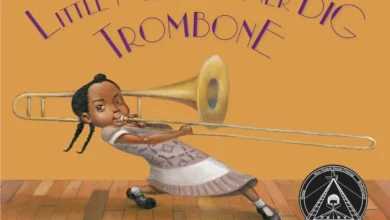
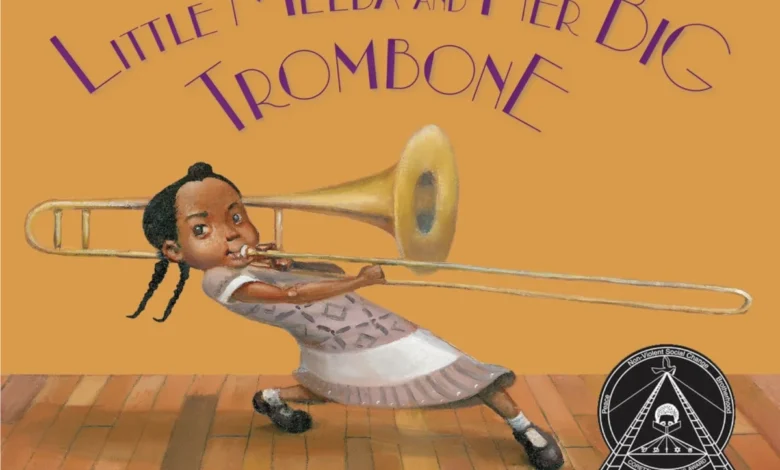
Other vital historical texts include Monica Clark-Robinson’s Let the Children March, which recounts the brave participation of thousands of children in the 1963 Birmingham Children’s Crusade, and Katheryn Russell-Brown’s Little Melba and Her Big Trombone, chronicling the trailblazing jazz musician Melba Liston. Additionally, Rita Lorraine Hubbard and Oge Mora’s The Oldest Student presents the inspiring true story of Mary Walker, who learned to read at the remarkable age of 116, bridging the Civil War and the Civil Rights Movement to demonstrate that intellectual growth knows no age limits.

Equally vital are works of fiction and poetry that eschew historical trauma in favor of ordinary, joyful childhood experiences. Educators emphasize that Black history curricula should not exclusively center on struggle, but should equally honor the beauty of daily life. Books such as Vashti Harrison’s Big, Kaija Langley’s When Langston Dances, Angela Joy’s Black is a Rainbow Color, and Matthew A. Cherry’s Hair Love celebrate self-acceptance, family warmth, artistic expression, and cultural pride. These titles provide positive reinforcement of identity while normalizing diverse family structures and domestic happiness within classroom libraries.

Broader Implications and Institutional Guidelines

The integration of diverse literature into preschool curricula aligns with broader national efforts by organizations such as the National Association for the Education of Young Children (NAEYC). Educational policymakers and childhood development experts argue that addressing race, equity, and inclusion at the preschool level lays the groundwork for a more cohesive and tolerant society. By establishing early habits of empathy and intellectual curiosity, schools equip children to navigate an increasingly interconnected world.

As classrooms nationwide continue to refine their reading lists for Black History Month and beyond, the consensus among educators remains clear. Incorporating both historical milestones and everyday reflections ensures that young learners receive a balanced, holistic view of American history and culture. These literary resources transform classroom libraries into dynamic spaces where every child can find validation, inspiration, and a profound sense of shared humanity.