Winnow Review: A Probiotic That Binds Microplastics and Navigates the Modern Plastic Crisis

The ubiquity of synthetic polymer fragments in contemporary life has shifted environmental health discussions from distant ecological concerns to immediate biomedical inquiries. Microplastics—defined as particles measuring less than five millimeters—now permeate virtually every corner of the global biosphere. Recent scientific documentation confirms their presence in marine ecosystems, atmospheric dust, municipal water systems, agricultural soils, and human biological samples, including circulating blood, placental tissue, and neonatal meconium.
This pervasive contamination stems from the relentless breakdown of everyday consumer goods. Food packaging, single-use bottled water, synthetic textiles such as polyester and nylon, domestic house dust, plastic cutting boards, and takeout containers continuously shed microscopic debris. Because complete avoidance is nearly impossible under current manufacturing and lifestyle paradigms, researchers and biotechnology firms are increasingly exploring mitigation strategies that extend beyond systemic reduction. Among the latest developments in this sector is Winnow, a daily dietary supplement positioned at the intersection of conventional probiotic gut support and targeted microplastic adsorption.
Understanding Winnow: Formulation and Dual-Purpose Mechanics
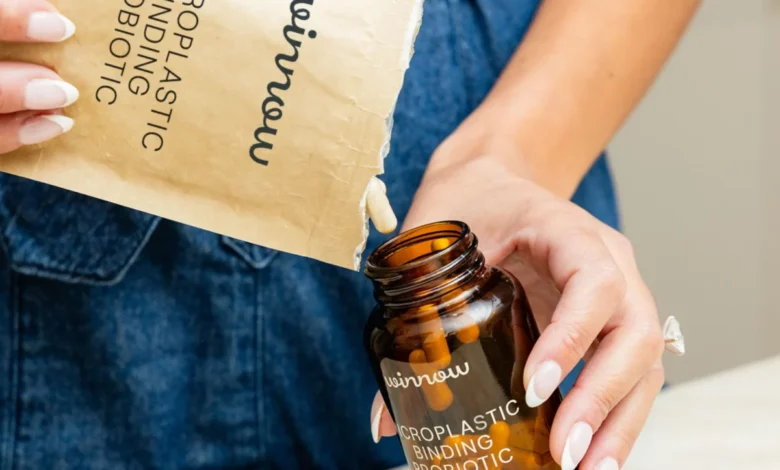
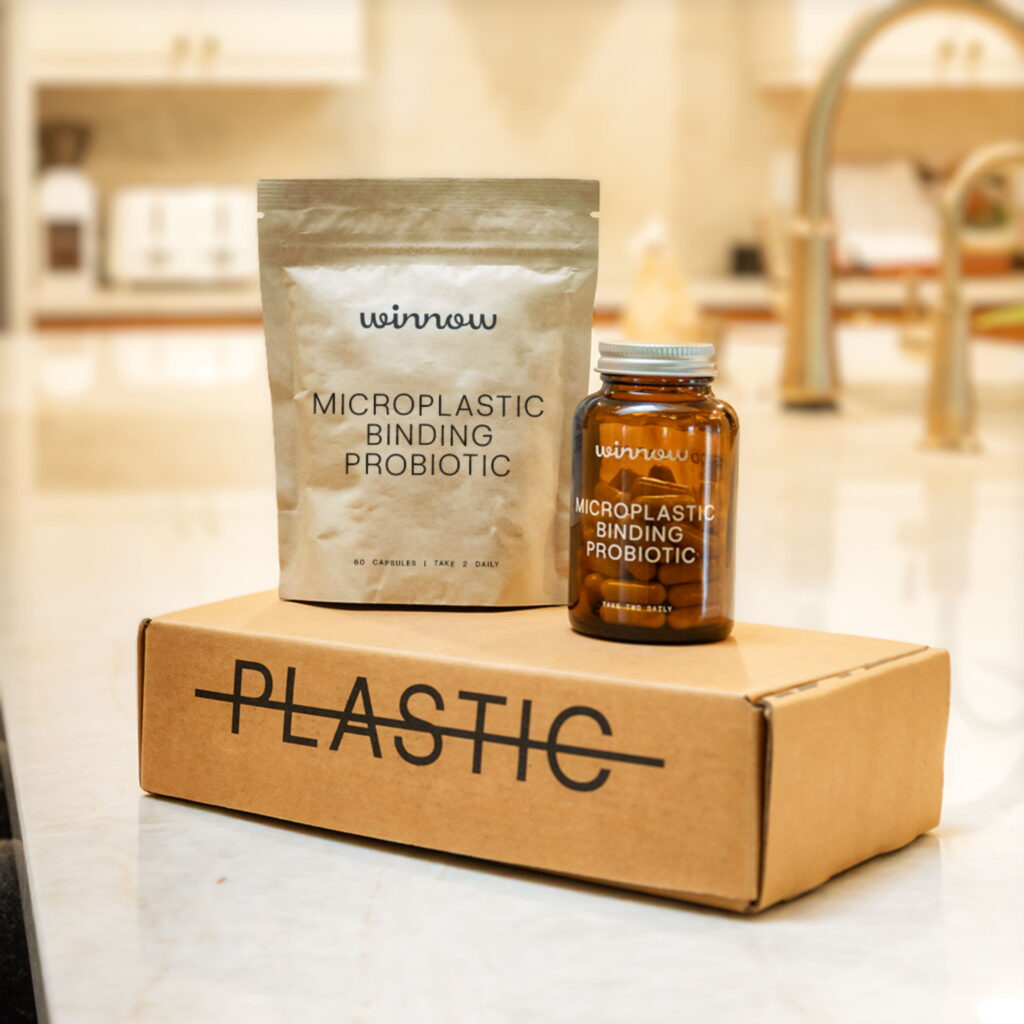
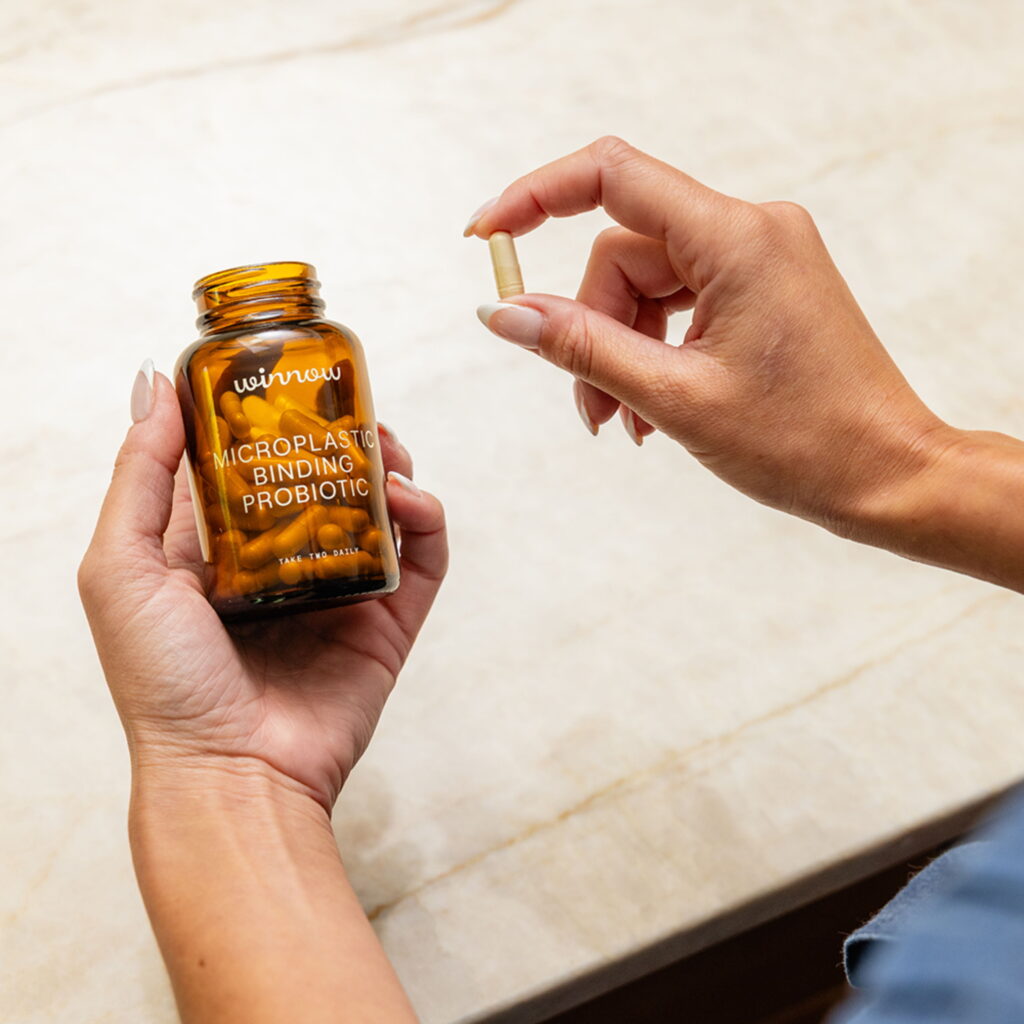
Winnow is marketed as a daily probiotic formulation engineered primarily for gastrointestinal health, with an innovative secondary objective: binding ingested microplastic particles within the human digestive tract. While millions of consumers routinely utilize probiotics to maintain intestinal microbiota balance, immune function, and regularity, this product incorporates specific bacterial strains chosen for their affinity toward synthetic polymers.
According to the company’s scientific documentation, the formulation relies on a multi-strain matrix that pairs well-researched probiotic species with specialized microbes identified during preclinical screening. The primary mechanism proposed by developers is surface adsorption. As the probiotic bacteria transit the gastrointestinal lumen, plastic particles physically adhere to extracellular bacterial structures, such as exopolysaccharides (EPS) and surface-layer (S-layer) proteins. Once bound, these synthetic particles are theoretically escorted through the digestive tract and eliminated via natural excretion, thereby minimizing systemic absorption across the intestinal barrier. Furthermore, the brand emphasizes a commitment to circular sustainability by utilizing entirely plastic-free exterior packaging.
The Scientific Foundation: Clinical Probiotics Meet Preclinical Adsorption
The scientific framework supporting Winnow is bifurcated, separating established human clinical data from emerging preclinical findings regarding polymer interaction.
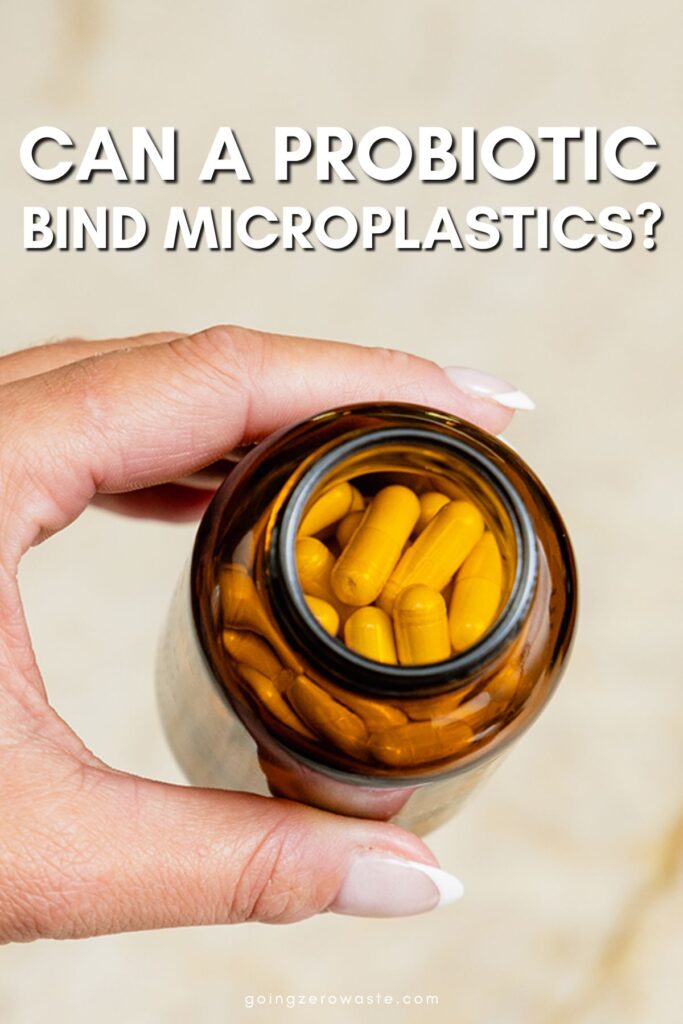
On the digestive health front, the product incorporates clinically validated strains with robust historical documentation in peer-reviewed literature. These include Lactobacillus rhamnosus ATCC 53103, Lactobacillus reuteri DSM 17938, and Lactobacillus acidophilus ATCC SD5212. Decades of gastroenterological research have established these specific strains as effective agents for promoting digestive comfort, supporting mucosal barrier integrity, maintaining bowel regularity, and modulating immune responses.
Conversely, the microplastic-binding attribute represents a novel frontier in biotechnology. Internal laboratory assays conducted by the manufacturer indicate that binding efficiency varies significantly depending on the bacterial strain and the specific polymer type. Common commercial polymers tested in these assays include polyethylene (PE), polypropylene (PS), polystyrene (PS), polyethylene terephthalate (PET), and polyvinyl chloride (PVC), alongside heterogeneous blended plastic mixtures. Notably, internal data suggests that the complete multi-strain symbiotic formula outperforms individual isolated strains, binding up to 1.8 times more plastic material across various polymer categories than any single component operating independently.
This corporate research aligns with broader academic inquiries into bioremediation and bio-adsorption. A notable peer-reviewed study published in early 2025 screened 784 distinct bacterial strains, successfully identifying specific probiotic candidates capable of high-efficiency microplastic adsorption. Subsequent animal model testing demonstrated that administration of these strains significantly increased the fecal excretion of microplastics while concurrently reducing the accumulation of foreign particles within intestinal tissues. Despite these promising indicators, experts emphasize that microplastic-binding data remains strictly preclinical, awaiting large-scale, randomized human clinical trials to confirm absolute efficacy in vivo.
Contextualizing the Microplastic Crisis: A Timeline of Discovery
To understand the emergence of targeted consumer countermeasures like Winnow, it is necessary to examine the rapid evolution of microplastic research over the past two decades.
- 2004: British marine biologist Professor Richard Thompson formally coins the term "microplastics" in a landmark paper published in Science, detailing the accumulation of microscopic plastic debris in marine environments dating back to the 1960s.
- 2014–2016: Scientific focus expands from marine life to freshwater systems and terrestrial environments. Researchers identify synthetic fibers in municipal tap water and commercial table salt.
- 2018: The first landmark study presented at United European Gastroenterology confirms the presence of microplastics in human stool samples across multiple global continents, proving that humans regularly ingest these materials.
- 2020–2022: Advanced spectroscopic analyses detect microplastics in human bloodstreams for the first time, followed closely by discoveries in human placentas, breast milk, and deep lung tissue.
- 2024–2025: Academic literature pivots heavily toward biomedical implications, exploring cytotoxicity, endocrine disruption, and gut microbiome alterations caused by plastic accumulation. High-throughput screening of bacterial strains for polymer adsorption begins to appear in peer-reviewed journals.
- 2026: Commercial products featuring targeted microplastic-binding mechanisms, such as Winnow, officially enter the consumer wellness market, reflecting growing public demand for mitigation tools.
Expert Consensus and Regulatory Perspectives
Public health officials, toxicologists, and environmental advocates maintain a pragmatic view regarding probiotic interventions. Independent scientists uniformly agree that dietary supplements cannot serve as a standalone solution or a "magic bullet" for global plastic pollution. Environmental organizations stress that mitigating human exposure requires structural remediation: stricter industrial regulations, phase-outs of hazardous chemical additives, extended producer responsibility, and systemic redesigns of food packaging systems.
Nevertheless, public health analysts note that as environmental contamination becomes an inescapable reality, adjunct personal strategies are gaining traction among consumers seeking to lower their cumulative body burden. Probiotic binding represents a mechanical intervention designed to assist natural elimination processes, complementing rather than replacing behavioral changes and structural policy reform.
Practical Mitigation: Everyday Strategies to Reduce Plastic Exposure
While biotechnological innovations like microplastic-adsorbing probiotics offer a novel layer of defense, environmental health experts continue to recommend primary behavioral modifications to limit daily ingestion and inhalation of synthetic particles. Minimizing exposure at the source remains the most effective strategy for safeguarding long-term physiological health.
- Avoid Heating Food in Plastic: High temperatures accelerate the degradation of polymer matrices, causing millions of nanoparticles to leach directly into meals. Transitioning to glass or ceramic containers for microwave heating is strongly advised.
- Reevaluate Hydration Habits: Studies consistently show that single-use bottled water contains significantly higher concentrations of microplastics and nanoplastics compared to treated municipal tap water. Utilizing stainless steel bottles and certified multi-stage water filtration systems substantially decreases daily intake.
- Upgrade Kitchen Utensils: Traditional plastic cutting boards develop deep grooves over time from knife blades, shedding microplastic particles directly into fresh produce and meats. Switching to wooden, bamboo, or composite stone surfaces eliminates this vector.
- Mind Textile Choices: Indoor air and household dust are heavily laden with synthetic microfibers shed from polyester, acrylic, and nylon garments and upholstery. Increasing the frequency of HEPA-filtration vacuuming and prioritizing natural fibers (cotton, linen, wool, and hemp) reduces indoor inhalation risks.
- Opt for Fresh and Minimally Processed Foods: Industrial processing, conveyor belts, and multi-layered commercial packaging contribute heavily to the shedding of microparticles onto consumable goods. Incorporating unpackaged produce and reducing reliance on heavily packaged convenience foods lowers overall dietary exposure.
Broader Implications and Market Outlook
The introduction of specialized microbiome therapies targeting environmental toxins marks a significant shift in the wellness and biotechnology sectors. As empirical data surrounding the chronic physiological impacts of microplastics continues to accumulate, consumer demand for protective and mitigating health products is projected to expand.
While the scientific community awaits definitive human trials to quantify the precise clinical benefits of polymer-adsorbing probiotics, the convergence of microbiology and environmental toxicology highlights a sobering reality: humanity must simultaneously tackle the systemic roots of plastic pollution while engineering biological tools to navigate the polluted environment already created.