A Week of Vibrant Summer Flavors: Weelicious Unveils a Diverse Meal Plan to Embrace Seasonal Produce


The culinary landscape for the upcoming week is set to be a celebration of fresh, seasonal ingredients, as highlighted by a detailed meal plan designed to maximize the bounty of summer. This comprehensive guide, curated to offer variety and ease, features a thoughtfully assembled collection of breakfast, lunch, and dinner options, alongside a selection of appealing snacks. The emphasis on utilizing peak-season produce underscores a growing trend towards mindful eating and a desire to connect with the freshest available ingredients.
Breakfast: A Smoothie Symphony and Weekend Waffles
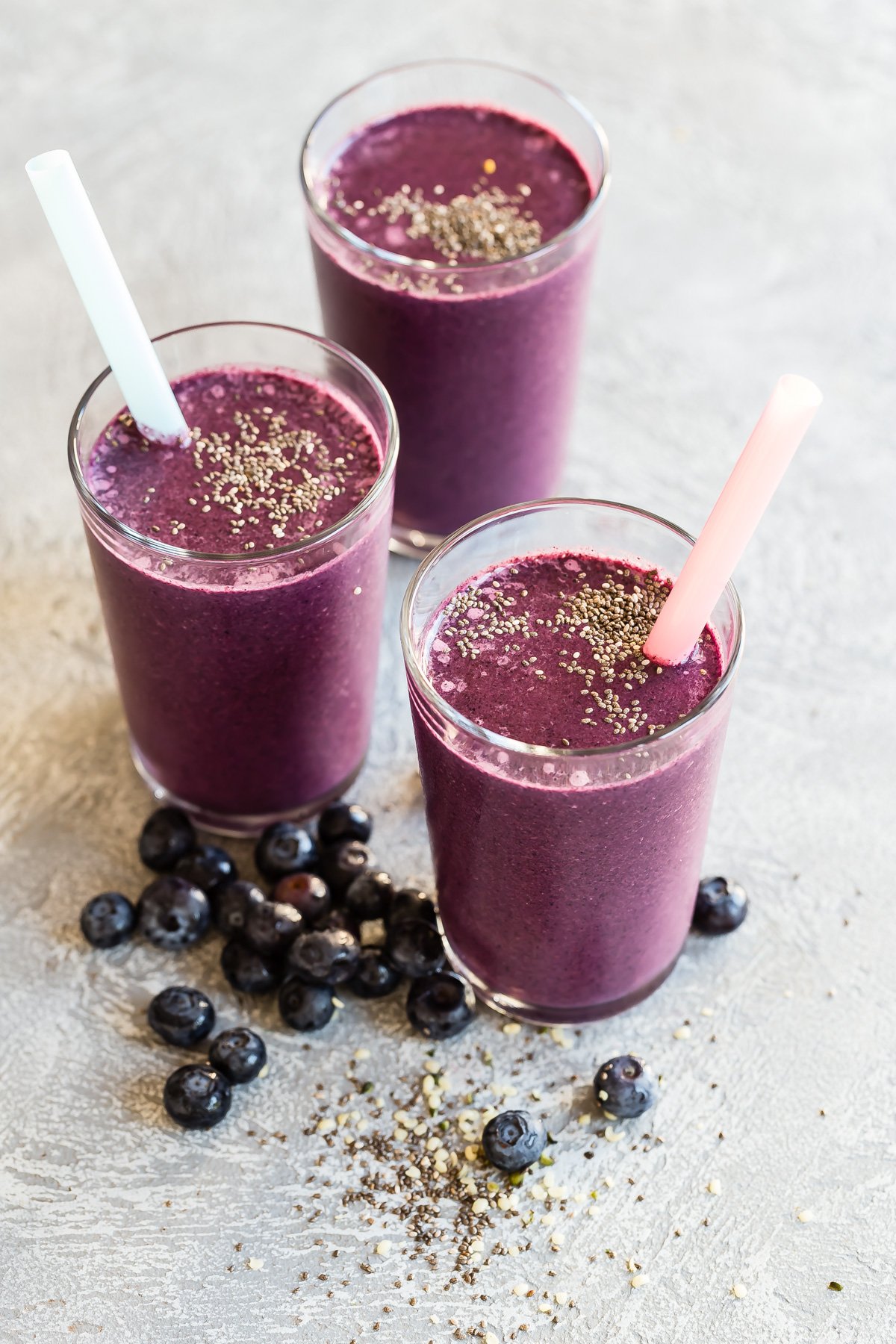
The week’s breakfast repertoire kicks off with a robust offering of smoothies, catering to those seeking quick, nutrient-dense, and refreshing starts to their day. The plan features four distinct smoothie recipes: a "Blueberry Chia Smoothie," a "Chocolate Peanut Butter Smoothie," an "Immune Boosting Very Berry Smoothie," and a "Vanilla Avocado Greens Smoothie." This diverse selection aims to provide a range of flavor profiles and nutritional benefits, from antioxidant-rich berries to the healthy fats found in avocado and the protein boost from peanut butter.

The inclusion of smoothies aligns with current dietary trends that prioritize convenience without compromising on health. According to recent consumer surveys on healthy eating habits, smoothies consistently rank high among breakfast choices for their perceived health benefits and ease of preparation. The week culminates with "Banana Waffles" designated for the weekend, offering a more indulgent yet still wholesome option for family breakfasts, often a time for shared meals and relaxed pacing.
Snack Sensations: Bite-Sized Delights for In-Between Meals
Snacks are an integral part of maintaining energy levels throughout the day, and this meal plan offers a delightful array of options. The proposed snacks include "Chewy Granola Balls," "Strawberry Yogurt Ice Pops," "Good Morning Protein Cookies," and "Tomato Bruschetta." This curated selection balances sweet and savory, portable and more involved preparations.
The "Strawberry Yogurt Ice Pops" are a particularly timely inclusion, capitalizing on the warm weather and the refreshing appeal of frozen treats. Similarly, "Tomato Bruschetta" leverages the abundance of ripe summer tomatoes, offering a light and flavorful appetizer or snack. The "Chewy Granola Balls" and "Good Morning Protein Cookies" provide more substantial, energy-boosting options, ideal for sustained activity. The popularity of homemade snacks continues to rise as consumers seek to control ingredients and avoid processed alternatives, a sentiment echoed in the growing market for wholesome snack recipes.
Lunchtime Logistics: Salads, Wraps, and Classic Comforts
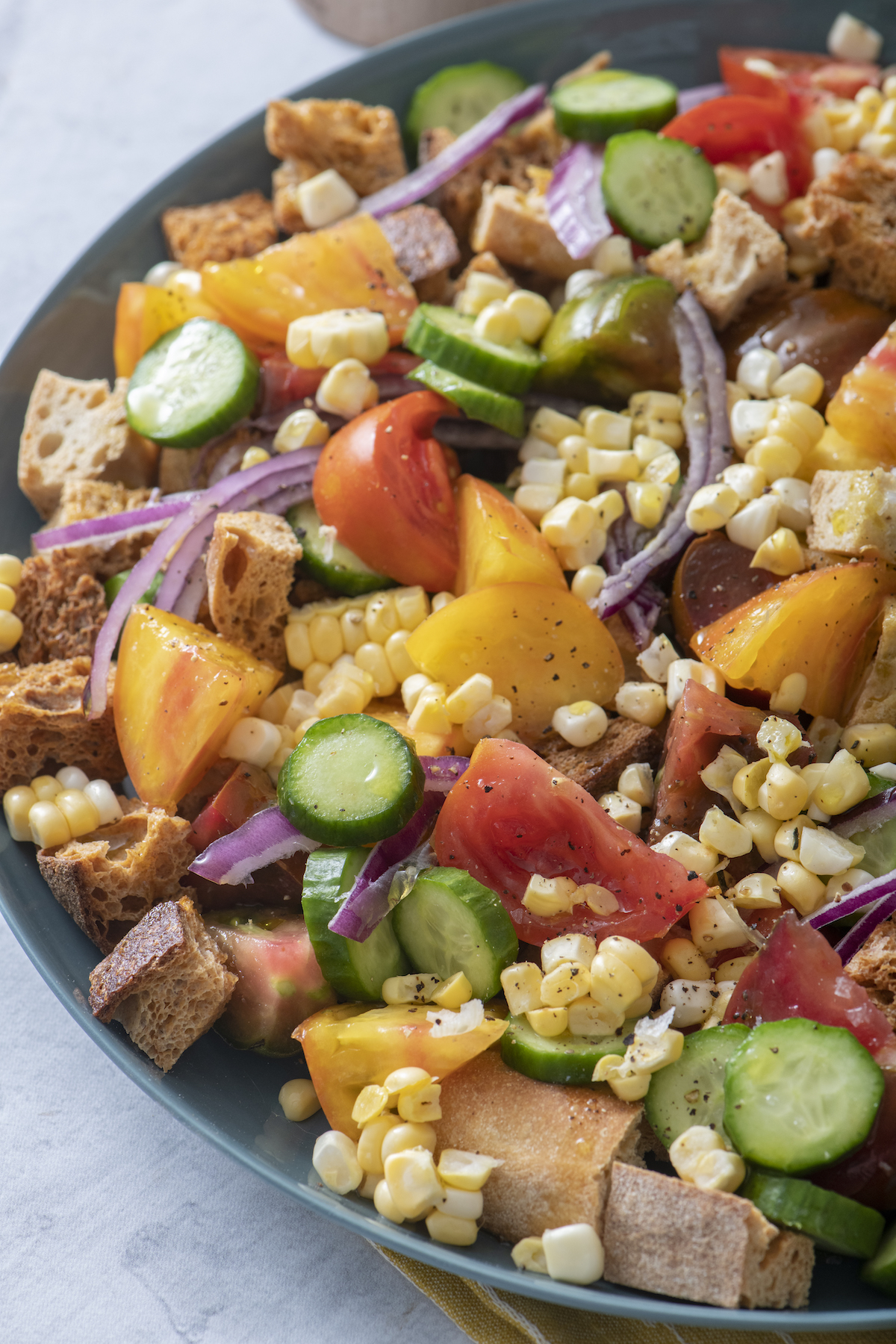
Midday meals are designed for both sustenance and ease, with a focus on dishes that can be prepared efficiently or offer opportunities for leftovers. The lunch lineup begins with a substantial "Tomato Bread Salad," a dish that highlights the vibrant flavors of summer tomatoes and the satisfying texture of bread. This is followed by "Grilled Pizza Roll Ups," "Egg Salad Sandwiches," and "BLT Bites."
The "Tomato Bread Salad," often referred to as a panzanella in its traditional Italian form, is a prime example of utilizing summer produce to its fullest. Its preparation often involves stale bread, which soaks up the juices from fresh tomatoes and other vegetables, minimizing food waste. The "Grilled Pizza Roll Ups" offer a playful and engaging option, particularly for younger eaters, while the classic "Egg Salad Sandwich" and "BLT Bites" provide familiar comfort food with a slight twist. The inclusion of these diverse options suggests an understanding of varied dietary needs and preferences, from vegetarian-friendly salads to protein-rich sandwiches.
Dinner Delights: A Culinary Journey Through the Week

The evening meals are the centerpiece of the weekly plan, offering a diverse range of cuisines and preparation styles, all while keeping the summer season in mind.
Sunday: A Relaxed Start with Lemon Shrimp Pasta
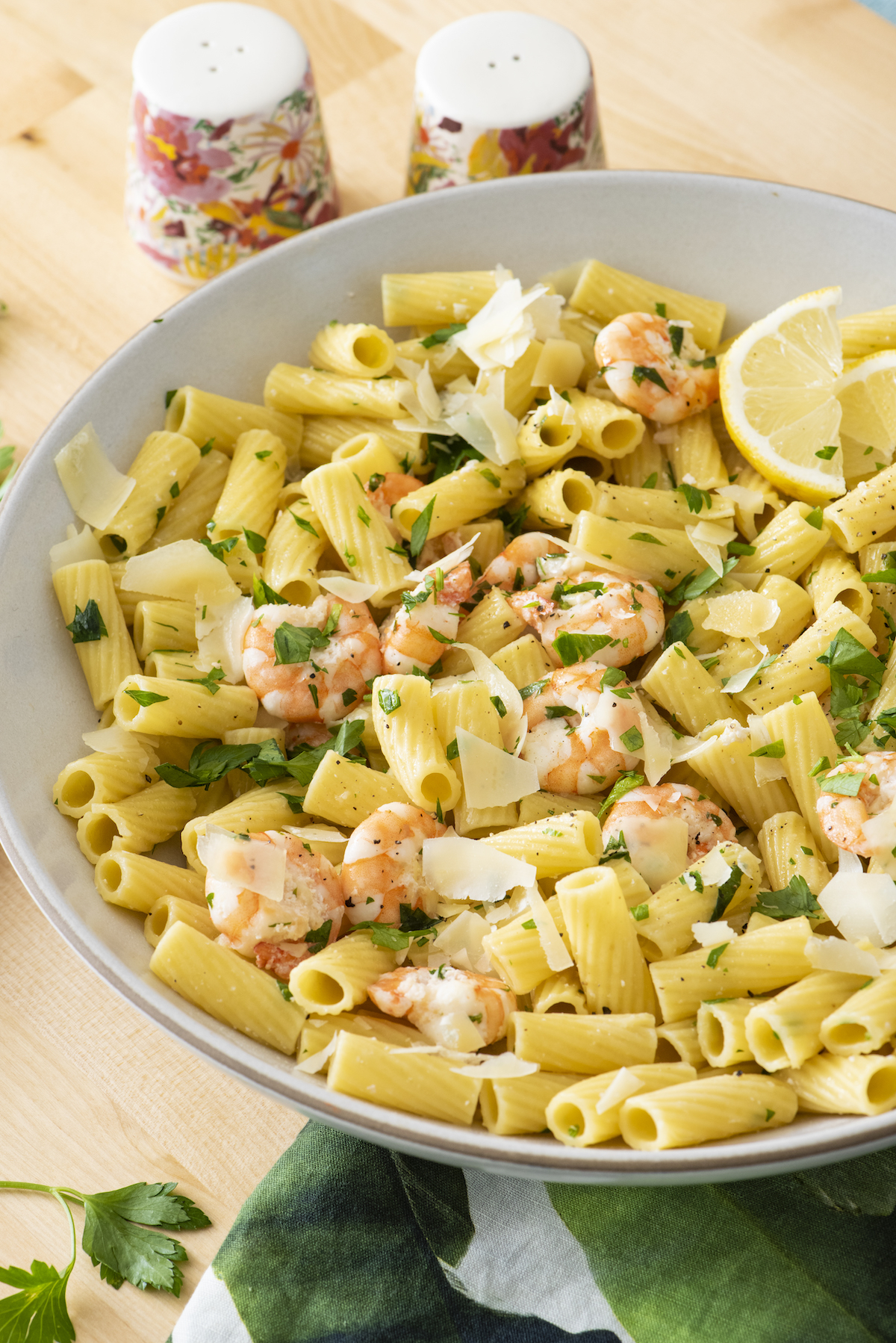
The week commences with "Lemon Shrimp Pasta" accompanied by "Air Fryer Veggies" on Sunday. This pairing suggests a desire for a relatively simple yet elegant meal to mark the beginning of the week. The air fryer’s efficiency in cooking vegetables without excessive oil makes it a popular choice for health-conscious households, aligning with the ongoing popularity of air fryer cooking as reported by culinary trend analyses. Shrimp, being a quick-cooking protein, further contributes to the meal’s ease of preparation, making it ideal for a relaxed Sunday supper.
Monday: Meatless Marvel with Caprese Quiche
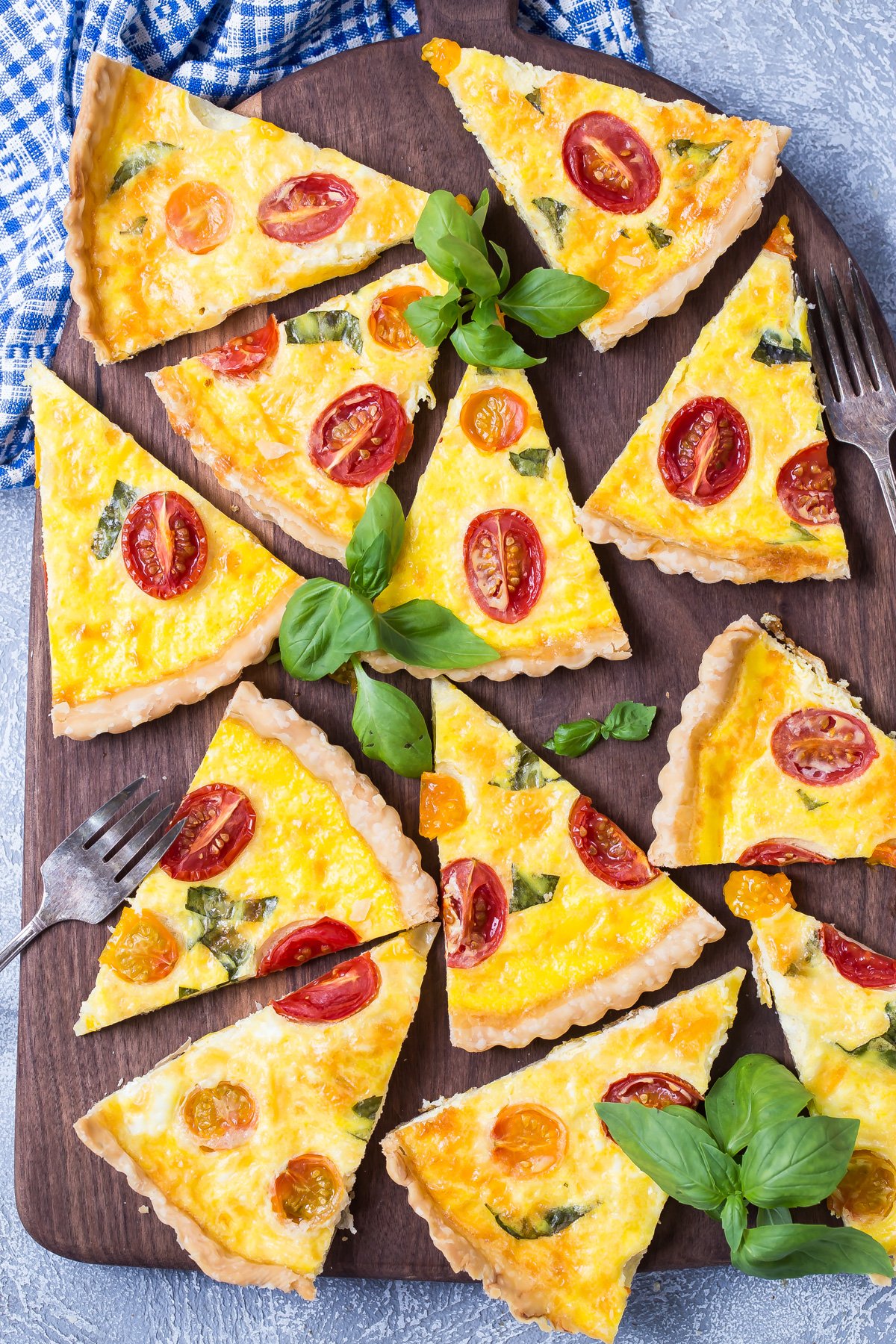
"Meatless Monday" is observed with a "Caprese Quiche" served alongside a "Summer Garden Salad." This meal champions fresh mozzarella, ripe tomatoes, and basil, classic ingredients that epitomize summer. The quiche, a versatile dish, also offers the practical benefit of providing leftovers that can be repurposed for lunches during the week, a strategy that contributes to efficient meal planning and reduced cooking time. The "Summer Garden Salad" complements the richness of the quiche with a refreshing and crisp counterpoint.
Tuesday: Aromatic Flavors with Chicken Tikka
Tuesday’s menu features "Chicken Tikka with Cucumber Mint Raita" served with Jasmine Rice. This dish introduces international flavors, demonstrating a willingness to explore diverse culinary traditions. The mention of a child, Gemma, assisting in the preparation of the skewers highlights the meal plan’s family-friendly approach and the potential for involving younger members in the cooking process. The cooling raita provides a welcome contrast to the warm spices of the chicken, a common and effective pairing in South Asian cuisine.
Wednesday: Seafood and Sides with Salmon Burgers
Midweek dining shifts to "Salmon Burgers" accompanied by "Air Fryer French Fries" and "Grilled Lemon Asparagus." Salmon burgers offer a healthy alternative to traditional beef burgers, rich in omega-3 fatty acids. The inclusion of both air-fried fries and grilled asparagus provides complementary textures and flavors, showcasing a balanced approach to a popular meal format. The grill offers a quintessential summer cooking method, imbuing the asparagus with a subtle smoky char.
Thursday: Effortless Enjoyment with Lazy BBQ Chicken
Thursday’s "Lazy BBQ Chicken" paired with "Summer Pasta Salad" is presented as an end-of-week meal that prioritizes simplicity. The term "Lazy BBQ Chicken" implies a streamlined cooking process, likely involving minimal prep work but delivering maximum flavor. A pasta salad is a fitting accompaniment, as it can be made ahead of time and is adaptable to various seasonal vegetables. This combination underscores the value of quick and satisfying meals as the weekend approaches.
Friday: A Fun-Filled Finale with Pizza Quesadillas
"Pizza Quesadillas" with "Chopt Caesar Salad" mark the traditional "Pizza Friday" with a creative twist. This fusion dish offers the familiar flavors of pizza in a more portable and perhaps less messy format, making it a crowd-pleaser for families. The accompanying Caesar salad adds a fresh, green element to the meal. The plan also anticipates a weekend treat: "Peach Crumble," leveraging the sweetness and availability of summer peaches.
Saturday: A Culinary Pause with Local Takeout
Acknowledging the desire for a break from home cooking, Saturday is designated for ordering in from a local restaurant. This inclusion recognizes the importance of flexibility in meal planning and supports local businesses, a consideration that has gained prominence in recent years.
Broader Implications and Context

This meticulously crafted meal plan from Weelicious reflects several prevailing trends in contemporary food culture. Firstly, it underscores the enduring appeal of seasonal eating, emphasizing the use of summer produce at its peak. This approach not only enhances flavor but also aligns with principles of sustainable food consumption by prioritizing locally available ingredients when possible.
Secondly, the plan demonstrates a commitment to family-friendly, yet health-conscious, eating. The inclusion of recipes that can be adapted for children, such as the "Grilled Pizza Roll Ups" and the mention of a child assisting with "Chicken Tikka," indicates a focus on creating positive associations with food and cooking from a young age. The variety of options, from smoothies to more elaborate dinners, suggests an understanding of diverse family schedules and dietary needs.
Furthermore, the incorporation of modern cooking methods like air frying and grilling showcases an adaptation to contemporary kitchen practices. These methods are often favored for their speed, health benefits, and ability to produce flavorful results with less effort. The inclusion of a "Meatless Monday" option and the emphasis on balanced meals with protein, vegetables, and healthy carbohydrates are indicative of a broader awareness of nutritional science and its application in everyday cooking.
The act of sharing such a detailed meal plan also speaks to the increasing desire for guidance and inspiration in the kitchen. In an era of information overload, curated resources that simplify meal preparation and offer variety are highly valued. Weelicious, as a platform, plays a role in facilitating this by providing accessible recipes and practical planning tools. The implicit goal is to reduce the stress associated with daily meal decisions, encouraging families to enjoy their food and their time together. The success of such plans often lies in their ability to offer a framework that is both practical and inspiring, allowing individuals to adapt and personalize it to their specific tastes and circumstances. The overarching message is one of joyful, healthy, and efficient home cooking, harnessing the best of what the summer season has to offer.