The First Two Years: Laying the Foundation for a Lifelong Love of Food

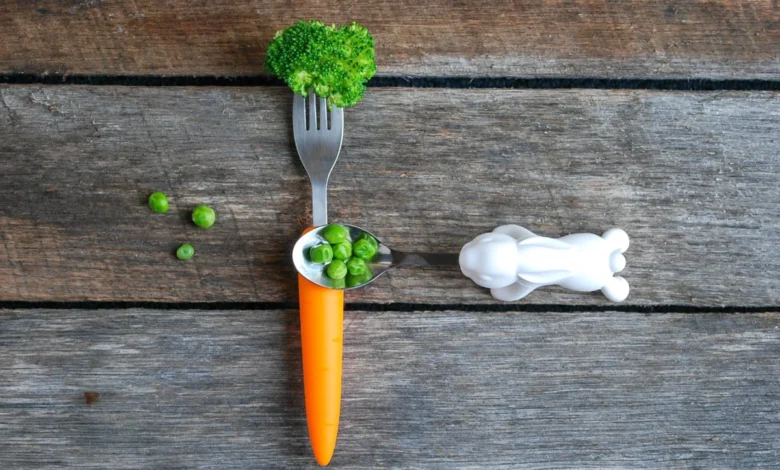
The journey to raising a confident and adventurous eater often begins long before a child utters their first word or takes their first bite of solid food. For parents navigating the complexities of early childhood nutrition, understanding the critical window of development within the first two years of life is paramount. A registered dietitian and mother of two shares research-backed strategies that can significantly influence a child’s palate and eating habits, not just through toddlerhood, but into adulthood. This crucial period offers a unique opportunity to shape a child’s relationship with food, transforming potential challenges into a foundation for healthy eating.
The early years of a child’s life are a sensitive and pivotal time for developing food preferences. While it is never too late to foster healthy eating habits, establishing positive patterns from infancy and toddlerhood significantly eases the process. The strategies discussed are not only practical but are grounded in scientific understanding of infant and child development, offering parents actionable steps to encourage a lifelong appreciation for a diverse range of foods.
The Critical First Two Years: A Sensitive Period for Palate Development
The period from pregnancy through a child’s second birthday is a foundational stage for establishing eating behaviors. This timeframe is particularly significant because a child’s sensory experiences and early exposures to different flavors and textures can profoundly impact their willingness to try new foods later in life.
The "Flavor Window": A Prime Opportunity

Between approximately four and eighteen months of age, infants enter what researchers refer to as the "Flavor Window." During this critical period, babies are exceptionally receptive to new tastes and are more likely to develop preferences for a variety of foods. Introducing a wide array of flavors and food types during this window can significantly increase a child’s openness to trying new foods as they grow. This period is not a definitive deadline, but rather a highly influential phase that parents can leverage to cultivate positive eating habits.
Prenatal Influences: The Seeds of Taste
Even before birth, a baby’s palate begins to form, influenced by the mother’s diet. The amniotic fluid surrounding the fetus carries the flavors of the foods the mother consumes, providing an early, albeit subtle, introduction to a range of tastes.
1. Maternal Diet Diversity During Pregnancy
Research suggests that babies exposed to certain flavors in utero may show a greater acceptance of those flavors once they begin solid foods. A notable study highlighted this phenomenon by observing infant responses to carrots. In this research, pregnant women who consumed carrot juice in the last trimester or during the initial months of breastfeeding demonstrated that their infants exhibited more positive reactions and fewer grimaces when introduced to carrots compared to infants whose mothers drank only water.
This implies that a diverse maternal diet during pregnancy can lay the groundwork for a more adventurous palate in the child. While the ideal scenario involves a nutrient-rich and varied diet, it is important to acknowledge the realities of pregnancy, including severe nausea and vomiting. For mothers experiencing such challenges, the advice is to aim for variety whenever possible, without succumbing to guilt. The focus should remain on the long-term goal of fostering healthy eating habits, understanding that challenging periods are a normal part of the process.
The Introduction of Solids: Building Familiarity and Acceptance
Once a baby transitions to solid foods, typically around six months of age, the opportunities to shape their eating habits expand significantly. The old adage, "food before one is just for fun," has been largely debunked by modern research, which indicates that the way babies are introduced to solids has a direct impact on their food acceptance.

2. Embracing Baby-Led Weaning (BLW)
Baby-Led Weaning (BLW) is a feeding approach where infants are offered appropriately sized pieces of whole foods to self-feed. This method encourages babies to explore different textures and tastes from the outset, potentially leading to greater acceptance of "grown-up" table foods. Foods suitable for BLW include well-cooked wedges of sweet potato, large sticks of soft carrot, steamed broccoli florets, ripe fruits like kiwi or banana, avocado, and soft, cooked meats or eggs.
The core principle of BLW is that the parent offers the food, but the baby determines how much and how quickly they eat. By allowing infants to actively participate in their meals, they develop a sense of control and autonomy, which can foster a more positive relationship with food. Studies suggest that babies introduced to a variety of textures and table foods early on through BLW may be more inclined to accept diverse foods as they grow, particularly whole foods like fruits and vegetables, compared to those exclusively fed purees.
3. Understanding and Managing Food Reactions
It is common for babies to exhibit facial grimaces when encountering new or bitter flavors, such as pureed broccoli. Researchers emphasize that this grimace is often a natural physiological response to bitterness and does not necessarily indicate a dislike for the food. Babies may grimace and still continue to eat, demonstrating that initial reactions are not always indicative of long-term preference.
If a baby consistently refuses a particular food, it is advisable to try again on a different day. Persistent refusal without further investigation can lead parents to prematurely dismiss healthy foods, limiting the child’s exposure.
4. The Power of Repeated Exposure: Keeping Rejected Foods in Rotation
A significant finding in feeding research is that children often need to be exposed to a new fruit or vegetable multiple times before they develop a preference for it. Studies indicate that children may need to taste a food as many as 8 to 9 times before they show increased acceptance. However, many parents tend to give up after only 3 to 5 attempts if their child appears uninterested.

To foster familiarity and comfort with foods, it is crucial to keep rejected items in rotation. This consistent exposure allows children to become more accustomed to the flavors and textures, gradually building acceptance. Maintaining a log of foods introduced and the number of times they have been offered can be a practical tool for parents to ensure adequate repetition and avoid prematurely labeling a food as disliked.
5. Gradual Progression Through Textures
Sticking to smooth purees for an extended period can inadvertently hinder a child’s transition to a wider range of food textures. Babies who are kept on purees for too long may experience difficulties in accepting lumpier or more varied textures later on. Research has shown that children who were not introduced to lumpy solids until after nine months of age tended to consume a smaller variety of foods and experienced more feeding problems compared to those who were introduced to lumpier textures earlier.
A gradual progression through textures—from smooth purees to lumpy mashes and then to soft finger foods—helps babies become comfortable with the diverse sensory experiences of food in their mouths. This prepares them for a broader range of culinary experiences and reduces the likelihood of texture-related feeding issues.
Navigating the Toddler Years: Consolidating Healthy Habits
The toddler years, typically from ages one to three, often present new challenges in the realm of eating. As children gain independence and develop stronger opinions, picky eating can become more pronounced. This stage is characterized by a decrease in fruit and vegetable consumption, an increased desire for sweets, and a strong assertion of preferences.
The primary goal during these years is to maintain the healthy habits established in the first year and to persevere with consistent exposure to nutritious foods, even when it feels like progress is slow.

6. Consistent Exposure to Fruits and Vegetables
A cornerstone strategy for toddlers is to serve a fruit or vegetable at most meals and snacks. While this does not guarantee that the child will eat the offered produce, it ensures regular exposure, which is key to building familiarity and eventual acceptance.
A particularly effective tactic is to offer vegetables as a snack in the hour leading up to dinner. During this time, children are often at their hungriest, making them more receptive to trying new foods. This pre-dinner snack strategy ensures that even if they do not consume vegetables at the main meal, they have already had some exposure to healthy options.
7. The Art of "Backing Off": Avoiding Pressure Tactics
One of the most counterintuitive yet impactful findings in feeding research is that pressuring children to eat is ineffective and can, in fact, be detrimental to their eating habits. Studies have consistently shown that children who are pressured to eat consume less food and make more negative comments about meals. Furthermore, being told to eat something because it is "good for them" has been linked to lower liking and consumption of that food.
Long-term consequences of forced eating can be significant. Research involving college students revealed that a substantial majority (72%) who were forced to eat certain foods as children still refuse to eat those foods as adults. This highlights the importance of avoiding coercive tactics.
Instead of applying pressure, parents can adopt a more supportive approach. Serving the food and offering a phrase like, "You don’t have to eat it," if pushback occurs, can be remarkably effective. This simple statement removes the pressure, creating a more relaxed mealtime environment and paradoxically often encouraging the child to try the food.
Addressing Concerns Beyond Picky Eating
While picky eating is a normal developmental phase for many children, certain signs may indicate a need for professional intervention. If a child consistently eats only a very limited number of foods, is not gaining weight appropriately, or experiences significant anxiety around mealtimes, it is advisable to consult with a pediatrician. They can provide guidance and recommend referrals to specialized professionals such as feeding therapists or registered dietitians who can offer targeted support.
Conclusion: A Holistic Approach to Nourishment
Fostering a positive and healthy relationship with food is a gradual process that begins in the earliest stages of life. By understanding the critical developmental windows and implementing research-backed strategies, parents can significantly influence their child’s lifelong eating habits. From prenatal nutrition to the introduction of solids and navigating the complexities of toddlerhood, consistent exposure, patience, and a pressure-free environment are key. While the journey may have its challenges, the rewards of raising a confident and adventurous eater are immeasurable, contributing to a child’s overall health and well-being. The resources available, such as comprehensive guides offering detailed strategies for each developmental stage, can empower parents with the knowledge and tools to embark on this rewarding path.