Safe Finger Foods for 6 Month Old: A Pediatric Dietitian’s Guide to Developmental Readiness and Safety

The transition to solid foods is a critical developmental milestone that typically occurs around the six-month mark. For many parents, this period is marked by a tension between the desire to foster a child’s independence through self-feeding and the inherent anxieties regarding choking hazards. While traditional feeding practices often prioritized purees as the primary entry point to solids, modern pediatric nutrition guidance—led by experts like Registered Dietitian Edwena Kennedy—increasingly emphasizes the role of nutrient-dense, developmentally appropriate finger foods as a way to enhance motor skills and promote long-term healthy eating habits.
Defining Developmental Readiness for Solid Foods
Before introducing any solid foods, pediatric guidelines from organizations such as the Centers for Disease Control and Prevention (CDC) emphasize that parents must look for specific physiological indicators of readiness rather than strictly adhering to a calendar date. While six months is the standard clinical recommendation for introducing solids alongside breast milk or formula, the individual child’s development remains the primary metric.

Key markers of readiness include the ability of the infant to sit with little to no support, indicating sufficient core strength to maintain an upright airway. Furthermore, infants must demonstrate adequate head and neck control, which is essential for safe swallowing. Neurologically, the infant should exhibit a diminished tongue-thrust reflex—a survival instinct that causes a baby to push objects out of their mouth. When this reflex fades, it indicates that the baby is neurologically prepared to move, manipulate, and swallow semi-solid textures. Finally, the infant should display an interest in food, often characterized by reaching for items or mimicking chewing motions.
The Nutritional Necessity of Iron-Rich Foods
As an infant approaches six months of age, their natural prenatal iron stores, which are accumulated in the final trimester of pregnancy, begin to deplete. According to the Canadian Paediatric Society, this makes the introduction of iron-rich foods a clinical priority. Iron is essential for neurodevelopment and the prevention of anemia, which can have long-term cognitive implications.
Parents are advised to prioritize iron-dense foods during the first few weeks of weaning. Recommended options include slow-cooked, tender strips of beef or lamb, which provide bioavailable heme iron. Other excellent choices include tofu, legumes, and salmon, which can be prepared in soft, manageable shapes. By focusing on nutrient-dense options from the onset, parents can ensure that the transition to solids supports the infant’s rapid growth and increasing metabolic demands.

Safety Protocols: The Size, Shape, and Texture Framework
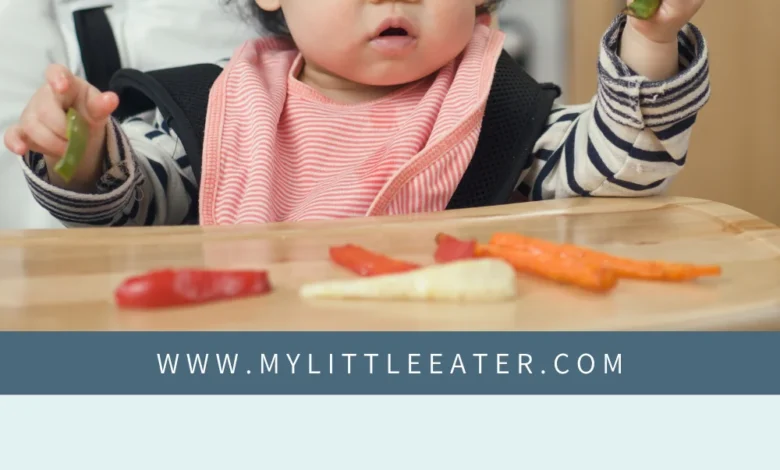
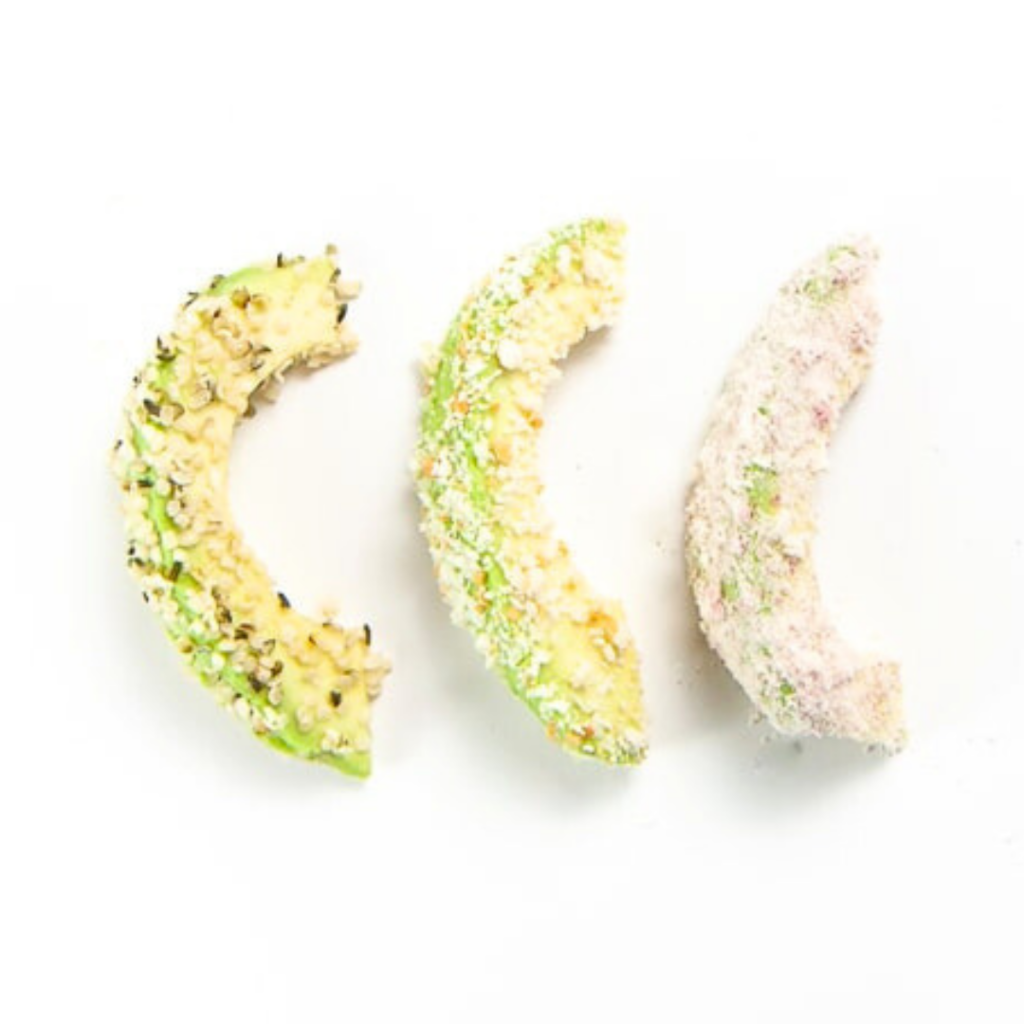
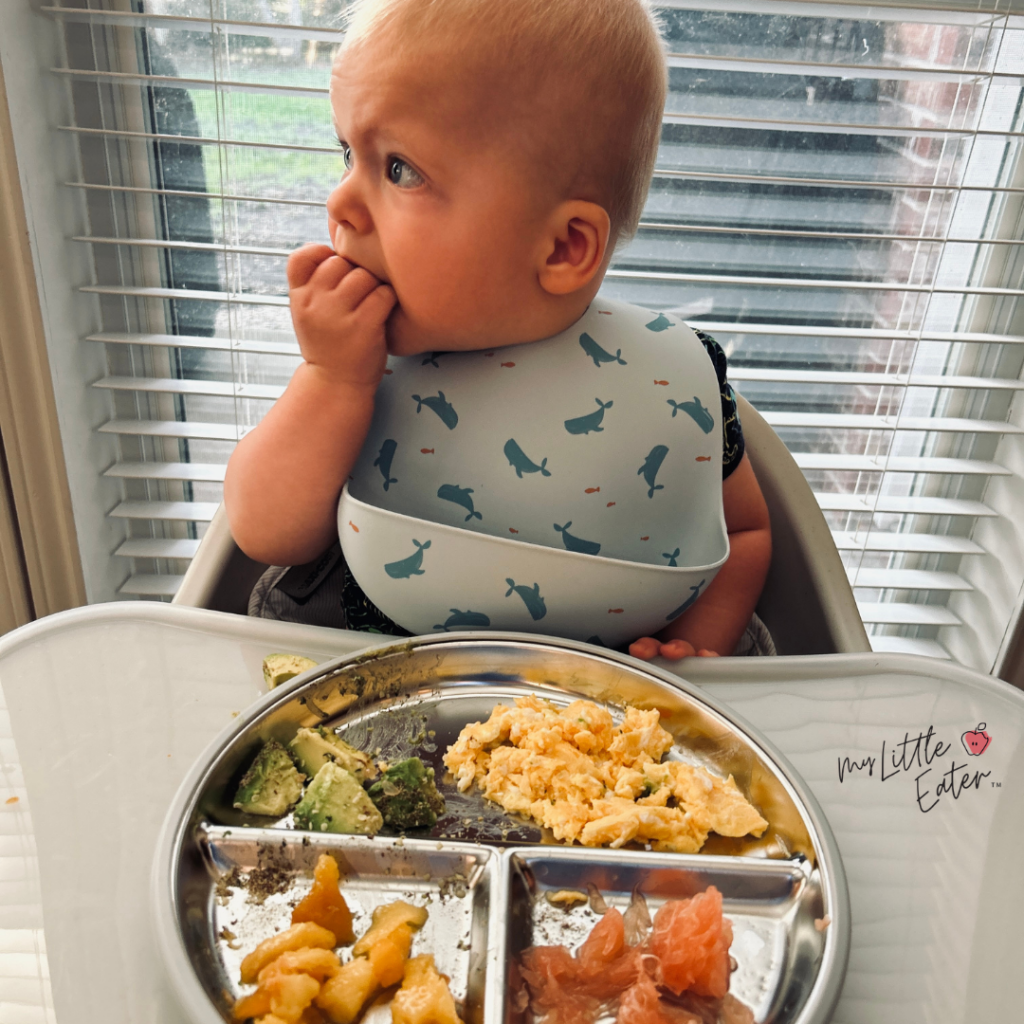
A central challenge in baby-led feeding is the mitigation of choking risks. Experts recommend a three-pronged approach to food preparation: size, shape, and texture. The "two adult fingers" rule serves as a gold standard for beginners; foods such as roasted sweet potato, toasted bread, or soft-cooked vegetables should be cut into strips roughly the size of two adult fingers. This specific shape allows the infant to utilize their palmar grasp—a motor skill where the baby holds objects in their full palm—ensuring that a portion of the food remains visible and accessible outside the hand, reducing the risk of the baby attempting to swallow a piece that is too small.
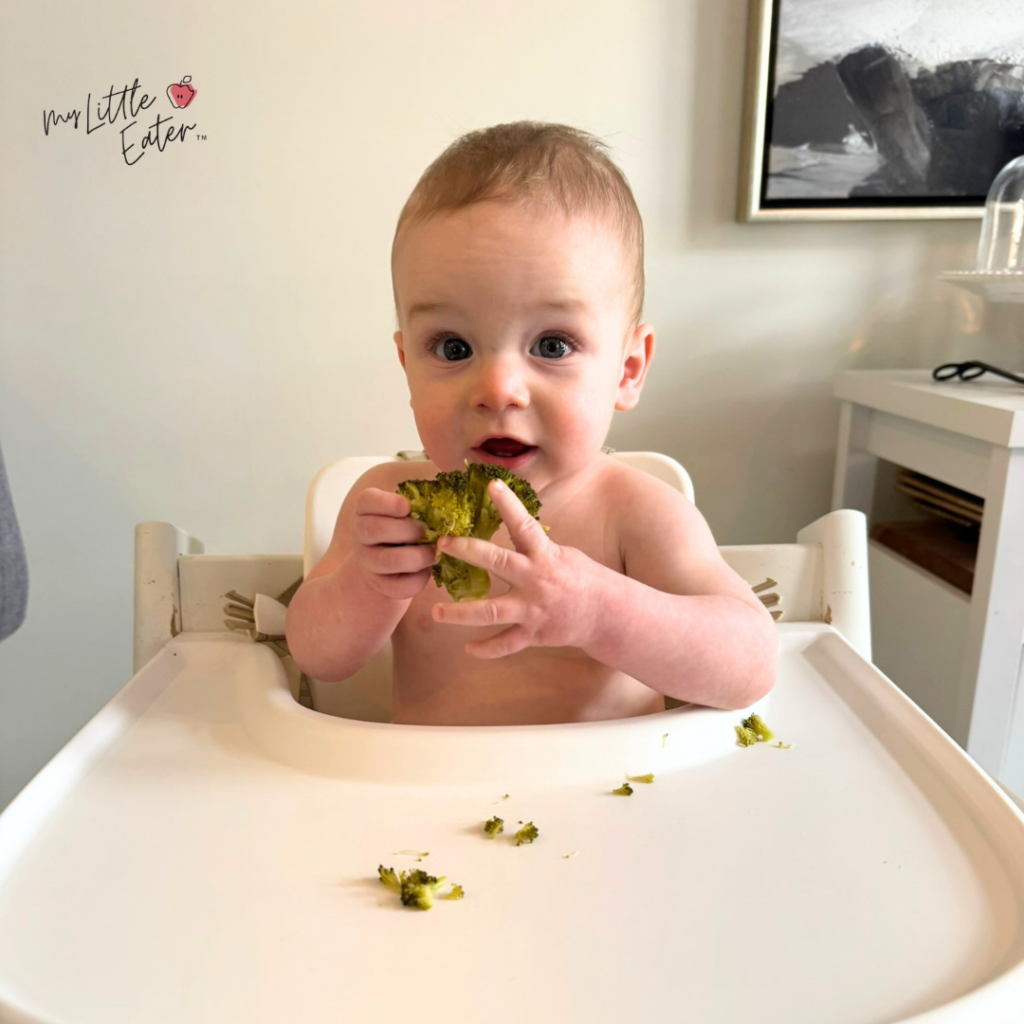
The "Squish Test" is a critical safety assessment tool. Before serving, a parent should be able to easily mash the food between their own thumb and forefinger. If a food item is firm, such as raw apple or carrot, it must be steamed, roasted, or boiled until it reaches a consistency that can be easily broken down by the infant’s gums. While infants do not require teeth to consume solids, they do need soft textures that allow them to practice oral mapping—the process of learning the boundaries and capabilities of the tongue, gums, and cheeks.
Understanding the Gag Reflex versus Choking
One of the most significant hurdles for caregivers is distinguishing between the protective gag reflex and a true choking emergency. The gag reflex is a normal, healthy mechanism that occurs when an infant moves a piece of food that is too large or poorly textured toward the back of the tongue. It is often accompanied by sputtering, coughing, and redness in the face. This is an active, noisy process that signifies the infant is managing the situation.

Conversely, a true choking incident is often silent and involves the complete obstruction of the airway. In such cases, the infant may appear blue or pale, struggle silently, or wheeze. Professional organizations stress that caregivers should never perform a "blind finger sweep" during a gagging episode, as this can inadvertently push the food deeper into the throat. Instead, remaining calm and observant is essential. Parents are strongly encouraged to undergo formal infant CPR and first aid training to ensure they can differentiate between these two scenarios and respond effectively if a genuine emergency occurs.
Environmental Factors and Mealtime Hygiene
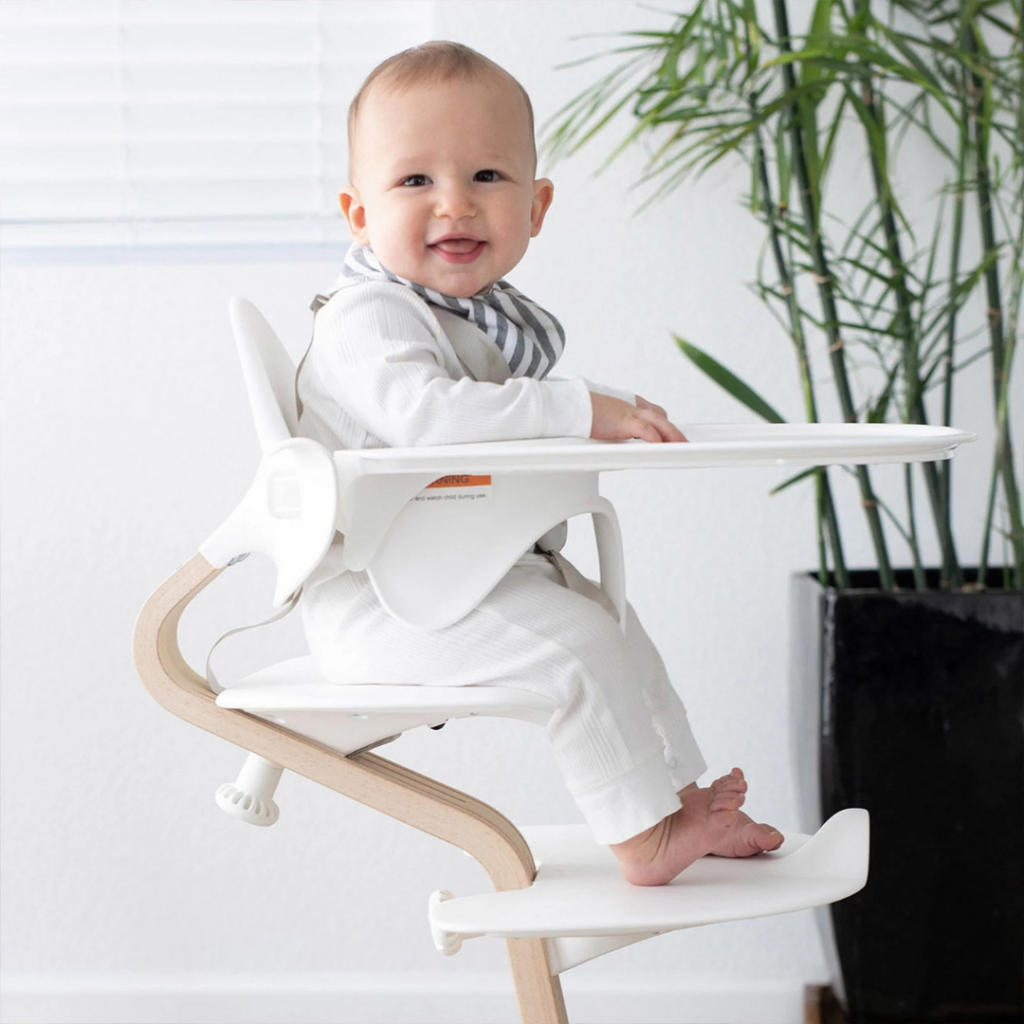
The physical environment of the mealtime also plays a vital role in safety. Experts recommend the "90-90-90" rule: the infant should be seated in a high chair that provides a 90-degree angle at the hips, knees, and ankles. This posture supports the core and provides the stability needed for safe swallowing. A high chair with an adjustable footrest is recommended to prevent "dangling legs," which can cause the infant to feel unstable and less capable of focusing on the complex task of oral manipulation.
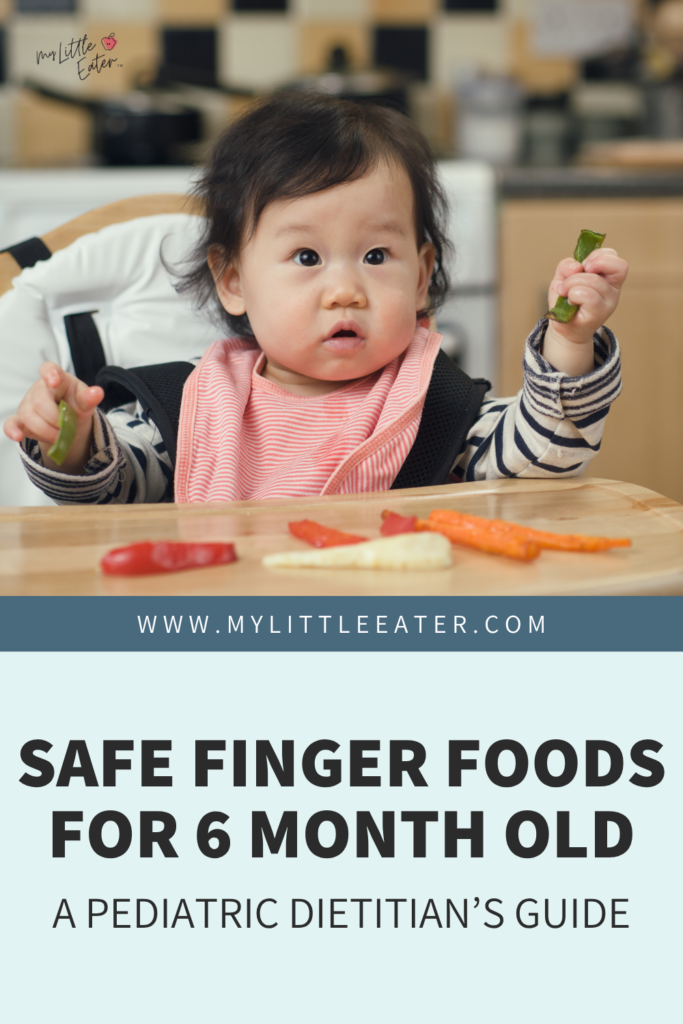
Furthermore, supervision must be constant. The practice of "combo feeding"—a blend of purees and finger foods—is a viable path for many families. This allows parents to provide nutrition through spoon-fed options while simultaneously allowing the infant to explore textures and develop motor skills. It is critical, however, to avoid pressuring the child to eat or forcing food into their mouth, as this interferes with the development of self-regulation and can lead to long-term feeding challenges.

Broader Impact and Long-term Feeding Behavior
Research, including a prominent study published in JAMA Pediatrics, suggests that a baby-led approach to complementary feeding may influence future eating behaviors. Infants who are allowed to explore a variety of textures and participate in self-feeding are often reported by parents to be less "fussy" and more willing to try new foods as they progress into toddlerhood. By respecting the infant’s autonomy at the table, parents foster a positive relationship with food, viewing mealtimes as a sensory and social learning experience rather than a task of reaching specific caloric targets.

It is important to note that for the first several months of the solid food journey, breast milk or formula remains the primary source of nutrition. The objective of early finger foods is exposure, skill development, and the establishment of healthy habits. Variability in intake is common; an infant may show intense interest one day and be content with just playing with the food the next. This fluctuation is a normal aspect of development as the child balances their hunger with the effort required to master new motor skills.

Conclusion: Professional Guidance and Community Support
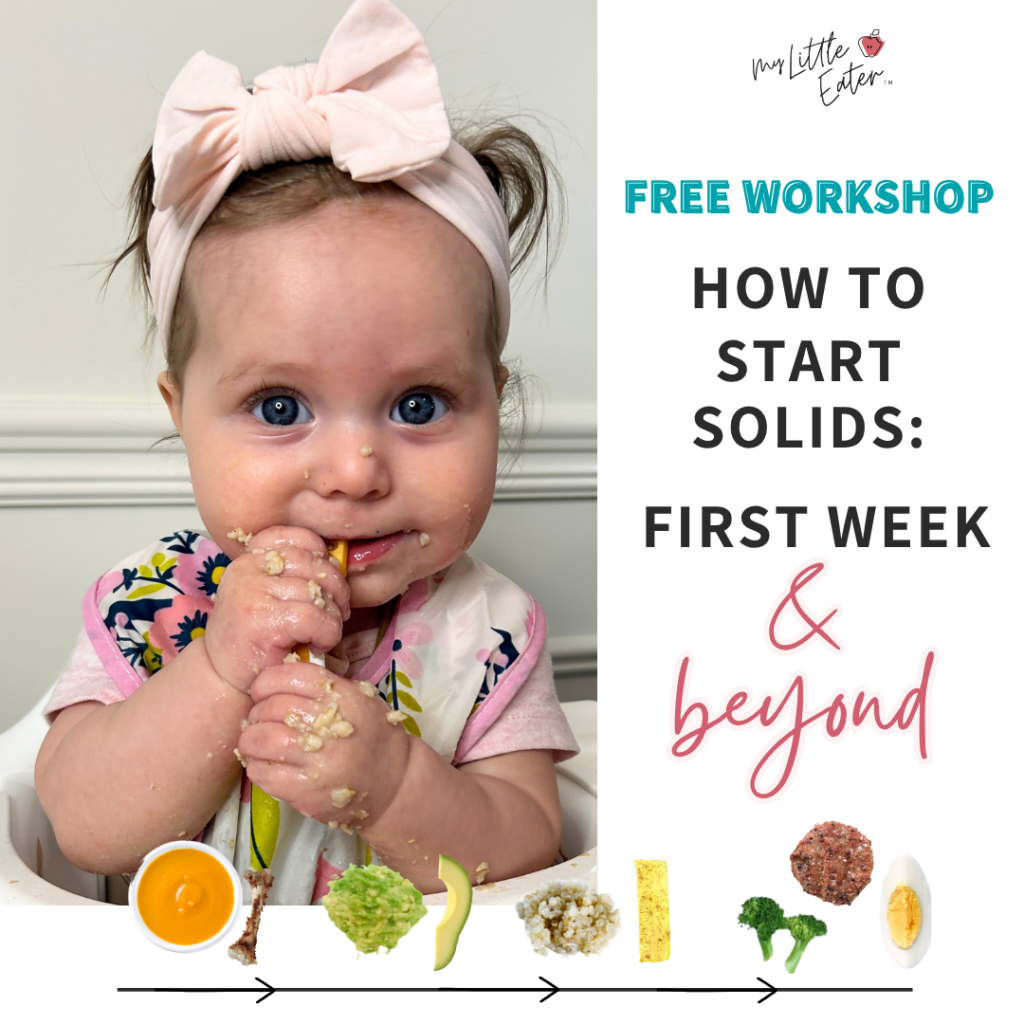
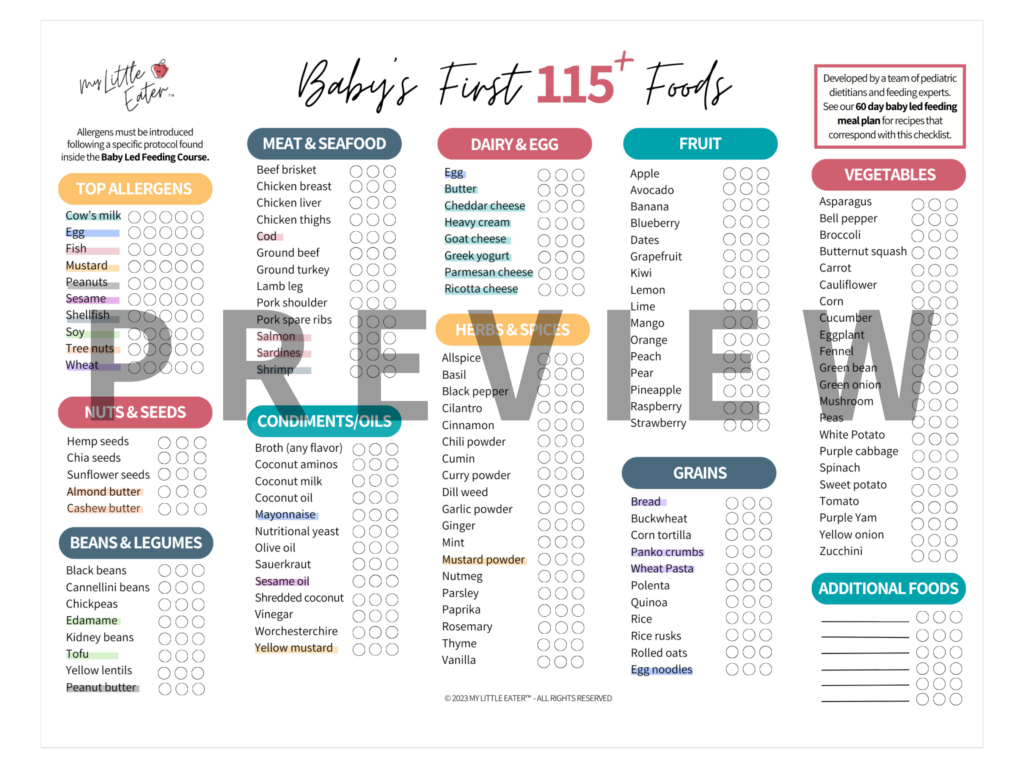
For parents feeling overwhelmed by the transition, structured resources and expert-led guidance can provide significant relief. Many pediatric nutritionists advocate for clear, actionable plans that remove the guesswork from meal preparation. By utilizing resources such as free workshops on the first week of solids or attending CPR training, caregivers can approach this milestone with confidence.
Ultimately, the goal is to create a safe, supportive, and joyful environment where the infant feels empowered to explore. As the infant’s fine motor skills—such as the pincer grasp—develop over the coming months, the variety and complexity of the foods offered can be expanded. By prioritizing safety through careful preparation and maintaining a patient, responsive feeding style, parents can ensure their child builds the necessary foundation for a lifetime of healthy and adventurous eating.