The Psychology Behind Peak Parenting Moments: Balancing Everyday Chaos with Fleeting Magic in Modern Childrearing

Navigating the labyrinth of modern childrearing often feels like a delicate equilibrium between systemic exhaustion and unexpected grace. For every high-stress crisis—ranging from turbulent infant flights to the abrupt slamming of adolescent bedroom doors—parents occasionally encounter instances of profound, storybook clarity. These moments, colloquially termed "peak parenting" experiences, offer a psychological counterweight to the daily demands of raising children, reinforcing the emotional resilience required of caregivers in contemporary society.
Recent discussions across lifestyle and parenting platforms have cast a spotlight on this duality. While clinical research frequently emphasizes the chronic stressors associated with raising children in the twenty-first century, sociologists and family therapists increasingly point to the therapeutic value of small, magical milestones. These range from traditional milestones, such as a toddler articulating their first distinct word, to whimsical, improvised games that redefine familial bonds.
The Anatomy of Daily Chaos Versus Fleeting Magic
To understand the weight of a peak parenting moment, one must first examine the baseline environment of the modern household. According to data compiled by the Pew Research Center regarding contemporary family dynamics, working parents report significantly higher levels of daily time pressure than in previous decades. The intersection of professional responsibilities, digital connectivity, and domestic management creates a fertile ground for parental burnout.
Child psychologists note that the human brain is naturally wired to register negative stimuli more acutely than positive ones—a survival mechanism known as the negativity bias. Consequently, high-stress episodes, such as public meltdowns or behavioral defiance, loom disproportionately large in a parent’s memory.
Against this backdrop, moments of unadulterated joy or spontaneous connection act as cognitive resets. Dr. Elena Vance, a developmental psychologist specializing in family systems, explains that these instances trigger a release of oxytocin and dopamine, effectively rewriting the stress narrative. "When parents experience a moment that matches their idealized vision of raising children, it validates their efforts and provides a physiological buffer against chronic fatigue," Vance notes.
A Masterclass in Hide-and-Seek: A Case Study in Play
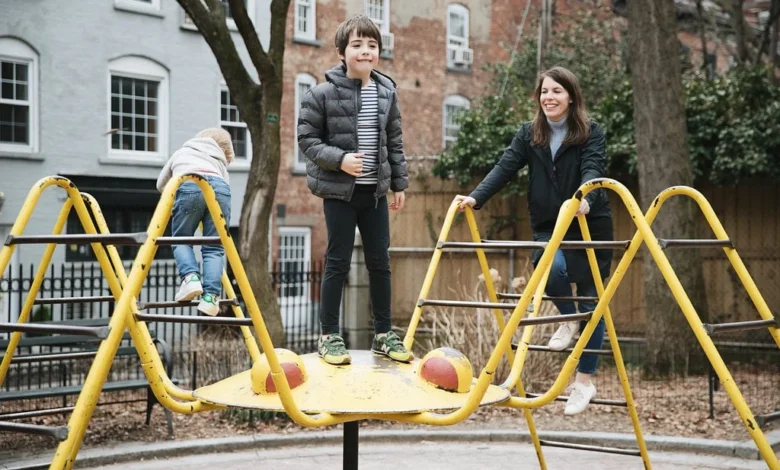
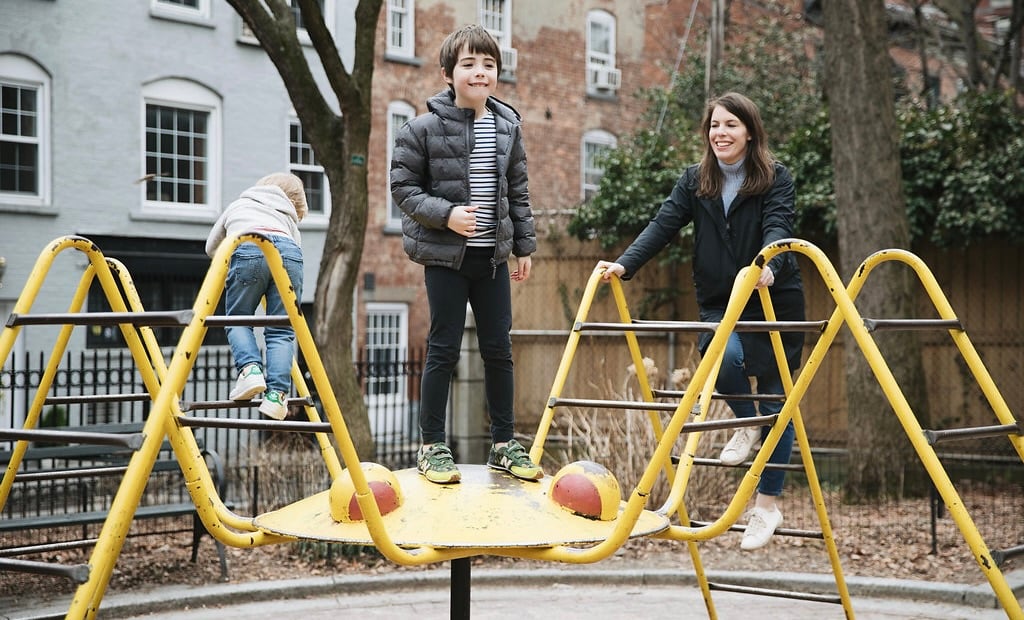
A prominent illustration of this phenomenon occurred recently during a neighborhood playground outing, capturing the imagination of online parenting communities. The scenario involved a classic game of hide-and-seek that quickly transcended standard child’s play to become a masterclass in situational comedy.
Having exhausted the conventional hiding locations—behind mature shade trees, within ornamental shrubbery, and adjacent to playground equipment—the parent in question opted for an unconventional strategy: hiding in plain sight among a group of unfamiliar adult bystanders. Approaching the cluster of chatting neighbors, the parent whispered an impromptu request to blend into the conversation under
the guise of evading seekers.
The ensuing chronology highlights the playful innocence of childhood perception:
- The Concealment: The parent integrates seamlessly into an adult social circle, positioned mere yards away from the active search zone.
- The Search: The children execute a thorough sweep of the playground, inspecting traditional hiding spots, including the undersides of slides and the perimeters of park benches.
- The Blind Spot: True to the mechanics of juvenile cognition—where children often search for expected objects in expected places—the seekers completely overlook the obvious group of adults conversing in broad daylight.
- The Resolution: The realization dawns, resulting in shared amusement among both the children and the unwitting adult accomplices.
This anecdotal event resonates widely because it encapsulates a universal truth of parenting: children inhabit a uniquely literal mental framework, while parents must frequently pivot to creative problem-solving.
Broader Implications and Sociological Impact
The resonance of such stories within digital communities points to a broader cultural shift in how parenting is discussed. Historically, parenting media focused heavily on prescriptive advice, rigid developmental milestones, and behavioral correction. However, contemporary discourse increasingly values vulnerability, humor, and shared emotional validation.
Platforms that foster these conversations provide vital support networks. Sociological studies on online parenting forums indicate that peer-to-peer sharing of lighthearted anecdotes reduces feelings of isolation. When caregivers realize that others experience the exact same blend of chaotic friction and sudden, breathtaking charm, the collective mental load is measurably lightened.
Furthermore, industry experts observe that acknowledging these fleeting highlights encourages mindfulness. By consciously anchoring themselves in moments of joy—whether it is a late-night discussion about middle-school crushes, an inventive hiding spot behind a coat rack, or a shared laugh at a neighborhood park—parents cultivate a more balanced perspective on their developmental journey.
Conclusion
Ultimately, the dichotomy between the stressful trials and the magical triumphs defines the modern parenting experience. While the structural challenges of raising children will remain constant, the deliberate recognition of peak parenting moments serves as an essential coping mechanism. As families continue to navigate the complexities of daily life, these small, luminous intervals stand as enduring reminders of why caregivers embrace the journey, chaos and all.