Navigating the Teen Body Piercing Request: A Guide for Parents on Maturity, Safety, and Communication

When a teenager approaches their parents with a request for a body piercing, the initial reaction in the household often sets the tone for a much broader conversation about autonomy, trust, and growing up. Before evaluating the merits of the specific request itself, parenting experts and adolescent specialists suggest that parents pay close attention to how they respond in the very moment the topic is first brought up. Rather than defaulting to an immediate rejection or an unconditional yes, the initial conversation represents a critical opportunity for connection and emotional development.
The debate over when a minor is truly ready for body modification is hardly new. For generations, families have wrestled with the fine line between allowing adolescents to express their individuality and ensuring their health and safety. However, modern pediatric and adolescent health guidelines have evolved to look far beyond simple chronological age. According to updated perspectives from medical professionals, including broad guidance provided by the American Academy of Pediatrics (AAP), readiness is not defined by a specific number on a birthday cake. Instead, pediatricians emphasize that the core consideration should be whether the young person possesses the maturity required to understand the procedure, follow rigorous aftercare regimens, and handle potential complications responsibly.
To help parents navigate these nuanced waters, an examination of the developmental psychology, medical risks, safety guidelines, and long-term implications of teen body piercing reveals a multi-layered decision-making process.
The Myth of the Magic Age: Why Readiness Varies
A common misconception among parents is that there is a universally accepted "safe age" for piercings—whether that is 13, 16, or 18. In reality, a teenager may be fully prepared for one specific type of modification while remaining entirely unequipped for another. Furthermore, two teenagers of the exact same age can exhibit vastly different levels of maturity, impulse control, and personal responsibility.
Age is certainly a part of the picture, as legal consent laws require parental permission for minors in most jurisdictions until the age of 18. However, age is not the whole picture. Readiness depends much more significantly on the specific piercing’s risk level and the teen’s demonstrated history of personal responsibility than it does on a calendar milestone. For example, a 13-year-old with a strong, self-directed hygiene track record who consistently takes care of their personal health needs may be entirely ready for a simple earlobe piercing. Conversely, a 16-year-old who still requires daily, regular reminders to shower, manage school hygiene, or keep track of personal belongings may present a much higher risk for failing to properly clean and maintain a new piercing.
Adolescent psychologists note that teenage brains are undergoing massive structural development, particularly in the prefrontal cortex, which governs executive functions such as long-term planning, risk assessment, and impulse control. Because this development occurs at different rates for every individual, parents are encouraged to evaluate their teen’s behavior objectively. Does the teenager follow through on commitments? Can they stick to a multi-step routine without constant nagging? Do they research consequences before acting? These behavioral markers offer a far more accurate gauge of readiness than age alone.
Evaluating Risk Levels: From Earlobe Piercings to Dermal Modifications
Not all piercings carry the same degree of medical risk. Understanding the anatomical and physiological differences between various types of body modifications is essential for parents and teens alike when deciding what is appropriate.
Standard earlobe piercings generally represent the lowest-risk category. They tend to feature simpler aftercare routines and significantly lower complication rates compared to piercings located in cartilage, facial tissue, or the hands. Because the earlobe is composed of soft tissue with a rich blood supply, healing times are relatively fast—typically ranging from six to eight weeks—and the procedure itself is straightforward.
However, medical professionals emphasize that "safer" does not mean entirely risk-free. Infection, allergic reactions to jewelry metals (such as nickel), and tissue trauma can still occur with any piercing, regardless of location.
As piercings move away from the traditional earlobe, the complexity and risk factors escalate substantially:
- Cartilage Piercings (e.g., Helix, Tragus, Daith): Cartilage has a much poorer blood supply than soft tissue, meaning these piercings take significantly longer to heal—often anywhere from three to nine months or even a full year. They are also notoriously prone to bumps, pressure irritation, and persistent infections that can lead to permanent structural changes in the ear if complications arise.
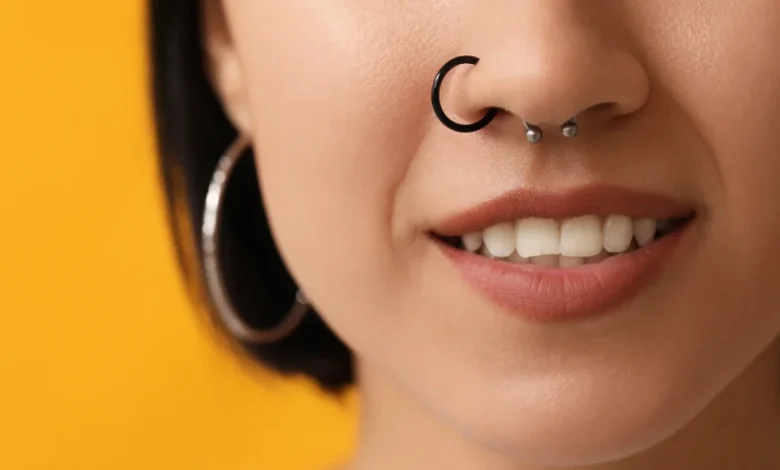
- Facial Piercings (e.g., Eyebrow, Lip, Nose, Septum): While aesthetically popular among teens, facial piercings carry risks related to nerve damage, dental complications (in the case of lip or tongue piercings), and visible scarring if the piercing is rejected or removed.
- Dermal and Surface Piercings: Dermal piercings, which involve an anchor placed beneath the skin with a visible gem or disk on top, sit in areas that are frequently bumped, snagged, or handled (such as the hands, neck, or collarbone). Because of their placement, these modifications carry a markedly higher risk of migration (where the body pushes the anchor out), rejection, scarring, and severe tissue damage compared to traditional linear piercings.
The Chronology of a Request: A Step-by-Step Approach for Parents
When a teenager first asks for a piercing, the immediate parental response can either build a bridge of trust or erect a wall of conflict. To manage this delicate moment constructively, experts recommend a structured, chronological approach to the conversation:
Phase 1: The Initial Reaction (The Pause)
When the request is dropped into conversation—perhaps over dinner or while driving in the car—resist the urge to issue an immediate, knee-jerk "no." A reflexive rejection often drives the teen underground, increasing the likelihood that they will seek out unsafe, illicit, or self-inflicted piercings outside of a professional studio. Instead, employ the "pause." Acknowledge the request calmly by saying something neutral, such as, "That’s interesting; you’ve been thinking about this for a while. Let’s talk about it this weekend." This buys time for both parties to transition from an emotional state to a rational one.
Phase 2: Research and Collaboration
Turn the request into a collaborative research project. Ask your teenager to investigate the process independently. What kind of piercing do they want? What are the specific aftercare requirements? What are the potential health risks? By putting the onus on the teen to gather facts, parents can observe their dedication and maturity. If the teen loses interest or fails to do basic safety research, it becomes self-evident that they may not be ready to manage a healing wound.
Phase 3: Financial and Logistical Responsibility
Introduce real-world considerations into the discussion. Professional body piercing performed in a sterile, reputable studio by a certified piercer is not cheap, and neither are the high-grade, implant-grade titanium or gold-niobium starter earrings required to prevent infections. Requiring the teen to contribute their own allowance, babysitting, or part-time job money toward the cost of the procedure and aftercare supplies reinforces accountability.
Phase 4: Setting Clear Boundaries and Contingencies
Before stepping foot into a piercing studio, establish a clear agreement. Outline expectations regarding aftercare compliance, hygiene, and what will happen if the piercing becomes infected or needs to be removed. Knowing the boundaries in advance prevents disputes later.
Broader Implications: Building Communication and Trust
Ultimately, the goal of navigating a teen’s piercing request is not to win an argument or assert parental dominance. Rather, the broader objective is to raise a capable, independent young person who can make increasingly thoughtful, health-conscious decisions—and who still wants to talk to their parents while they are learning how to navigate the world.
Adolescent health specialists point out that body modification is often a manifestation of identity exploration, autonomy, and self-expression. When parents approach these requests with curiosity, empathy, and clear boundaries rather than automatic condemnation, they foster an environment of open communication. A teen who feels heard and respected by their parents is far more likely to consult them regarding medical issues, peer pressure, and other critical life decisions as they transition into adulthood.
By treating the piercing request as a developmental milestone rather than a rebellious challenge, families can transform a potential flashpoint of generational conflict into a valuable exercise in mutual trust, responsibility, and growth.
Related posts: