A Classroom Odyssey in Autumnal Cooking: Preschoolers Whip Up Fresh Applesauce

to Conclude Seasonal Curriculum
The sweet and comforting aroma of simmering cinnamon and cooked fruit filled the air of a local preschool classroom recently, marking the culmination of an extensive educational unit dedicated entirely to apples. Following the resounding success of a previous cooking project that involved baking miniature apple pies, educators and their young students sought a new culinary challenge. The resulting endeavor—crafting homemade applesauce from scratch—proved to not only be a practical lesson in nutrition and food science but also an engaging, hands-on activity that transformed raw orchard fruit into a memorable sensory experience for the children.
The project served as the final chapter of a multi-week curriculum designed to introduce young learners to botany, agriculture, and basic culinary arts through the lens of a single, versatile fruit. By engaging multiple senses, educators aimed to reinforce classroom concepts regarding where food originates, how natural ingredients are transformed through heat and preparation, and the importance of collaborative teamwork in a shared environment.
The Chronology of the Project: From Orchard to Crockpot
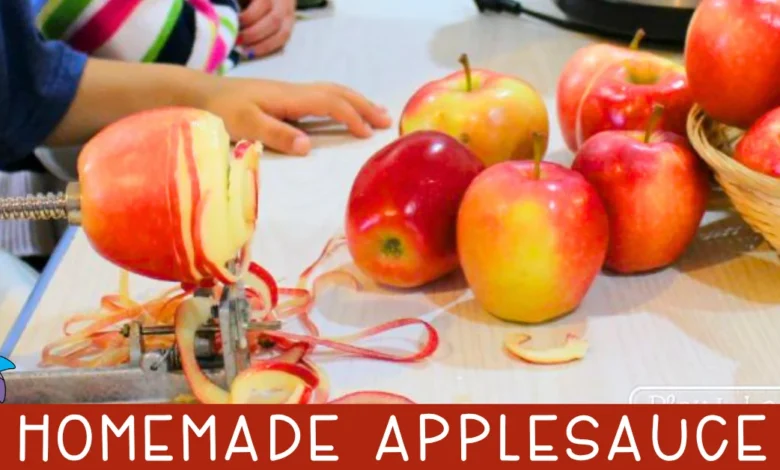
The applesauce-making initiative unfolded over the course of a single school day, though preparation and digestion spanned several hours. The morning began with an interactive demonstration regarding apple varieties and preparation techniques. Teachers introduced the children to the mechanical apple peeler, corer, and slicer—a hand-cranked device that quickly became the highlight of the morning.
Originally, instructors had intended for each child to process a single apple as part of a structured rotating station. However, enthusiasm among the students quickly transformed the modest lesson into a high-energy group activity. The children eagerly took turns operating the crank, watching in fascination as the blades peeled away the skins and cored the fruit in seconds. Teachers noted that the physical exertion required to operate the manual machinery successfully doubled as an impromptu gross motor skill exercise, engaging the children’s hand-eye coordination, bilateral integration, and upper-body strength.
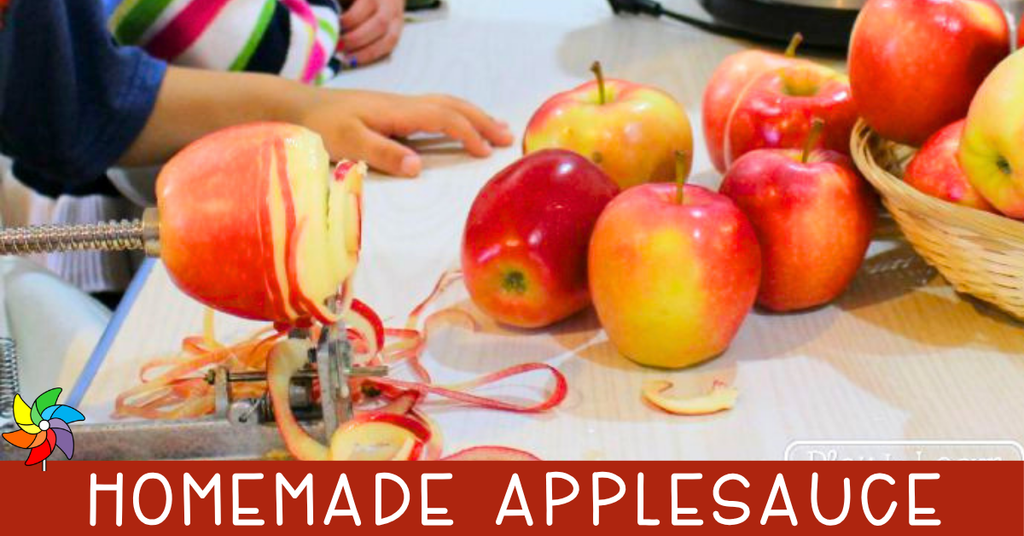
Buoyed by their enthusiasm, the students processed approximately 20 apples by the end of the rotation. Instructors emphasized the importance of fruit selection during this phase, noting that firm, crisp varieties such as Gala apples are ideal for mechanical peelers because they maintain structural integrity under pressure. Softer varieties, such as Red Delicious, have historically proven problematic in classroom settings due to their tendency to bruise and jam the slicing mechanisms.
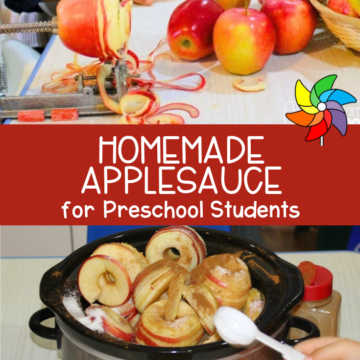
Once the apples were thoroughly peeled, cored, and sliced, the young chefs transferred the fruit into a large slow cooker. Guided by their teachers, the children participated in measuring and adding water, granulated sugar, and ground cinnamon to the vessel. The slow cooker was then set to low, where the mixture cooked undisturbed for approximately eight hours, gradually breaking down the fibrous apple tissue into a soft, cohesive compote.
Culinary Science and Sensory Observations
The slow-cooking process served as a practical lesson in thermal food processing. Over the course of the workday, the heat broke down the pectin and cellulose within the apple cell walls, softening the fruit and releasing its natural sugars and juices. Upon completion of the cooking cycle, instructors transferred the warm mixture into a standard kitchen blender to achieve a smooth, uniform puree, bridging the gap between chunky stewed apples and traditional commercial applesauce.

The final product yielded a range of observations from the young participants, highlighting the differences between industrial food products and homemade alternatives. While the aroma and taste won over many of the children, the visual appearance of the dish generated mixed reviews. Several students expressed hesitation upon observing the naturally brownish hue of the freshly pureed sauce. Unlike commercial varieties, which often undergo chemical anti-browning treatments, filtration, or the addition of brightening agents and ascorbic acid to maintain a stark white or pale yellow appearance, unadorned home-cooked applesauce oxidizes naturally when exposed to air during cooking and blending.
Despite initial visual skepticism from some children, the snack was successfully consumed within the classroom community, with leftover portions enthusiastically finished by faculty members and their families at the end of the school day.
Broader Educational Implications and Nutritional Context
Early childhood culinary programs have gained traction among educators and child development specialists in recent years. Incorporating cooking into preschool curricula offers distinct developmental advantages, ranging from cognitive growth to social-emotional learning. According to childhood education advocates, involving young children in food preparation fosters early math skills through measuring, encourages scientific observation through phase changes in cooking, and promotes adventurous eating habits by demystifying the ingredients in their meals.

Furthermore, focusing on whole foods such as apples aligns with broader public health initiatives aimed at combating childhood nutritional deficiencies and reducing reliance on ultra-processed foods. Apples are rich in dietary fiber, particularly pectin, as well as Vitamin C and various antioxidants. Preparing the fruit with minimal added sugar allows children to experience the natural sweetness of whole foods while learning about balanced nutrition in an accessible format.
As educational institutions continue to seek innovative ways to integrate practical life skills into early childhood frameworks, hands-on agricultural projects like the preschool apple unit demonstrate the enduring value of experiential learning. By connecting the food on their plates to the physical labor and scientific processes required to make it, students gain a foundational appreciation for agriculture and nutrition that extends far beyond the classroom walls.