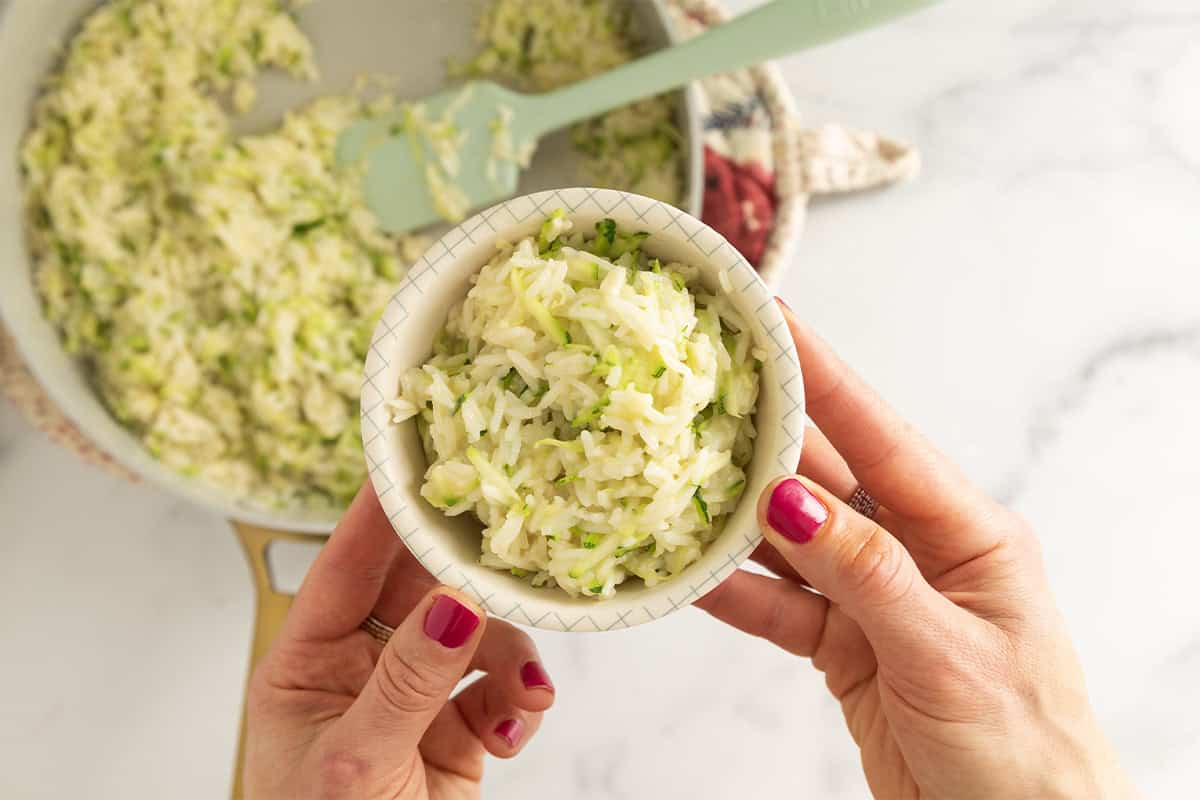
This easy Zucchini Rice recipe offers a fluffy, fast, and flavorful way to incorporate vegetables into a staple dish. Perfect as a standalone side or as a base for a more substantial meal, its adaptability makes it a valuable addition to any culinary repertoire. The recipe, originating from a culinary blog focused on family-friendly meals, highlights the appeal of integrating fresh produce into familiar dishes, particularly during peak zucchini season.
The Appeal of Zucchini Rice
The simplicity of Zucchini Rice lies in its ability to transform a humble grain into a more nutritious and appealing meal. Zucchini, known for its mild flavor and tender texture when cooked, blends seamlessly with rice, offering a subtle vegetal note without overpowering the dish. This approach is particularly effective in encouraging children to consume more vegetables, a common goal for parents and caregivers. The recipe’s creator emphasizes making vegetables taste as good as possible to foster wider acceptance, and Zucchini Rice has emerged as a favorite in this endeavor.
Culinary Versatility and Nutritional Enhancement
Beyond its primary function as a side dish, Zucchini Rice presents numerous opportunities for culinary creativity. The recipe suggests incorporating additional ingredients like peas, chicken, or beans to transform it into a complete vegetarian or protein-rich main course. This adaptability caters to diverse dietary needs and preferences, making it suitable for family dinners, quick lunches, or even as a component of meal prepping.
For instance, adding a handful of frozen peas during the final stages of cooking introduces pops of sweetness and vibrant color, enhancing both visual appeal and nutritional value. The inclusion of pre-cooked shredded chicken or canned beans (rinsed and drained) can elevate the dish into a satisfying meal that requires minimal additional preparation. This makes Zucchini Rice an excellent option for busy weeknights.
The recipe also hints at pairing Zucchini Rice with other popular dishes, such as crispy fish nuggets, baked chicken nuggets, or salmon cakes. This strategic combination allows for the creation of well-rounded meals that provide a good balance of carbohydrates, protein, and vegetables. Furthermore, for adults seeking a quick and nutritious meal, warming up Zucchini Rice and serving it with scrambled eggs offers a simple yet effective "mom lunch" or quick breakfast solution.
Key Ingredients and Preparation
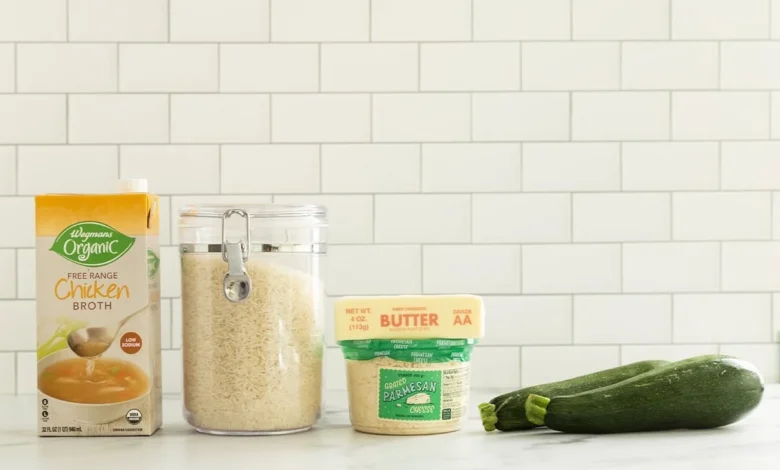
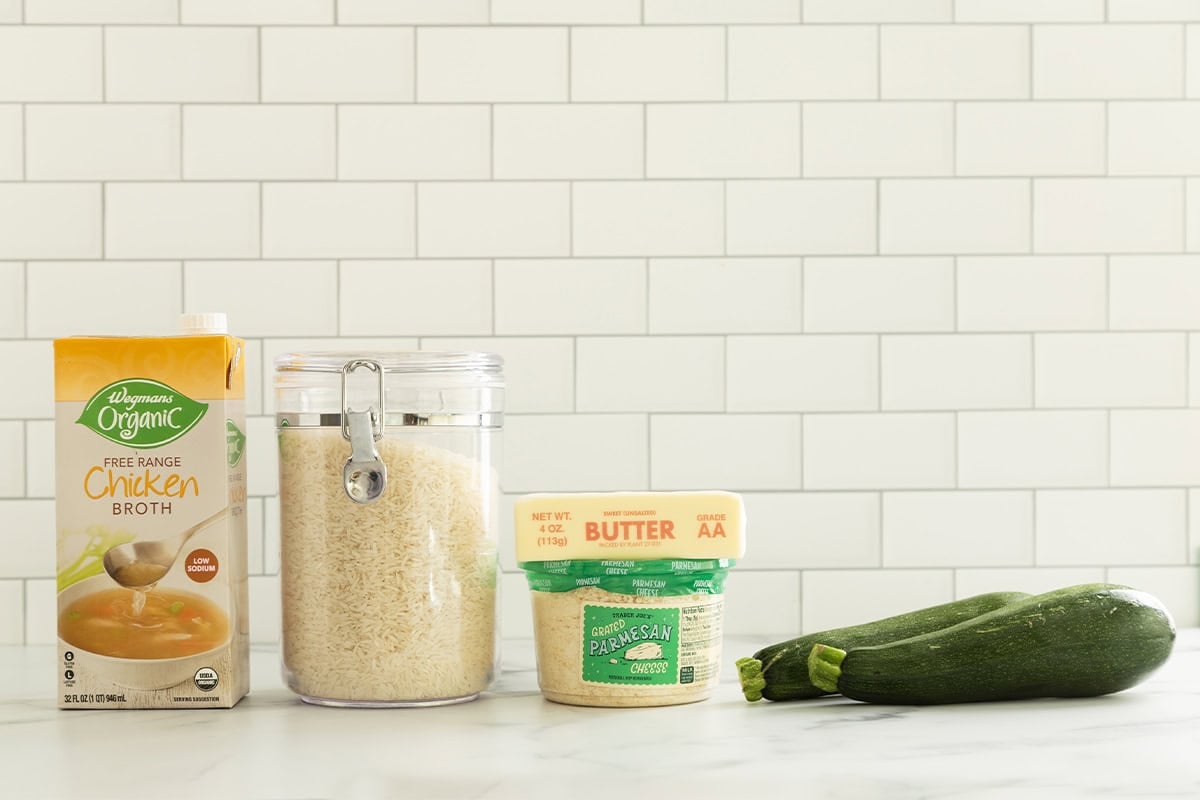
The foundation of Zucchini Rice is straightforward, requiring common pantry staples and fresh produce. The core ingredients typically include:
- Rice: Long-grain white rice is often preferred for its fluffy texture, but other varieties can be used with adjustments to cooking liquid.
- Broth: Chicken or vegetable broth provides a flavorful base, enhancing the overall taste of the rice.
- Zucchini: Fresh zucchini, preferably medium-sized, is the star vegetable.
- Parmesan Cheese: Grated Parmesan adds a savory, umami depth and a hint of saltiness.
- Butter: A small amount of butter contributes richness and helps to meld the flavors.
- Salt: To taste, balancing the savory elements.
Optional Enhancements:
The recipe also suggests optional additions for further flavor elevation:
- Lemon Zest: Fresh lemon zest can impart a bright, citrusy note that cuts through the richness.
- Fresh Herbs: Finely chopped basil or parsley can add a fresh, aromatic dimension.
- Garlic: Sautéing minced garlic at the beginning of the cooking process introduces a classic aromatic base.
The Cooking Process: A Step-by-Step Overview
The preparation of Zucchini Rice is designed for efficiency and ease, making it accessible even for novice cooks. The process typically involves the following steps:
-
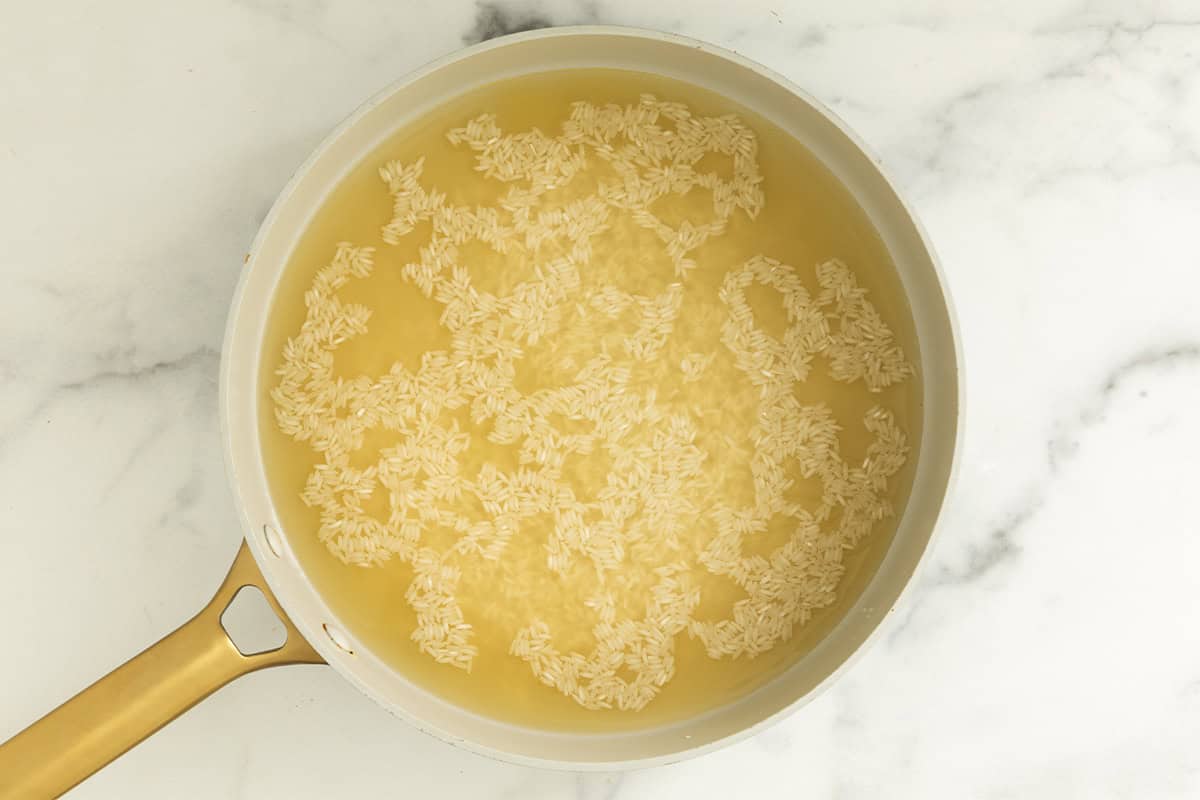
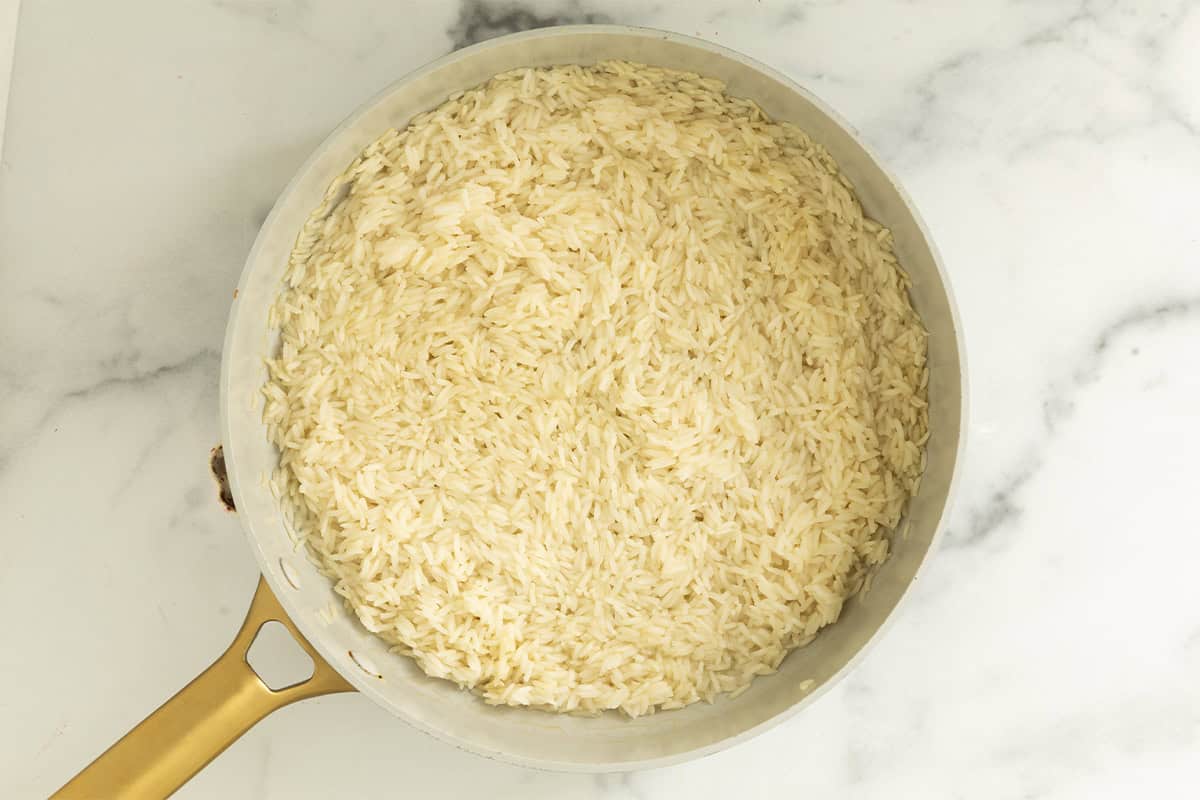
Cooking the Rice: Begin by bringing the chosen broth to a simmer in a medium pot over medium heat. Once simmering, add the rice and reduce the heat to medium-low, allowing it to cook according to package directions until it is just tender. This controlled simmering ensures the rice cooks evenly without becoming mushy.
-
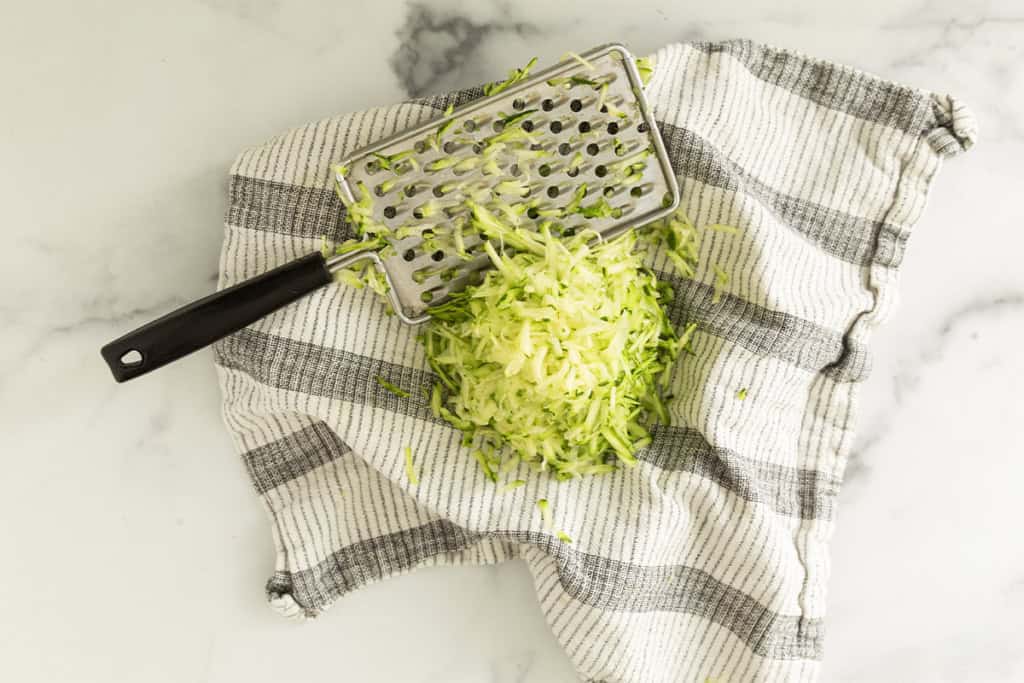
Preparing the Zucchini: While the rice is cooking, the zucchini is prepared. It is typically shredded using a box grater or a food processor. A crucial step involves gently squeezing the shredded zucchini, often within a clean kitchen towel or cheesecloth, to remove excess moisture. This prevents the Zucchini Rice from becoming watery.
-
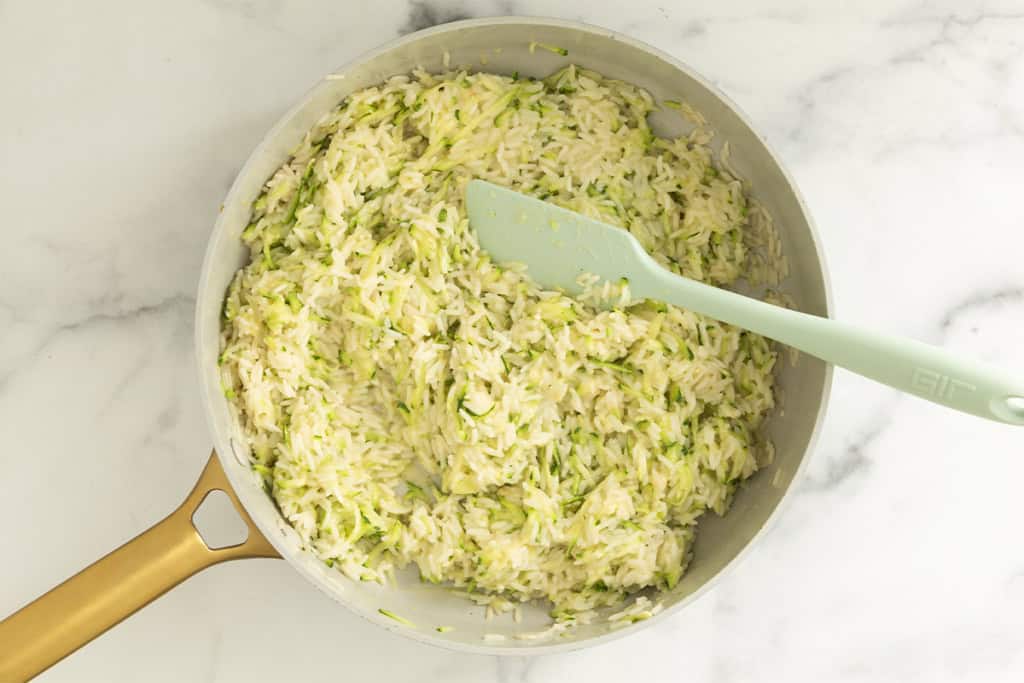
Combining and Finishing: Once the rice is cooked and tender, remove the pot from the heat. The shredded zucchini is then stirred into the hot rice, along with grated Parmesan cheese, butter, and salt. The pot is covered and allowed to sit for approximately five minutes. This resting period allows the residual heat to cook the zucchini slightly, melt the butter and cheese, and for the flavors to meld together.
-
Serving: After resting, the Zucchini Rice is gently fluffed with a fork and served. The resulting dish should be light, fluffy, and infused with the subtle flavors of zucchini and Parmesan.
Nutritional Profile and Considerations
A typical serving of Zucchini Rice (approximately 4 servings, based on the provided recipe data) offers a moderate nutritional profile. The estimated values indicate:
- Calories: Around 293 kcal per serving.
- Carbohydrates: Approximately 42g, primarily from the rice.
- Protein: Around 10g, contributed by the rice and Parmesan cheese.
- Fat: Approximately 10g, including saturated, polyunsaturated, and monounsaturated fats from butter and cheese.
- Sodium: Around 542mg, which can vary based on the salt content of the broth and added salt.
- Fiber: A modest 1g, with potential to increase with the addition of other vegetables.
- Vitamins and Minerals: Contains small amounts of Vitamin A, Vitamin C, Calcium, and Iron.
Dietary Adaptations and FAQs
The Zucchini Rice recipe demonstrates remarkable flexibility for various dietary needs. Common questions and adaptations include:
- Dairy-Free Options: For those avoiding dairy, the Parmesan cheese can be omitted entirely. Alternatively, dairy-free shredded cheese alternatives, such as cheddar or nutritional yeast for a cheesy flavor, can be used.
- Rice Variety: While long-grain white rice is common, other rice types like basmati or jasmine can be substituted. It is essential to adjust the amount of cooking liquid and cooking time based on the specific rice variety’s instructions. Brown rice can also be used, but it will require a longer cooking time and potentially more liquid.
- Adding Garlic: To incorporate garlic, sauté 2 minced cloves in a tablespoon of olive oil over medium heat before adding the broth and rice. This creates an aromatic foundation for the dish.
- Other Cheese Options: Beyond Parmesan, shredded cheddar, crumbled feta, or crumbled goat cheese can be used to introduce different flavor profiles.
Storage and Longevity
Leftovers of Zucchini Rice can be stored effectively for future consumption. Once cooled to room temperature, the dish should be transferred to an airtight container and refrigerated. It typically remains fresh and safe to eat for up to 5 days. To serve, the leftovers can be gently warmed through on the stovetop or in the microwave.
Tips for Culinary Success
Achieving the perfect Zucchini Rice involves a few key considerations:
- Moisture Management: Thoroughly squeezing the shredded zucchini is paramount to prevent a watery final product.
- Rice Texture: Avoid overcooking the rice; it should be tender but still have a slight bite (al dente).
- Flavor Balance: Taste and adjust salt and other seasonings as needed before serving.
- Freshness: Incorporating fresh herbs or lemon zest just before serving can significantly enhance the dish’s vibrancy.
Broader Context and Culinary Trends
The popularity of dishes like Zucchini Rice reflects a broader culinary trend towards healthier, vegetable-forward meals. As consumers become more health-conscious and seek ways to increase their vegetable intake, recipes that seamlessly integrate produce into familiar favorites gain traction. The focus on "hidden vegetables" or vegetables that blend subtly into dishes is a well-established strategy, particularly in family-oriented cooking, aiming to make nutritious eating more accessible and enjoyable for all ages. This recipe exemplifies this trend by making a common side dish more wholesome without sacrificing taste or ease of preparation.
The ability to adapt Zucchini Rice for various dietary needs—from dairy-free to vegetarian—further aligns it with contemporary culinary demands for inclusivity and personalization in food preparation. Its straightforward nature also appeals to home cooks looking for quick, reliable, and budget-friendly meal solutions. The recipe’s origin from a source dedicated to toddler and family food underscores its success in creating dishes that are not only nutritious but also palatable to picky eaters.
Related posts: