The prospect of a child choking is one of the most significant anxieties reported by parents and caregivers during the transition to solid foods. Whether a family chooses to begin with spoon-fed purees or adopts a baby-led weaning (BLW) approach, the risk of airway obstruction remains a universal concern that persists well into the toddler years. Understanding how to identify, modify, and avoid high-risk foods is a critical component of pediatric safety, yet misconceptions regarding feeding methods and developmental readiness often lead to unnecessary confusion.
The Science of Choking Risk in Infants
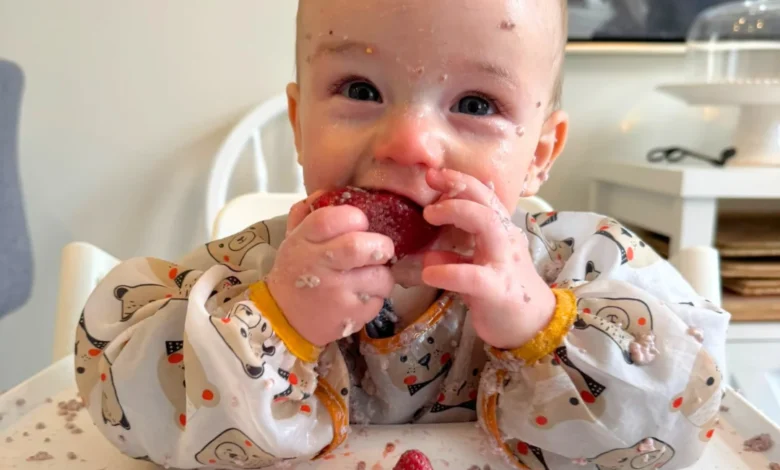
Current medical consensus and nutritional research indicate that the risk of choking is not inherently tied to the method of feeding, but rather to the physical characteristics of the food being consumed. Research published in reputable pediatric journals has consistently shown that when parents are adequately educated on food preparation and safe feeding environments, there is no statistically significant difference in choking incidents between babies fed purees and those practicing baby-led weaning.

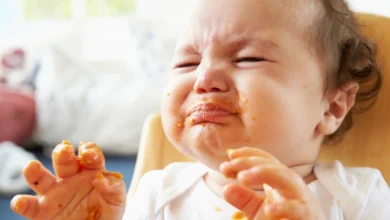
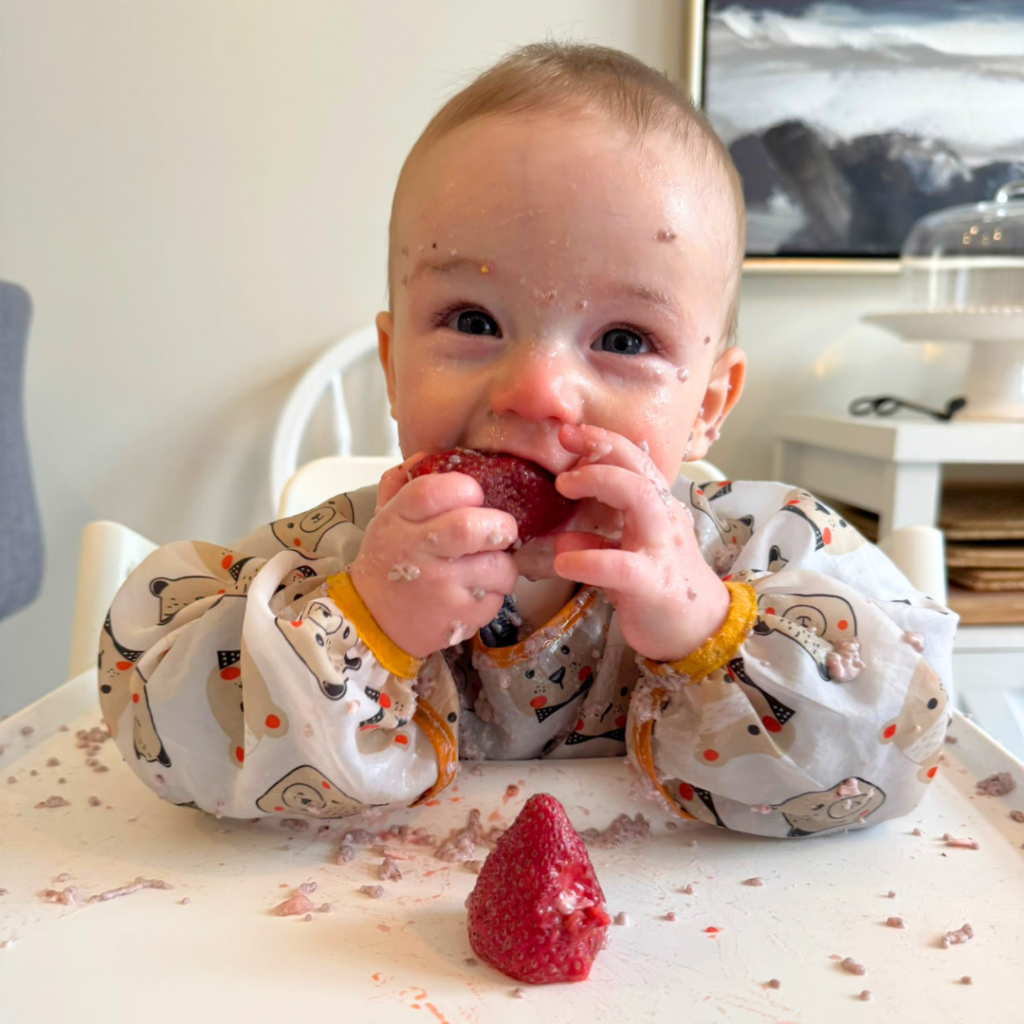
Choking typically occurs when food, liquid, or foreign objects become lodged in the larynx, obstructing the airway. In infants, this is particularly concerning because the airway is roughly the width of a drinking straw. While choking on food accounts for a small percentage—approximately 0.8%—of accidental deaths among children under the age of five, the psychological impact of a near-miss event is profound. The primary mechanism of safety in a healthy child is the gag reflex. This involuntary action acts as a protective shield, forcing food away from the airway and toward the front of the mouth. Parents often mistake the gag reflex for choking, but the two are physiologically distinct: a child who is gagging may turn red and make noise, whereas a choking child is often silent and unable to breathe.
Physiological Development and Feeding Safety
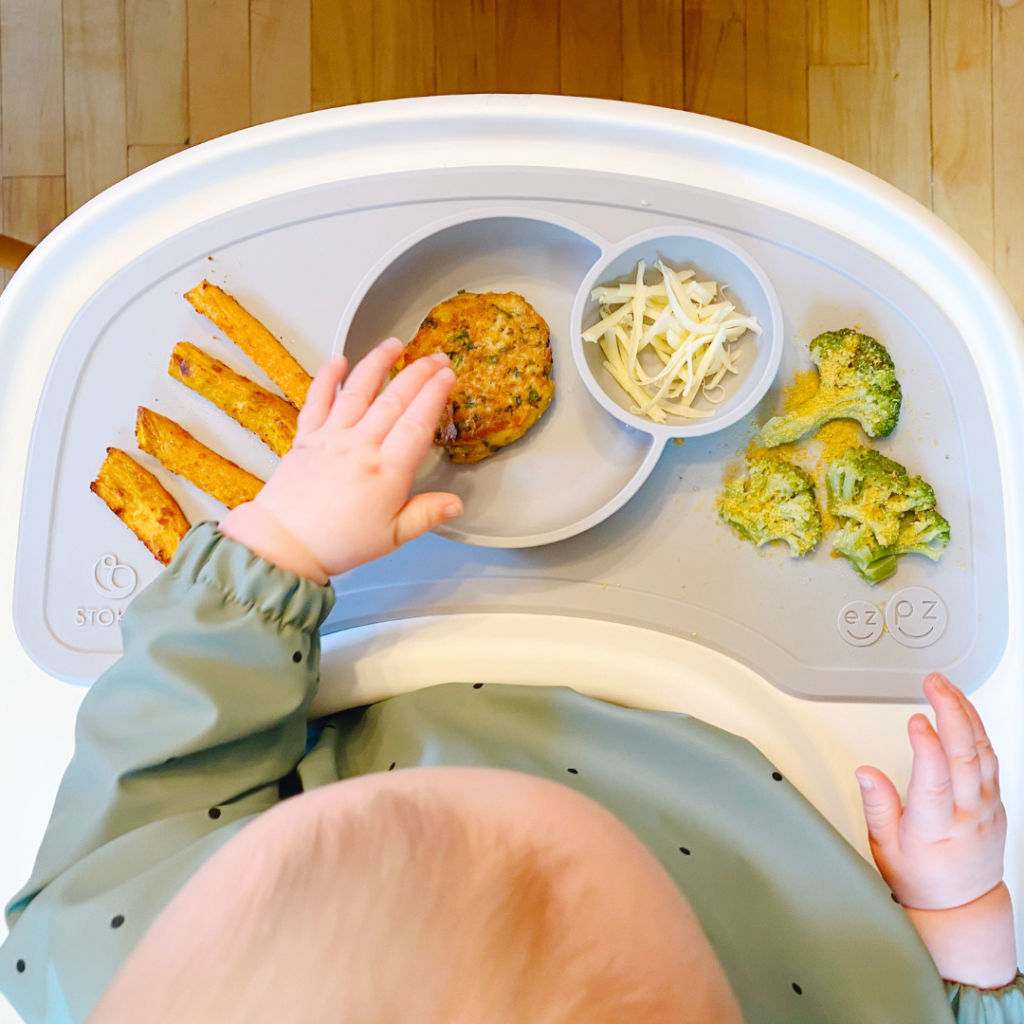
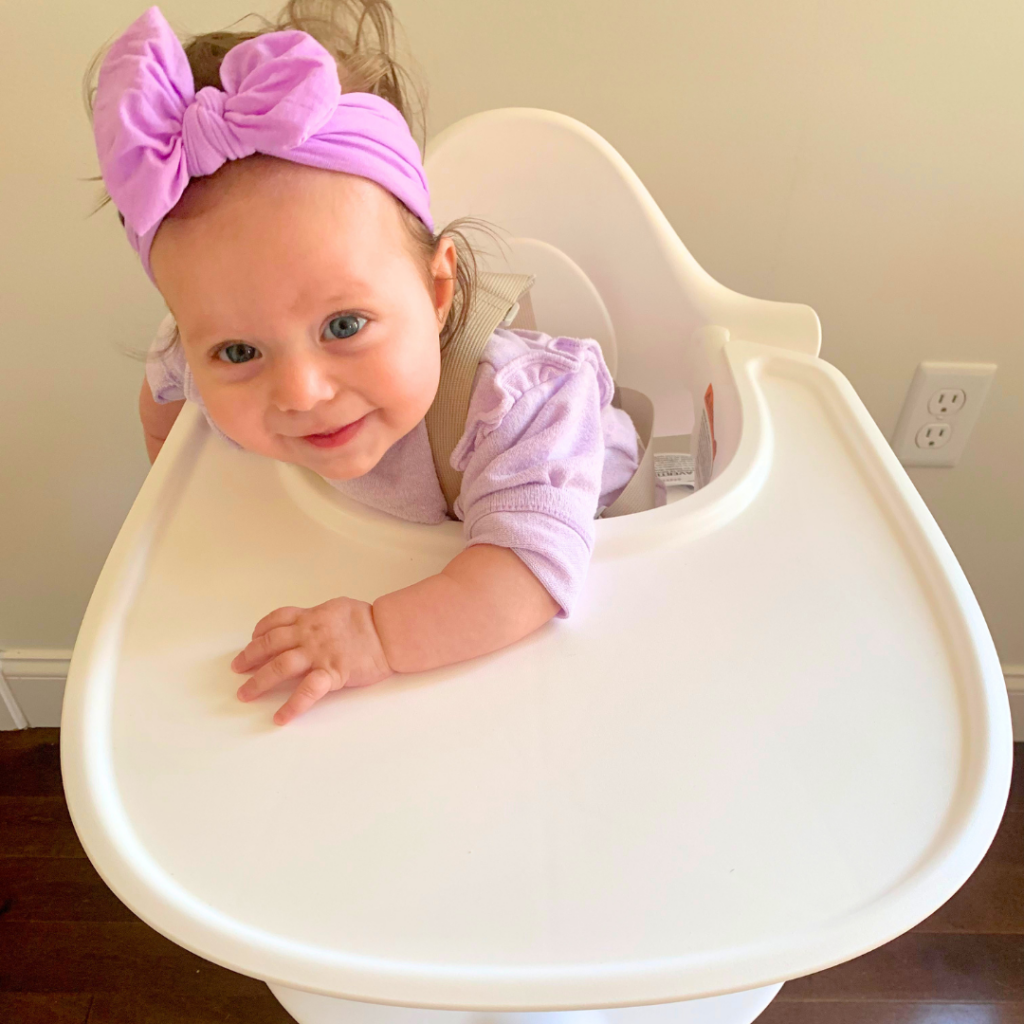
The transition to solids is not merely about nutritional intake; it is a developmental milestone that requires the maturation of the nervous system and oral motor skills. Before a child can safely handle textured foods, they must demonstrate the ability to sit upright with minimal support. Seating a child in a reclined position—such as in a bouncer, car seat, or improperly adjusted high chair—significantly increases the risk of choking. Gravity plays a vital role in digestion; an upright posture ensures that if a child does cough, the food is expelled efficiently.
Furthermore, the epiglottis, a flap of cartilage at the base of the tongue, serves as a gatekeeper for the windpipe. In infants who have not yet developed a mature, coordinated swallowing pattern, the epiglottis may not respond with the necessary speed to prevent food from entering the airway. This developmental lag is why experts emphasize that infants must be fully awake and actively participating in the feeding process. Being tired or distracted can result in a loss of the focus required to move food around the mouth and initiate a controlled swallow.

Categorizing High-Risk Foods
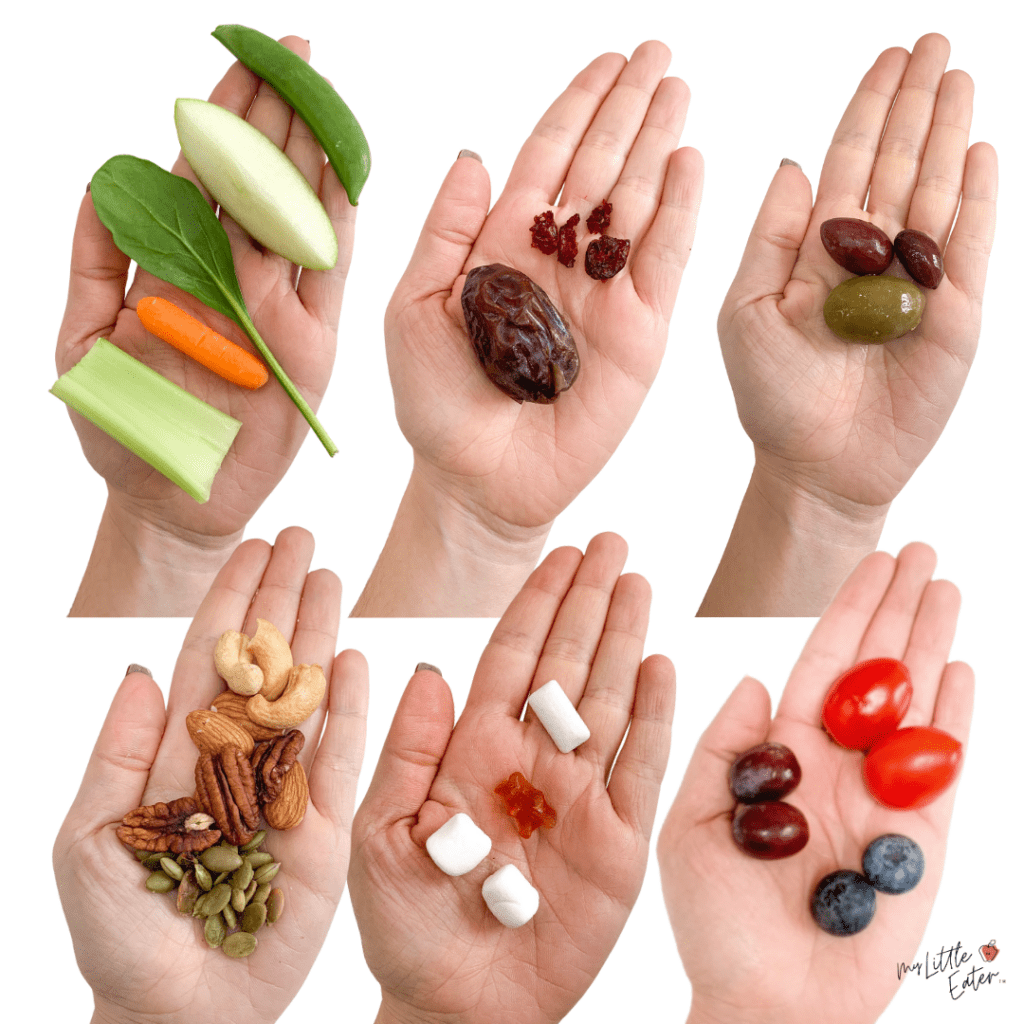
To manage safety effectively, pediatric nutritionists categorize choking hazards based on texture, shape, and consistency. The highest-risk foods are those that are small, firm, round, and slippery.
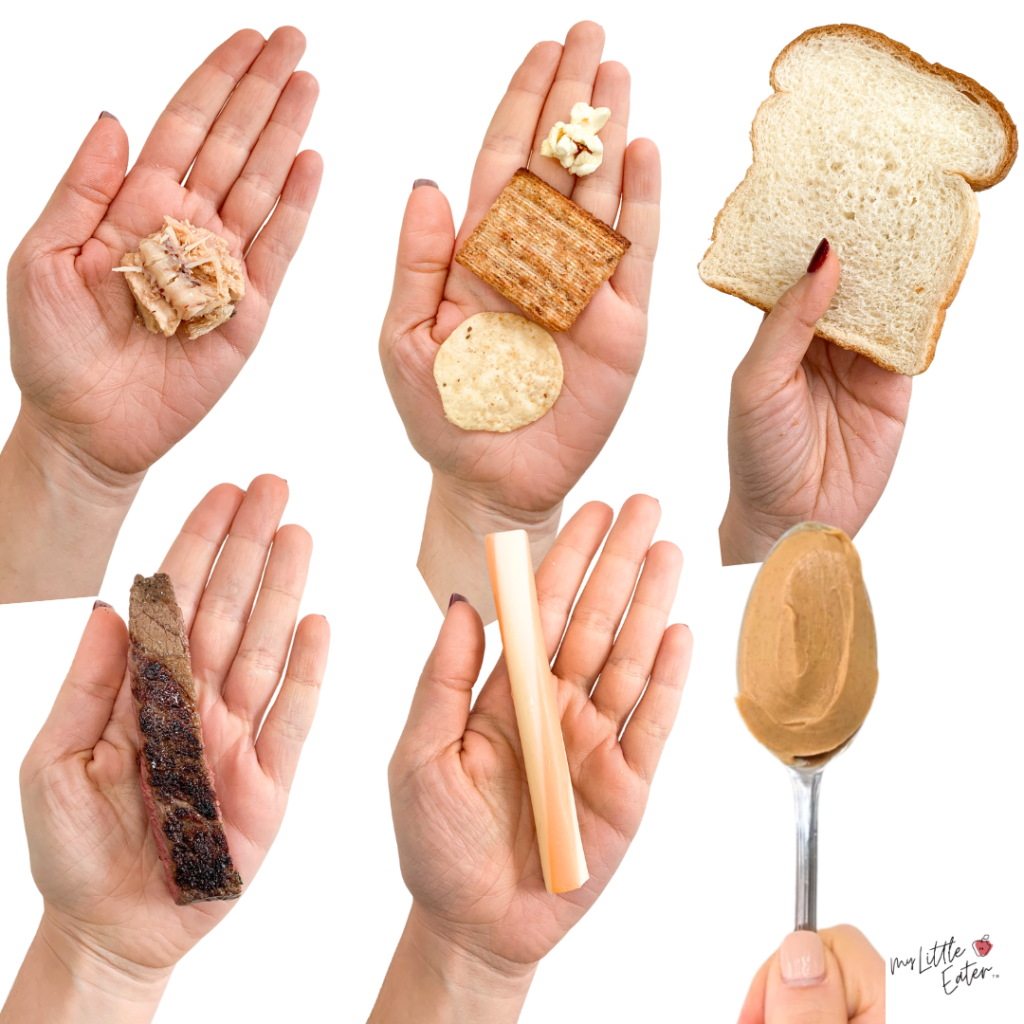
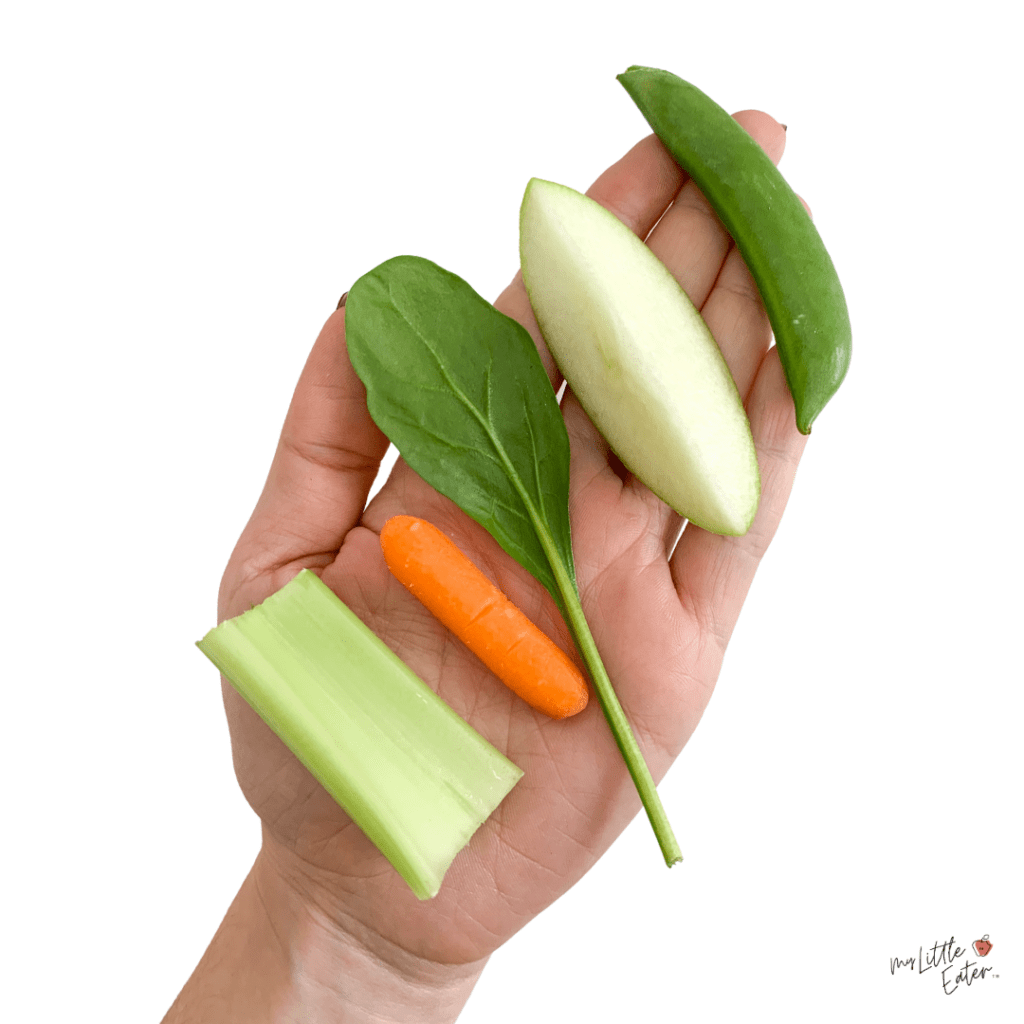
- Type 1: Firm and Indissoluble Solids: This category includes raw fruits and vegetables, such as whole grapes, cherry tomatoes, and chunks of raw carrots or apples. These items do not easily break down with saliva or pressure from the gums, making them prime candidates for lodging in the airway.
- Type 2: Cylindrical or Stick-Shaped Foods: Foods that mirror the shape of the airway are inherently dangerous. Hot dogs, sausages, and string cheese must be modified. If served in their original shape, they can completely occlude the trachea.
- Type 3: Sticky and Gummy Textures: Foods like thick nut butters, gummy candies, or large globs of gelatinous substances can adhere to the back of the throat. This creates a seal that is difficult for a child to dislodge through coughing alone.
- Type 4: Jagged and Crumbly Foods: Hard crackers, popcorn, and dry nuts can shatter into small, sharp fragments. These pieces are not only difficult to chew but can also be aspirated, leading to respiratory complications if they reach the lungs.
The Fallacy of Survivorship Bias
A recurring challenge in parenting circles is the phenomenon of survivorship bias. Caregivers often argue that because they fed their children "risky" foods without an incident, those safety recommendations are exaggerated or unnecessary. Pediatric safety experts, including those from organizations like Safe Beginnings, caution against this logic. Every child possesses a different rate of development regarding chewing and swallowing. Relying on anecdotal success rather than established safety protocols ignores the fundamental variability in child development. Following safety guidelines is not about being a "helicopter parent"; it is about mitigating known risks based on a child’s specific developmental stage.
Implementing Proactive Safety Measures
The most effective way to minimize risk is to create a standardized feeding environment. This includes:
- Supervision: Choking is often silent. Caregivers should be physically present and observant during every meal, avoiding distractions that might prevent them from noticing the signs of respiratory distress.
- Environmental Control: Enforce a "no movement while eating" rule. Walking, running, or playing while consuming food significantly increases the risk of choking as the body is not prepared for a sudden swallow.
- Caregiver Education: The responsibility for safety extends to grandparents, babysitters, and daycare providers. It is essential to provide these individuals with clear instructions on how to modify food and a list of prohibited items.
- First Aid Preparedness: Perhaps the most critical recommendation from medical professionals is for all primary caregivers to undergo formal infant CPR and first-aid training. Knowledge of the Heimlich maneuver and back blows is a perishable skill that must be practiced before an emergency occurs. Relying on an internet search during an active choking event is not a viable strategy.
Conclusion and Future Outlook
As a child approaches the age of four, their chewing skills and airway size typically reach a point where the risk of choking on most solid foods decreases significantly. Until that time, the diligent modification of food—such as quartering grapes, steaming hard vegetables until they pass the "squish test," and spreading thin layers of nut butters—remains the gold standard for pediatric nutrition. By combining developmental awareness with rigorous safety protocols, parents can foster a positive relationship with food while ensuring their child’s environment remains secure. As the field of pediatric nutrition continues to evolve, the emphasis remains clear: education is the most effective tool in the prevention of childhood injuries.
Related posts: