
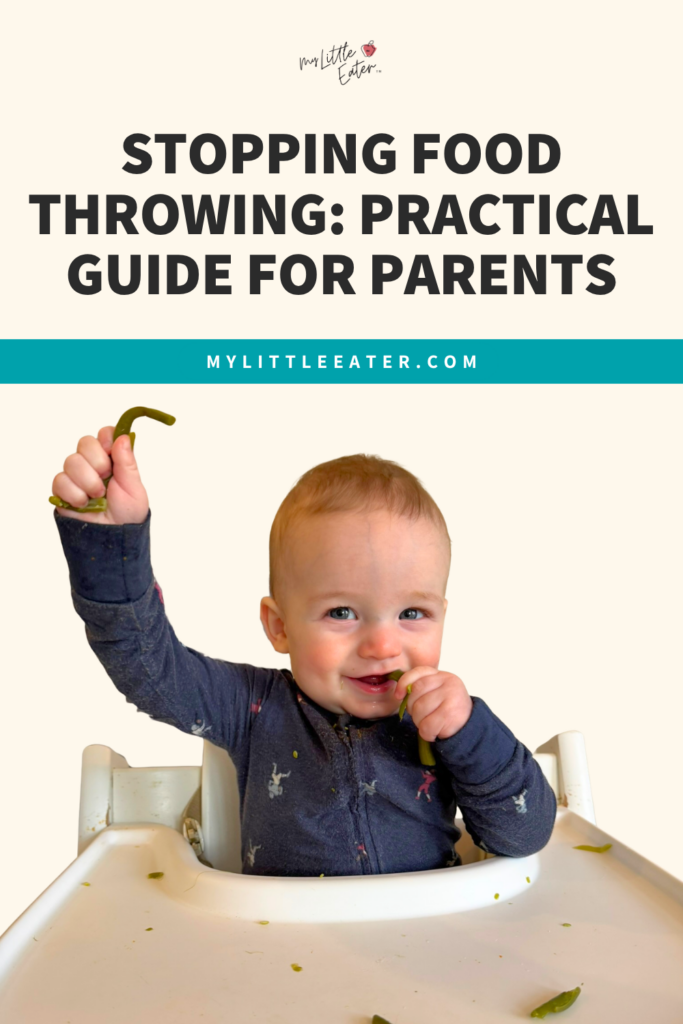
The sight of a child tossing a freshly prepared meal from a high chair is a common catalyst for parental stress, yet developmental experts categorize this behavior as a standard, albeit challenging, phase of early childhood growth. For parents and caregivers, the experience is often characterized by feelings of frustration and concern regarding nutritional intake. However, pediatric dietitians and child development specialists emphasize that food throwing is rarely an act of defiance. Instead, it serves as a multifaceted tool for sensory exploration, communication, and scientific discovery during the critical developmental window between 12 and 36 months.
The Developmental Drivers Behind Mealtime Disruptions
To effectively manage mealtime chaos, it is essential to identify the underlying drivers of the behavior. Research into early childhood psychology indicates that throwing is frequently a byproduct of cognitive and motor development.
Sensory exploration represents one of the primary motivations. For an infant or toddler, the texture, temperature, and consistency of food are new inputs. When a child encounters a substance that is unexpectedly cold, slimy, or mushy, their immediate, instinctive reaction may be to discard it. This is a manifestation of a developing sensory system processing complex new information.

Communication, or the lack thereof, is another significant factor. Before a child acquires the vocabulary to express feelings of satiety, boredom, or distaste, they must rely on non-verbal cues. When a toddler lacks the linguistic ability to state, "I am finished," the act of throwing food becomes a high-impact, immediate way to signal that they have reached the end of their tolerance for the meal.
Furthermore, toddlers are inherently motivated by cause-and-effect experiments. In their view, every object that falls from a tray creates a distinct sound or a change in the environment. They are testing the laws of gravity and the responses of their caregivers. If a parent reacts with laughter, alarm, or a stern lecture, the child perceives that their action has successfully elicited a response. Consequently, the behavior is reinforced, and the cycle continues.
Identifying Potential Areas of Concern
While food throwing is widely regarded as a normative developmental phase, there are specific scenarios in which the behavior may warrant closer observation by pediatric health professionals.
If the behavior persists beyond the 24-month mark despite consistent implementation of redirection strategies, it may signal a need for professional evaluation. Similarly, when the throwing involves heavy objects like ceramic plates, utensils, or projectiles aimed at siblings or pets with the intent to harm, the situation shifts from a developmental phase to a behavioral issue requiring immediate intervention.

Data from pediatric nutritionists suggests that when throwing is accompanied by significant weight loss, a total refusal of entire food groups, or severe gagging reflexes, parents should seek 1:1 consultation with a registered dietitian. These indicators can sometimes point toward underlying sensory processing disorders or extreme neophobia, which require a specialized, clinical approach.
Strategic Frameworks for Mitigating Mealtime Stress
Addressing the issue requires a shift in parental mindset from reaction to proactive management. The goal is to provide structure without creating an atmosphere of tension, as excessive pressure can contribute to the development of long-term picky eating habits.
1. The Neutral Response Rule
The most effective way to curb the behavior is to remove the "audience" effect. Because toddlers seek interaction, a neutral, "poker-faced" response is critical. If a child throws a piece of food, the caregiver should clean the mess efficiently without making eye contact or offering a vocal reprimand. By depriving the child of the anticipated reaction, the behavior loses its primary reward.
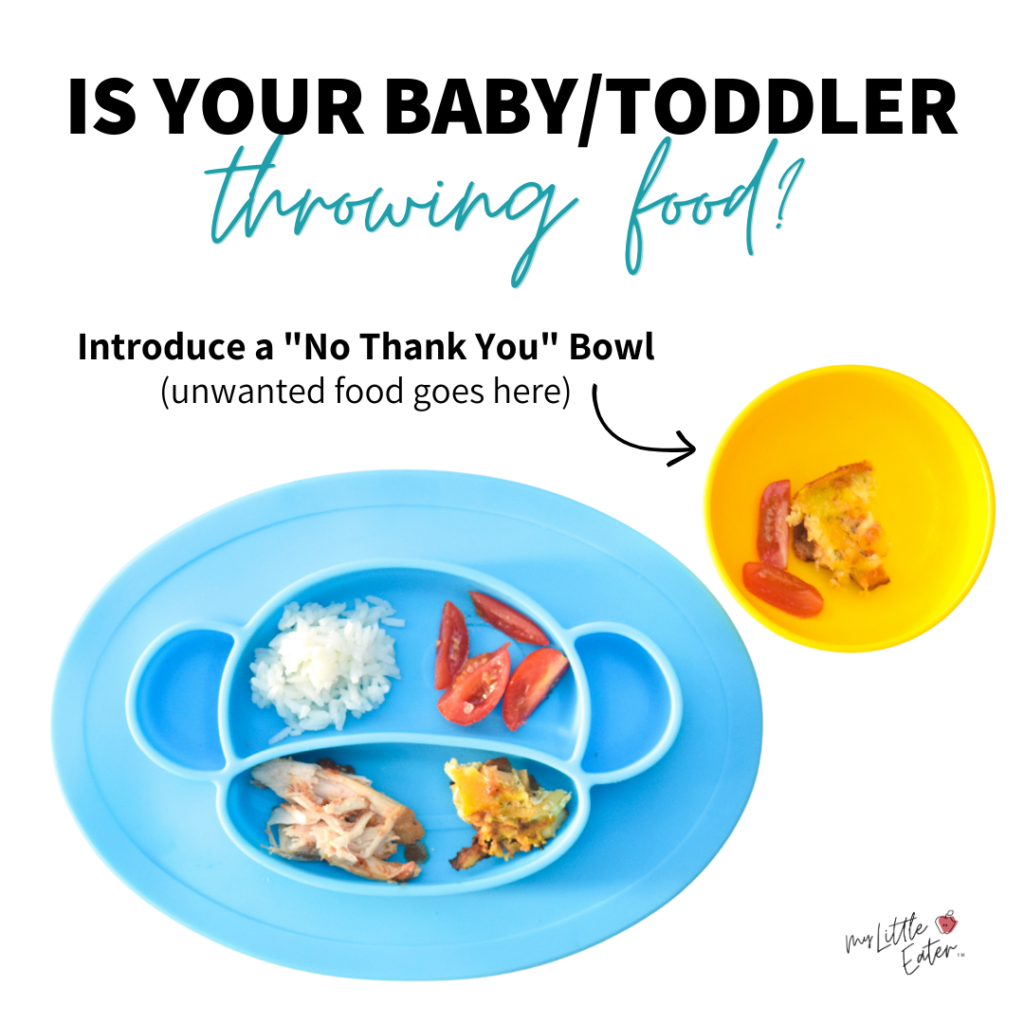
2. Implementing a "No Thank You" Bowl
Providing an alternative is often more effective than simply prohibiting an action. A "No Thank You" bowl—a suction-based container placed on the high chair tray—gives the child a designated, acceptable place to deposit food they do not wish to eat. By saying, "You don’t want that? Put it in the bowl," the parent validates the child’s autonomy while maintaining boundaries regarding where food is allowed to go.
3. Ergonomic Considerations
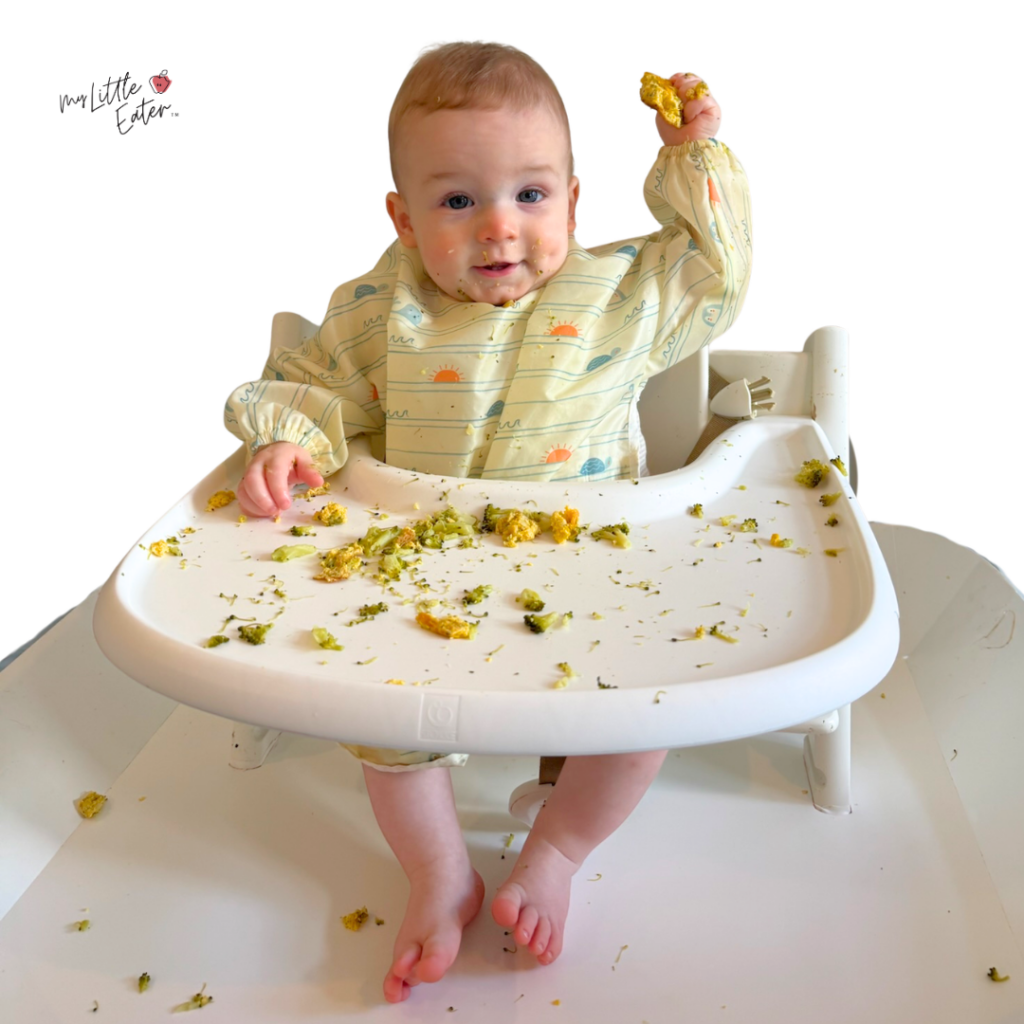
Physical discomfort is an often-overlooked trigger for mealtime restlessness. If a toddler’s legs are dangling, their core stability is compromised, which can manifest as fidgeting and, eventually, throwing. Ensuring the child has a high chair with an adjustable footrest—allowing for a 90-degree angle at the hips, knees, and ankles—provides the stability necessary to focus on the task of eating.
4. Managing Environmental Variables
Distractions significantly increase the likelihood of food being used as a toy. Removing pets from the dining area is a simple but highly effective measure. A dog waiting to scavenge dropped food provides a built-in incentive for a toddler to continue tossing items off the tray. Minimizing environmental stimuli and ensuring the child is not overtired before sitting down can lead to more productive meal sessions.
5. The Three-Step Boundary System
When behavior escalates, a clear, consistent boundary is required. If a child begins throwing repeatedly, the parent should:
- Calmly state the expectation: "Food stays on the tray."
- If the throwing continues, remove the food for a brief moment.
- If the behavior persists, conclude the meal. Ending the meal is not a punishment, but a logical consequence. It protects the integrity of the dining space as a site for nourishment rather than play.
The Role of Physical Activity and Pre-Meal Regulation
Toddlers possess a high drive for physical movement. Integrating a few minutes of active play prior to a meal can help burn off the energy that might otherwise be directed toward throwing food. Additionally, providing safe outlets for throwing activities outside of mealtimes—such as throwing soft balls or beanbags—can help satisfy the developmental urge to practice these motor skills in a context where it is not disruptive.
Broader Implications for Child Development
The transition from infancy to toddlerhood is a period of rapid autonomy-seeking. The "food throwing" phase is one of the first times a child tests the boundaries of their environment and their influence over their caregivers.
Research suggests that families who handle these moments with calm, consistent boundaries foster a healthier relationship with food. When parents avoid the trap of "coercive feeding"—the practice of pressuring a child to eat a specific amount or type of food—they protect the child’s ability to self-regulate their hunger and fullness cues.
The long-term implication of these strategies is the establishment of a "Division of Responsibility" in feeding. As established by nutritionists, the parent is responsible for what, when, and where the child is fed, while the child is responsible for whether they eat and how much. By respecting this division, parents can navigate the messy,, often trying, phase of toddlerhood while laying the groundwork for a positive, life-long relationship with nutrition.
Conclusion: A Temporary Challenge
It is important to reiterate that for the vast majority of families, this phase is temporary. Most children move through the food-throwing stage by the age of three as their impulse control and language capabilities mature.

While the cleanup may feel relentless in the moment, the consistent application of these strategies acts as a bridge to more sophisticated table manners. Every time a caregiver remains calm and redirects the child without escalating the emotional intensity of the situation, they are building the structural support the child needs to develop self-control. The key is consistency across all caregivers; if one parent ignores the behavior while another reacts with laughter or anger, the message becomes confused, and the phase will likely persist. By maintaining a united front and a calm demeanor, parents can effectively guide their children through this developmental milestone and return to stress-free, nourishing family meals.
Related posts: