Demystifying Hyperglycemia: The Biological Mechanisms, Warning Signs, and Long-Term Implications of High Blood Sugar

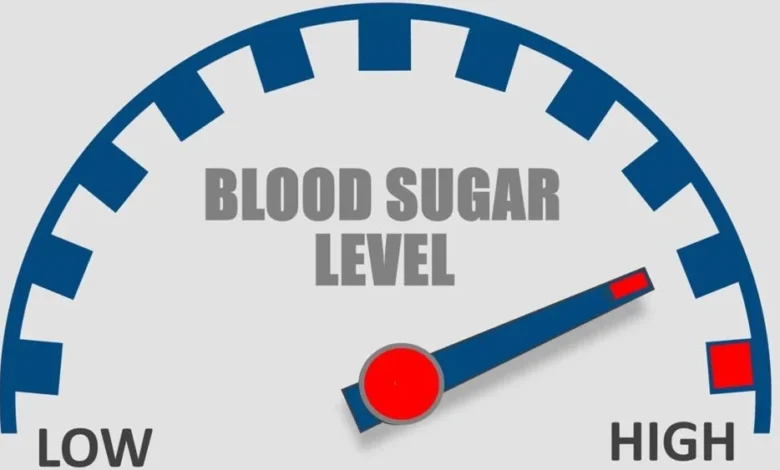
Hyperglycemia, commonly known as high blood sugar, stands as the central pathological hallmark of all diabetes mellitus classifications. Whether originating from an absolute deficiency of insulin production within the pancreas, as seen in type 1 diabetes, or from peripheral cellular resistance to insulin action, as observed in type 2 diabetes, the fundamental result remains consistent: glucose accumulates in the bloodstream rather than being successfully transported into tissues for cellular respiration and energy. While millions of individuals globally manage this condition daily, the underlying physiological cascade that transforms elevated circulating glucose into visible, physical symptoms is a complex interplay of osmoregulation, renal function, neurology, and endocrinology. Understanding these mechanisms offers critical insight into why early detection and stringent glycemic control remain paramount in modern healthcare.
The physiological trajectory of hyperglycemia typically begins long before a clinical diagnosis is established. In many cases of type 2 diabetes, blood glucose levels remain chronically elevated for months or even years before an individual experiences overt symptoms. Clinically, blood glucose is defined as elevated when fasting values exceed 130 milligrams per deciliter (mg/dL) before a meal, or surpass 180 mg/dL two hours post-prandial. However, the classic physiological warning signs of acute hyperglycemia—such as extreme thirst and frequent urination—rarely manifest until glucose concentrations breach the 250 mg/dL threshold. Medical literature distinguishes between acute hyperglycemia, which is typically transient and provoked by missed medication doses, stress, illness, or high-carbohydrate meals, and chronic hyperglycemia. Chronic elevation is significantly more hazardous, exerting sustained toxic effects on vascular tissues, nerves, and major organ systems over extended periods.
To comprehend how high blood sugar disrupts the human body, medical researchers examine the classic clinical triad of symptoms: polyuria, polydipsia, and polyphagia, translating respectively to excessive urination, excessive thirst, and excessive hunger. These manifestations are driven by precise chemical and biological chain reactions. Polyuria, or excessive urination, is initiated through an osmotic shift. As glucose concentrations spike within the bloodstream, the high solute concentration osmotically draws fluid out of intracellular spaces and into the vascular network in an attempt to dilute the blood. Simultaneously, the kidneys function as the body’s primary filtration system. Under normal conditions, renal tubules reabsorb filtered glucose back into the body. However, when the blood glucose concentration entering the nephrons exceeds 250 mg/dL, the reabsorption capacity of the renal tubules is completely overwhelmed. This triggers osmotic diuresis, a process whereby the kidneys discharge massive volumes of water. While a healthy individual typically excretes approximately 1.5 liters of urine daily, a person experiencing severe hyperglycemia may produce up to 15 liters per day, leading to profound systemic dehydration.
This severe dehydration directly triggers polydipsia, or excessive thirst. Specialized osmoreceptors located within the hypothalamus monitor blood concentration and plasma osmolality. When water is aggressively flushed from the body via osmotic diuresis, these receptors activate neural pathways that stimulate an intense psychological and physiological drive to consume fluids. Complicating this cycle, individuals experiencing unmanaged thirst often mistakenly consume sugar-sweetened beverages, which introduces additional glucose into the system and exacerbates the hyperglycemic state, while any caffeine content further contributes to fluid loss.
Simultaneously, polyphagia, or excessive hunger, develops due to cellular energy deprivation. Despite an abundance of glucose circulating in the blood, the lack of sufficient insulin action prevents cells from taking up this vital fuel source. Starving cells release hormonal signals, including ghrelin, to stimulate appetite, creating a paradoxical condition where the body experiences intense hunger while swimming in an overabundance of circulating nutrients.
Beyond the classic triad, chronic hyperglycemia unleashes a wide spectrum of secondary complications affecting nearly every physiological system. Unexplained weight loss frequently occurs as the body breaks down alternative energy stores, such as muscle mass and adipose tissue, when it cannot properly utilize glucose. Furthermore, elevated blood glucose creates an ideal microenvironment for opportunistic pathogens. Bacteria and yeasts thrive on glucose-rich environments; consequently, individuals with poorly managed blood sugar face a significantly elevated risk of frequent urinary tract infections (UTIs), yeast infections, and superficial skin conditions. Women with diabetes, for example, exhibit a threefold higher incidence of bacteria present in their urine compared to the general population.
Wound healing is similarly compromised by sustained high blood sugar. Elevated glucose levels impair the functional capacity of neutrophils—white blood cells responsible for fighting infection and clearing cellular debris from injury sites. Combined with peripheral vascular disease, which narrows blood vessels and restricts oxygen delivery to peripheral tissues, minor cuts and abrasions can rapidly evolve into severe ulcers, cellulitis, and tissue necrosis. Data from public health agencies indicates that tens of thousands of non-traumatic lower-limb amputations occur annually among adults diagnosed with diabetes, underscoring the severe implications of delayed wound management.
Neurological manifestations are another hallmark of prolonged hyperglycemia. Peripheral neuropathy, characterized by numbness, tingling, or burning sensations in the hands and feet, stems from microvascular damage to the longest nerves in the body. Over time, this nerve degradation can also affect the autonomic nervous system, leading to gastrointestinal disturbances such as chronic constipation or alternating bouts of diarrhea, as well as sexual health complications like erectile dysfunction, which studies show affects over half of men diagnosed with diabetes. Ocular health is similarly vulnerable; acute fluid shifts in the lens of the eye cause temporary blurred vision, while chronic microvascular damage to the retina can culminate in diabetic retinopathy and, ultimately, blindness if left untreated.
Managing and preventing these severe physiological outcomes requires a multi-faceted clinical approach. Routine glycemic monitoring remains the cornerstone of diabetes management, allowing patients to identify spikes before they escalate into medical emergencies. Thresholds exceeding 250 mg/dL necessitate ketone testing to screen for diabetic ketoacidosis (DKA)—a life-threatening condition predominantly affecting individuals with type 1 diabetes, characterized by nausea, vomiting, confusion, and fruity-smelling breath. Conversely, hyperosmolar hyperglycemic state (HHS) frequently develops more slowly in older adults with type 2 diabetes, presenting with extreme dehydration and blood glucose levels often exceeding 600 mg/dL, requiring immediate emergency intervention.
Medical professionals emphasize that while occasional glycemic excursions are a standard aspect of living with diabetes, sustained control can be achieved through a combination of tailored pharmacological therapy, regular physical activity, consistent carbohydrate awareness, and routine consultation with certified diabetes educators. By recognizing the subtle early warning signals that the body transmits when glucose regulation fails, patients can intercept minor metabolic imbalances before they develop into debilitating, irreversible systemic damage.