The Ultimate Guide to Mess-Free Travel Snacks, Easier Summer Meals, and Restaurant Dining with Toddlers

The complexities of feeding young children, particularly during travel and the warmer months, are a significant concern for many families. Recent inquiries highlight three core challenges: identifying low-mess travel snacks for children, navigating restaurant dining with toddlers, and efficiently preparing family dinners during summer while maximizing the use of seasonal produce. These issues, frequently raised by parents, underscore a persistent need for practical, actionable advice in family nutrition and meal planning.
Addressing the Demands of Family Dining on the Go and During Summer
Feeding a family, especially one with young children, presents unique logistical hurdles. The desire for convenient, healthy, and appealing food options often clashes with the realities of busy schedules, travel, and seasonal constraints. This article delves into expert advice and common strategies for overcoming these challenges, offering solutions that aim to simplify meal preparation and enhance family mealtimes.
Navigating the Landscape of Travel Snacks for Children
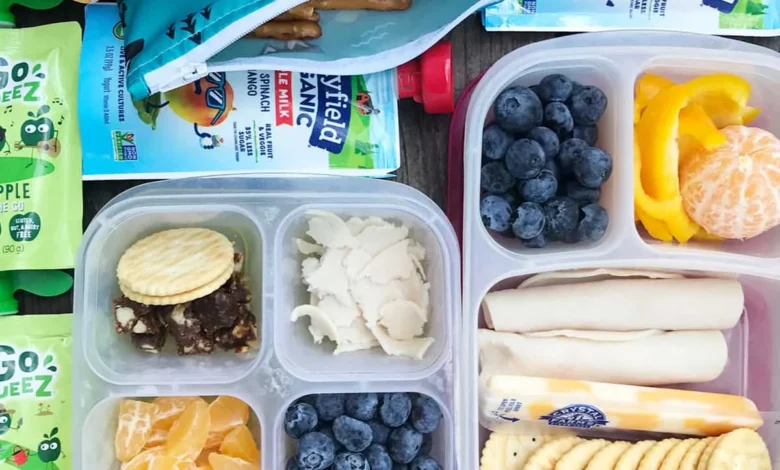
One of the most pressing concerns for parents is the selection of travel snacks that are both appealing to children and remarkably low in mess. The inherent nature of toddlers often involves a degree of unpredictability when it comes to food consumption, leading to inevitable spills and sticky situations. The goal is to identify snacks that minimize cleanup without compromising on nutritional value or child satisfaction.
Key considerations for low-mess travel snacks include:
- Portability and Containment: Snacks that come in their own natural packaging or can be easily portioned into spill-proof containers are ideal. Fruits like bananas and oranges, when peeled strategically, offer a contained eating experience. Pre-portioned pouches of yogurt or fruit puree, while requiring careful handling, can be less messy than open containers.
- Texture and Form: Dry, non-crumbly snacks are generally preferable. Options such as whole-grain crackers, rice cakes, dried fruit (in moderation due to sugar content), and cheese sticks tend to be less prone to scattering. Avoidance of overly soft or sticky items like gummy candies or excessively saucy foods is advisable.
- Nutritional Balance: While convenience is paramount, ensuring snacks offer some nutritional benefit is important. Whole grains, lean proteins, and healthy fats can help keep children satiated and provide sustained energy. Trail mixes, composed of nuts, seeds, and dried fruit, can be a good option if prepared thoughtfully to avoid choking hazards for younger toddlers.
- Preparation Strategies: Pre-cutting fruits and vegetables into bite-sized pieces, such as apple slices, carrot sticks, or cucumber chunks, can make them easier for children to manage. Packing these in small, compartmentalized containers further aids in organization and mess reduction.
Data from the National Health and Nutrition Examination Survey (NHANES) consistently shows that children’s diets often fall short of recommended intake for certain micronutrients. Providing nutrient-dense snacks can help bridge these nutritional gaps, especially during periods when regular meal structures may be disrupted.
The Restaurant Dilemma: Dining Out with Toddlers
Another significant area of inquiry revolves around the etiquette and practicalities of feeding toddlers in restaurant settings. The decision of whether to order from the kids’ menu, bring outside food, or share from an adult’s plate is a common point of deliberation for parents. Each approach carries its own set of considerations.
Kids’ Menus:
While often designed with children in mind, kids’ menus can sometimes be limited in nutritional variety, frequently featuring fried options or refined carbohydrates. However, many establishments are increasingly offering healthier alternatives, such as grilled chicken, steamed vegetables, or fruit cups. The advantage lies in portion control and familiar options that may be more palatable to picky eaters.
Bringing Outside Food:
Restaurant policies on outside food vary widely. While some establishments may permit it for infants or toddlers with specific dietary needs, many discourage it. Bringing food can be a lifesaver for children with severe allergies or highly restricted diets, but it requires careful planning and awareness of restaurant rules to avoid potential conflicts.
Sharing Adult Plates:
Sharing can be an excellent way to introduce children to a wider variety of foods and manage portion sizes. It also allows parents to control the ingredients and preparation methods to some extent. However, it requires careful consideration of portioning, potential choking hazards, and ensuring the child’s dietary needs are met.
According to a study published in the Journal of the Academy of Nutrition and Dietetics, children who dine out more frequently tend to have lower-quality diets, emphasizing the importance of making informed choices when selecting meals outside the home.
Efficient Summer Cooking: Balancing Time, Heat, and Seasonal Produce
The advent of summer brings an abundance of fresh produce, but also often higher temperatures and increased demands on family time. Preparing family dinners efficiently, especially when it’s hot and time is scarce, presents a unique culinary challenge. The aim is to create delicious, nutritious meals that utilize seasonal ingredients without requiring extensive time in a hot kitchen.
Strategies for efficient summer cooking include:
- Embracing No-Cook and Minimal-Cook Meals: Salads, wraps, sandwiches, and grain bowls can be prepared with minimal to no cooking. Utilizing pre-cooked grains, canned beans, and readily available proteins like rotisserie chicken can significantly speed up meal preparation.
- Grilling and Outdoor Cooking: The grill is a summer chef’s best friend, allowing for the preparation of meats, vegetables, and even fruits with minimal fuss and heat transfer into the home. Grilled corn on the cob, zucchini, bell peppers, and marinated chicken or fish are excellent summer staples.
- Leveraging Slow Cookers and Instant Pots: These appliances are invaluable for preparing meals ahead of time, allowing ingredients to cook slowly and fill the home with enticing aromas without requiring constant supervision or generating excess heat. Dishes like pulled pork, stews, or even cooked grains can be prepared in advance and served at dinner.
- Strategic Meal Prepping: Dedicating a small amount of time on a less busy day to chop vegetables, marinate meats, or cook grains can make weeknight dinners significantly more manageable. This foresight can transform a daunting evening into a relaxed and enjoyable cooking experience.
- Focusing on Summer Produce: The peak season for many fruits and vegetables offers a nutritional advantage and cost savings. Incorporating dishes that highlight ingredients like tomatoes, cucumbers, berries, peaches, and corn can lead to more flavorful and vitamin-rich meals. A simple caprese salad, a berry-yogurt parfait, or corn salsa can be quick, healthy, and delicious additions to any summer meal.
The USDA’s Dietary Guidelines for Americans consistently recommend increased consumption of fruits and vegetables. Summer’s bounty provides an opportune time to meet these recommendations, making it easier and more enjoyable for families to incorporate a variety of produce into their diets.
Broader Implications and Future Considerations
The challenges of feeding families, particularly young children, are multifaceted and require a holistic approach. The inquiries received by platforms like Yummy Toddler Food underscore a growing awareness among parents about the importance of nutrition, convenience, and mindful consumption. As lifestyles evolve and dietary trends shift, the demand for practical, evidence-based guidance in family food preparation and consumption is likely to increase.
The trend towards subscription-based content, as seen with the YTF Community, reflects a willingness of consumers to invest in specialized knowledge and resources that directly address their daily challenges. This model allows for the development of in-depth content, community support, and personalized tools, such as customizable meal plans and bonus recipes, which are invaluable for busy parents.
The analysis of these common parental concerns suggests a need for continued innovation in food products and services tailored to families. This includes the development of more convenient, healthy, and appealing ready-to-eat options for travel, clearer labeling and healthier choices on restaurant menus, and accessible resources for efficient home meal preparation. Ultimately, empowering families with the knowledge and tools to navigate these food-related challenges contributes to improved health outcomes and a more positive dining experience for all.