The Definitive Guide to Ethical Winter Accessories and Sustainable Cold-Weather Fashion

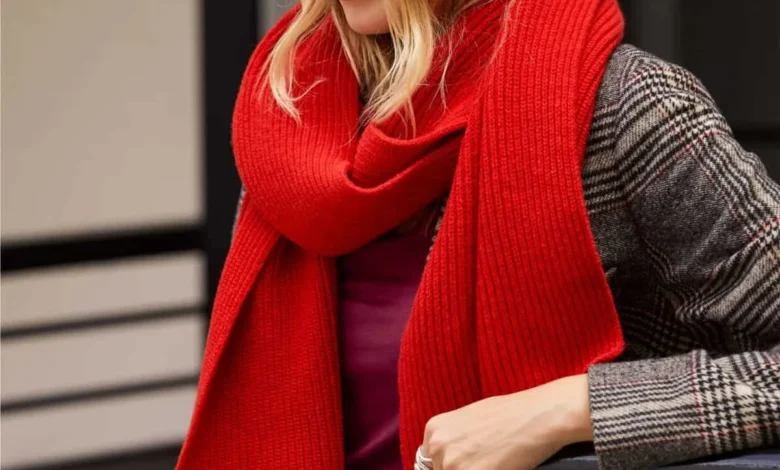
As global temperatures fluctuate and the environmental impact of the textile industry faces increasing scrutiny, the demand for ethically produced winter accessories—specifically gloves, scarves, and mittens—has reached an all-time high. Consumers are no longer solely focused on warmth and aesthetic appeal; they are prioritizing supply chain transparency, animal welfare, and the carbon footprint of their winter wardrobes. This shift in consumer behavior mirrors a broader movement within the fashion industry to move away from fast fashion, which is responsible for an estimated 10% of global carbon emissions and significant water pollution.
The Context of Ethical Consumption in the Textile Industry
The winter accessory market presents a unique set of challenges regarding sustainability. Unlike seasonal lightweight clothing, winter wear often relies heavily on animal-derived materials such as wool, cashmere, and leather. The ethical implications of these materials are profound. For instance, the practice of "mulesing"—a surgical procedure used in the sheep industry to prevent flystrike—has drawn widespread condemnation from animal welfare organizations. Consequently, the rise of the Responsible Wool Standard (RWS) and Global Organic Textile Standard (GOTS) certifications has become the benchmark for consumers seeking assurance that their garments are produced without compromising ethical standards.
The transition toward sustainable winter fashion is not merely a trend but a response to legislative and environmental pressures. In the European Union and the United Kingdom, new regulations regarding extended producer responsibility (EPR) are forcing brands to account for the entire lifecycle of their products. This includes the sourcing of raw fibers, the energy consumption of manufacturing facilities, and the eventual end-of-life disposal of garments.

Key Sustainable Brands and Manufacturing Practices
Several companies have emerged as leaders in this space, adopting diverse strategies to minimize their environmental impact.
Seasalt, a pioneer in the sector, was the first fashion retailer to achieve GOTS certification as early as 2005. Their approach emphasizes the use of recycled synthetics alongside responsibly sourced wool. By strictly adhering to RWS guidelines, the company ensures that their supply chain supports progressive land management and rigorous animal welfare protocols. Furthermore, their commitment to plastic-free packaging addresses the often-overlooked environmental cost of shipping and logistics.
The Nearly New Cashmere Co. represents a different, circular approach to sustainability. By focusing on the restoration and upcycling of pre-existing cashmere garments, the brand effectively eliminates the need for virgin material production, which is notoriously resource-intensive. According to industry data, the production of virgin cashmere requires significant land and water resources, often leading to desertification in the regions where goats are farmed. Upcycling initiatives like those employed by this brand provide a tangible solution to the problem of textile waste, converting damaged, non-repairable jumpers into functional accessories such as fingerless gloves.
Dilling, a Danish-based firm, exemplifies the importance of vertical integration. By owning their own dye houses and manufacturing facilities, they maintain a degree of control that is rare in the global fashion market. This transparency allows for the elimination of heavy metal dyes—a common source of water pollution in the textile industry—and ensures fair labor practices throughout the production line. Their emphasis on repairability, through the provision of repair patches and instructional guides, aligns with the "right to repair" movement, encouraging consumers to extend the longevity of their garments rather than replacing them.

Chronology of Ethical Fashion Development
The evolution of these brands reflects a timeline of growing environmental awareness:
- 2005: Seasalt becomes the first fashion retailer to earn GOTS certification, setting a new industry standard for organic textiles.
- 2010–2015: The rise of animal welfare awareness leads to the widespread adoption of the Responsible Wool Standard (RWS), as consumers and NGOs demand an end to cruel farming practices like mulesing.
- 2018–2020: The circular economy gains traction. Brands begin to pivot from purely organic materials to incorporating recycled fibers and upcycled materials to reduce the burden of waste.
- 2022–Present: A shift toward "total transparency" occurs. Consumers increasingly expect brands to provide details not just on materials, but on transportation methods (e.g., opting for road over air freight) and the specific location of factory facilities.
Data Analysis: The Environmental Cost of Winter Fashion
The environmental impact of synthetic versus natural fibers remains a point of contention. While recycled nylon is a significant improvement over virgin petroleum-based synthetics, it still poses a risk regarding microplastic shedding during washing. Conversely, organic wool is biodegradable but requires careful land management to prevent soil degradation.
Industry reports suggest that switching to recycled wool can reduce the environmental footprint of a garment by up to 70% compared to virgin wool production. Brands like Isabella Oliver have capitalized on this by utilizing recycled wool, while also auditing their logistics chain to ensure that products are transported via road rather than carbon-intensive air freight. This demonstrates a shift toward holistic sustainability, where the impact of a garment is measured from the pasture to the customer’s front door.
Official Responses and Industry Outlook
Representatives from the Ethical Fashion Forum have noted that the "winter accessory market is currently the most accessible entry point for the average consumer to engage with sustainable fashion." Unlike complex outerwear or footwear, accessories offer a low-risk, high-impact way to support brands that prioritize ethical manufacturing.
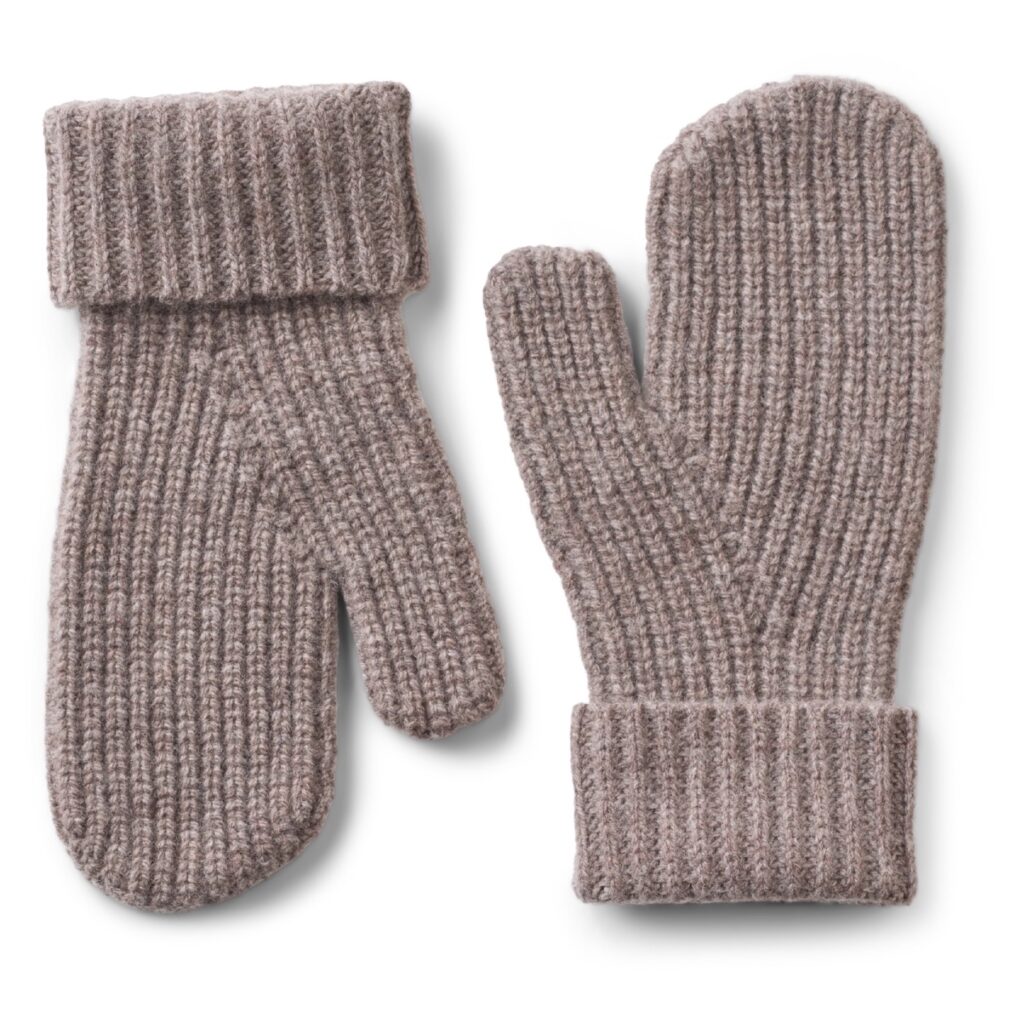
However, challenges remain. The price point of ethically produced goods is inherently higher than that of fast-fashion alternatives. This disparity is often cited as a barrier to widespread adoption. Nevertheless, analysts argue that when calculating the "cost per wear"—considering the longevity, durability, and repairability of these items—the economic case for sustainable, high-quality accessories becomes clear.
Broader Implications for the Fashion Industry
The trend toward ethical gloves, scarves, and hats is symptomatic of a larger structural change. As global supply chains face increasing volatility, brands that own their production facilities—or at least maintain deep, long-term relationships with their suppliers—are proving to be more resilient. The emphasis on transparency is no longer a marketing choice; it is becoming a survival strategy in a market where consumers are increasingly empowered by digital tools to verify brand claims.
The move toward circularity, as demonstrated by the upcycling of cashmere and the provision of repair services, also signals a move away from the "take-make-waste" model. As environmental regulations tighten, companies that have already invested in sustainable infrastructure, such as non-toxic dyeing facilities and plastic-free packaging, will be better positioned to comply with future mandates.
In conclusion, the current landscape for ethical winter accessories is characterized by a blend of innovation, traditional craftsmanship, and a commitment to transparency. Whether through the use of GOTS-certified organic wool, the upcycling of luxury materials, or the implementation of repair-focused business models, these brands are setting a new standard for the industry. For the consumer, the choice of a scarf or a pair of gloves is now an opportunity to participate in a more sustainable, equitable, and conscious global economy. As this sector continues to evolve, the focus will likely shift further toward full-spectrum accountability, ensuring that the warmth provided by these accessories does not come at the cost of the planet.