Sustainable Living Solutions: Eight Eco-Friendly Blanket Options to Stay Warm This Winter

The ongoing energy crisis has forced a fundamental shift in how households approach thermal management during the colder months. With utility costs remaining significantly higher than historical averages, consumers are increasingly seeking passive heating solutions that reduce dependency on central heating systems. Central to this strategy is the adoption of high-quality, sustainable textiles that provide insulation while adhering to circular economy principles. This report evaluates eight leading options for eco-friendly blankets, categorizing them by material sourcing, manufacturing ethics, and environmental impact.
The Macroeconomic Context of Household Heating
Data from the Office for National Statistics (ONS) and major energy providers indicates that the volatility in the energy market has persisted, leaving many households struggling with the "heat or eat" dilemma. As temperatures drop, the demand for energy-efficient home products has surged. According to energy efficiency experts, maintaining a consistent ambient temperature through central heating is often the most significant household expenditure during the winter. Consequently, the use of high-thermal-resistance materials—specifically wool and high-density cotton—has emerged as a practical, low-cost intervention.

The shift toward sustainable textiles is not merely a lifestyle choice but a response to the environmental footprint of the textile industry. Traditional synthetic blankets, often made from polyester or acrylic, are derivative products of the fossil fuel industry and contribute significantly to microplastic pollution during washing cycles. In contrast, the blankets analyzed herein focus on recycled fibers, GOTS-certified organic cotton, and closed-loop manufacturing processes.
Evaluation of Sustainable Textile Options
1. Natural Collection: The Case for Circular Yarn
Natural Collection offers a solution centered on the reuse of existing textile waste. Their blankets are produced in the United Kingdom using reclaimed yarn salvaged from shredded, discarded clothing or redundant industrial stock. By preventing these materials from entering landfills, the company utilizes a "closed-loop" approach to manufacturing. While the lack of color specificity remains a logistical drawback for some consumers, the product serves as a model for waste reduction in the domestic soft-furnishings sector.
2. Cottsbury: GOTS-Certified Ethical Standards
For consumers prioritizing supply chain transparency, Cottsbury provides a rigorous alternative. Utilizing 100% GOTS-certified organic cotton, the company ensures that no harmful pesticides or synthetic fertilizers are used during the farming of raw materials. Furthermore, their adherence to Fairtrade-certified manufacturing ensures that laborers receive living wages and operate in safe environments. Their strategy of utilizing fabric offcuts to create packaging bags demonstrates a commitment to minimizing post-production waste.

3. Sourced by Oxfam: Charitable Impact and Waste Diversion
Oxfam’s foray into home goods represents a significant development in the retail landscape. The "Sourced by Oxfam" range provides consumers with brand-new, ethically produced items that support the organization’s primary mission: global poverty alleviation. By sourcing blankets made from recycled wool, Oxfam taps into an existing waste stream, repurposing fibers that would otherwise be discarded. This model illustrates the potential for charitable organizations to pivot toward sustainable retail as a primary funding stream.
4. Paper High: Fair Trade and Artisan Support
Paper High represents a social enterprise model, working with the Asha Handicrafts Association in India. This organization, founded in 1975 and holding World Fair Trade Organization (WFTO) status, supports over 800 artisans. The production of blankets from recycled cotton salvaged from the garment industry serves a dual purpose: it diverts waste from the fashion sector and provides stable employment for artisans, fostering traditional craft preservation while improving local economic conditions.
5. Soak & Sleep: The Philosophy of Durability
Soak & Sleep’s focus on longevity serves as a direct critique of the "fast fashion" cycle. By partnering with the British manufacturer Tweedmill, based in North Wales, the company emphasizes the importance of regional production and high-quality materials. Their inclusion of a two-year guarantee reinforces the "buy well, buy once" philosophy, which is the cornerstone of sustainable consumption. Pure wool, while requiring careful maintenance, offers superior thermal properties compared to synthetic alternatives.

6. Florence & Lily: The Hybrid Fiber Model
The Etsy-based retailer Florence & Lily highlights the viability of blended recycled fibers. Their blankets, composed of 70% recycled wool and 30% other reclaimed fabrics, offer a balance between aesthetic appeal and environmental responsibility. By maintaining a machine-washable standard at low temperatures, they lower the barrier to entry for consumers who might otherwise avoid natural fibers due to maintenance concerns.
7. TBCo.: The Impact of Localized Manufacturing
Edinburgh-based TBCo. has integrated corporate social responsibility into its core business model through the "Positive Impact Pledge." By donating 2% of every purchase to environmental and humanitarian charities, they link consumer behavior directly to global impact. Their specific data—stating that each blanket saves an average of six garments from landfill—provides the transparency that modern, eco-conscious consumers demand.
Broader Implications for the Textile Industry
The move toward these sustainable options reflects a broader transformation in consumer sentiment. According to recent market analysis, "conscious consumerism" is no longer a niche market. The increase in demand for recycled wool and organic cotton suggests that shoppers are willing to pay a premium for products that offer verified environmental benefits.
However, challenges remain. The scaling of recycled fiber production requires a robust infrastructure for textile collection and sorting—a system that is currently fragmented globally. Furthermore, as demand for organic cotton grows, there is an increasing necessity to ensure that certification bodies remain vigilant against "greenwashing" and fraudulent claims.
The Economic and Environmental Synergy
The intersection of energy conservation and textile sustainability is clear. By investing in high-quality blankets, households are effectively reducing their "kilowatt-hour" demand during peak hours. From a macroeconomic perspective, if a significant percentage of the population reduced their heating reliance by even one or two degrees through the use of high-insulation blankets, the aggregate reduction in national energy demand would be substantial.
This, in turn, helps to stabilize grid load and lower carbon emissions associated with gas-fired power generation. The transition to such products is not merely a matter of personal comfort; it is a component of a larger strategy to decouple household lifestyle from fossil fuel consumption.
Conclusion: A Strategic Approach to Winter Comfort
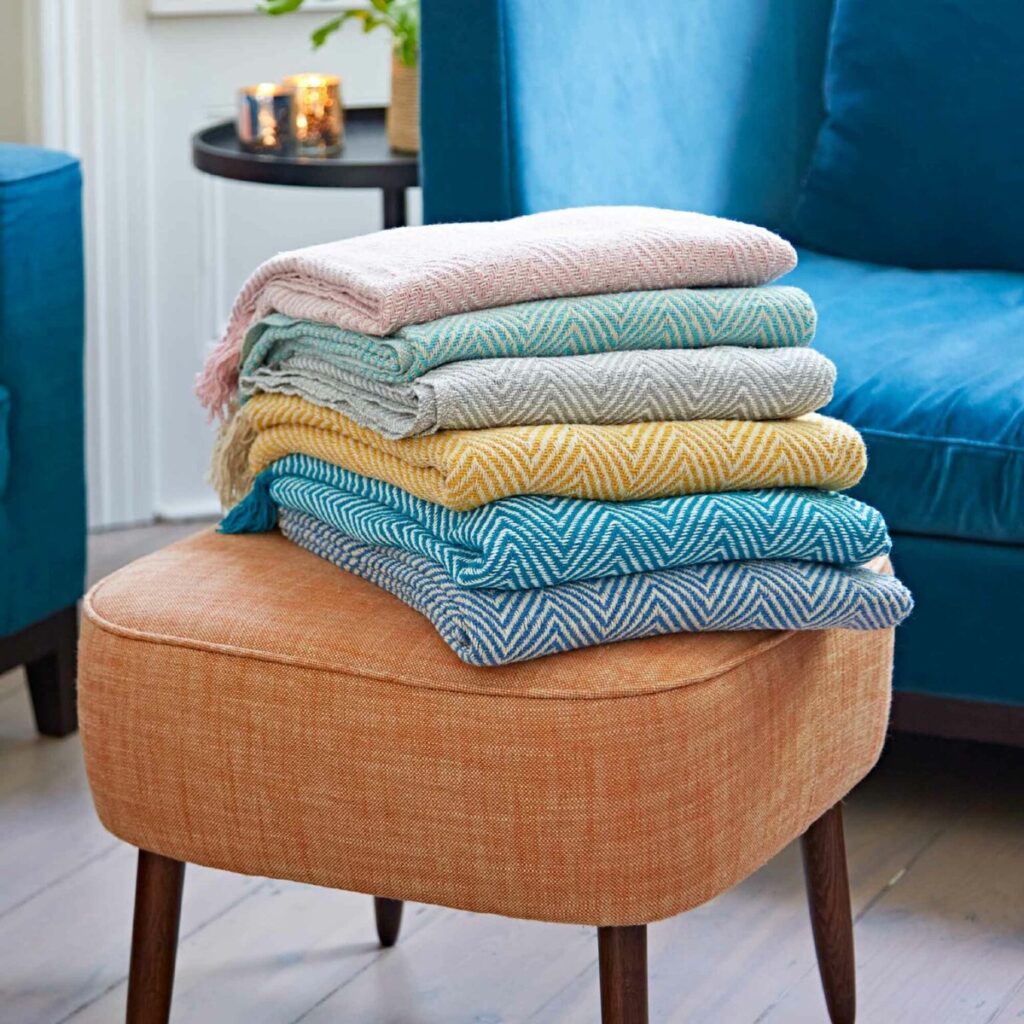
As the winter season progresses, the selection of home textiles should be guided by three primary factors: the lifecycle of the material, the ethical standards of the manufacturer, and the durability of the final product. The eight brands evaluated represent a shift toward a more circular and responsible manufacturing ecosystem.
By opting for recycled wools, GOTS-certified cottons, and products backed by fair-trade certifications, consumers are not only ensuring their own comfort during periods of energy volatility but are also contributing to a systemic change in how the global textile market operates. The long-term success of this movement will depend on continued transparency, the expansion of waste-reclamation technologies, and a sustained shift in consumer priorities toward value-based purchasing. For the household, the humble blanket has evolved from a simple comfort item into an essential tool for navigating the economic and environmental complexities of the modern era.
Related posts: