The Essential Stage 1 Baby Food List: A Comprehensive Guide to Introducing Solids

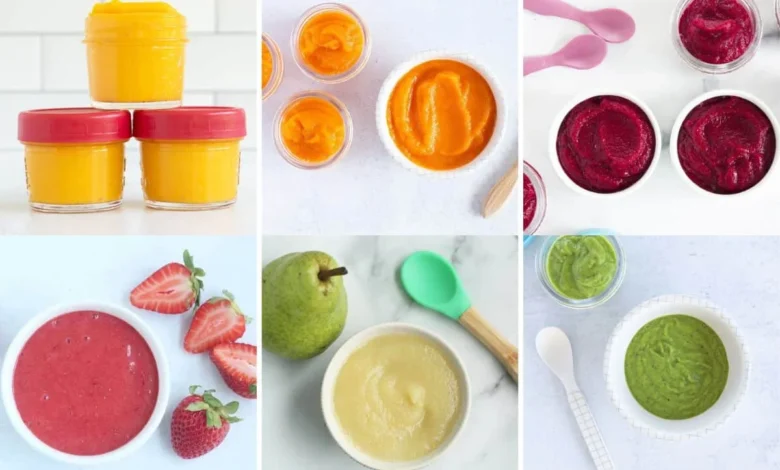
The journey into solid foods for infants is a significant milestone, marked by the introduction of pureed fruits, vegetables, and proteins. This comprehensive guide, drawing from expert advice and practical experience, aims to equip parents and caregivers with a foundational understanding of Stage 1 baby foods. These nutrient-dense, easily digestible options are crucial for healthy development and establishing positive eating habits. The focus is on single-ingredient purees, allowing babies to explore individual flavors and textures, which is a key component of early nutritional education. This list serves as a quick-reference for creating simple, nutritious, and palatable meals that support a baby’s growth from approximately four to six months of age, or as recommended by a pediatrician.
The Foundation of Infant Nutrition: Understanding Stage 1 Purees
Stage 1 baby foods are designed for infants beginning their transition from a milk-only diet to solids. At this developmental stage, babies are typically around four to six months old and show readiness signs such as good head and neck control, interest in food, and the ability to move food from the front to the back of their mouths. The primary goal of Stage 1 purees is to introduce a variety of single flavors and smooth textures. This approach helps identify potential allergies or sensitivities and allows babies to develop an appreciation for distinct tastes.
The composition of these early purees emphasizes nutrient density. Key nutrients vital for infant development include iron, zinc, vitamins A and C, and healthy fats. These are readily available in a wide range of fruits, vegetables, and certain proteins. Homemade purees offer distinct advantages, including greater control over ingredients, freshness, and cost-effectiveness compared to commercially prepared options. The process of making these purees is generally straightforward, involving steaming or boiling ingredients until tender, then blending them to a smooth consistency, often with a small amount of breast milk, formula, or water to achieve the desired texture.
A Curated List of Stage 1 Baby Foods: Fruits, Vegetables, and Proteins
This curated list highlights essential single-ingredient purees that form the bedrock of a Stage 1 feeding plan. Each option is selected for its nutritional value, ease of preparation, and palatability for infants.
Fruits: Natural Sweetness and Essential Vitamins
Fruits are often introduced first due to their natural sweetness and high vitamin content, particularly Vitamin C, which aids in iron absorption.
-
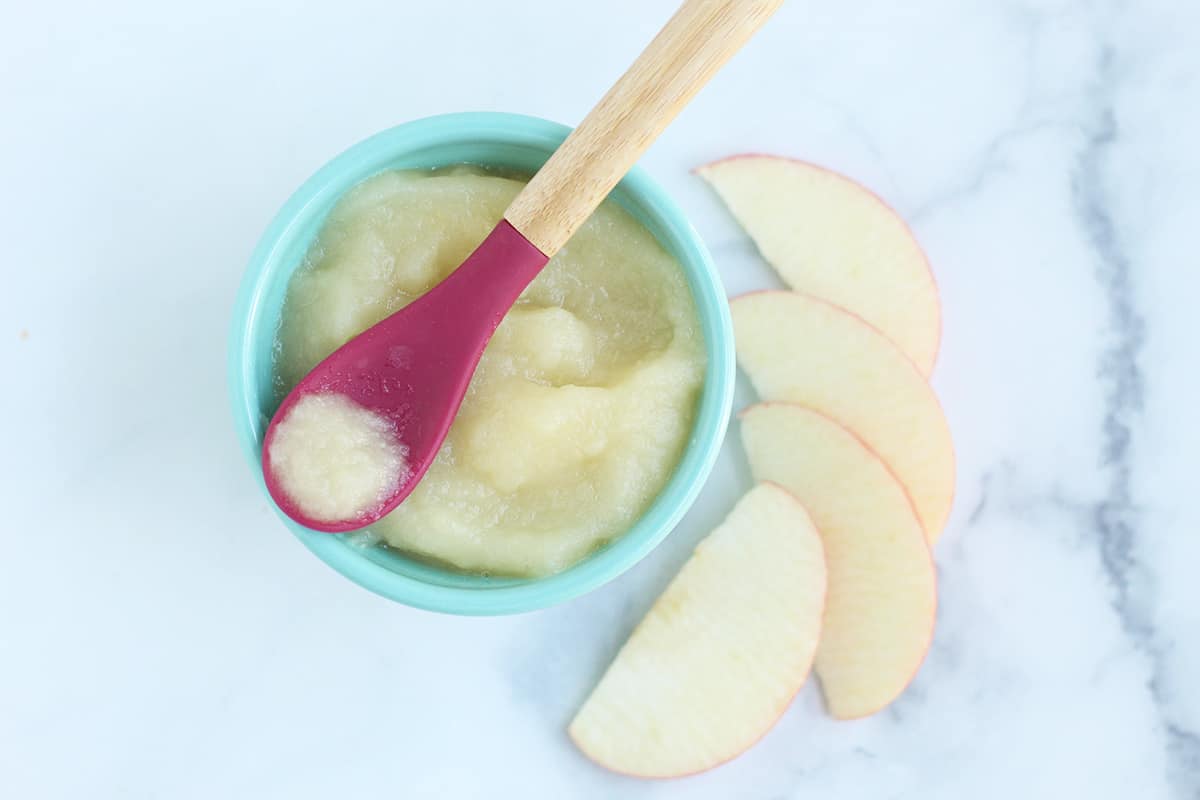
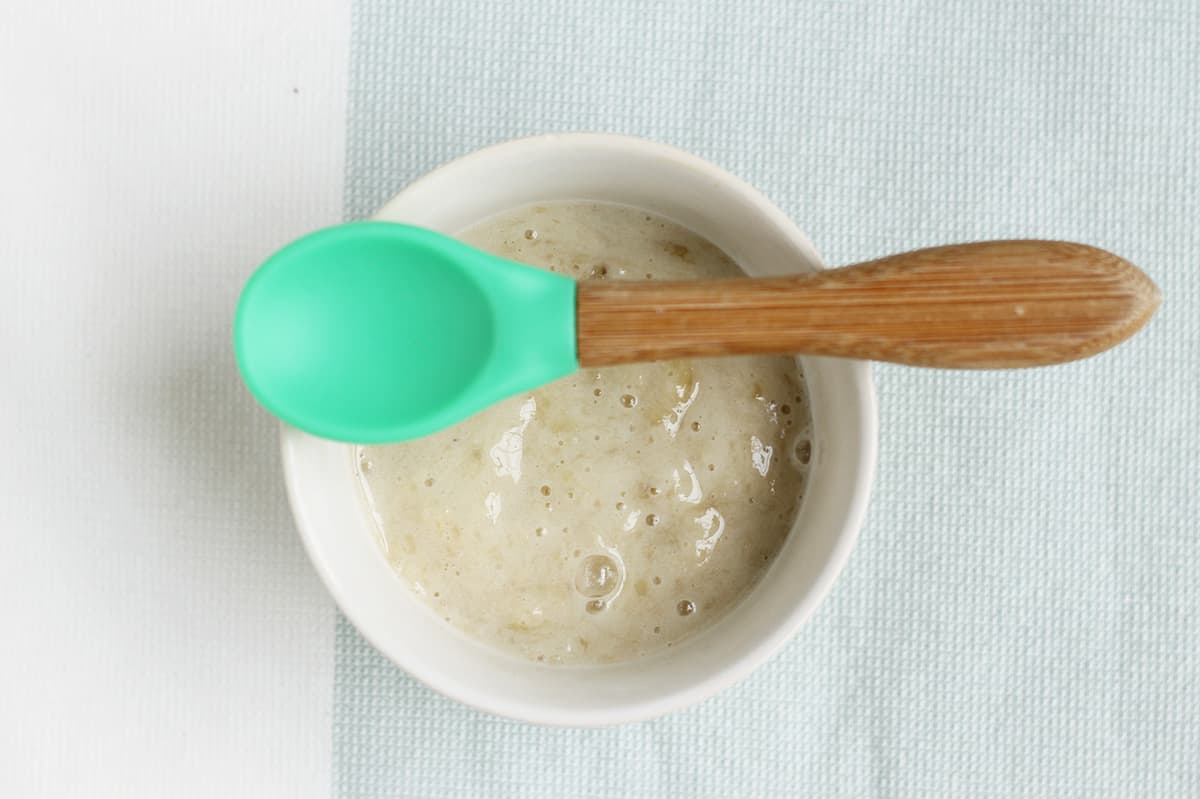
Apple Puree: A classic choice, apple puree is gentle on the digestive system and rich in fiber. Apples can be steamed or baked until soft and then blended. For optimal flavor and texture, ripe apples with a slightly yielding feel to the touch are recommended. This puree can be made in smaller batches or larger quantities for freezing. Its smooth consistency is ideal for beginners, and as the baby progresses, the texture can be made slightly less smooth.
-
Banana Puree: Bananas are a nutritional powerhouse, offering potassium, Vitamin B6, and natural sugars for energy. They are incredibly easy to prepare – ripe bananas can simply be mashed or blended with a little liquid. The natural creaminess of bananas makes them a favorite among infants. The riper the banana, with more brown spots, the sweeter and easier to mash it will be.
-
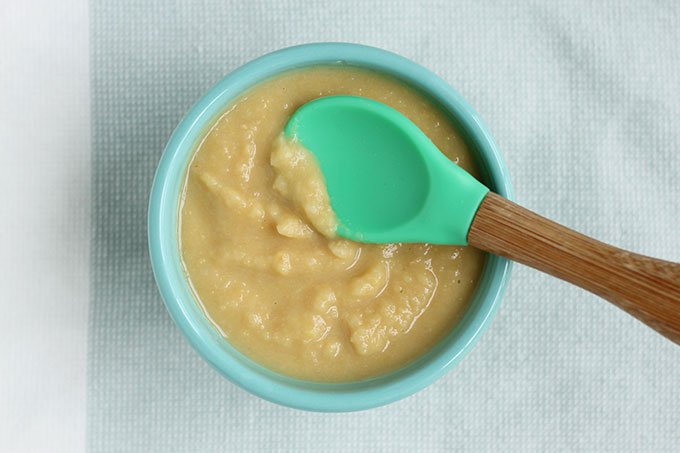
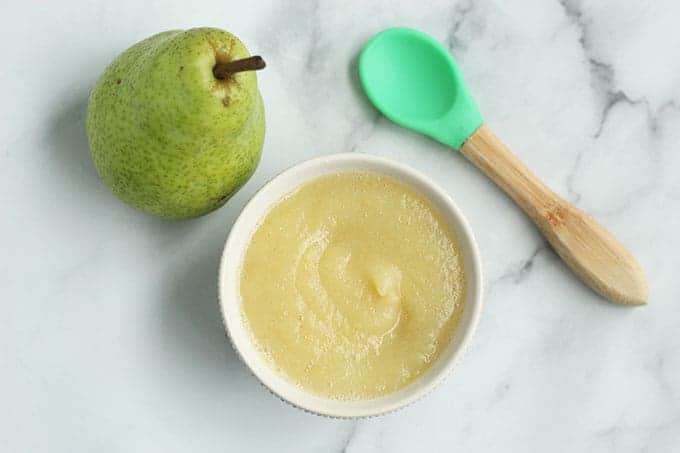
Pear Puree: Similar to apples, pears are a gentle introduction to solids, providing fiber and essential vitamins. Pears should be ripe, yielding slightly to gentle pressure, and possess a distinct pear aroma. This puree is often well-received due to its subtle sweetness and smooth texture.

-
Mango Puree: Mango offers a tropical sweetness and is packed with vitamins A and C. Both fresh and frozen mango can be used, making this a convenient option year-round. The puree requires no cooking and can be prepared in minutes. It serves as a delightful standalone option or can be incorporated into other purees for added flavor and nutrients.
-
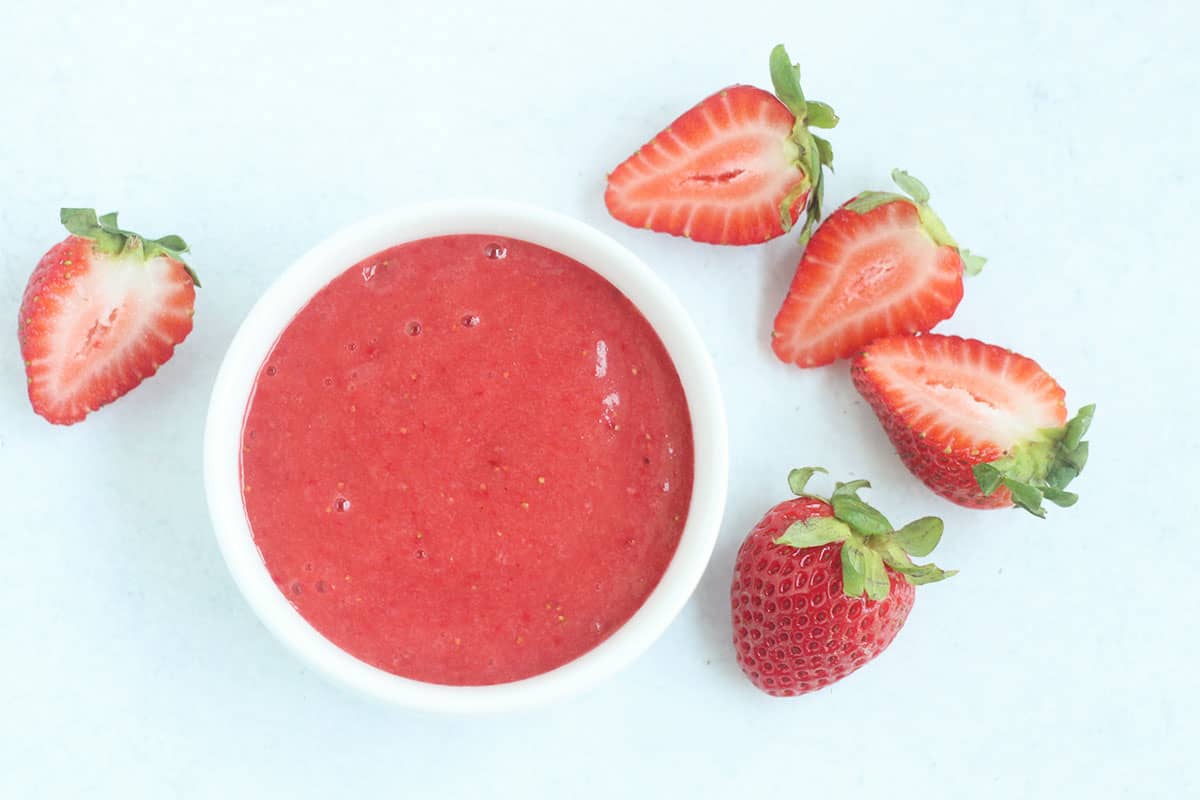
Strawberry Puree: Strawberries are a good source of Vitamin C and antioxidants. For Stage 1, a simple, no-cook puree can be made by blending fresh or thawed frozen strawberries. It’s important to introduce common allergens like strawberries cautiously and monitor for any reactions. This vibrant puree adds a burst of flavor and color to a baby’s diet.

Vegetables: Nutrient Powerhouses for Growth
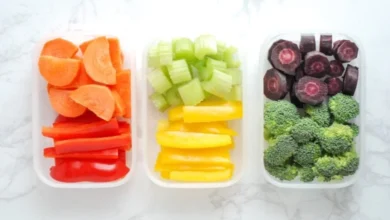
Vegetables are crucial for providing a wide spectrum of vitamins, minerals, and fiber, supporting overall health and development.
-
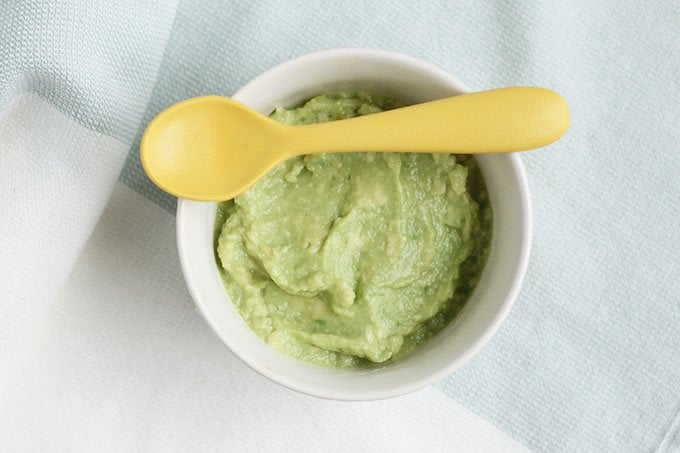
Avocado Puree: Avocado is a unique fruit that functions nutritionally like a vegetable, offering healthy monounsaturated fats essential for brain development. It’s rich in fiber, potassium, and folate. Avocado puree is exceptionally simple to prepare – just mash or blend ripe avocado with a touch of liquid. A key tip for preventing browning is to add a tiny amount of lemon or lime juice or to press plastic wrap directly onto the surface of the puree.
-
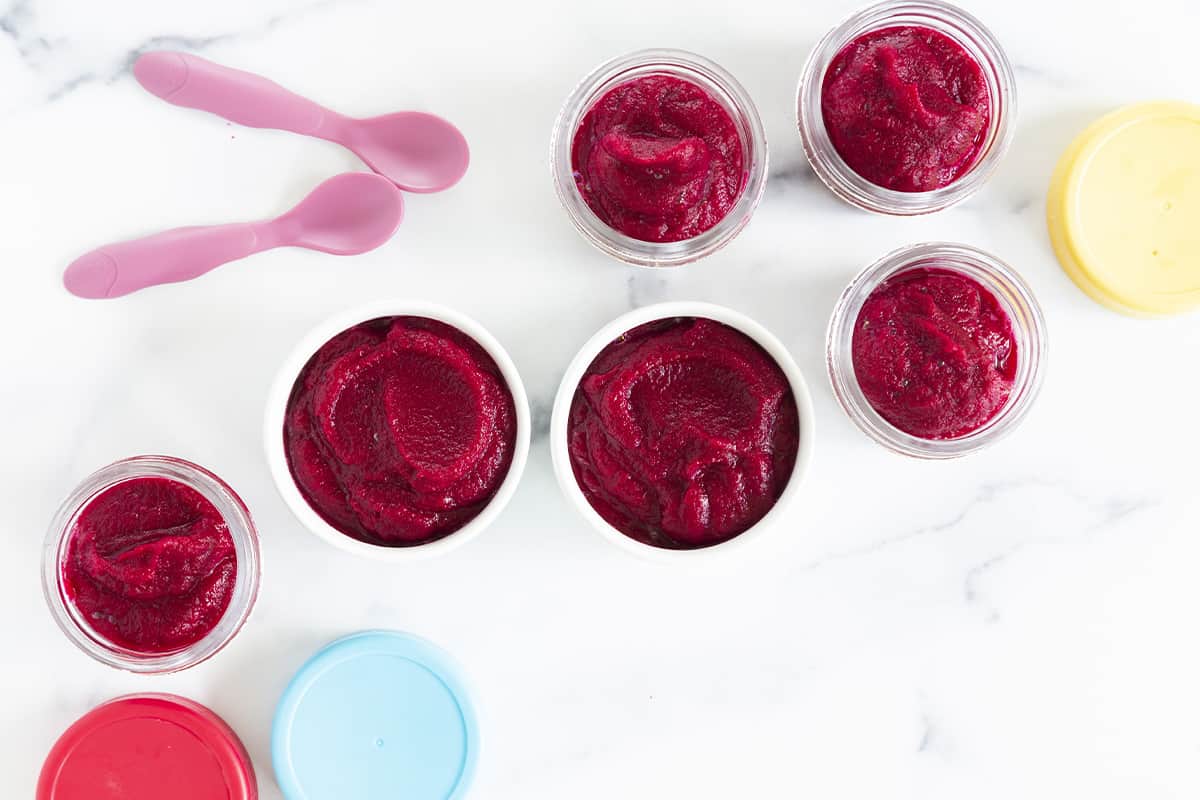
Beet Puree: Beets are known for their earthy flavor and are a good source of folate, manganese, and potassium. They can be steamed or roasted until tender and then pureed. Beet puree has a distinct color that babies often find visually appealing. It’s a versatile option that can be offered alone or mixed with other purees.
-
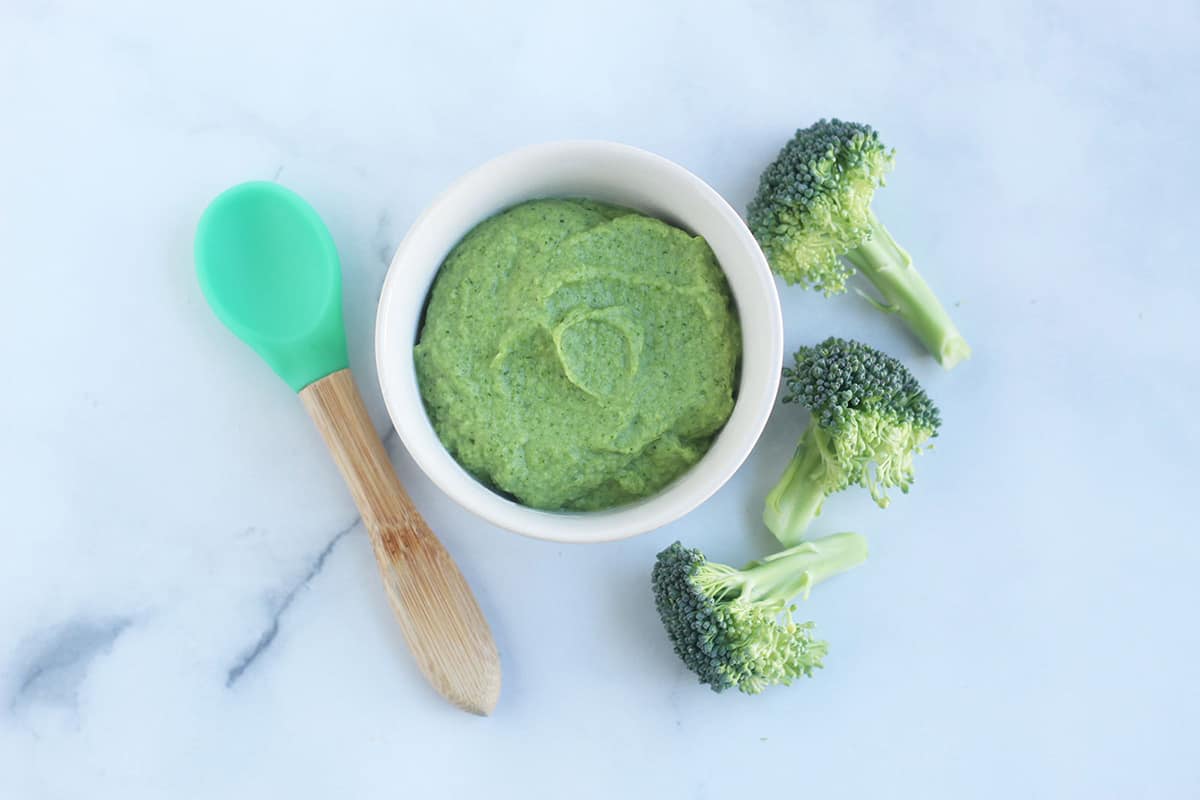
Broccoli Puree: Broccoli is a nutrient-dense vegetable, providing vitamins C and K, folate, and fiber. It can be steamed or boiled until tender and then pureed. The flavor is mild and generally well-accepted by babies. Broccoli can also be prepared in a baby-led weaning (BLW) style, offering florets that are steamed until soft enough to gum.

-
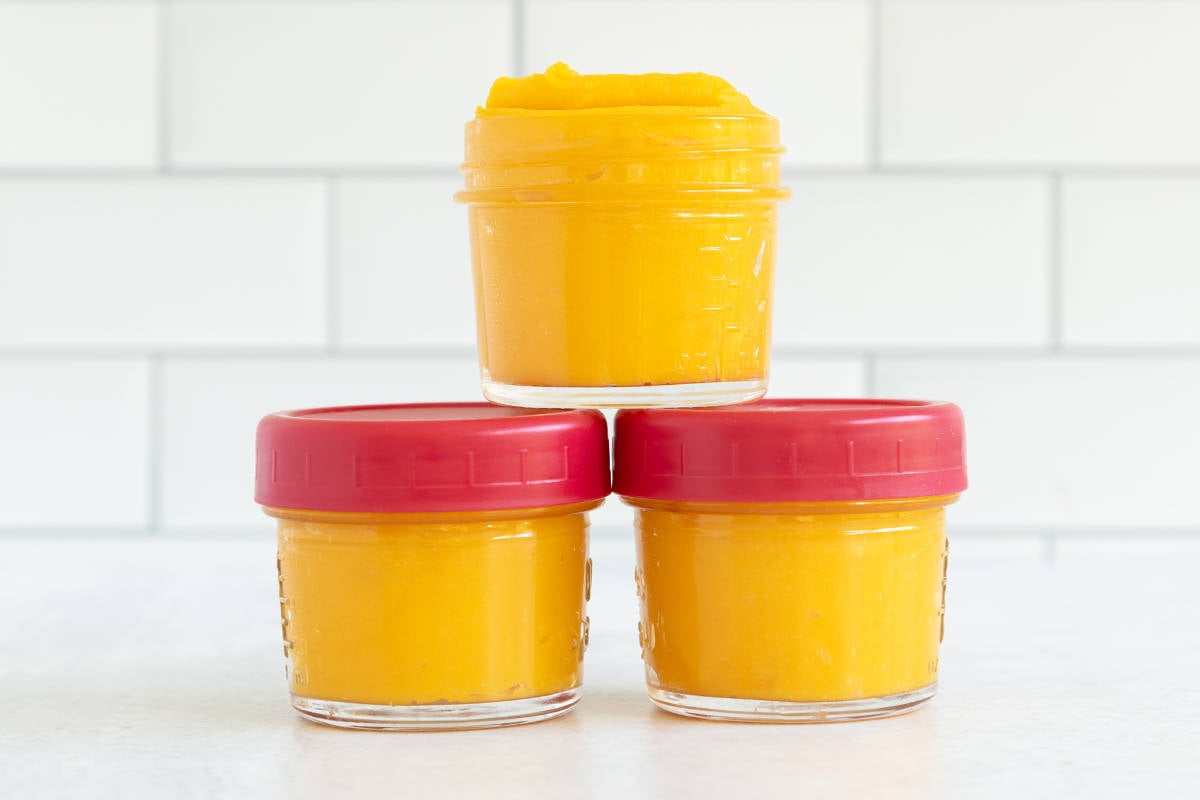
Butternut Squash Puree: This vibrant orange squash is an excellent source of Vitamin A, Vitamin C, and fiber. Butternut squash is naturally sweet and has a smooth texture when pureed, making it a favorite among babies. It can be roasted or steamed until tender before pureeing. This versatile puree can be served on its own or combined with other flavors.
-
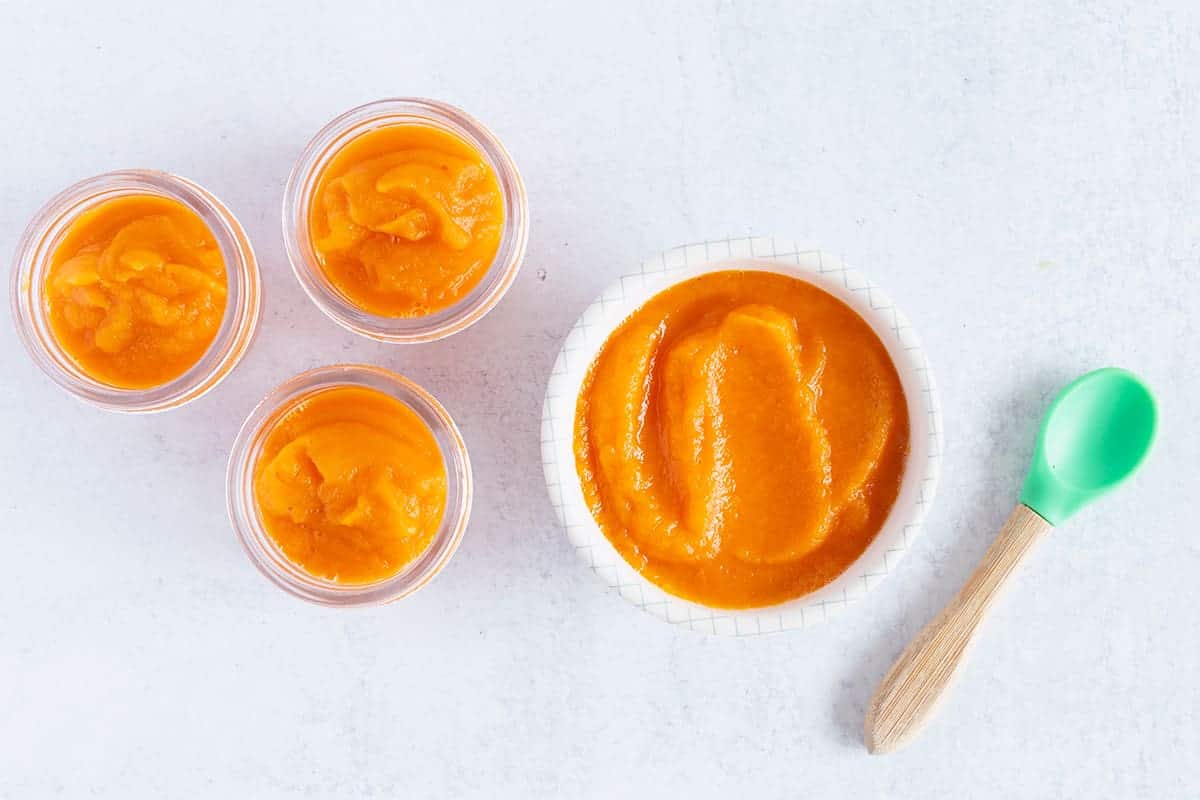
Carrot Puree: Carrots are renowned for their high beta-carotene content, which the body converts to Vitamin A, crucial for vision and immune function. They also provide Vitamin K and potassium. Carrots can be steamed or boiled until soft and then pureed. This sweet and familiar flavor is often one of the first vegetables introduced to babies.
-
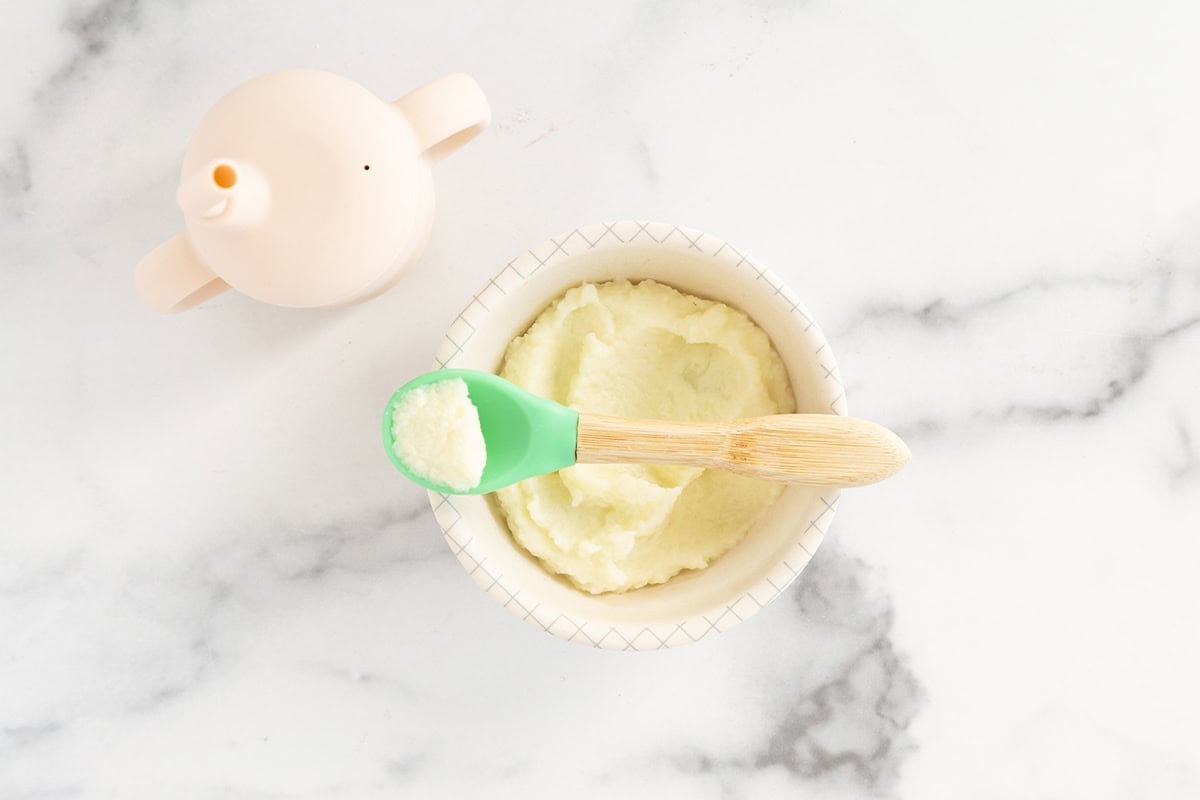
Cauliflower Puree: Cauliflower offers a good source of Vitamin C, Vitamin K, and fiber. It has a mild flavor and a smooth texture when pureed, making it an excellent introductory vegetable. Like broccoli, cauliflower can also be prepared for baby-led weaning by steaming florets until tender.
-
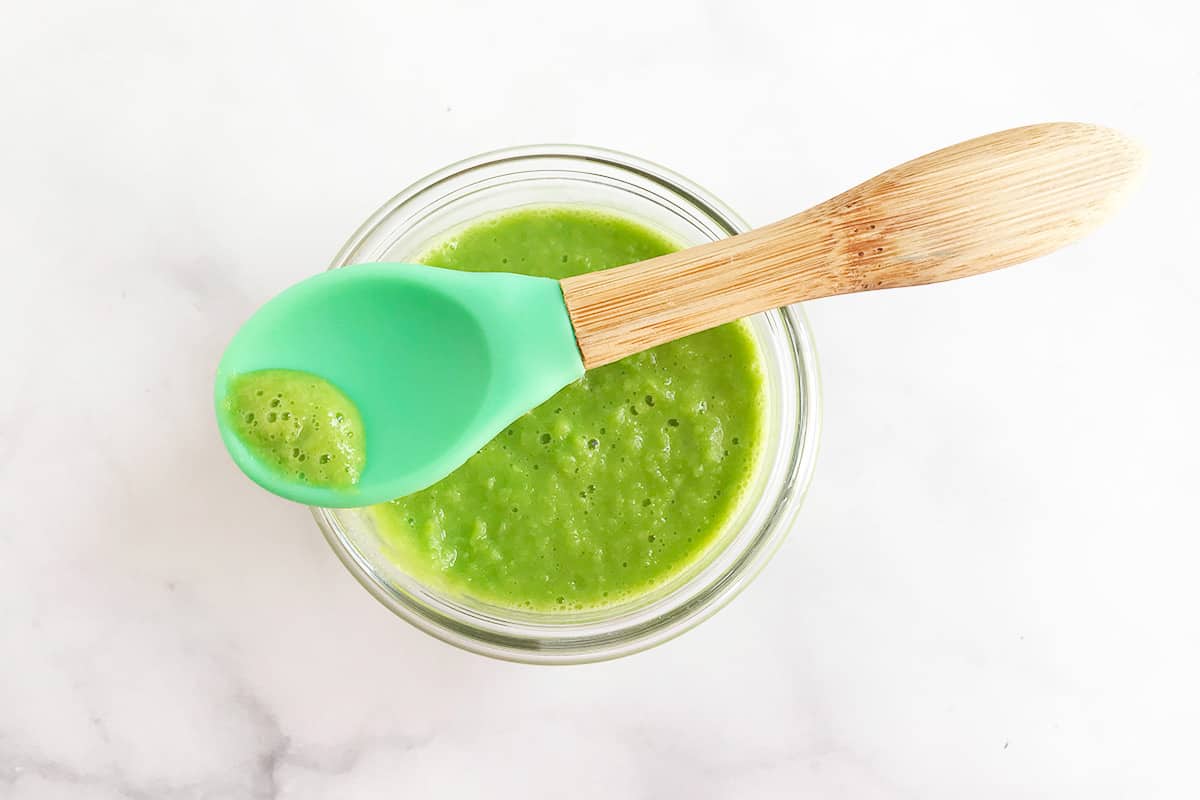
Pea Puree: Peas are a good source of protein, fiber, Vitamin A, and Vitamin C. They are naturally sweet and create a vibrant green puree. Fresh or frozen peas can be used; simply steam them until tender and then blend with a little liquid. This puree is quick to make and can be a delightful addition to a baby’s diet.

-
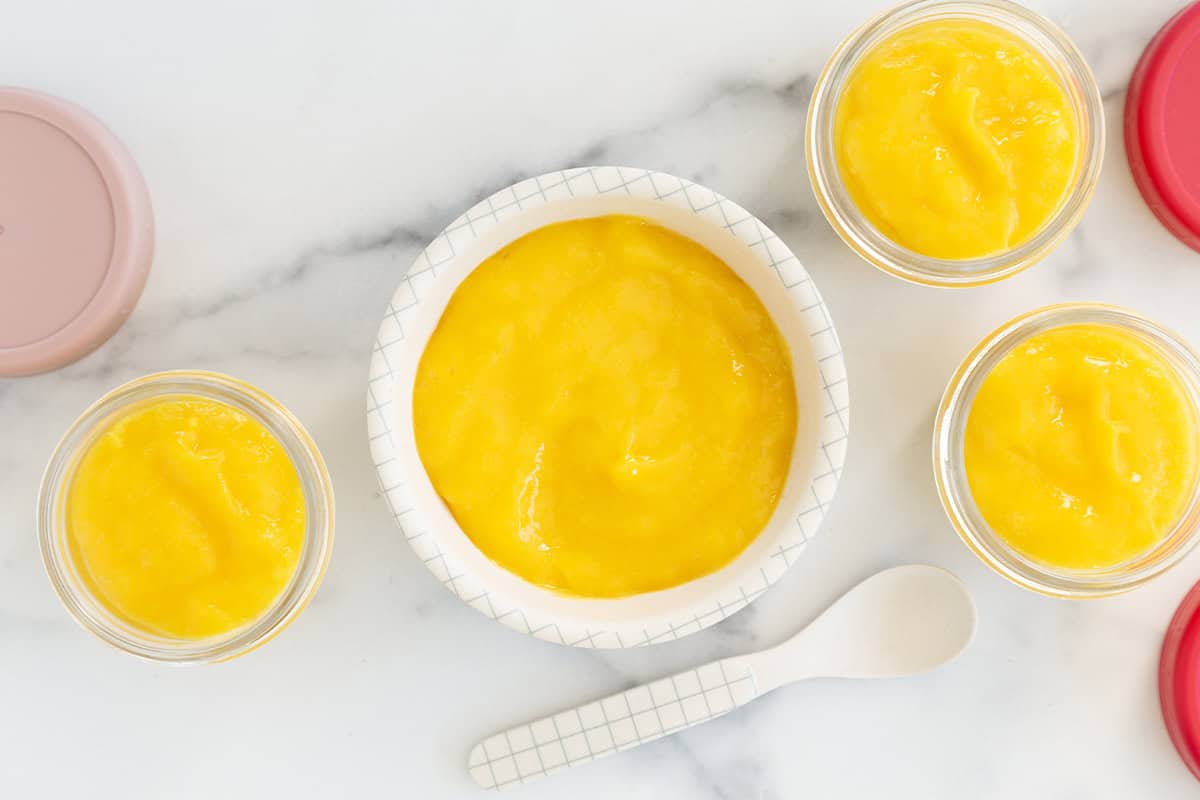
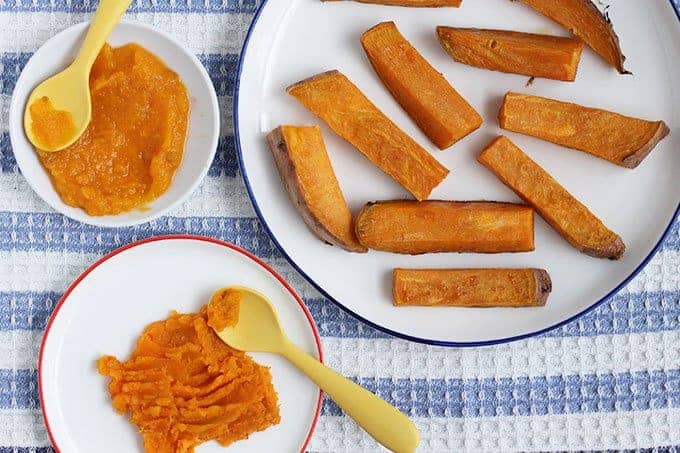
Sweet Potato Puree: Sweet potatoes are a nutritional powerhouse, rich in Vitamin A, Vitamin C, and fiber. Their natural sweetness and soft texture make them an ideal first food. They can be baked or steamed until tender and then mashed or pureed. This puree is highly versatile and can be served in various consistencies as the baby progresses.
-
Zucchini Puree: Zucchini is a mild-flavored vegetable that is easily digestible and a good source of Vitamin C and potassium. It can be steamed or boiled until soft and then pureed. Zucchini puree is a neutral base that can be combined with other fruits or vegetables to create more complex flavors.

Proteins: Essential for Growth and Development
While often introduced slightly later than fruits and vegetables, single-ingredient protein purees are vital for building muscle and supporting overall growth.
- Bean Puree: Beans, such as garbanzo beans, white beans, or black beans, are an excellent source of plant-based protein, iron, and fiber. Cooked and pureed beans can be a quick and nutritious option. For Stage 1, it’s important to ensure they are blended to a very smooth consistency. This no-cook option can be ready in minutes, offering a convenient way to introduce legumes.
Best Practices for Introducing Stage 1 Foods
The introduction of solid foods is a gradual process, and certain best practices can ensure a positive and safe experience for the infant.
- Timing is Key: Wait for the baby to show signs of readiness, typically around four to six months of age. Consult with a pediatrician to determine the optimal time for starting solids.
- Single Ingredients First: Introduce one new food at a time, waiting two to three days before introducing another. This allows caregivers to monitor for any allergic reactions or digestive issues.
- Smooth Texture: Ensure all purees are smooth and lump-free for Stage 1 to prevent choking hazards and ease digestion. A blender or food processor is essential for achieving this consistency.
- Observe Cues: Pay close attention to the baby’s hunger and fullness cues. Offering food when the baby is alert and content, and stopping when they indicate they are full (e.g., turning their head away, closing their mouth), is crucial.
- Temperature: Serve purees at a lukewarm temperature, never hot. Test the temperature on your wrist before feeding.
- Consistency: Start with a thinner consistency, gradually thickening as the baby becomes more accustomed to swallowing. Adding breast milk, formula, or water can adjust the texture.
- Storage: Homemade purees can be stored in airtight containers in the refrigerator for up to three days or frozen for longer storage. Ice cube trays are excellent for freezing individual portions, which can then be transferred to freezer bags.
Nutritional Considerations and Potential Benefits
The early introduction of a diverse range of single-ingredient purees lays the groundwork for a varied and healthy diet later in life. Exposing babies to a wide spectrum of natural flavors can help prevent picky eating habits. For instance, the iron-rich nature of beans and certain vegetables is particularly important as a baby’s iron stores from birth begin to deplete around six months of age. Vitamin C-rich fruits and vegetables not only support the immune system but also enhance the absorption of non-heme iron from plant-based sources.
The smooth texture of Stage 1 purees is designed to be easily managed by infants who are still developing their chewing and swallowing skills. As babies become more proficient, the texture of these purees can be gradually increased, moving towards thicker mashes and eventually small, soft pieces of food, marking the transition to Stage 2 and beyond.
Expert Insights and Broader Implications
Pediatric nutritionists emphasize that the goal of early solid food introduction is not to replace milk feeds but to supplement them with essential nutrients and to introduce babies to the world of food. The American Academy of Pediatrics recommends exclusive breastfeeding for the first six months of life, followed by the introduction of nutrient-rich solid foods alongside continued breastfeeding.
The practice of making homemade baby food aligns with the growing trend of parental involvement in children’s nutrition. It empowers parents to understand exactly what their child is consuming, avoiding added sugars, salts, and preservatives often found in commercial products. This approach also contributes to cost savings for families, as fresh produce can be more economical when bought in season and prepared at home.
The long-term implications of a well-managed introduction to solids extend beyond immediate nutritional needs. Establishing positive associations with healthy foods early on can foster lifelong healthy eating habits, potentially reducing the risk of chronic diseases such as obesity, type 2 diabetes, and cardiovascular issues later in life. The simple act of preparing and sharing meals can also strengthen family bonds, creating positive experiences around food.
This guide to Stage 1 baby foods underscores the importance of a thoughtful and informed approach to infant nutrition. By focusing on single-ingredient, nutrient-dense purees, parents can confidently embark on this exciting culinary adventure with their little ones, setting the stage for a lifetime of healthy eating.