The Evolving Landscape of Modern Motherhood: Navigating Wellness, Career, and Family Dynamics in 2025 and Beyond


The contemporary experience of motherhood has undergone a profound transformation, characterized by an increasingly complex intersection of personal identity, professional aspiration, and the relentless pursuit of holistic family wellness. As modern mothers navigate the challenges of the mid-2020s, they are confronted with a shifting social and economic landscape that demands not only resilience but a strategic approach to balancing domestic duties with self-care and career longevity. From the medical necessities of the fourth trimester to the long-term financial implications of the motherhood tax, today’s parents are seeking data-driven guidance to optimize their well-being and that of their children.

The Fourth Trimester: A Critical Period of Recovery and Care
Medical consensus has increasingly shifted toward recognizing the "fourth trimester"—the twelve-week period following childbirth—as a vital phase of health and recovery rather than a mere transitional time. Research indicates that during this period, the physical and hormonal shifts experienced by the birthing parent require medical care that is as intentional as prenatal monitoring.

Experts emphasize that rest during the fourth trimester should not be treated as a luxury, but as a standard component of medical treatment. When postpartum parents neglect this period of recovery, the risks of long-term physical complications and mental health challenges, such as postpartum depression and anxiety, increase significantly. Furthermore, the role of nutrition during this phase has become a central topic of study. Diet, in the months following delivery, is now understood to be a critical lever for stabilizing hormones, supporting breastfeeding efforts, and reducing the cortisol levels associated with the heightened stress of new parenthood.

Navigating the Professional Identity Shift
One of the most significant psychological hurdles for working mothers is the quiet identity shift that occurs upon returning to the workforce. This transition involves more than just a logistical adjustment of schedules; it represents a fundamental change in how a woman perceives her professional value and her priorities.

Data from 2025 suggests that mothers who proactively address this shift through structured transition plans report higher levels of satisfaction and lower rates of burnout. This involves a re-evaluation of personal values and a setting of boundaries that protect both career trajectory and family presence. The "motherhood tax," a well-documented phenomenon where women face lower earnings, higher costs for services, and a disproportionate amount of unpaid labor, continues to be a primary driver of financial stress. To counter this, advocates suggest that moms implement small, low-lift financial shifts—such as optimizing retirement contributions or re-negotiating family budget structures—to maintain control and keep long-term family goals on track.

The Role of the Village: Grandparents and Social Support
Modern family structures often rely on an "invisible scaffolding" of support, primarily provided by grandparents. Sociological studies show that grandparents today are more involved in the day-to-day lives of their grandchildren than in previous generations, yet they often carry significant emotional and physical burdens.

The relationship between new parents and grandparents requires clear communication to be effective and sustainable. Research suggests that when parents set loving but firm boundaries, they create a safer environment for the entire family. For instance, grandparents can be invited to provide specific, high-impact support—such as assisting with childcare or household management—without overstepping. This partnership, when handled with mutual respect, can drastically reduce the emotional load placed on the primary caregivers and provide children with a robust, multi-generational support system.

Sibling Rivalry and Child Development
As families grow, sibling dynamics emerge as a primary source of both stress and opportunity for developmental growth. While sibling rivalry is often viewed as a negative behavior to be eliminated, current psychological research suggests that it is frequently "love in disguise." Bickering and competition can be seen as testing grounds for social negotiation, empathy, and conflict resolution.

Parents are encouraged to coach their children through these conflicts rather than simply policing them. By reframing rivalry as a learning opportunity, parents can guide their children toward deeper closeness. This approach relies on the understanding that children are not just competing for attention; they are navigating complex social relationships that will inform their interpersonal skills well into adulthood.

The Evolution of Teen Relationships
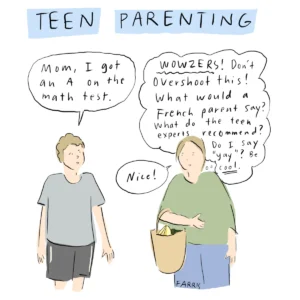
The teenage years present a distinct challenge for mothers: the necessity of honoring a child’s growing independence while maintaining a close connection. The experience of a teen "pulling away"—often symbolized by the closed bedroom door—can be emotionally painful for a parent. However, developmental psychologists argue that this distance is a hallmark of healthy adolescence.

To stay close, parents are advised to shift their interaction style. Instead of constant inquiry into the child’s daily logistics, experts suggest asking better, more open-ended questions that respect the teen’s autonomy. By providing a "safety net" rather than a cage, mothers can encourage their teens to take risks, stumble, and learn in a supportive environment. This period of life is critical for fostering long-term trust, ensuring that when challenges arise, the child feels comfortable turning to their parent for guidance.

Maternal Health and the Political Landscape
The broader societal implications of motherhood are increasingly entering the political discourse. With the 2026 election cycle approaching, maternal health has emerged as a central pillar of advocacy. Voter guides and non-profit initiatives, such as those provided by the Chamber of Mothers, are now helping parents evaluate candidates based on their support for maternal health data, paid leave policies, and child care infrastructure.

The push for legislative change reflects a growing awareness that the challenges faced by individual mothers are systemic. Whether it is the need for improved parental leave policies that protect mental health and job security, or the debate surrounding proposals to financially support stay-at-home parents, these issues are now recognized as essential components of national economic health. The transition of these topics from personal struggles to public policy highlights the collective power of the "motherhood vote."

Beauty, Self-Care, and Self-Perception
Even within the realm of personal care, motherhood has prompted a re-evaluation of beauty standards. From the rise of pregnancy-safe beauty products to the embrace of postpartum physical changes, there is a clear trend toward self-acceptance and health-conscious consumption.

The narrative that a mother’s body needs to "bounce back" to its pre-pregnancy state is being replaced by the concept of "moving forward." This perspective emphasizes that the body has undergone an extraordinary event and deserves to be treated with care rather than viewed as something to be repaired or reverted. This shift in mindset is mirrored in the beauty industry, which is seeing increased demand for products that align with clean, safe, and holistic lifestyle values. Whether it is through the use of pregnancy-safe skincare or the simple act of reclaiming time for a daily routine, the focus is increasingly on enhancing well-being rather than adhering to rigid aesthetic standards.

Conclusion
Motherhood in the modern era is a balancing act of profound magnitude. It requires the constant integration of new scientific knowledge, the navigation of complex economic systems, and the maintenance of deep, emotional connections within the family unit. As the landscape continues to evolve, the most successful strategies for modern mothers appear to be those that prioritize evidence-based self-care, foster intentional relationships, and advocate for systemic changes that acknowledge the immense contribution of mothers to the social and economic fabric of society. By embracing these challenges with a blend of resilience and proactive planning, mothers are not only surviving the demands of the 21st century but are actively shaping a more supportive future for their families.
Related posts: