Why Parents Need RIE: Unpacking a Profound Approach to Infant Care with Janet Lansbury and Melani Ladygo


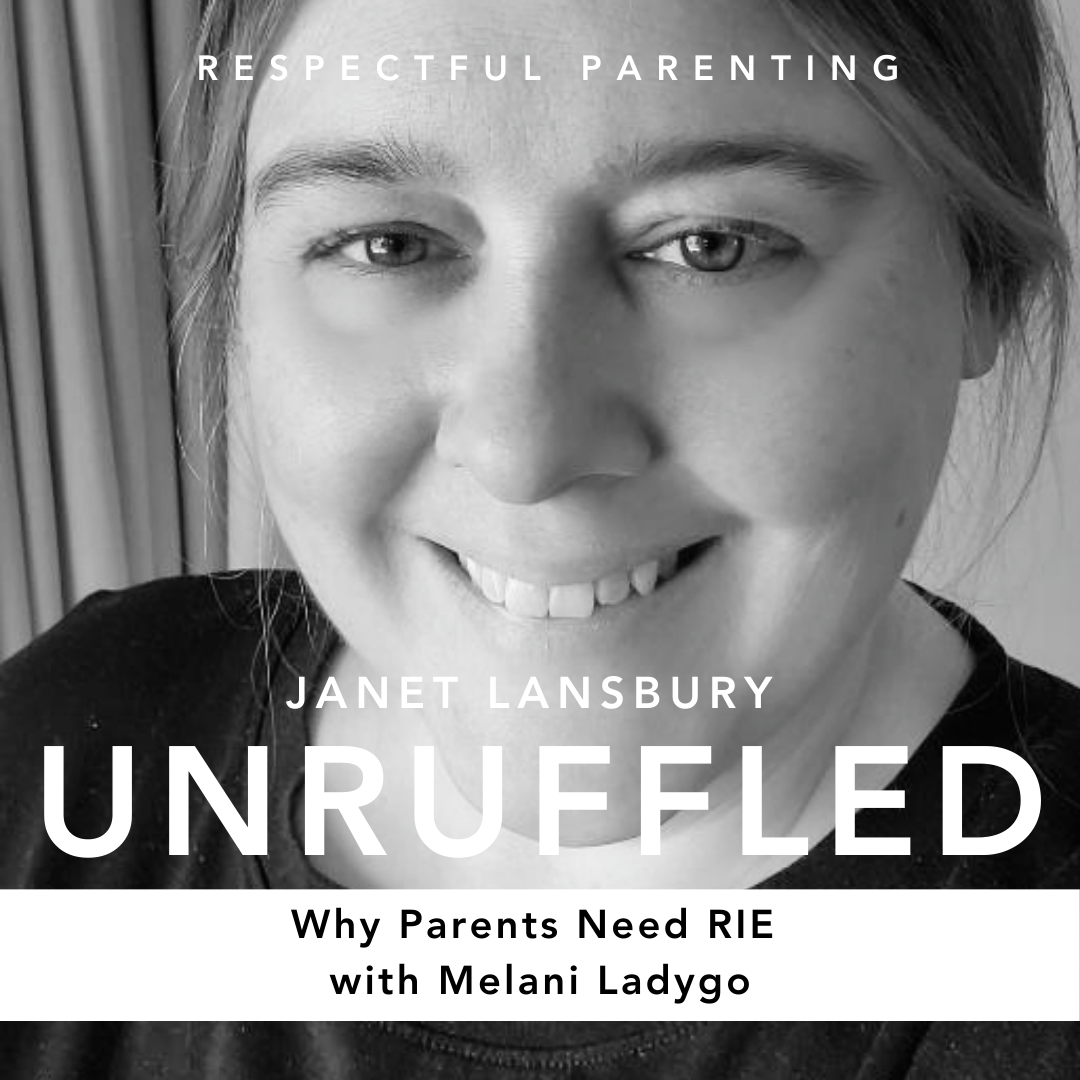
A recent podcast episode of "Unruffled" hosted by renowned parenting educator Janet Lansbury, featuring Melani Ladygo, Executive Director of Resources for Infant Educarers (RIE), delved into the nuanced philosophy of RIE, exploring its foundational principles and its transformative impact on parental relationships with infants and toddlers. The discussion aimed to demystify RIE, often perceived as either profoundly beneficial or overtly controversial, by articulating its core tenets and practical applications for parents and early childhood professionals.
The Genesis of RIE: Magda Gerber’s Vision
The RIE approach, pronounced "rye," traces its origins to the pioneering work of Hungarian-born infant specialist Magda Gerber (1910-2007). Gerber, who fled Hungary during World War II, brought her unique perspective on child development to the United States, founding Resources for Infant Educarers (RIE) in Los Angeles in 1978. Her philosophy was deeply influenced by her mentor, Dr. Emmi Pikler, a Hungarian pediatrician who established a renowned infant orphanage in Budapest based on principles of respectful care and self-initiated activity.
Gerber coined the term "educarer" to encapsulate the dual role of those caring for infants: simultaneously educating and nurturing. This concept highlights the continuous learning inherent in caregiving, where every interaction, from diaper changes to feeding, is an opportunity for respectful communication and skill development. Janet Lansbury, a long-time RIE associate and advocate, recounted her personal journey with RIE over 30 years ago, describing it as "profound and life-changing." Her early experiences observing her firstborn through the RIE lens fundamentally shifted her perceptions of babies, childcare, and life itself, cementing her commitment to Gerber’s teachings.
Core Principles: Respect, Trust, and Reciprocity
At its heart, RIE advocates for a respectful, reciprocal relationship between adults and infants from birth. This contrasts sharply with traditional views that often see infants as passive recipients of care or as beings primarily needing constant stimulation and intervention. Melani Ladygo articulated RIE’s mission as teaching "parents and professionals how to have respectful, reciprocal relationships with babies and toddlers, children zero to two."
A cornerstone of RIE is the belief in the infant’s inherent competence and capacity for self-directed activity. Instead of entertaining or directing, RIE encourages caregivers to observe, acknowledge, and trust in a baby’s natural developmental timeline and abilities. This trust manifests in practical ways:
- Observation: Parents are encouraged to observe their children without immediate intervention, allowing them to explore, struggle, and discover solutions independently. This fosters critical thinking and problem-solving skills from a very early age.
- Respectful Communication: Engaging with infants as active participants in care routines. For instance, explaining what is about to happen during a diaper change, waiting for a baby’s subtle cues of readiness, and involving them in the process. This builds a foundation of trust and autonomy.
- Uninterrupted Play: Providing a safe, stimulating, and predictable environment where infants can engage in "free play" without adult direction. This allows children to initiate their own activities, develop concentration, and learn about their bodies and the world at their own pace.
Lansbury vividly recalled a pivotal moment in her first RIE class when she realized her three-month-old possessed "all these thoughts and all of these ideas and all this stuff going on inside her that I had not realized could possibly exist in a baby." This revelation—that a baby is a person with a valid point of view—is central to the RIE experience and often serves as an "elevator pitch" for the philosophy.
The Transformative Impact on Parents and Children
Both Lansbury and Ladygo emphasized that while RIE focuses on the well-being of the baby, its most profound benefits extend to parents. Ladygo shared an anecdote about a grocery store checker who, upon hearing her describe RIE as helping "parents slow down and let children figure things out on their own and really help parents really see their children," exclaimed, "I wish my parents had taken that class. They need it right now." This reaction, from an adult, underscored the universal human desire to be seen and understood, a desire that RIE aims to fulfill from infancy.
For parents, RIE offers a pathway to:
- Reduced Stress and Performance Anxiety: By trusting in a child’s competence, parents can shed the pressure to constantly entertain, stimulate, or "fix" their child’s every challenge. This shift frees parents from the exhausting cycle of feeling they must be "perfect" or performative.
- Deeper Connection and Authenticity: When parents engage authentically, acknowledging their own feelings (even tiredness or frustration), it creates a more genuine relationship. This allows parents to "be themselves" rather than conforming to an idealized image, fostering a stronger, more honest bond.
- Enhanced Parental Confidence: Witnessing a child’s innate problem-solving abilities builds parental confidence in their child and, by extension, in their own role as a supportive presence rather than a constant intervener. This "muscle of trust," as Ladygo described it, grows with observation and experience.
For children, the RIE approach cultivates:
- Self-Confidence and Competence: Children who are allowed to master skills independently develop a strong sense of self-efficacy. The satisfaction of achieving a goal through their own efforts, like climbing a slide without assistance, is a powerful motivator.
- Resilience and Problem-Solving Skills: By experiencing struggle and navigating minor frustrations, children learn that challenges are part of learning and that they possess the inner resources to overcome them. This prepares them for life’s inevitable difficulties.
- Social Intelligence and Empathy: In structured RIE play environments, children are encouraged to resolve conflicts among themselves with minimal adult intervention (only for safety). This allows them to develop empathy by observing the impact of their actions on others and learn the complexities of sharing and cooperation. Ladygo illustrated this with the rocking boat example, where a child’s desire for solitary play is acknowledged while other children’s desires are also recognized, fostering a nuanced understanding of social dynamics.
Addressing Misconceptions and Practical Applications
RIE is sometimes misunderstood as a "hands-off" or detached parenting style. However, as the discussion clarified, it is "hands-on with intention." Caregivers are highly present, ensuring safety, offering verbal acknowledgment, and providing a secure emotional base, but they refrain from unnecessary interference or "rescuing" children from developmentally appropriate challenges. This presence provides a vital "baseline of peace" for both parent and child, even amidst the inevitable difficulties of daily life.
The principles extend beyond the home. Ladygo recounted her experience in an RIE-influenced childcare center where children were remarkably peaceful despite active play. This environment fostered autonomy, and observations showed children developing strong social skills. This was further evidenced by feedback from various schools, regardless of their pedagogical approach, consistently praising the social and emotional readiness of children who had attended the RIE-influenced program. These children entered school with a strong foundation in relationship-building and conflict resolution, crucial for academic and life success.
Building Community and Furthering the Philosophy
Recognizing that many parents lack access to RIE-aligned playgroups or communities, the discussion highlighted the importance of events like the annual RIE Conference. Scheduled online for March 2026, the 36th annual conference, themed "Nature’s Path for Play: Creating Conditions for Authentic Playfulness," offers a "smorgasbord" of workshops for parents and early childhood professionals. Keynote speaker Peter Gray, a research professor of psychology known for his work on play and self-directed learning, will further explore the intrinsic value of free play, aligning with RIE’s emphasis on child-led exploration.
The conference provides a crucial platform for connection, allowing like-minded individuals to learn, share experiences, and reinforce their understanding of RIE principles. It serves as a vital resource for those seeking to apply RIE in diverse settings, from home-based care to formal educational environments, and to navigate challenges like managing social interactions in public spaces like parks. By offering practical strategies for "buddyguarding" – being present for safety and translating children’s actions without arbitrating – RIE empowers parents to facilitate conflict resolution and foster social learning.
In a world often characterized by high parental anxiety and constant external pressures, RIE offers a counter-narrative: one of trust, respect, and the profound wisdom of allowing children to unfold as capable, self-reliant individuals. It’s a philosophy that not only nurtures infants but also liberates parents, fostering authentic relationships that benefit entire families and society at large. The upcoming RIE Conference (rie.org), with a special discount code "Unruffled," represents a continuing effort to disseminate these invaluable teachings.
Related posts: