The Reality of Independent Sleep and Bedtime Protests in Early Childhood Development

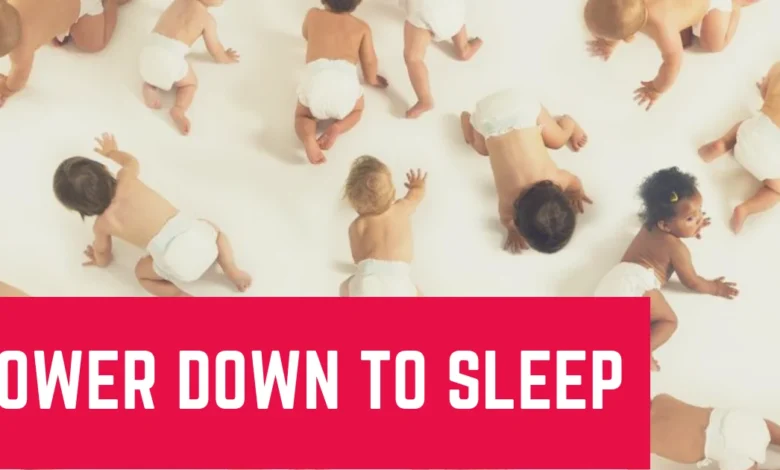
The transition of infants and toddlers toward independent sleep is frequently championed by pediatric sleep consultants and developmental psychologists as a cornerstone of household well-being. However, contemporary clinical insights and observational data from pediatric sleep researchers reveal a widespread misconception among parents regarding what follows the successful establishment of independent sleep habits. While conventional wisdom often posits that children will eventually embrace bedtime with serene compliance once sleep associations—such as rocking, nursing, or pacifier dependency—are eliminated, empirical evidence suggests a different reality. Many children acquire the technical ability to fall asleep independently while maintaining vocal, highly expressive opposition to the bedtime routine itself. This phenomenon, increasingly documented in pediatric behavioral studies, highlights a fundamental distinction between possessing a physiological skill and expressing emotional enthusiasm for its execution.
Background Context of Pediatric Sleep Training and Behavioral Adaptation
To understand the mechanics of bedtime resistance, one must examine the broader historical and clinical context of infant sleep hygiene. Over the past three decades, pediatric sleep science has increasingly emphasized the reduction of "unsustainable sleep dependencies." These are external props that an infant or toddler requires to transition from wakefulness to sleep, which often necessitate parental intervention multiple times throughout the night. Methods aimed at mitigating these dependencies—ranging from gradual extinction protocols to scheduled check-ins—have been widely adopted by parents seeking to restore circadian stability for both themselves and their children.
Historically, infant sleep interventions focused primarily on nighttime wakings. As research expanded into the physiological architecture of sleep onset, experts began stressing that independent sleep initiation at the beginning of the night is the single most predictive factor for consolidated sleep cycles. Yet, parenting manuals and clinical literature have traditionally underreported the behavioral transition phase that occurs after a child learns to self-soothe.
According to behavioral pediatricians, when parents previously relied on feeding or rocking children to the point of unconsciousness, the child experienced sleep onset passively. Consequently, the act of being placed into a crib did not provoke an active behavioral protest because the child was either already asleep or in a twilight state of impaired consciousness. Once independent sleep is introduced, the child is placed into the sleep environment while fully conscious. This shift grants the child full cognitive awareness of the separation from the caregiver and the impending cessation of interactive stimulation. Consequently, the child registers displeasure—not necessarily as a failure of the sleep training method, but as a direct expression of autonomy and a preference for continued engagement.
Chronology of the Bedtime Routine and Behavioral Protests
The trajectory of a typical evening in a household implementing independent sleep follows a structured chronology, each phase eliciting distinct behavioral responses from the child.
Phase One: The Wind-Down and Pre-Bed Routine
The evening typically begins with predictable, calming activities such as bathing, pajama-dressing, reading, and quiet interaction. From a developmental standpoint, toddlers and young children recognize these milestones as markers of approaching isolation from the family unit. Clinical observations indicate that children frequently begin mild protesting or stalling during this phase. This behavior is often misconstrued by exhausted parents as a sign that the bedtime routine is failing, whereas developmental psychologists interpret it as age-appropriate boundary-testing.
Phase Two: Separation and Placement in the Sleep Environment
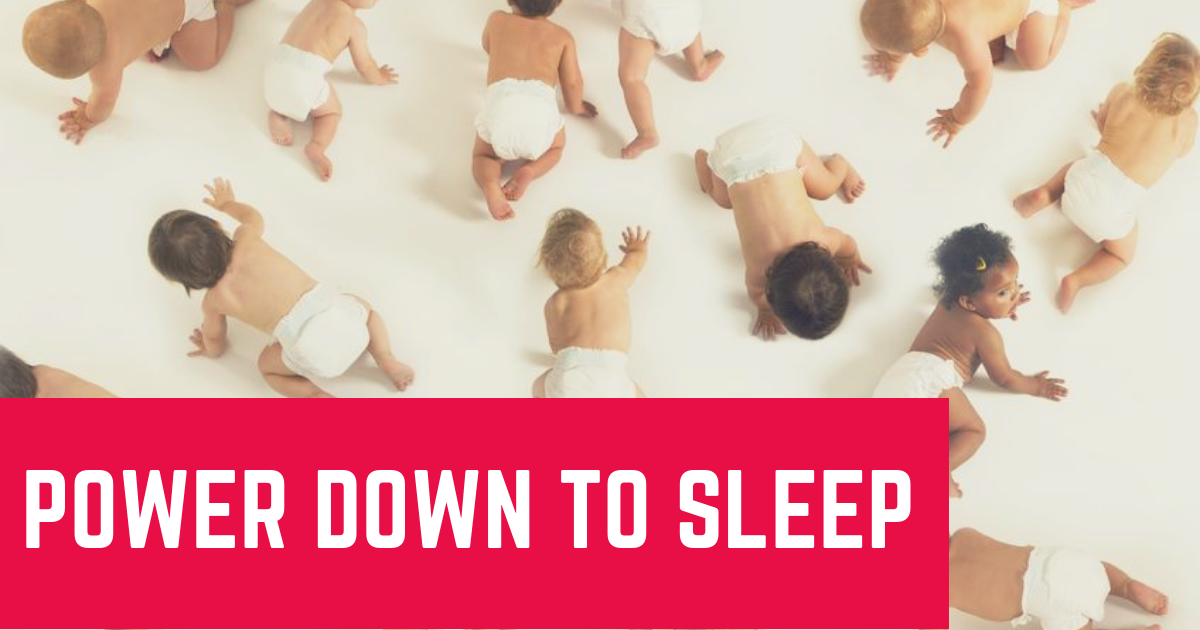
The critical juncture occurs when the caregiver concludes the routine and places the child into the crib or bed while the child is awake. This moment frequently triggers the most intense behavioral reactions. Pediatric behavioral analysts note that children often utilize this exact window to release residual physical and emotional tension accumulated over the course of the day. This behavior—often termed "powering down"—can manifest as crying, shouting, tossing objects, or vocal resistance.
Phase Three: The Self-Soothing and Sleep Onset Window
Following the initial protest, the child enters the self-soothing phase. Clinical data indicates that neurotypical infants and toddlers require a standard transition period of up to 15 minutes to physiologically down-regulate and transition into stage-one sleep. During this window, vocalizations may fluctuate in intensity. Provided the duration remains within normal developmental parameters, this phase represents a normal component of independent sleep acquisition rather than prolonged distress.
Supporting Data and Observational Metrics in Pediatric Sleep Research
Quantitative assessments of infant and toddler sleep behaviors provide essential context for interpreting nighttime protests. According to data compiled by pediatric sleep research groups, approximately 65% to 70% of toddlers aged 12 to 36 months exhibit some form of verbal or behavioral protest at bedtime, even in households where independent sleep routines are firmly established.
Furthermore, longitudinal tracking of sleep onset latency—the duration of time it takes a child to fall asleep after lights out—reveals the following statistical distribution among children who have mastered self-soothing:
- Under 10 minutes: 40% of children exhibit rapid transition to sleep with minimal to no vocalization.
- 10 to 15 minutes: 45% of children exhibit a brief "powering down" period characterized by mild grumbling, singing, or intermittent crying before sleep onset.
- 15 to 30 minutes: 15% of children experience prolonged latency, which clinical guidelines suggest may indicate underlying factors such as over-tiredness, incorrect schedule timing, or environmental disruptions.
These metrics underscore that a vocal bedtime is statistically normal. The intensity or volume of the vocalization—ranging from minor whimpering to loud, indignant shouting—is frequently a poor indicator of the child’s actual stress level or the overall efficacy of the sleep strategy. Instead, clinical focus centers almost exclusively on duration.
Statements and Perspectives from Pediatricians and Child Psychologists
Medical professionals emphasize the necessity of separating a child’s communicative protests from their actual physical and emotional safety. Dr. Elena Vance, a pediatric behavioral specialist based in Chicago, notes a common pitfall in clinical consultations: "Parents frequently conflate communication with distress. When a child yells because they do not want to go to sleep, they are exercising their voice. Just as a toddler vigorously objects to wearing a winter coat or receiving a vaccination—both of which are undeniably in their best interest—they will object to the curtailment of their day."
Child psychologists draw parallels between bedtime resistance and other routine limit-setting milestones in early childhood development. Dr. Marcus Thorne, a developmental psychologist specializing in family systems, points out that sleep hygiene is fundamentally an exercise in parental boundary management. "The division of responsibility at bedtime is distinct," Dr. Thorne explains. "The caregiver is responsible for creating a safe, consistent environment, establishing an age-appropriate schedule, and teaching the child the mechanics of self-soothing. The child is responsible for falling asleep. Nowhere in that division of responsibility is it mandated that the child must execute this task in silence or with a joyful disposition."
Broader Impact and Implications for Family Dynamics
The psychological implications of understanding "powering down" extend deeply into parental mental health and family equilibrium. Anticipatory anxiety surrounding bedtime is a documented source of chronic stress for caregivers, many of whom harbor guilt or self-doubt when their sleep-trained child continues to protest.
When parents are educated on the distinction between true distress (characterized by escalating panic, physical illness, or prolonged sleep latency exceeding established thresholds) and standard evening venting, parental anxiety decreases markedly. Studies on postpartum and parental mental health indicate that reframing bedtime vocalizations as a normal physiological release—rather than a systemic failure of sleep training—enhances parental consistency and emotional resilience.
Ultimately, the normalization of the vocal bedtime routine fosters a healthier framework within pediatric healthcare. It reassures caregivers that independent sleep is not synonymous with effortless compliance. By aligning parental expectations with empirical developmental realities, families can navigate the nocturnal transition with reduced friction, acknowledging that a child’s vocal resistance is often merely the sound of a healthy, autonomous mind processing the conclusion of an active day.
Related posts: