The Revolutionary Flourless Pumpkin-Based Chocolate Cake Redefining Modern Baking

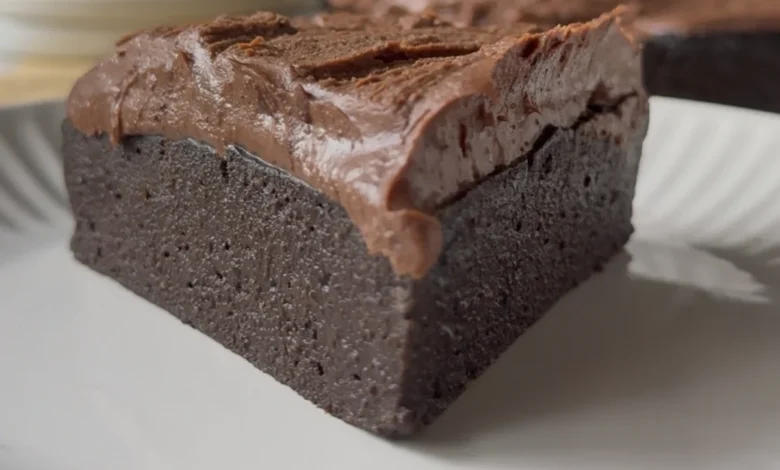
The evolution of home baking has reached a significant milestone with the development of a nutrient-dense, flourless chocolate cake that utilizes pumpkin purée as a foundational structural agent. This culinary development marks a departure from traditional baking methods that rely heavily on refined wheat flours, processed sugars, and industrial fats. By leveraging the fibrous properties of pumpkin, professional and amateur bakers alike are discovering that traditional "indulgent" textures—specifically those associated with dense, fudgy brownies—can be achieved using whole-food ingredients that prioritize nutritional density without compromising on flavor profiles.
The Science of Structural Baking Without Flour
In conventional baking, wheat flour provides the gluten matrix necessary to trap air and hold the structure of a cake together. When removing flour, the primary challenge for culinary scientists is replicating this structure. Recent findings in alternative baking research suggest that pumpkin purée serves as a highly effective, moisture-rich substitute. The high water content of pumpkin, combined with its natural pectin and fibrous composition, creates a viscous batter that, when combined with egg proteins, undergoes coagulation during the baking process.
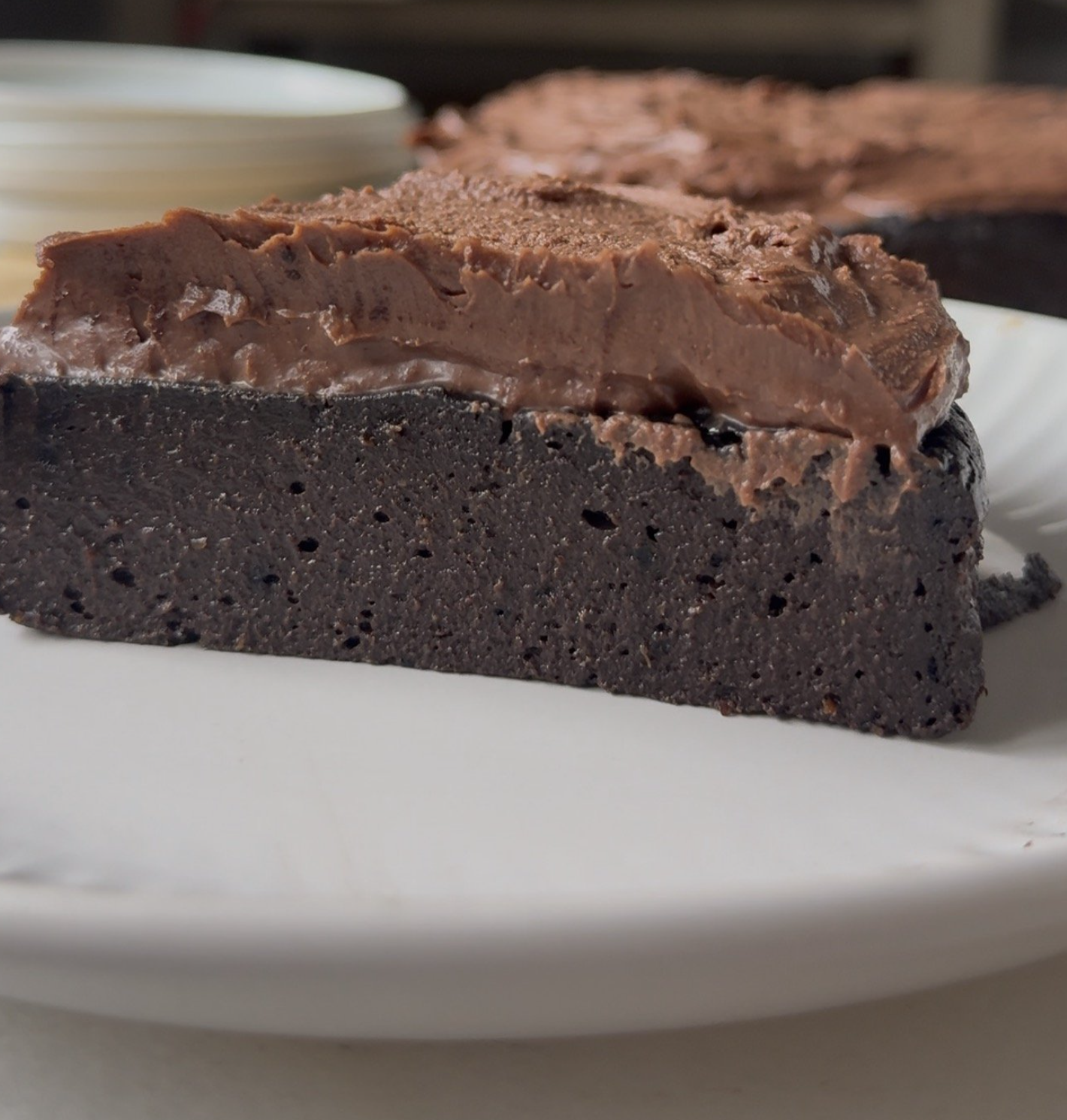
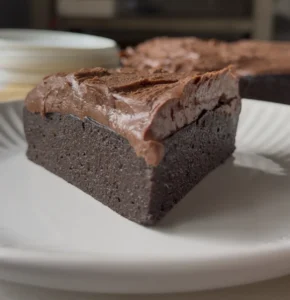
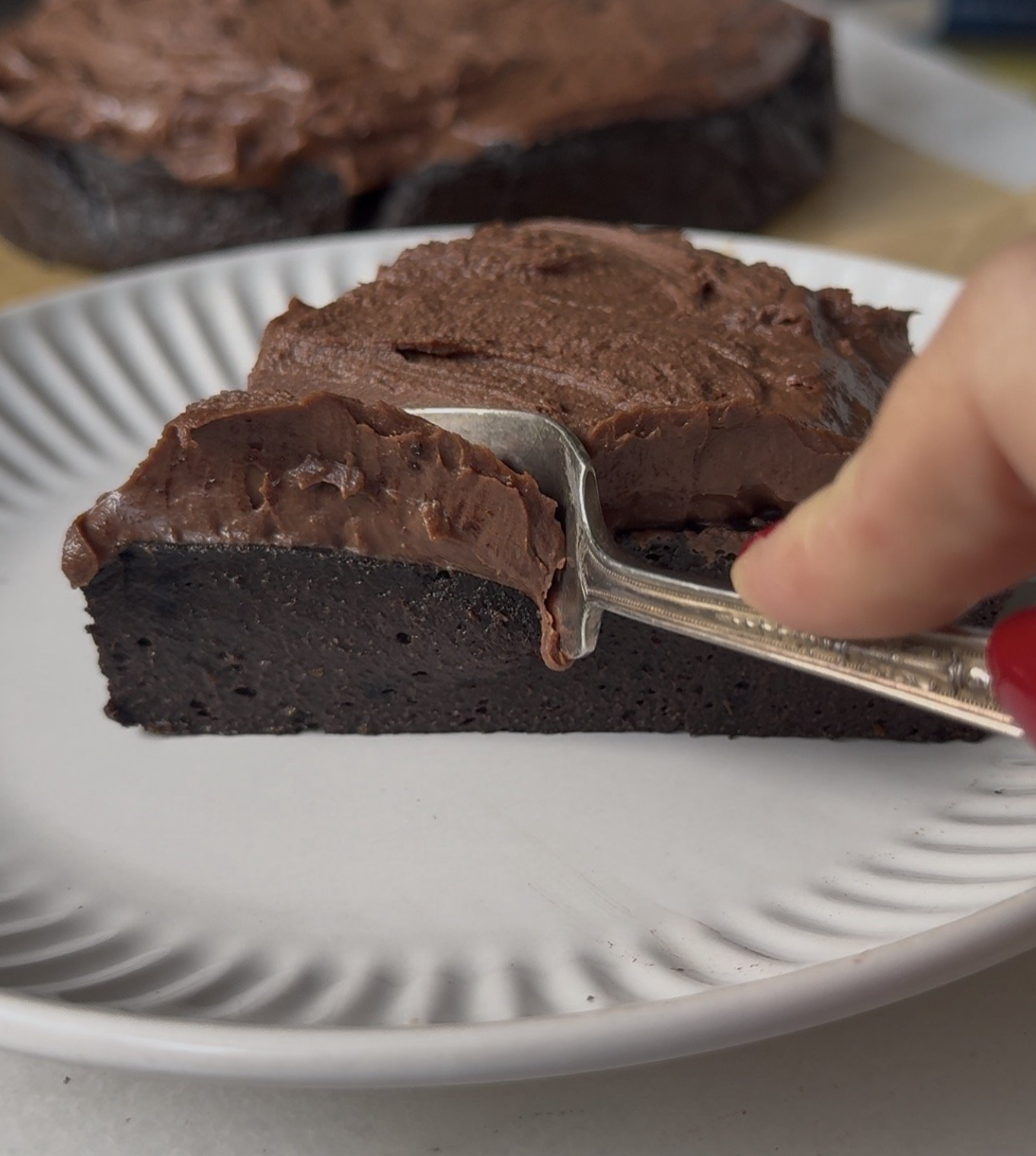
This process is fundamentally different from standard starch-based leavening. Because there is no flour to absorb liquid, the cake relies on the protein-to-fiber ratio of the pumpkin and the binding power of eggs. The result is a dessert that exhibits a brownie-like consistency, characterized by a moist, dense crumb that remains stable once cooled.
Nutritional Implications and Dietary Shifts
The shift toward grain-free and refined-sugar-free desserts reflects broader trends in consumer health awareness. According to recent food consumption surveys, there has been a steady increase in the demand for recipes that accommodate gluten sensitivities and metabolic health concerns.
This specific recipe, which replaces butter and oil with vegetable-based fiber and refined sugar with natural sweeteners like maple syrup or honey, aligns with a "real-food" philosophy. By eliminating processed lipids and simple carbohydrates, the nutritional profile of this cake shifts from high-glycemic index to a more moderate impact on blood glucose levels. Furthermore, the inclusion of dark cocoa—a source of flavonoids—adds a secondary layer of nutritional benefit, provided the cocoa contains a high percentage of cacao solids.
A Chronology of the Baking Process
The preparation of this dessert follows a distinct, non-traditional timeline compared to standard cake recipes. The process is segmented into three critical phases: preparation, heat-induced coagulation, and the mandatory cold-set phase.
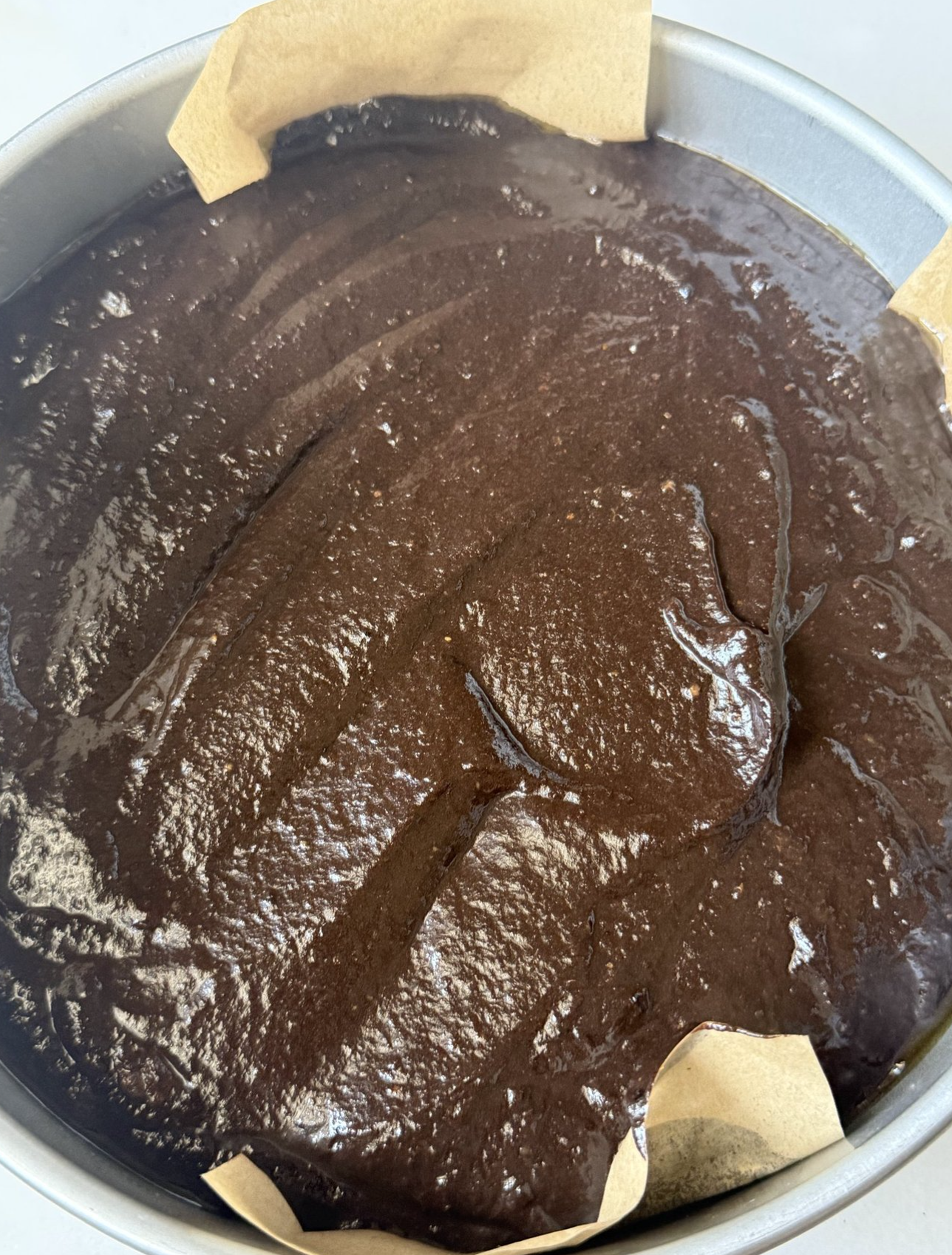
- Preparation Phase: Initial mixing occurs in a single vessel, emphasizing the simplicity of the technique. Unlike standard recipes that require the creaming of butter and sugar, this method requires only the thorough homogenization of pumpkin, eggs, cocoa, and sweetener.
- Thermal Processing: The batter is baked at 350 degrees Fahrenheit. Unlike a sponge cake that requires a springy texture, this cake is considered "done" when the center retains a slight, fudge-like instability. This indicates that the proteins have begun to set but have not yet dehydrated.
- The Four-Hour Cooling Interval: This is the most critical stage of the process. Because the structural integrity relies on the slow cooling of proteins, the cake requires a minimum of four hours to reach its ideal consistency. Research indicates that refrigeration, specifically, accelerates the "setting" of the fats and proteins, resulting in the desired dense texture.
Comparative Ingredient Analysis
The substitution table provided by culinary experts highlights the versatility of this base recipe. While the primary formulation relies on pumpkin, research confirms that butternut squash and sweet potato offer similar textural results. These tubers share a comparable starch and moisture profile, making them interchangeable in a 1:1 ratio.
| Ingredient | Role in Formulation | Substitutability |
|---|---|---|
| Pumpkin Purée | Structural/Moisture | Sweet Potato/Butternut Squash |
| Whole Eggs + Yolk | Binding/Emulsification | Limited; essential for structure |
| Maple Syrup | Sweetening/Humectant | Raw Honey (1:1 ratio) |
| Dark Cocoa Powder | Flavor/Color | Black Cocoa (for increased intensity) |
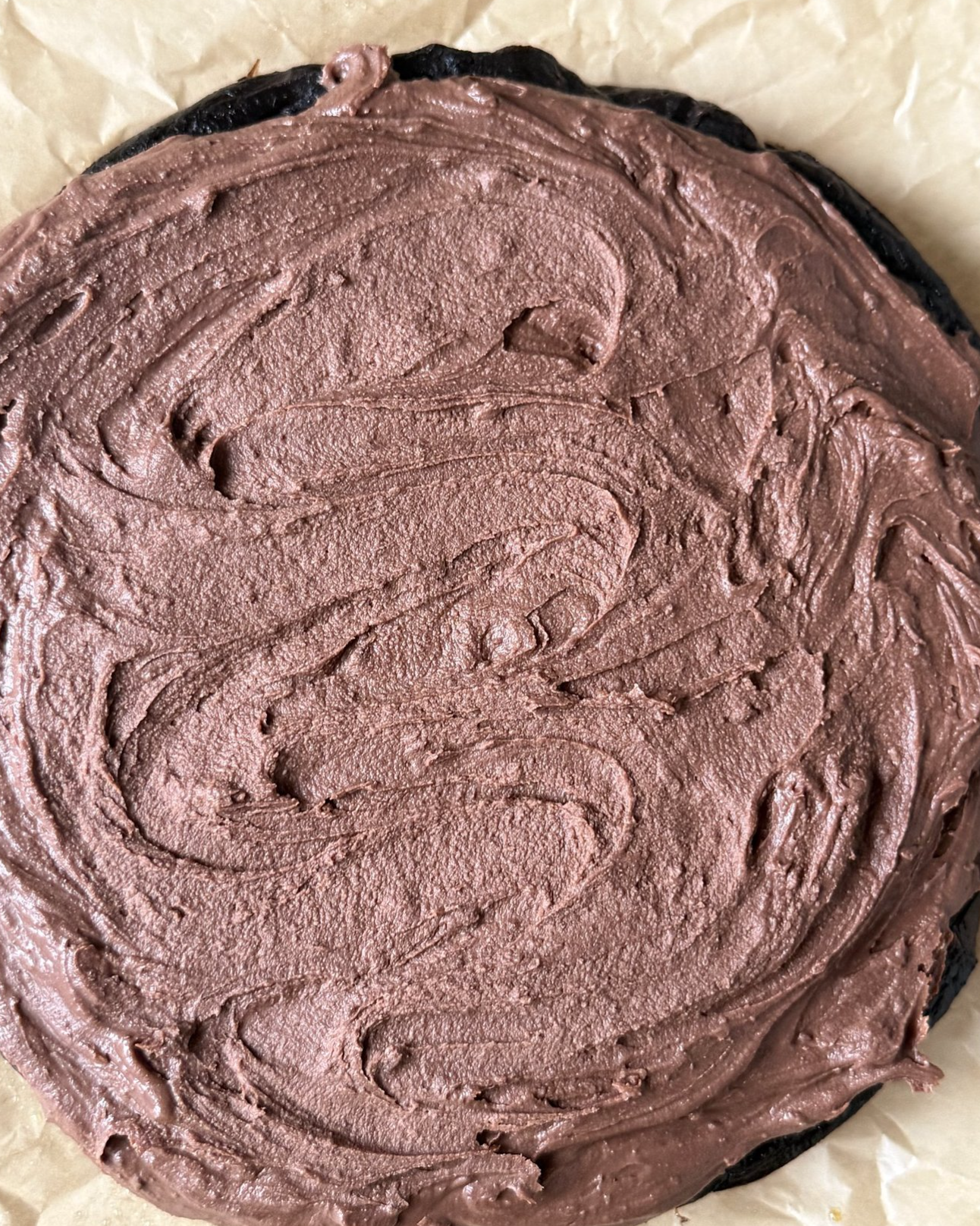
| Heavy Cream | Ganache Fat | Coconut Cream (for dairy-free needs) |
Expert Perspectives on Food Formulation
Nutritionists and food technologists have noted that the "hidden ingredient" approach—using vegetables in desserts—is an effective strategy for increasing vegetable intake among populations that are otherwise resistant to them. Because the intense, bitter-sweet profile of dark cocoa completely masks the earthy notes of the pumpkin, the consumer experiences the sensory satisfaction of a high-calorie dessert while consuming a nutrient-dense base.
"The key is the cocoa," notes one culinary analyst. "When you use high-quality, Dutch-processed dark cocoa, the polyphenols provide a depth of flavor that overrides the subtle sweetness of the pumpkin. It is a masterclass in flavor balancing."
Broader Implications for the Baking Industry
The popularity of this recipe format signals a potential shift in the commercial baking industry. As consumers continue to scrutinize ingredient labels, the move toward "clean label" recipes—those with five or fewer, recognizable ingredients—is becoming a market driver.
However, there are challenges. The lack of flour makes this dessert highly perishable if not stored correctly. It requires consistent refrigeration, and the reliance on eggs for structure limits its shelf-life compared to flour-based cakes which contain preservatives or high sugar-to-fat ratios that act as stabilizers.
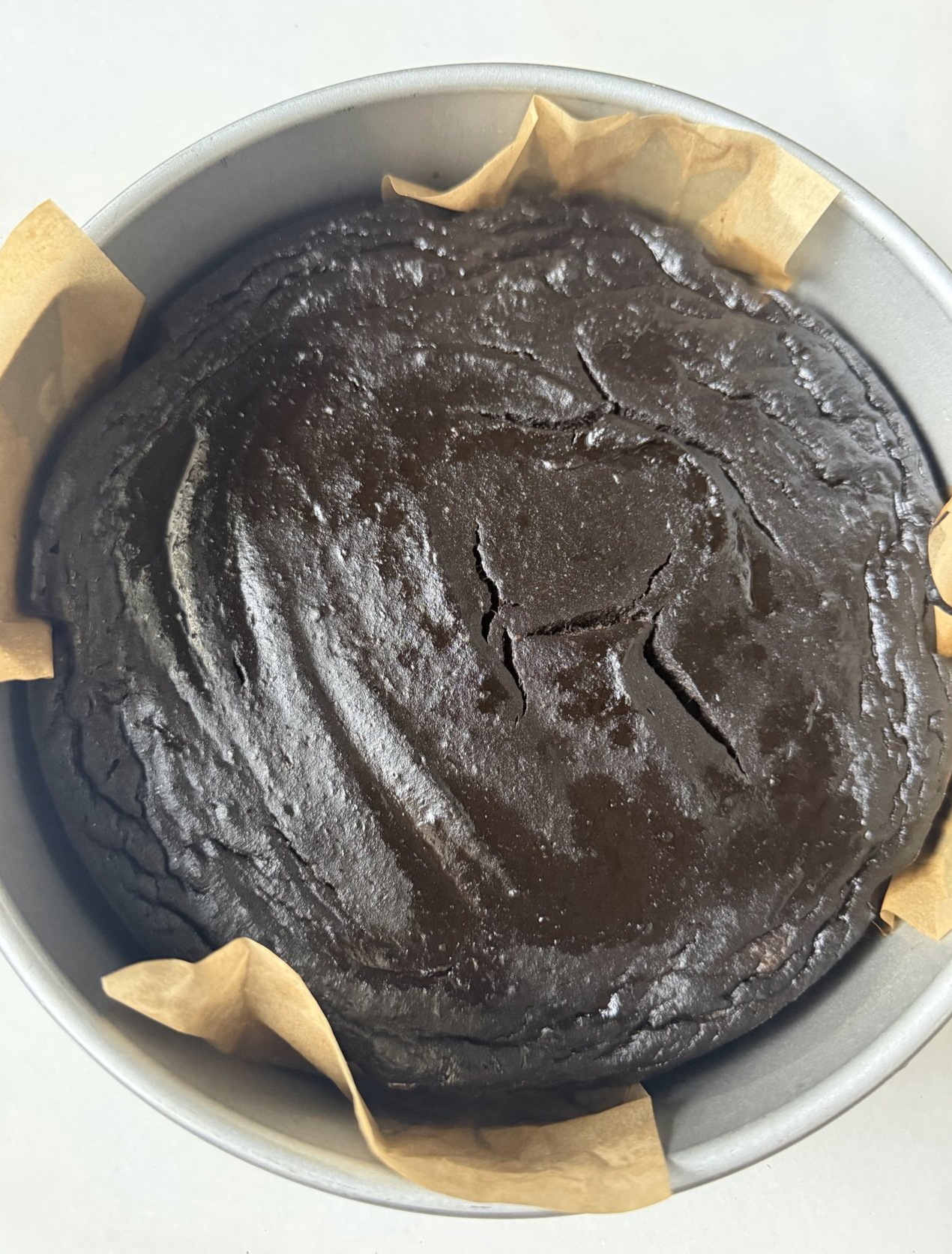
Furthermore, the requirement for a springform pan highlights the delicacy of the final product. Without the starch network of wheat, the cake is prone to structural failure if inverted or handled roughly. This has led to a shift in serving protocols, where the cake is often served directly from the pan in which it was baked, emphasizing a rustic, home-style presentation.
Economic and Sustainability Considerations
The reliance on pumpkin and seasonal produce as a primary ingredient offers potential economic benefits. Pumpkins are generally more shelf-stable and cost-effective to process into purée than the complex supply chains required for high-quality pastry flours and refined fats. From a sustainability perspective, this recipe utilizes ingredients that are often locally sourced, potentially reducing the carbon footprint associated with long-distance transportation of grain and oil products.
Conclusion and Future Outlook
The rise of the flourless pumpkin-chocolate cake is more than a fleeting culinary trend; it is a manifestation of the intersection between nutritional science and home gastronomy. By stripping away the traditional components of a cake and replacing them with functional, whole-food alternatives, bakers are exploring new boundaries of texture and taste.
As more households adopt these methods, the culinary industry may see a broader integration of vegetable-based structures in commercial baking. Whether viewed as a dietary necessity for those with gluten sensitivities or as a conscious choice for those seeking nutrient-dense alternatives, the success of this recipe demonstrates that the future of dessert is likely to be as focused on functional health as it is on the traditional, indulgent, and deeply chocolatey experience that consumers demand.
As with any shift in culinary norms, the success of this recipe rests on the precision of the baker—specifically in the patience required for the cooling and setting phase. It serves as a reminder that even in the modern, fast-paced world of cooking, the fundamental laws of protein chemistry remain the primary architect of the final product.