The Rise of Blanket Dumplings: A Culinary Revolution in Simplicity

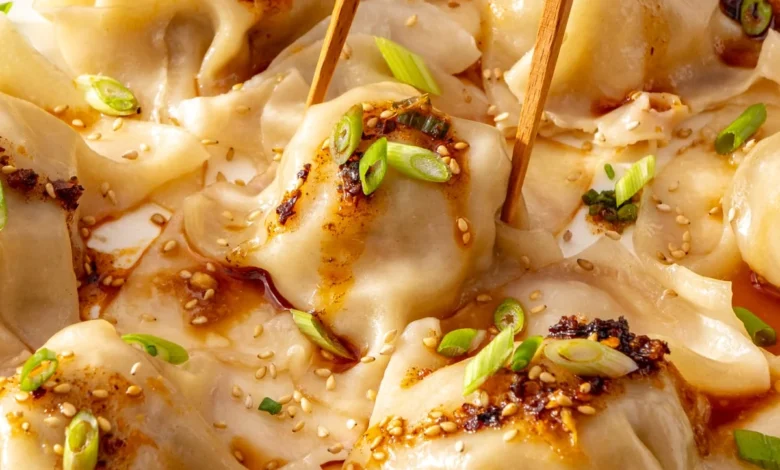
The culinary landscape is abuzz with a new viral sensation: blanket dumplings. This innovative take on a beloved comfort food promises all the satisfying elements of traditional homemade dumplings – a succulent filling, a delicate wrapper, and a perfectly crisped bottom – without the painstaking process of folding and pleating. The concept is elegantly simple: small meatballs are adorned with dumpling wrappers, resembling cozy blankets, before being steamed and pan-fried to golden perfection. This accessible approach has captured the attention of home cooks worldwide, particularly those seeking delicious yet time-efficient meal solutions.
The surge in popularity of blanket dumplings can be attributed to their inherent adaptability and visual appeal, making them a frequent fixture across social media platforms. Food bloggers and home chefs have embraced the dish, sharing their interpretations and successes. The ease with which the dumplings can be prepared, especially when compared to their intricately folded counterparts, has democratized the art of dumpling-making, bringing it within reach of novice cooks and busy families alike. This accessibility is a key factor in its widespread adoption, transforming a potentially intimidating dish into a weeknight-friendly option.
Addressing Viral Challenges: A Refined Approach to Success
While the initial viral iterations of blanket dumplings have inspired many, some home cooks have encountered a common hurdle: wrappers that detach during the cooking process, leading to a less-than-ideal presentation and eating experience. This issue, where the delicate wrappers tend to slide off the meatballs, has prompted culinary enthusiasts to seek more robust methods. Recognizing this widespread concern, experienced home cooks and recipe developers have begun to refine the technique.
One such refinement involves a strategic pre-assembly of the dumplings. Instead of directly placing meatballs into a hot skillet and attempting to drape wrappers over them amidst the sizzle, the improved method advocates for building the dumplings on a parchment-lined plate first. This involves portioning the meatball mixture, topping each with a dumpling wrapper, and then gently pressing the wrapper around the base of the meatball. This creates a secure bond, ensuring the wrapper adheres firmly to the filling. Once assembled, these prepared dumplings are then carefully transferred to the skillet.
This pre-assembly technique offers several significant advantages. Firstly, it eliminates the challenge of wrestling with a hot pan while trying to secure the wrappers, allowing for a more controlled and less precarious preparation. Secondly, it provides a clear visual cue for pan capacity. By assembling the dumplings beforehand, cooks can easily gauge how many will fit comfortably in the skillet without overcrowding. Proper spacing is crucial for achieving the coveted crispy bottom, as overcrowding can lead to steaming rather than crisping, compromising the textural integrity of the dish. This attention to detail in the preparation phase directly addresses the common criticisms of earlier viral versions, promising a more consistent and successful outcome.
The Anatomy of Flavor: Key Ingredients for Delicious Blanket Dumplings
The appeal of blanket dumplings lies not only in their simplicity but also in the depth of flavor that can be achieved with a thoughtful selection of ingredients. While variations are endless, a foundational recipe often features a savory meat filling, complemented by aromatic seasonings and the essential dumpling wrappers.
For the dumpling filling, a common base is ground turkey or chicken, chosen for its lean profile and ability to absorb flavors. This is typically combined with finely grated vegetables, such as carrots, which add moisture and a subtle sweetness. Aromatic elements like minced garlic and ginger provide essential warmth and pungency, while finely chopped scallions contribute a fresh, oniony bite. The binding and seasoning of the filling are often achieved with a combination of soy sauce, which imparts umami and saltiness, and sesame oil, which adds a distinctive nutty aroma. A touch of water or broth can help ensure a tender filling.
The wrappers themselves are a critical component. Pre-made round dumpling wrappers, readily available in most grocery stores, are the most convenient choice. These are designed to be pliable and cook quickly, creating a tender casing for the filling.
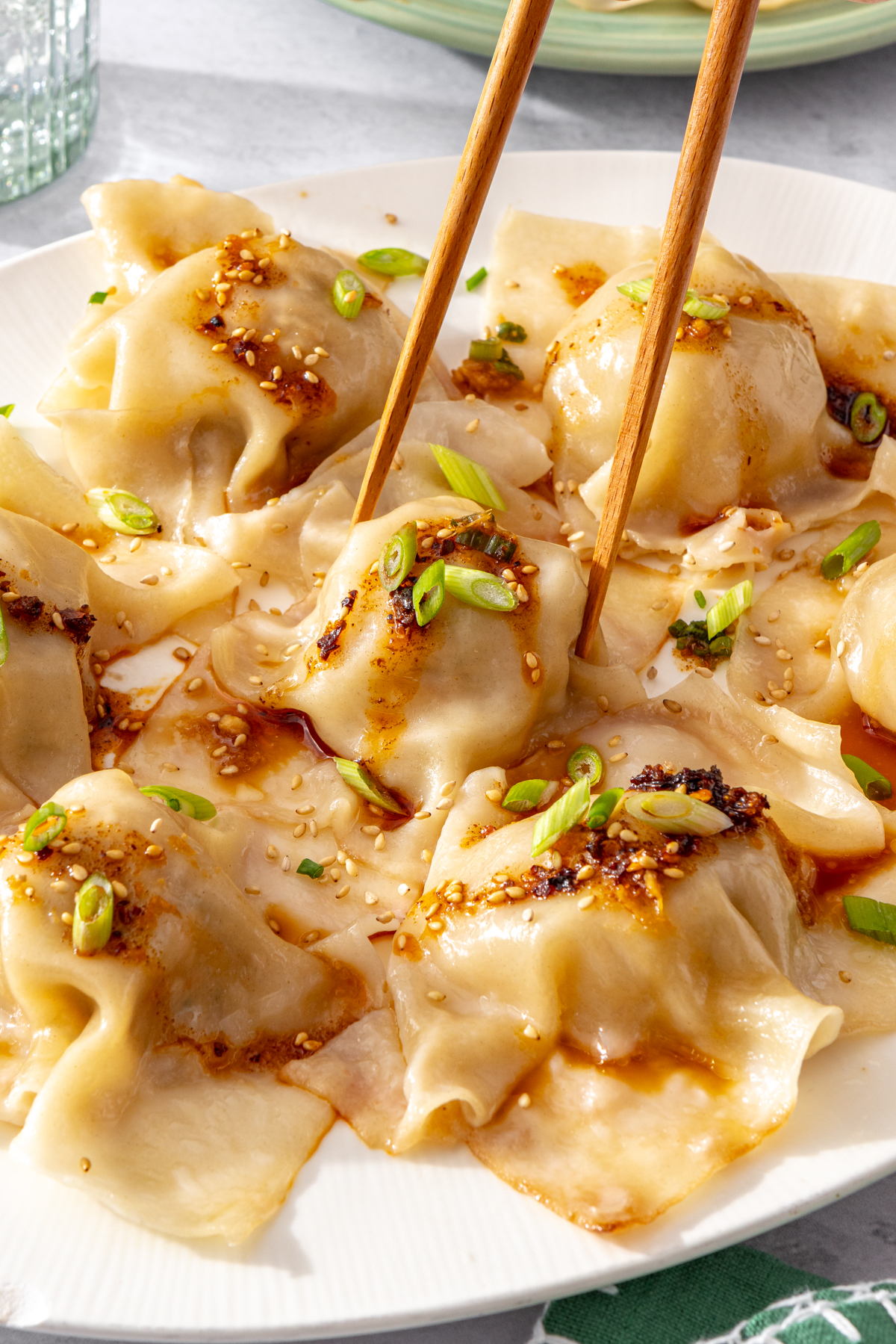
To elevate the dish, a complementary dipping sauce is often prepared. This sauce typically balances salty, sweet, and tangy notes. A base of soy sauce or tamari provides the salty foundation, while rice vinegar or lime juice adds a bright acidity. A touch of sweetness can come from honey, maple syrup, or sugar, and a hint of heat can be introduced with ingredients like sriracha or chili garlic sauce. Sesame oil is often incorporated into the sauce as well, reinforcing its aromatic qualities.
A Step-by-Step Guide to Culinary Craftsmanship
The process of creating successful blanket dumplings, particularly using the refined pre-assembly method, is straightforward and rewarding. It begins with the preparation of the filling.
-
Prepare the Filling: In a medium bowl, combine the ground meat, grated carrot, minced garlic, grated ginger, chopped scallions, soy sauce, sesame oil, and water. Mix thoroughly until all ingredients are well incorporated. Avoid overmixing, which can lead to tough dumplings.
-
Form the Meatballs: Using a small cookie scoop or your hands, portion the filling into small, uniform meatballs, about 1 inch in diameter. The size should be proportionate to the dumpling wrappers.
-
Assemble the Dumplings: Lay out a sheet of parchment paper on a clean surface. Place one meatball onto the parchment paper. Take a dumpling wrapper and gently drape it over the meatball, ensuring it covers the entire sphere. Carefully press the edges of the wrapper around the base of the meatball, coaxing it to hug the filling snugly. Repeat this process with the remaining meatballs and wrappers, arranging them on the parchment paper.
-
Cook the Dumplings: Heat a tablespoon of neutral cooking oil in a large, non-stick skillet over medium-high heat. Carefully arrange the assembled dumplings in a single layer in the hot skillet, ensuring they are not overcrowded. Cook for 1-2 minutes, or until the bottoms are golden brown and crispy.
-
Steam to Perfection: Carefully pour approximately ½ cup of water into the skillet. Immediately cover the skillet with a tight-fitting lid. Reduce the heat to medium-low and steam the dumplings for 8-10 minutes, or until the meat filling is cooked through and the wrappers are tender and translucent.
-
Prepare the Sauce: While the dumplings are steaming, whisk together the ingredients for the dipping sauce in a small bowl: soy sauce, rice vinegar, honey, sesame oil, and any desired chili sauce or sriracha.
-
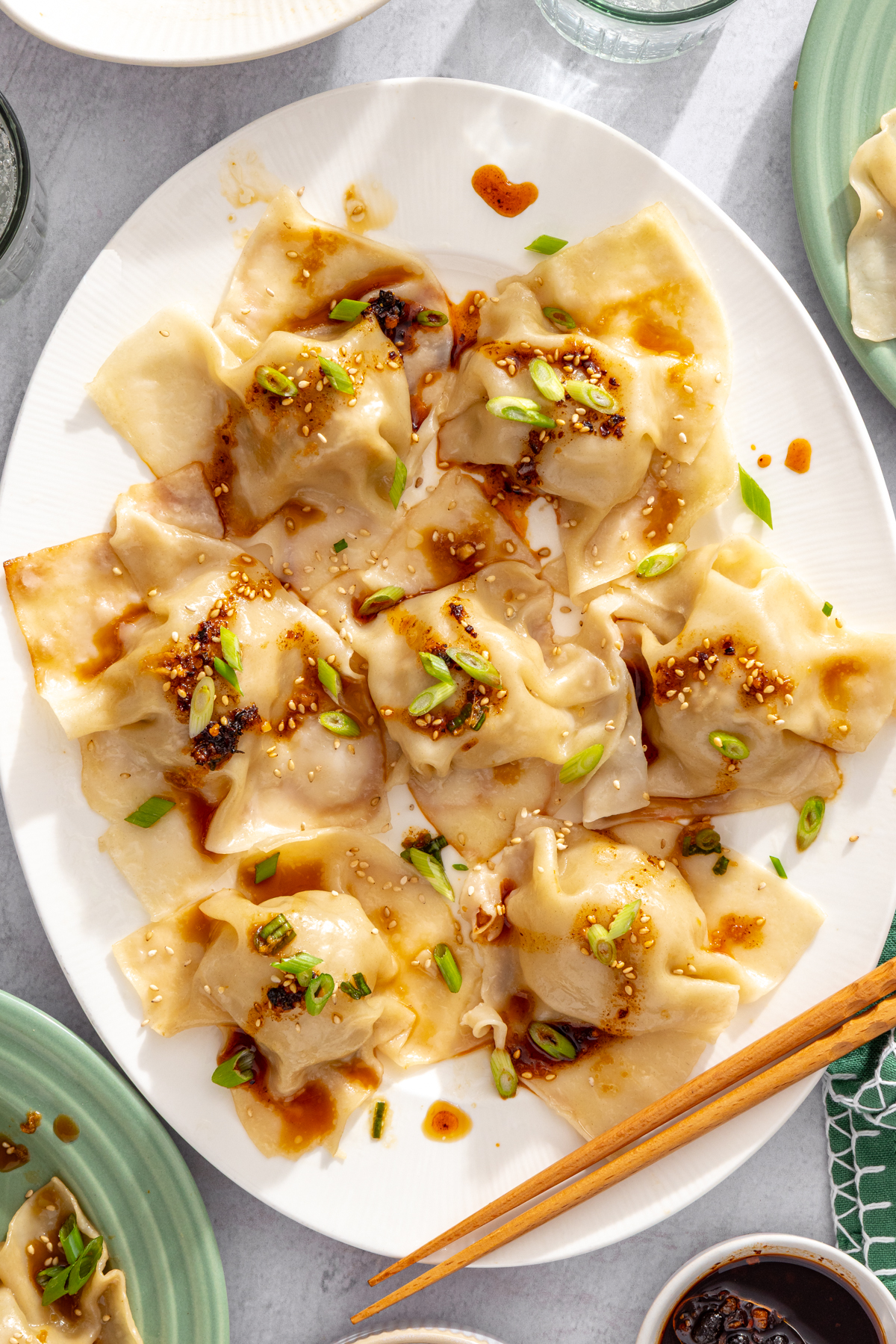
Serve: Once the dumplings are cooked, remove the lid and allow any remaining water to evaporate. Transfer the blanket dumplings to a serving platter. Drizzle with the prepared dipping sauce, and garnish with chopped scallions and toasted sesame seeds for added flavor and visual appeal.
Alternative Preparations: Flexibility in the Kitchen
For those who prefer a more direct approach, the original viral method of building dumplings directly in the pan remains an option. This involves heating a lightly oiled skillet, adding spoonfuls of the meat filling directly into the hot pan, and cooking them for a minute. The dumpling wrappers are then draped over each meatball, with a gentle press to secure them before adding water to steam. While this method can be effective, it requires more careful handling due to the direct interaction with the hot skillet. The pre-assembly method is generally favored for its greater control and reduced risk of wrapper detachment. Both approaches, however, ultimately lead to a delicious outcome.
Enhancing the Dining Experience: Serving Suggestions and Pairings
Blanket dumplings are a versatile dish that can be enjoyed as a main course or an appetizer. The accompanying dipping sauce provides a burst of flavor, but additional garnishes can further enhance the sensory experience. Finely diced scallions offer a fresh, crisp counterpoint, while toasted sesame seeds add a nutty aroma and subtle crunch. For those who appreciate a touch of spice, a dollop of chili crisp provides a delightful kick.
To create a well-rounded meal, blanket dumplings pair exceptionally well with a variety of side dishes. A refreshing cucumber salad offers a cool and crisp contrast to the rich dumplings. Sautéed baby bok choy, with its tender leaves and slightly bitter notes, complements the savory filling. For those seeking a lighter carbohydrate option, Asian-style cauliflower rice provides a healthy and flavorful alternative to traditional rice.
Practical Considerations: Make-Ahead and Storage Solutions
The inherent convenience of blanket dumplings is further amplified by their make-ahead potential. The dumplings can be fully assembled on the parchment-lined plate and refrigerated for up to 24 hours. This allows busy individuals to prepare the bulk of the meal in advance, requiring only the final cooking steps when ready to serve. This feature makes them an ideal option for weeknight dinners or for entertaining guests with minimal last-minute fuss.
Leftover cooked dumplings can be stored in an airtight container in the refrigerator for up to three days. To reheat, a skillet method is recommended: add a splash of water to the skillet, place the dumplings in, and cover to steam. This process helps to rehydrate the wrappers and re-crisp the bottoms, bringing them back to their former glory.
Preservation Strategies: Freezing for Future Enjoyment
Blanket dumplings are also an excellent candidate for freezing, offering a convenient way to have homemade dumplings on hand for future meals. The pre-assembled, uncooked dumplings can be frozen directly on the parchment-lined plate until solid, typically about an hour. Once frozen, they can be transferred to an airtight container or freezer bag for storage of up to two months.
When cooking from frozen, the process is similar to fresh preparation, with a slight adjustment for cooking time. Add a splash more water to the skillet and allow a few extra minutes for the dumplings to cook through. This freezing technique ensures that the convenience of blanket dumplings extends beyond immediate consumption, providing a readily available and delicious meal option.
The emergence of blanket dumplings signifies a broader trend in home cooking: the pursuit of delicious, satisfying meals that do not demand excessive time or specialized skills. This culinary innovation, born from a desire for simplicity and success, has effectively democratized the dumpling, making it an accessible and beloved dish for a global audience. As home cooks continue to experiment and refine the recipe, the blanket dumpling is poised to remain a staple in kitchens worldwide, a testament to the power of ingenuity and the universal appeal of good food.