The Ultimate 15-Minute Cinnamon Maple Caramelized Apple Slices Recipe for Cozy Mornings

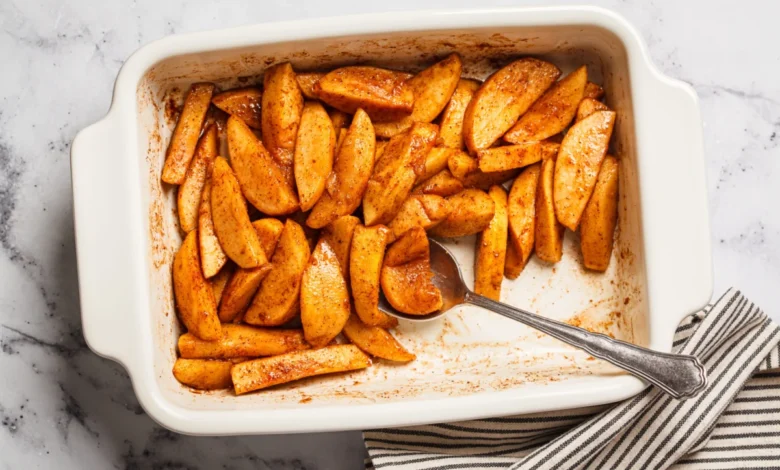
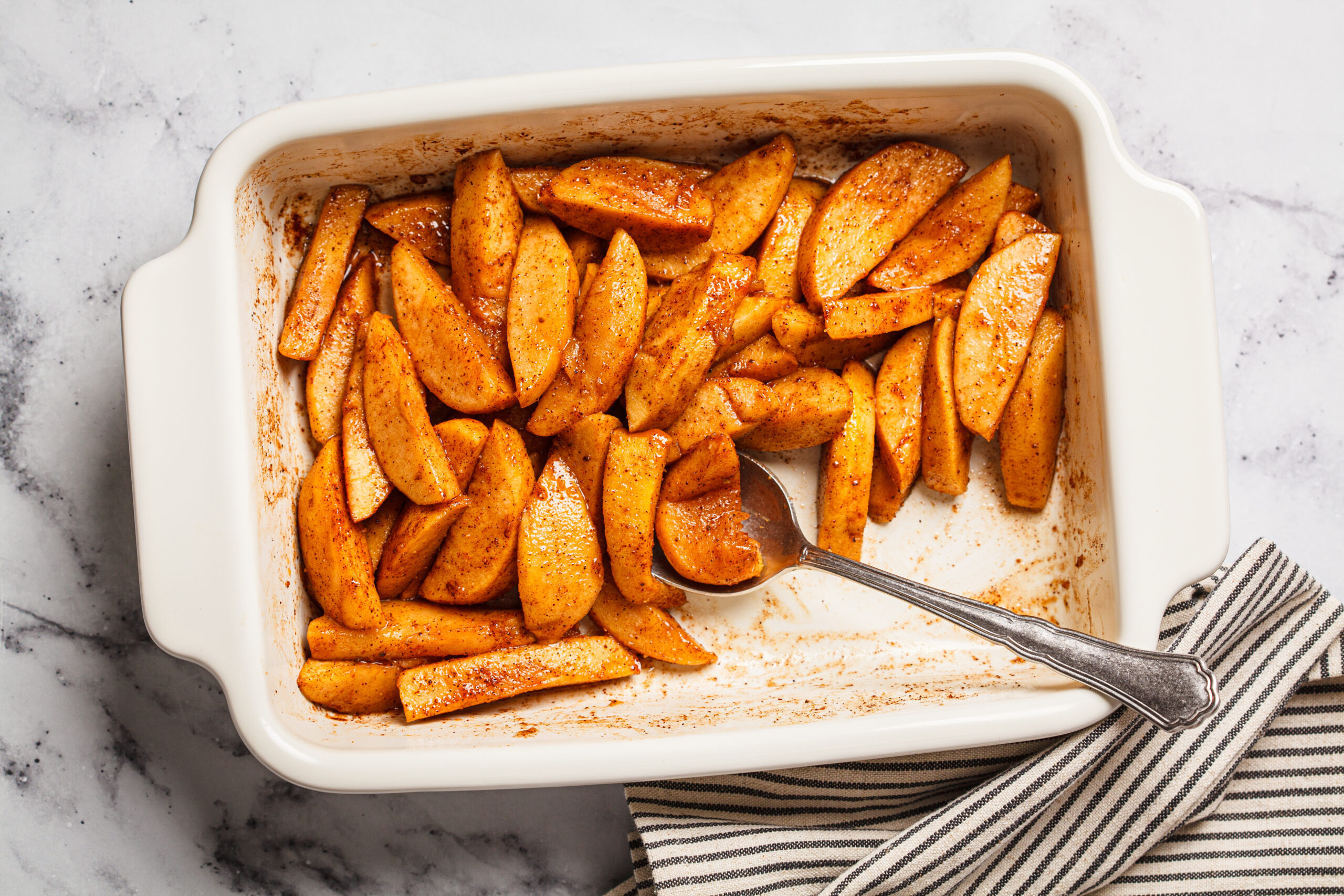
The culinary landscape of autumn often centers on the comforting, aromatic allure of warm spices and orchard-fresh produce, with cinnamon-infused fruit standing out as a perennial favorite for both home cooks and professional chefs. Recent culinary trends highlight a growing consumer preference for quick, nutrient-dense breakfast and dessert toppings that elevate simple ingredients without relying heavily on refined sugars. Among these, skillet-cooked caramelized apple slices sweetened with pure maple syrup have emerged as a versatile, rapid-preparation staple. Requiring only 15 minutes from prep to plate, this technique transforms standard apples into a tender, buttery delicacy suitable for breakfast bowls, holiday spreads, or simple weeknight desserts.
Culinary Background and Nutritional Context
The practice of cooking apples with fat and unrefined sweeteners has deep historical roots in European and North American households, where seasonal fruit preservation and utilization were paramount. Modern dietary shifts, however, have redefined these traditional preparations. Nutritionists increasingly advocate for whole-food sweeteners such as grade-A maple syrup, which contains trace minerals and antioxidants compared to processed white sugar. Furthermore, pairing apples with healthy fats like butter or coconut oil and warming spices like Ceylon or Cassia cinnamon offers notable metabolic benefits. Cinnamon has been widely studied for its potential to help regulate blood sugar levels, making spiced fruit dishes a favorable option for health-conscious consumers seeking balanced energy sources during morning and midday meals.
Chronology of the 15-Minute Preparation Method
The evolution of modern kitchen appliances and non-stick cookware has significantly reduced the time required to achieve a proper caramelization of fruit sugars. Historically, achieving a rich, caramelized profile on apples required prolonged baking times or heavy-bottomed Dutch ovens simmering for hours. The contemporary skillet method streamlines this process into a precise, multi-stage timeline:
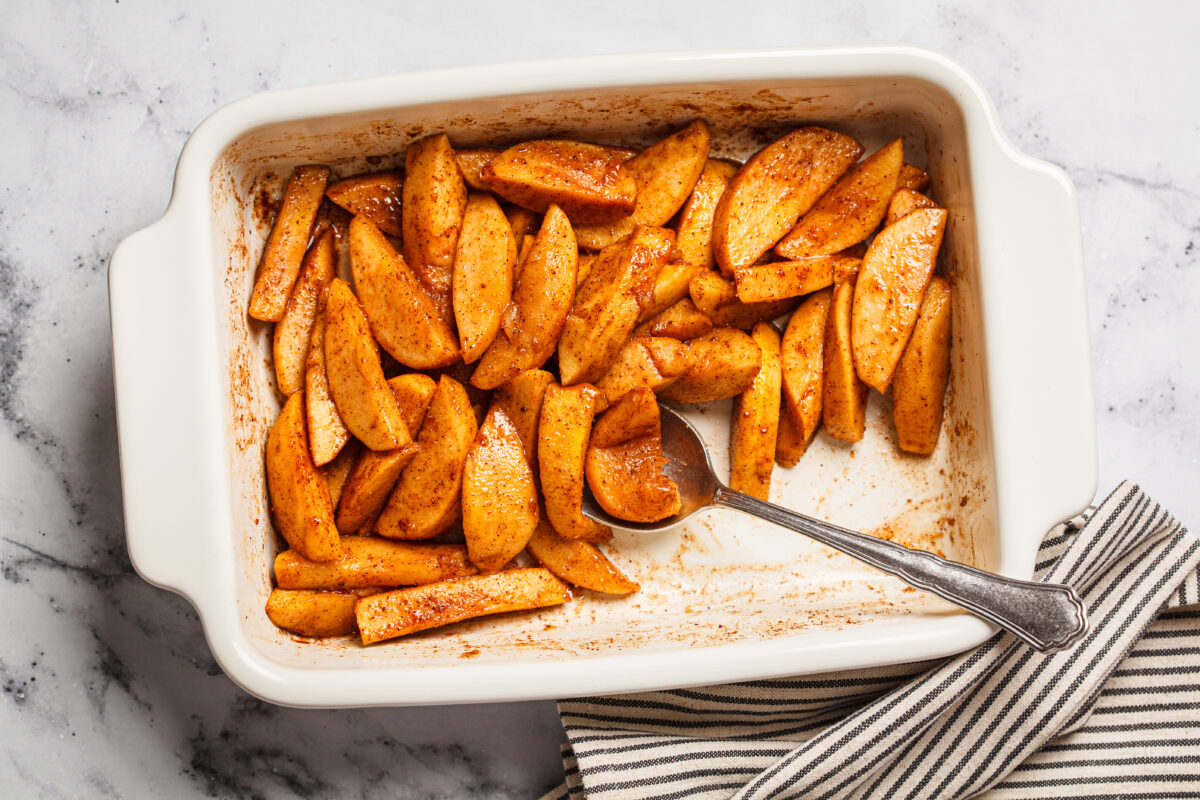
- Preparation Phase (Minutes 1 to 5): The process begins with washing, coring, and slicing firm apple varieties—such as Honeycrisp, Granny Smith, or Fuji—to a uniform thickness of approximately one-quarter of an inch. Uniformity is critical to ensure even heat distribution and prevent uneven softening.
- Sautéing and Softening (Minutes 6 to 10): A skillet is heated to medium, melting a designated portion of butter or plant-based alternative. The apple slices are introduced, allowing them to sweat and begin softening while retaining their structural integrity.
- Caramelization and Spice Infusion (Minutes 11 to 15): Pure maple syrup and ground cinnamon are folded into the pan. As the natural fruit juices mingle with the maple syrup and butter over moderate heat, a glossy, reduced glaze forms, coating each slice without breaking the fruit down into applesauce. Optional mix-ins, such as raw pecans or dried cranberries, are often toasted during the final two minutes to enhance texture and flavor complexity.
Ingredient Analysis and Customization Flexibility
Culinary experts emphasize that the success of a quick skillet recipe heavily relies on ingredient selection. The choice of apple variety dictates the balance between tartness and sweetness. Tart varieties like Granny Smith provide a sharp contrast to the rich maple syrup, while sweeter varieties like Gala or Braeburn yield a milder, dessert-like flavor profile.
Beyond the base ingredients of apples, butter, cinnamon, and maple syrup, the recipe accommodates a wide array of dietary modifications. For dairy-free diets, clarified butter, ghee, or plant-based oils can be substituted seamlessly. To enhance nutritional density and textural contrast, nutritionists recommend incorporating:
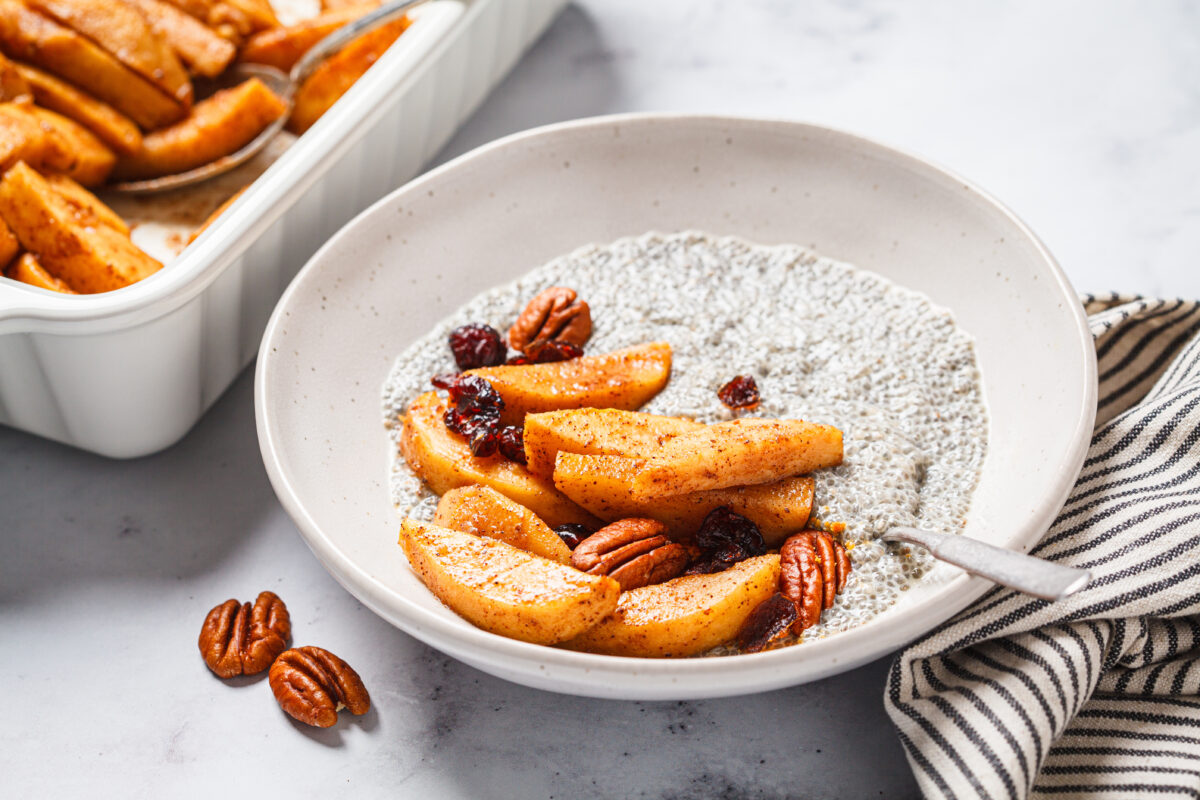
- Raw Pecans or Walnuts: Providing a rich source of plant-based omega-3 fatty acids, protein, and a satisfying crunch.
- Dried Cranberries or Tart Cherries: Introducing a tart flavor profile and additional dietary fiber.
- Superfood Additions: Sprinkling chia seeds, hemp hearts, or shredded unsweetened coconut upon serving to elevate the macronutrient profile.
Versatility in Meal Planning and Serving Suggestions
The economic and practical utility of batch-cooking caramelized apple slices has made them a subject of interest in modern meal-prep circles. Culinary analysts note that consumers are increasingly seeking multi-use components that can transition across different meal categories. These cinnamon-maple apples fulfill this demand by serving as a versatile topper across various dishes:
- Morning Breakfasts: Layered over Greek yogurt, stirred into overnight oats, folded into chia seed pudding, or spooned atop whole-grain pancakes and waffles.
- Midday Snacks: Enjoyed straight from the skillet as a warm, comforting afternoon pick-me-up.
- Evening Desserts: Served warm alongside a scoop of artisanal vanilla bean ice cream or layered into a deconstructed apple crisp with toasted oat granola.
Storage, Food Safety, and Shelf Life
From a food safety and preservation standpoint, cooked fruit requires proper handling to maintain quality. Once prepared, caramelized apple slices must be cooled completely to room temperature before being transferred to an airtight glass or BPA-free plastic container. Stored properly in a refrigerator operating at or below 40 degrees Fahrenheit, the cooked apples maintain optimal texture and flavor for up to four days.
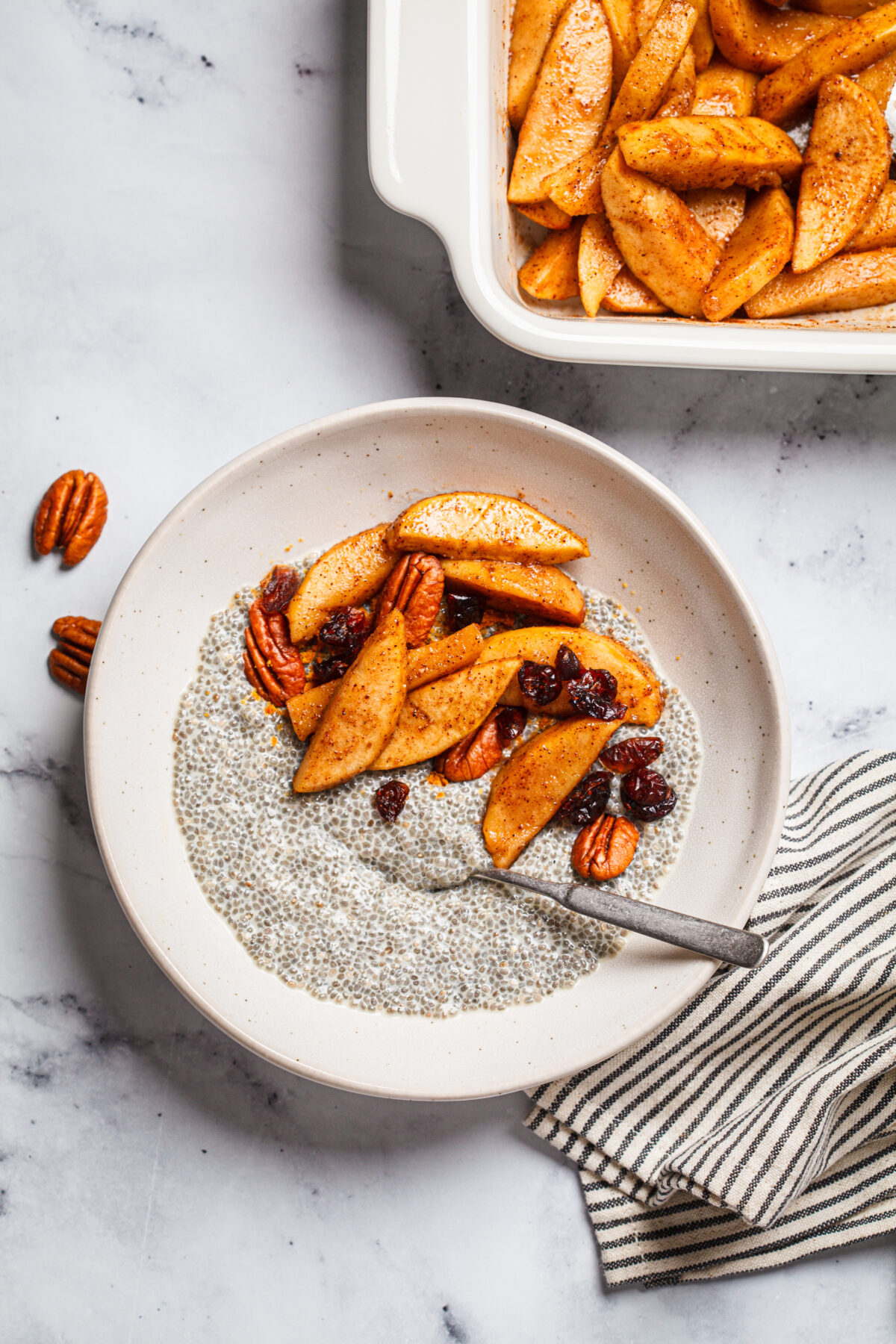
Reheating can be executed efficiently via a stovetop skillet over low heat with a splash of water to restore moisture, or in a microwave-safe dish in 30-second intervals. Alternatively, cold leftovers can be incorporated directly into chilled breakfast preparations like yogurt parfaits or cold oatmeal bowls, offering a refreshing contrast in texture and temperature.
Broader Economic and Health Implications
The rising popularity of fast, whole-food recipes reflects a broader cultural movement toward sustainable, home-cooked meals that do not require extensive time investments. As busy schedules prompt consumers to seek out efficient cooking methods, recipes that utilize common pantry staples—such as apples, butter, and cinnamon—demonstrate strong resilience against fluctuating food costs. Furthermore, by transforming basic, accessible produce into gourmet-style dishes, home cooks can reduce food waste by utilizing overripe or surplus apples from local orchards, thereby supporting regional agricultural economies and promoting sustainable domestic food practices.