The Ultimate Guide to Making Thick, Comforting, and Family-Friendly Homemade Meat Spaghetti Sauce

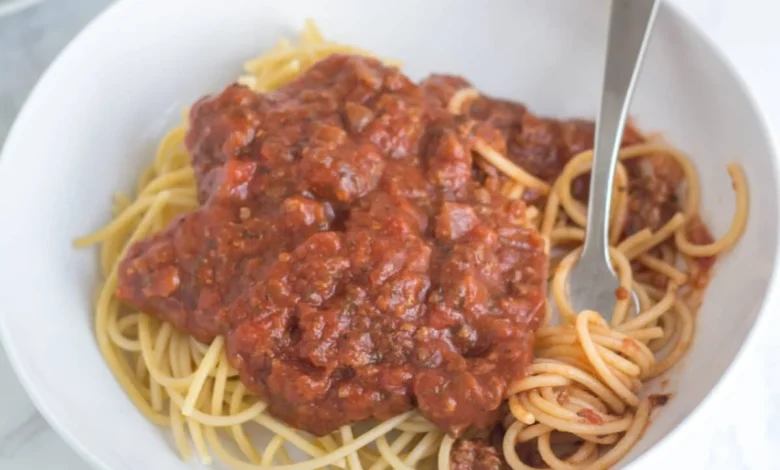
The culinary landscape of weeknight family dinners has long been dominated by the eternal quest for a meal that is simultaneously quick to prepare, universally appreciated by children and adults alike, and capable of yielding substantial portions. Among the pantheon of comfort foods, few dishes hold the enduring cultural and nutritional significance of a robust spaghetti sauce with meat. Recent culinary trends and home economics research continue to highlight a growing consumer preference for scratch-made, customizable pantry meals over highly processed, commercial jarred alternatives. This comprehensive overview examines the origins, preparation, nutritional profile, and broader domestic implications of a beloved family-style meat spaghetti sauce recipe designed to feed a crowd of eight to ten individuals.
Background Context and Origins of the Recipe
The tradition of slow-simmered, meat-laden tomato sauces spans generations, drawing heavily from Italian-American heritage while evolving to suit modern American domestic routines. Historically, hearty sauces of this nature were prepared in large batches to sustain multi-generational households through busy work weeks.
The specific iteration popularized by modern home-cooking advocates stems from a community-based culinary tradition—the practice of neighbors sharing nourishing meals during major life transitions, such as welcoming a newborn, relocating to a new home, or navigating periods of personal hardship. Food sociologists note that the exchange of home-cooked comfort foods like thick meat sauce reinforces community bonds and provides tangible emotional and physical support.
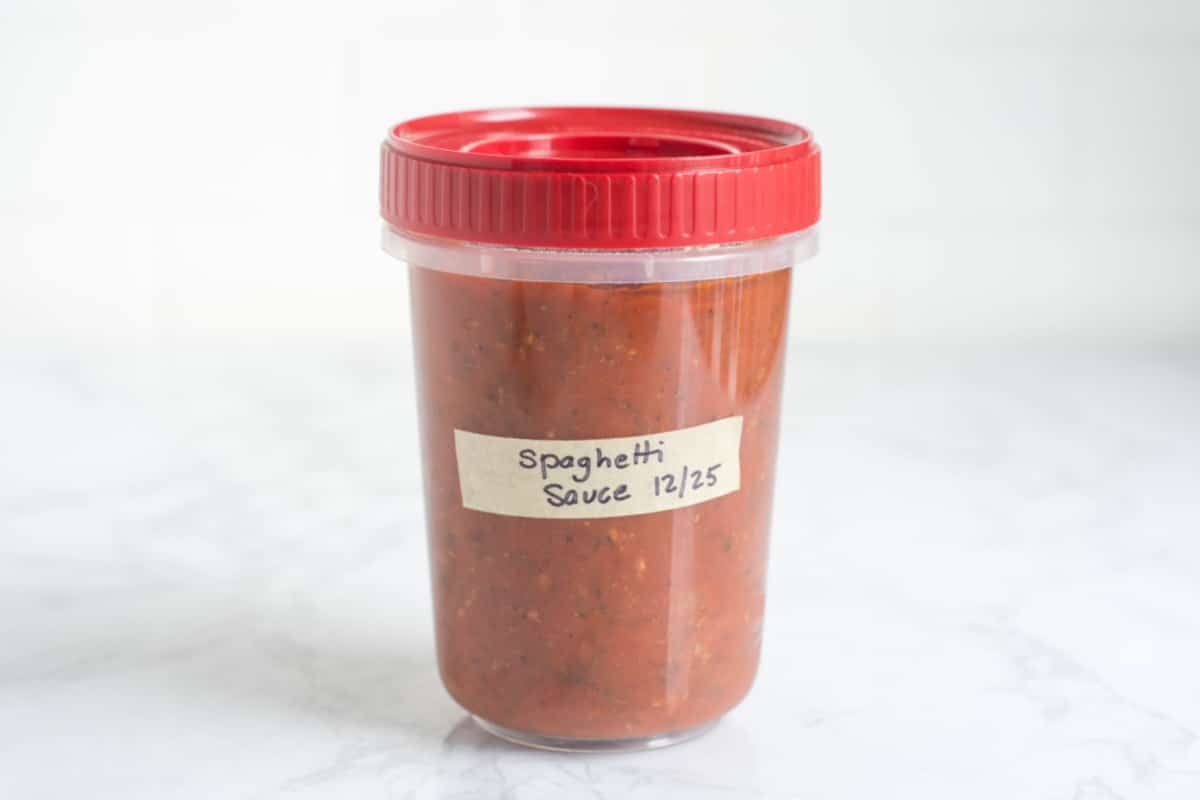
When home cook and recipe developer real mom nutrition first encountered this particular recipe, it was delivered in a simple plastic tub by a close friend during a period of transition. After years of enjoying the rich, savory profile of the dish, the recipe was formally requested and integrated into standard weekly meal planning. Today, it serves as a staple for large gatherings, neighborhood exchanges, and meal-prep enthusiasts looking to maximize efficiency in the kitchen.
Main Culinary Components and Ingredients
A successful homemade meat spaghetti sauce relies on a harmonious balance of high-quality protein, aromatic vegetables, acidic tomato bases, and complementary herbs and spices. While exact formulations can vary depending on dietary needs, the foundational ingredients typically include:
- Ground Protein: Traditionally featuring lean ground beef, the recipe easily accommodates alternatives such as ground turkey or plant-based meat crumbles to suit diverse dietary preferences.
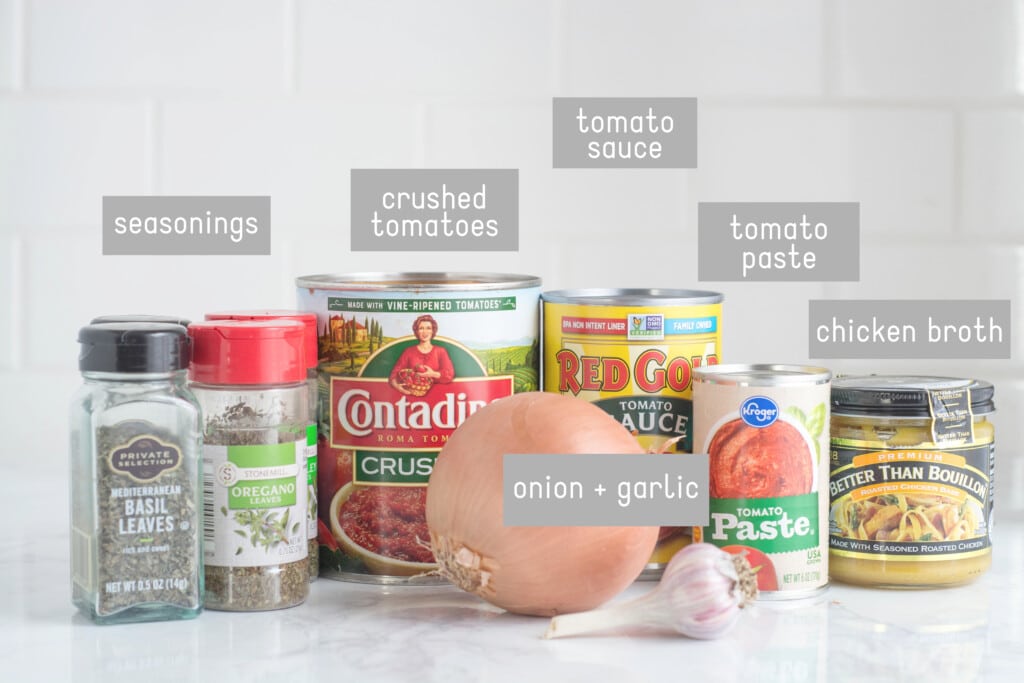
- Tomato Base: A combination of crushed tomatoes, tomato paste, and tomato sauce provides the deep, rich viscosity required for a truly thick sauce.
- Aromatics and Seasonings: Yellow onions, garlic, and a blend of Italian herbs (such as oregano, basil, and thyme) build the foundational flavor profile.
- Broth and Enhancers: Beef broth—or a combination of water and concentrated bouillon bases like Better Than Bouillon—adds depth and umami to the simmering mixture.
From a nutritional standpoint, this specific formulation yields approximately 232 calories per serving, accompanied by 20 grams of protein, 19 grams of carbohydrates, 5 grams of dietary fiber, and 9 grams of total fat. With a relatively low sodium-to-protein ratio and significant fiber content derived from the tomato solids and aromatics, the dish offers a balanced macronutrient profile suitable for growing children and active adults.
Chronology and Preparation Workflow
Preparing a large-batch family spaghetti sauce requires a structured timeline to ensure optimal flavor development through the gradual reduction of liquids and the rendering of fats.
- Preparation and Sautéing (Minutes 0–15): The process begins with the dicing of aromatics. Onions and garlic are gently sautéed in a large Dutch oven or heavy-bottomed stockpot until translucent and fragrant.
- Browning the Meat (Minutes 15–25): Ground beef or turkey is added directly to the aromatics and cooked over medium-high heat until thoroughly browned. Excess fat is drained to maintain the desired texture and prevent greasiness.
- Incorporating Liquids and Simmering (Minutes 25–60+): Crushed tomatoes, tomato paste, broth, and spices are folded into the meat mixture. The heat is reduced to a low simmer. Allowing the sauce to bubble gently uncovered for an extended period—ranging from 30 minutes to several hours—allows excess water to evaporate, concentrating the complex flavors of the tomatoes and savory components.
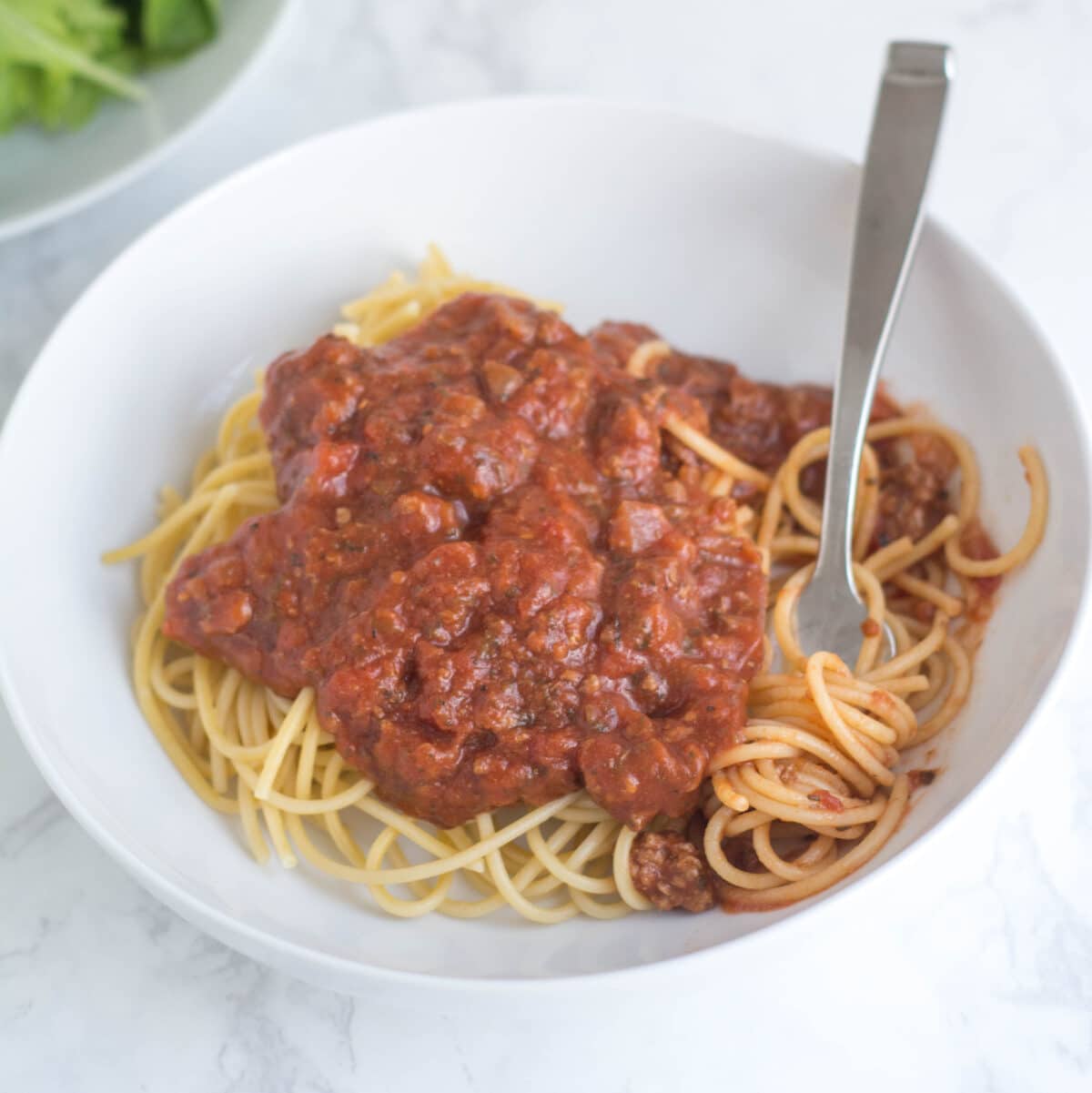
- Pairing and Serving (Final Minutes): While the sauce finishes, complementary pasta shapes such as traditional spaghetti, rigatoni, or penne are boiled al dente. The robust thickness of the sauce allows it to cling efficiently to both long strands and tubular pasta varieties.
Variations and Adaptations for Modern Kitchens
To accommodate modern lifestyle constraints and technological advancements in home cooking, culinary experts have adapted the traditional stovetop method for alternative appliances.
- The Instant Pot Method: Pressure cooking has emerged as a viable alternative for busy weeknights. By utilizing an electric pressure cooker, home cooks can achieve the deep, developed flavors of a slow-simmered sauce in a fraction of the time, typically under 30 minutes from start to finish.
- Dietary Substitutions: As dietary restrictions become increasingly common in family households, the recipe maintains high versatility. Substituting ground beef with ground turkey reduces saturated fat content, while the integration of gluten-free pasta ensures accessibility for individuals with celiac disease or gluten sensitivities.
- Freezing and Long-Term Storage: Given that the yield comfortably serves eight to ten people, storage management is a critical component of the recipe’s utility. Cooked sauce can be safely refrigerated in airtight glass or plastic containers for three to four days. Alternatively, freezing the sauce in flat-pressed airtight bags extends its shelf life to two to three months without compromising structural integrity or flavor quality.
Broader Impact and Industry Implications
The enduring popularity of scratch-made, high-yield comfort foods reflects broader shifts in consumer behavior regarding food security, financial economy, and domestic wellness. In an era marked by fluctuating grocery prices and busy schedules, batch cooking has transformed from a traditional homemaking practice into an intentional strategy for household budget management and nutritional health.
Nutritionists and family counselors frequently emphasize the psychological and social benefits of shared family meals. Dishes that naturally scale to feed large groups—such as a hearty meat spaghetti sauce—encourage communal dining, reduce the cognitive load associated with daily meal planning, and foster social connectivity through the sharing of surplus food with friends and neighbors in need.
Ultimately, whether prepared on a quiet Sunday afternoon for weekly meal prep or whipped up in an Instant Pot during a hectic Tuesday evening, the family-friendly meat spaghetti sauce remains a cornerstone of domestic culinary tradition. By balancing nutritional value, ease of preparation, and exceptional versatility, it continues to serve as an indispensable resource for modern households navigating the complexities of daily nourishment.