The Ultimate Guide to Making Vibrant Fresh Garden Veggie Quinoa Salad for Summer

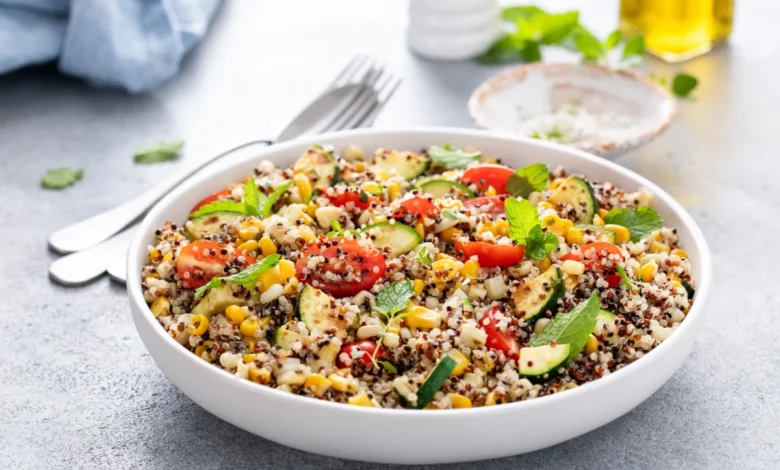
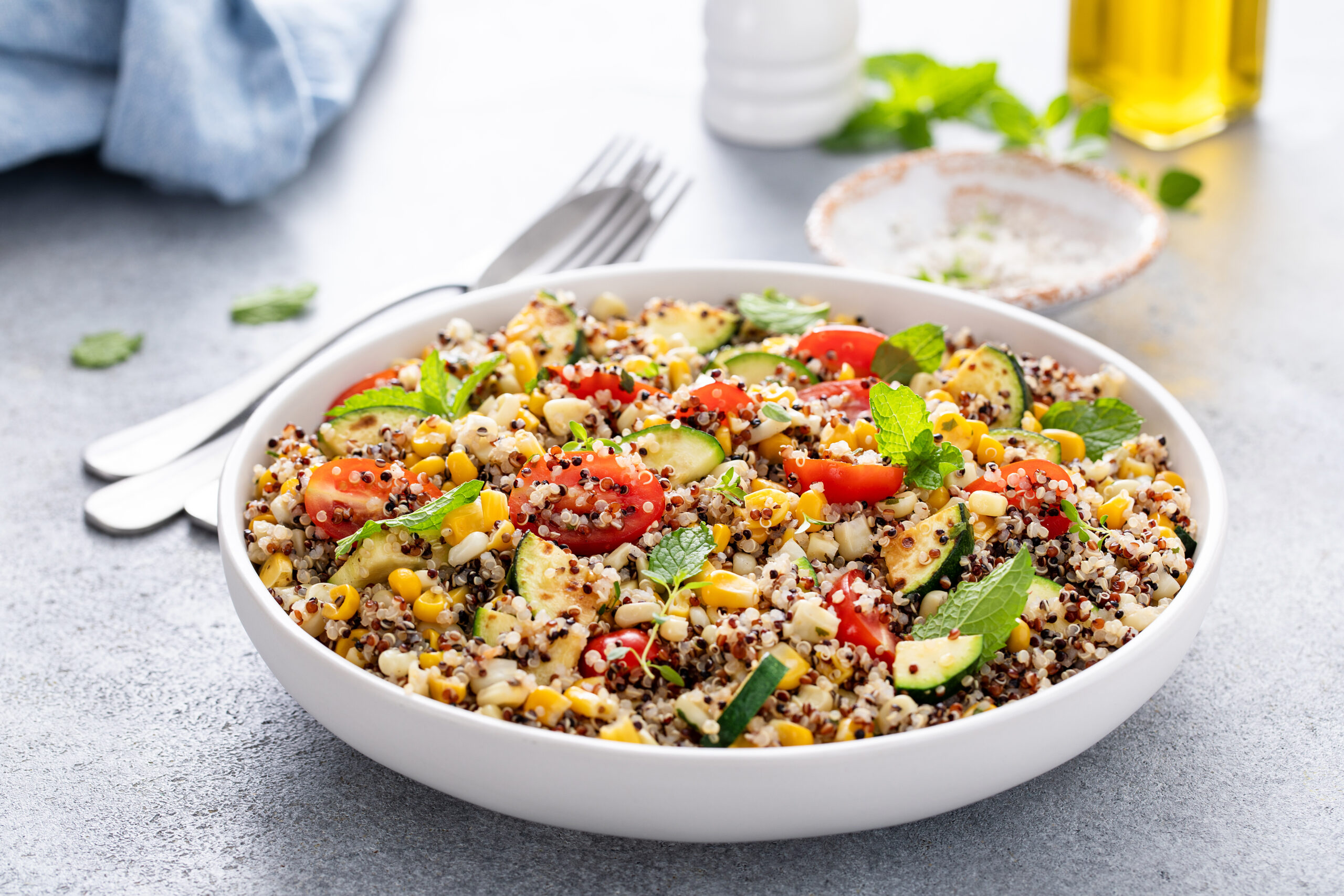
As peak summer harvests flood local farmers markets and backyard gardens, culinary enthusiasts and home cooks alike are continually searching for innovative, nutrient-dense ways to utilize an abundance of seasonal produce. Enter the fresh garden veggie quinoa salad, a vibrant, protein-packed dish combining sweet corn, tender zucchini, juicy cherry tomatoes, and fragrant basil, all tied together with a zesty, simple lemon dressing. Positioned at the intersection of nutritional efficiency and seasonal gastronomy, this dish has rapidly evolved from a niche health-food staple into a mainstream favorite for backyard barbecues, family picnics, and weekly meal-prep regimens.
Culinary experts and nutritionists note that unlike traditional leafy green salads that wilt quickly under the weight of heavy dressings, quinoa-based salads maintain their structural integrity and flavor profile over extended periods. This durability makes the dish exceptionally popular for catering events, outdoor gatherings, and weekday lunchboxes. Furthermore, the inherent versatility of the recipe allows for endless customization based on regional crop availability and personal dietary preferences, solidifying its place as a cornerstone of modern seasonal cooking.
Nutritional Profile and the Rise of Quinoa in Modern Diets
To fully understand the appeal of this seasonal dish, one must examine the rising prominence of quinoa within the global agricultural and culinary landscape. Botanically classified as a pseudocereal rather than a true cereal grain, quinoa (Chenopodium quinoa) is technically a seed harvested from a broadleaf plant closely related to spinach, Swiss chard, and beets. Cultivated in the Andean region of South America for over 5,000 years, it was revered by the Inca civilization as chisaya mama, or the "mother of all grains."
Nutritional scientists frequently highlight quinoa as one of the few plant-based foods considered a complete protein, meaning it contains all nine essential amino acids that the human body cannot synthesize on its own. A single cooked cup of quinoa typically provides roughly 8 grams of protein, 5 grams of dietary fiber, and substantial amounts of magnesium, B vitamins, iron, potassium, calcium, and phosphorus. Additionally, quinoa is naturally gluten-free, rendering it an indispensable ingredient for individuals managing celiac disease, non-celiac gluten sensitivity, or those adhering to a gluten-reduced diet.
The agricultural market has responded dramatically to this nutritional demand. Over the past two decades, global quinoa production has expanded significantly beyond its traditional borders in Bolivia, Peru, and Ecuador, with successful test crops and commercial farming operations now established in North America, Europe, and parts of Asia. Food economists observe that this widespread cultivation has helped stabilize supply chains, making the nutrient-dense seed a permanent fixture in mainstream supermarkets.
Anatomy of a Seasonal Masterpiece: Ingredients and Preparation
The success of the garden veggie quinoa salad relies heavily on the synergy of its components. Central to the recipe are peak-summer ingredients: sweet corn kernels bursting with natural sugars, mild and tender zucchini, vine-ripened cherry tomatoes offering a bright pop of acidity, and freshly chopped basil that imparts an aromatic herbal depth.
Culinary technicians emphasize that proper preparation techniques dictate the final texture and quality of the dish. The process begins with the foundational step of rinsing the quinoa. Quinoa seeds possess a natural outer defense mechanism known as saponin, a chemical compound that exhibits a bitter or soapy taste if ingested. While the vast majority of commercial quinoa is mechanically pre-washed prior to packaging, a thorough secondary rinse under cool running water through a fine-mesh strainer ensures any lingering saponin residue is completely removed.
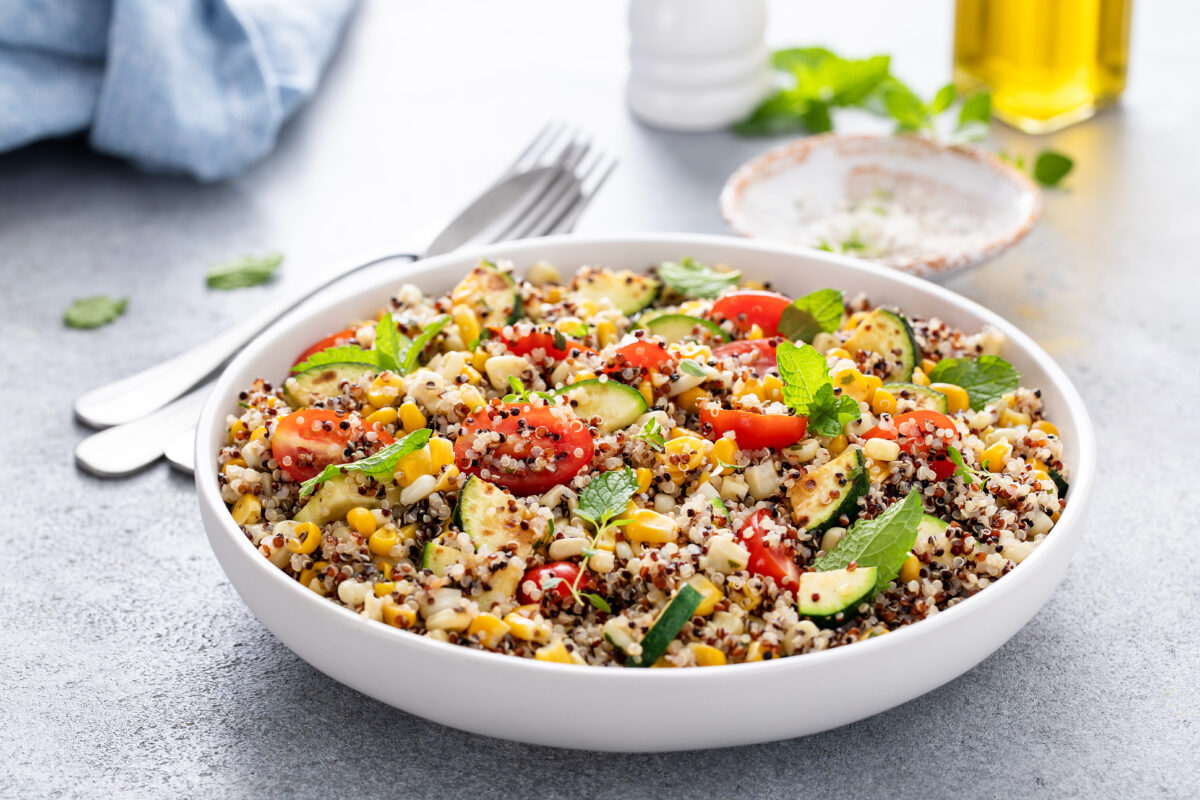
Cooking the quinoa to achieve optimal fluffiness requires a precise water-to-grain ratio—typically two cups of liquid to one cup of dry quinoa. Bringing the mixture to a rapid boil before immediately reducing the heat to a low simmer allows the liquid to be absorbed evenly without scorching the bottom of the pan. Culinary protocols dictate that the saucepan must remain covered throughout the simmering process to trap steam, followed by a mandatory five-minute rest period off the heat. Finally, spreading the cooked quinoa across a baking sheet accelerates the cooling process, preventing residual steam from prematurely softening the fresh vegetables and herbs that will be folded in later.
The dressing is similarly straightforward yet impactful, relying on fresh lemon juice, high-quality extra-virgin olive oil, a touch of honey or maple syrup for balance, and sea salt. Food scientists note that citrus-based dressings applied to grain salads undergo an osmotic process over time, wherein the acid and salt gently break down the exterior cell walls of the vegetables, marrying the distinct flavors into a cohesive profile without rendering the produce soggy—provided the ingredients are handled correctly.
Expert Culinary Tips for Flawless Execution
Achieving restaurant-quality results at home requires attention to several critical details identified by professional recipe developers and catering chefs.
First, temperature control is paramount. Introducing warm or hot quinoa directly to delicate ingredients like fresh basil and cherry tomatoes can cause the herbs to blacken and the tomatoes to release excess moisture, resulting in a compromised texture. Ensuring the quinoa has cooled completely to room temperature before assembly preserves the visual and textural integrity of the fresh produce.
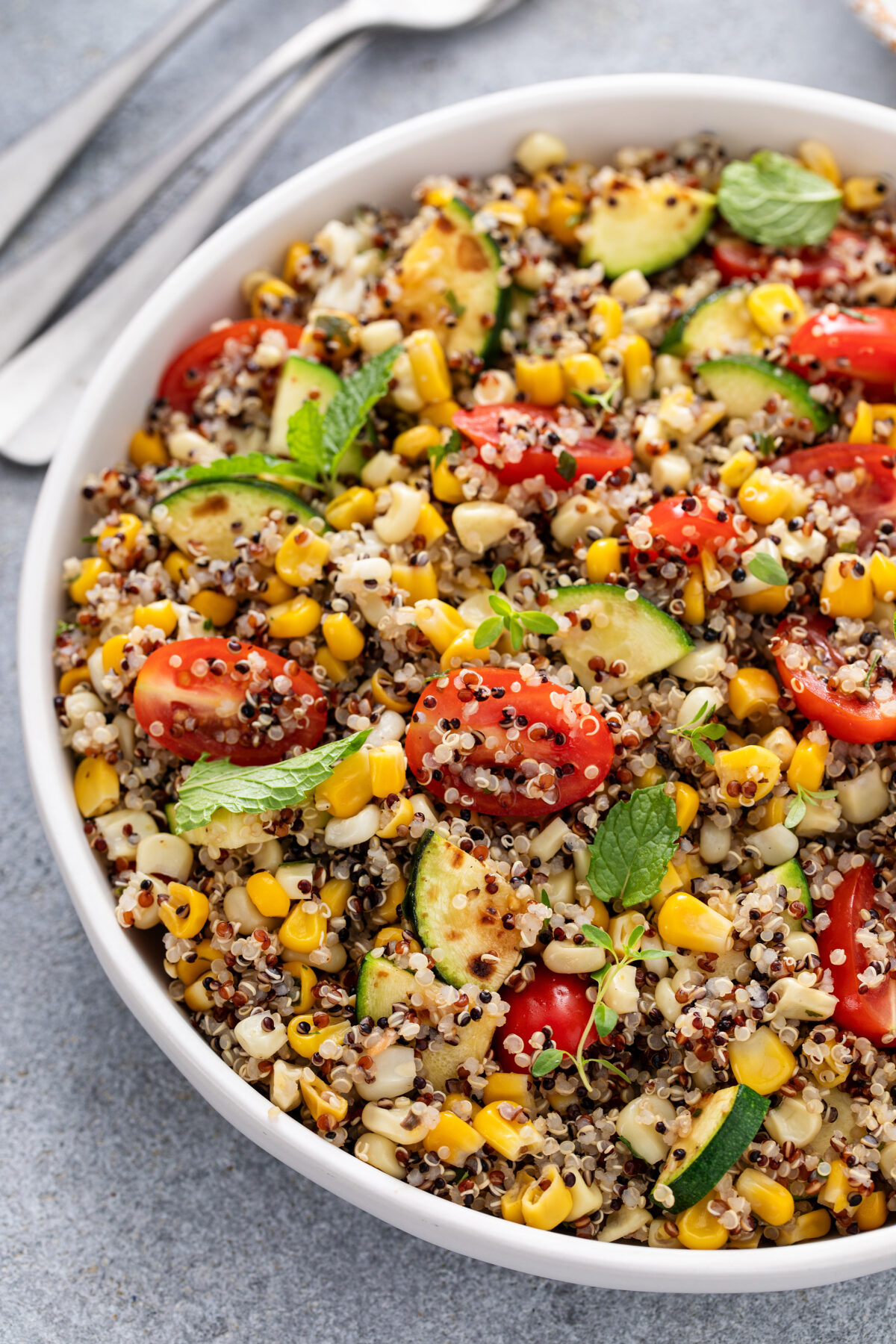
Second, moisture management is essential when working with zucchini and tomatoes. Overcooking zucchini can cause it to become mushy and release unwanted water into the salad. Sautéing the zucchini only until it reaches a tender-crisp state maintains both its structural bite and its vibrant green color. Similarly, chefs recommend seeding exceptionally juicy tomatoes or draining excess liquid before incorporating them into the mix.
Third, seasoning adjustments should be made dynamically. Because cold temperatures dull the human palate’s perception of salt and acidity, professional kitchens routinely taste-test chilled salads just prior to service, adding a final splash of lemon juice or a pinch of flaky sea salt to awaken the flavor profile. Furthermore, incorporating the dressing in stages—reserving a portion to add just before serving—accommodates the natural tendency of quinoa to absorb liquids as it rests in refrigeration.
Endless Adaptability: Customization and Regional Variations
One of the most compelling aspects of the garden veggie quinoa salad is its remarkable adaptability. As the growing season transitions from summer to autumn, or to accommodate varied dietary requirements, the core recipe serves as a blank canvas for culinary creativity.
For those seeking to transform the side dish into a substantial, protein-rich main course, additions are easily integrated. Crumbled Greek feta cheese or tiny mozzarella pearls introduce a creamy, savory contrast that complements the bright lemon-basil dressing. Plant-based protein boosters such as chickpeas, white navy beans, or black beans seamlessly blend into the texture of the quinoa, while grilled chicken breast, seared shrimp, or flaky baked salmon elevate the dish for dinner menus.
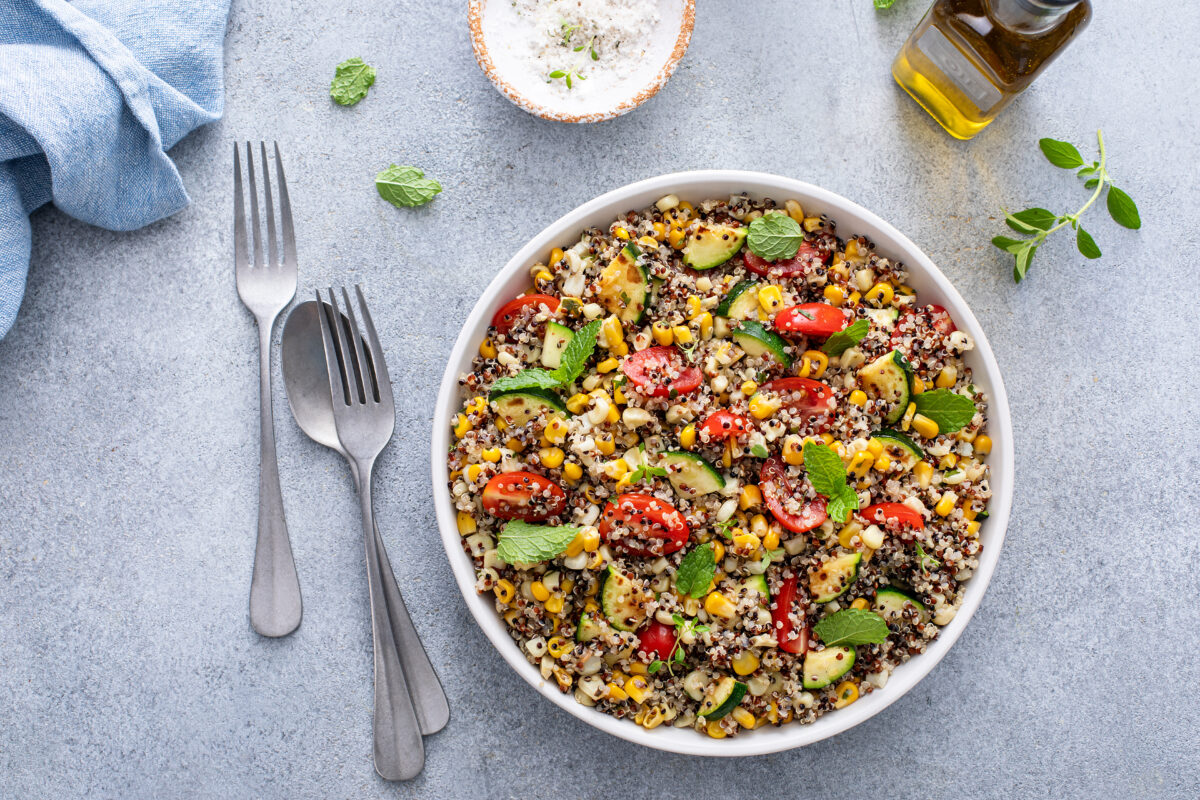
Vegetable substitutions are equally frictionless. Diced cucumbers provide a refreshing, cooling crunch; colorful bell peppers add sweetness and visual contrast; and grilled variations of zucchini and corn introduce a smoky, charred dimension reminiscent of open-flame summer barbecues. For households seeking alternative whole grains, the quinoa can be substituted with farro, bulgur wheat, pearl couscous, or brown rice—though adjustments must be made for those requiring strict gluten-free compliance.
Broader Cultural and Market Implications
The enduring popularity of nutrient-dense grain salads reflects a broader shift in consumer behavior toward health-conscious, plant-forward eating habits. Public health organizations and nutritional advocacy groups have long championed diets rich in whole grains, fresh vegetables, and healthy fats as a primary defense against chronic lifestyle diseases, including obesity, type 2 diabetes, and cardiovascular disorders.
Dishes like the garden veggie quinoa salad bridge the gap between clinical nutritional recommendations and everyday culinary enjoyment. By framing wholesome ingredients through an accessible, flavorful lens, home cooks are empowered to make choices that support long-term wellness without sacrificing gastronomic satisfaction. As agricultural trends continue to prioritize local sourcing, sustainable farming, and functional foods, simple yet sophisticated recipes of this nature are expected to remain staples of modern domestic and commercial kitchens for years to come.