The Ultimate Summer Baking Guide: Mastering the Rustic Strawberry Cherry Galette

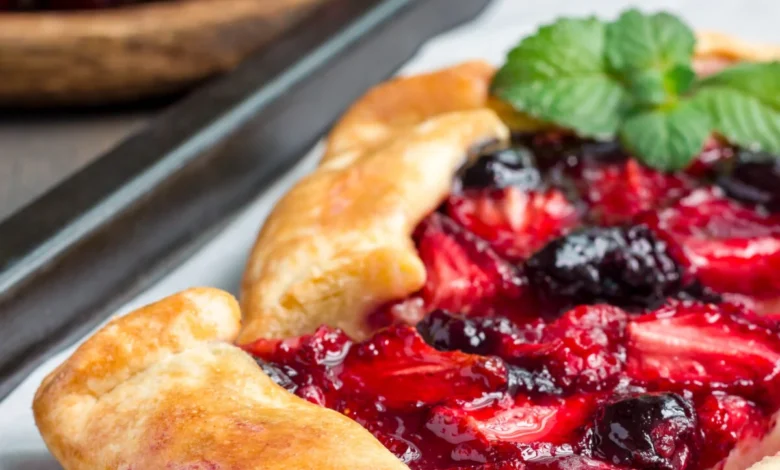
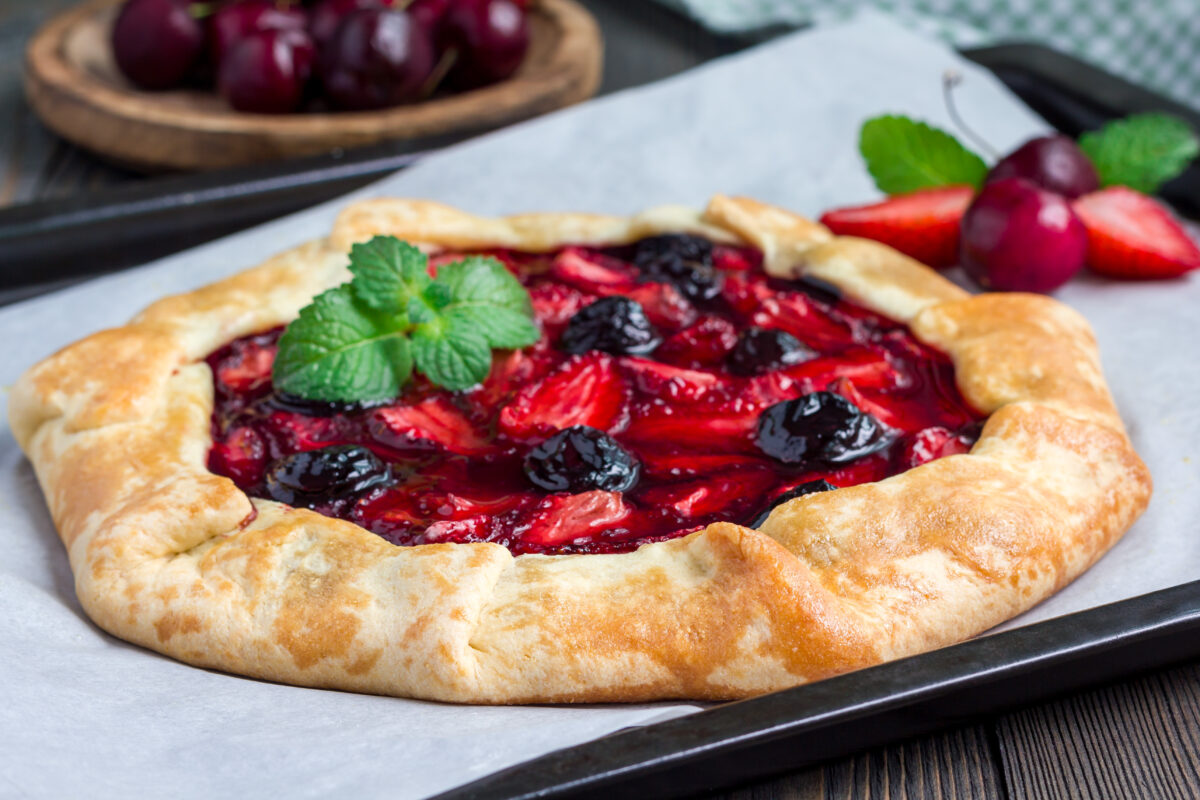
The culinary landscape of the summer season consistently favors effortless yet elegant desserts, positioning the rustic fruit galette at the forefront of contemporary home baking trends. Combining the rich, comforting flavors of a traditional double-crust pie with a streamlined, free-form assembly method, the strawberry cherry galette has emerged as a staple for seasonal entertaining. Culinary experts and home bakers alike have increasingly embraced the pastry for its versatility, aesthetic appeal, and lower barrier to entry compared to standard pie-making techniques.
Understanding the Mechanics of a Galette
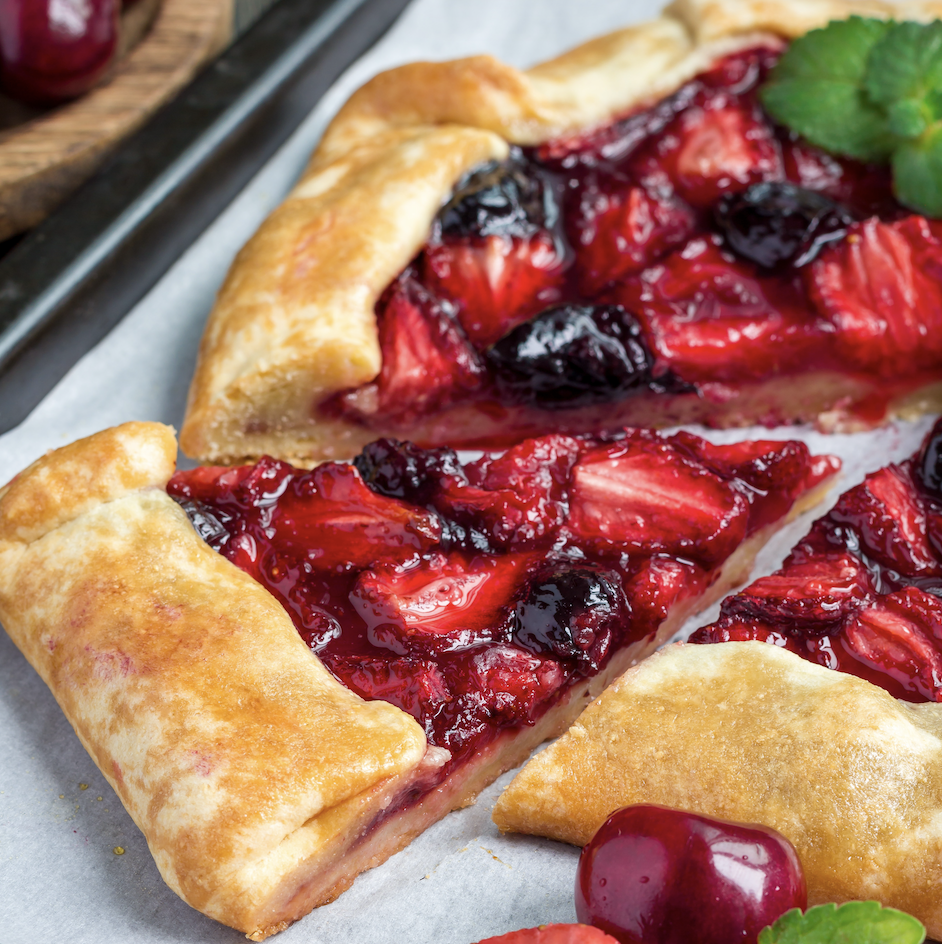
Originating from the French word galette, a term historically used to designate various flat, round crusty cakes or pastries, this baking style relies on simplicity. Unlike a conventional pie that demands meticulous dough placement into a specialized dish, fluted edges, and a decorative top crust, a galette is entirely unpretentious. The preparation involves rolling chilled dough into a flat circle, piling a sweetened fruit mixture into the center, and folding the perimeter inward over the filling. This open-faced design allows moisture to evaporate efficiently during the baking process, transforming fresh summer produce into a concentrated, jammy consistency while achieving a deeply golden, flaky crust.
Culinary Analysis: Flavor Profiles and Ingredient Synergy
The combination of strawberries and cherries capitalizes on the seasonal alignment of early and mid-summer harvests. Strawberries offer a high moisture content and a sweet, mellow flavor profile, whereas cherries contribute structural integrity, a firmer bite, and a tart counterbalance. According to food science principles, pairing these two fruits creates a complex flavor matrix enhanced by citrus zest and vanilla extract, which elevate the natural fruit sugars without masking their inherent acidity.
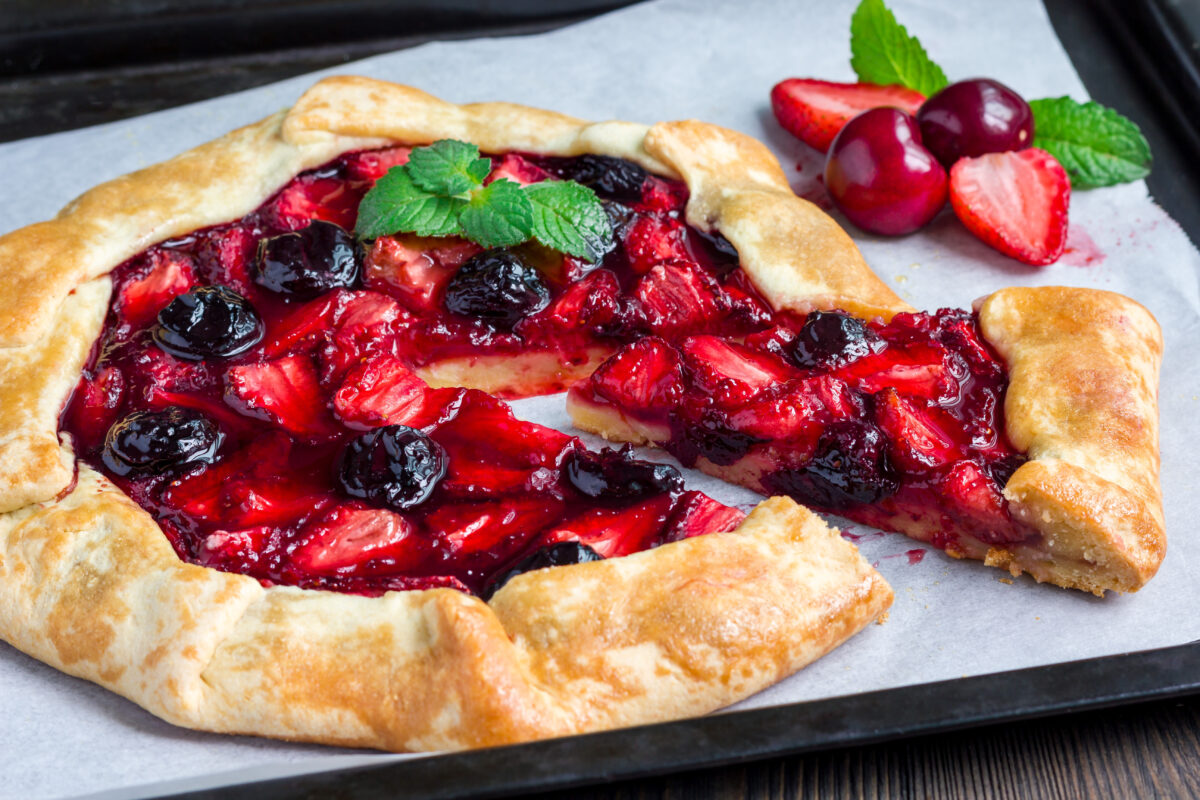
To mitigate the challenge of excess moisture—a common hurdle when baking with stone fruit and berries—professional bakers recommend specific structural interventions. Incorporating thickening agents such as cornstarch is standard practice. Furthermore, dusting the base of the pastry with finely ground almond flour, breadcrumbs, or crushed graham crackers creates an effective moisture barrier, preventing the bottom crust from becoming soggy during the high-heat baking cycle.
Chronology of Preparation and Best Practices
Achieving an optimal textural contrast between a crisp pastry and a tender filling requires adherence to precise temperature controls and timelines.
Preparation and Dough Conditioning (Day One to Day of Baking)
The foundation of a successful galette rests on temperature management. Butter must remain cold during mixing to produce steam pockets that guarantee a flaky crust. Preparing the dough in advance allows the gluten network to relax, minimizing shrinkage in the oven. The dough can be stored in refrigeration for up to three days or frozen for three months.
Assembly and Fruit Management (T-minus 45 Minutes)
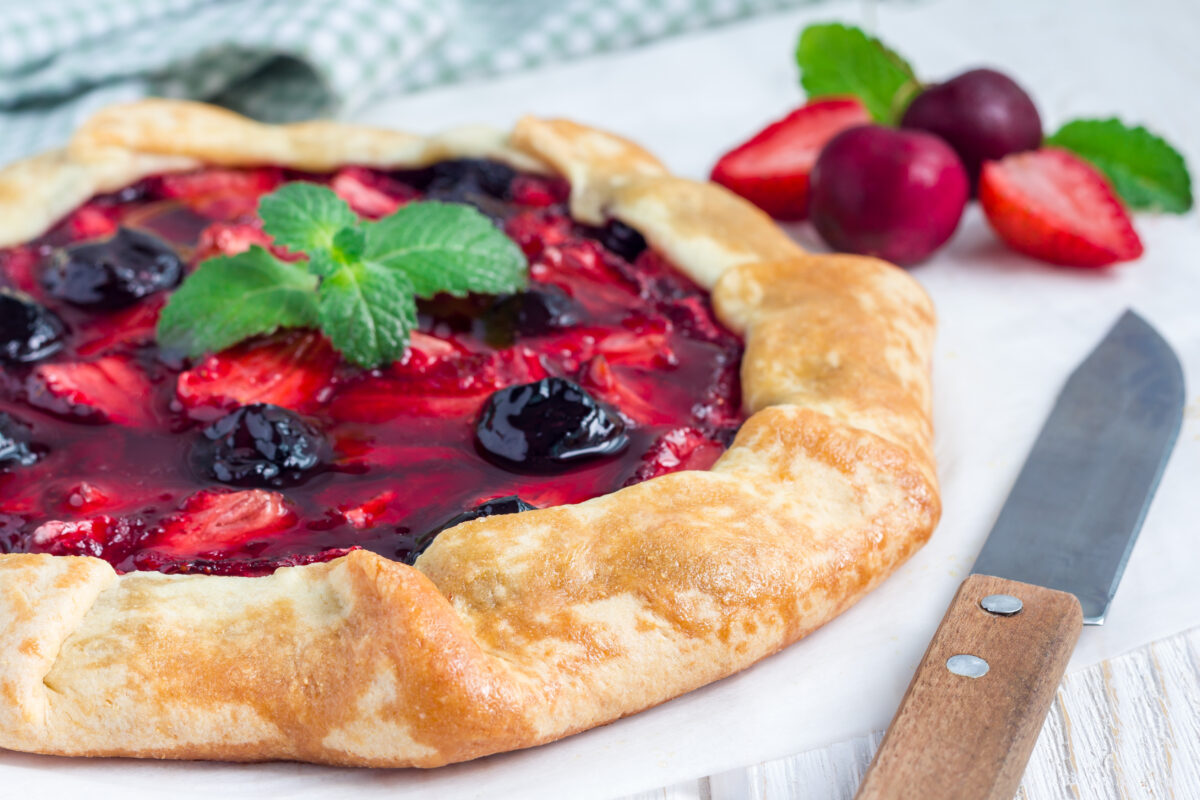
Fresh fruit should be washed, pitted, and sliced shortly before assembly. Tossing the strawberries and cherries with sugar, lemon, and a starch binder immediately prior to placement prevents premature structural breakdown. Bakers are advised to leave a two-inch border of dough to ensure a secure fold that contains the filling as it expands and bubbles.
Baking and Thermal Dynamics (40 Minutes)
Baking should occur on the lower third of a preheated oven, generally between 375°F and 400°F (190°C to 200°C), to direct maximum heat toward the bottom crust. Visual cues rather than strict timers dictate completion: the pastry must display a rich, golden-brown hue, and the fruit juices should exhibit a vigorous bubble.
Adaptability and Nutritional Implications in Seasonal Diets
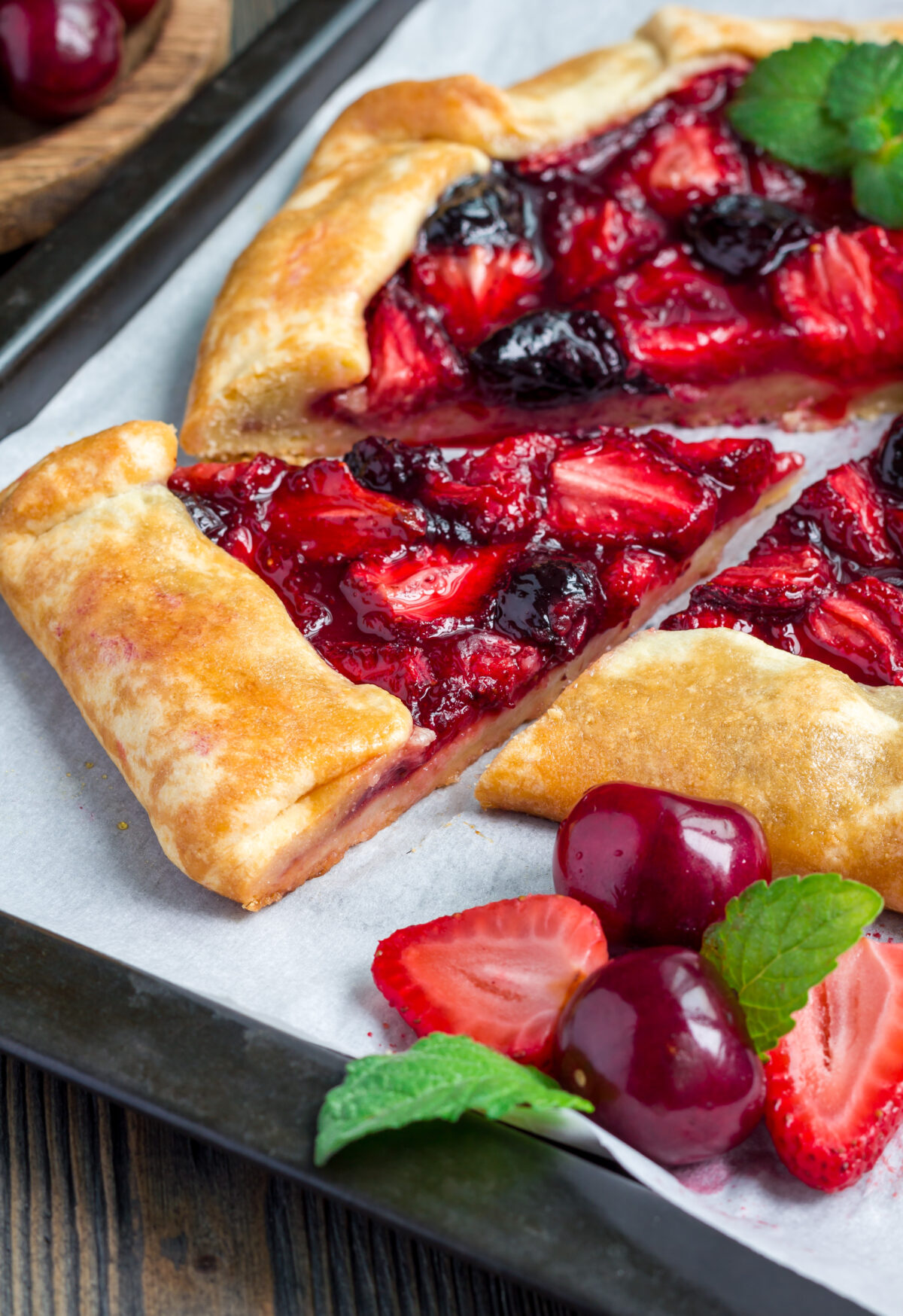
The inherent flexibility of the galette format accommodates various dietary preferences and agricultural availabilities. Culinary variations frequently incorporate alternative drupes, such as diced peaches, or wild berries like blueberries and raspberries, expanding the nutritional profile of the dessert. Dietary adaptations, including the use of plant-based butter substitutes or gluten-free flour blends, yield consistent results without compromising structural integrity.
From a nutritional standpoint, utilizing fresh, locally sourced summer produce introduces essential micronutrients, dietary fiber, and antioxidants into the meal plan. While traditional pastry crusts contain significant fats and carbohydrates, the portion-controlled nature of a free-form galette allows consumers to balance indulgence with dietary mindfulness.
Storage, Freezing, and Economic Impact
The post-baking lifecycle of a galette supports both immediate consumption and long-term storage protocols. Once cooled, the pastry remains stable at room temperature for up to twenty-four hours or under refrigeration for four days. Reheating individual portions in a conventional or toaster oven restores the structural crispness of the crust.
The popularity of recipes utilizing accessible seasonal produce reflects broader economic and consumer trends. With household interest in scratch cooking remaining high, accessible baking projects that utilize fresh, perishable market ingredients help reduce food waste while offering a cost-effective alternative to commercial patisseries. As home cooks continue to prioritize efficiency without sacrificing culinary quality, the strawberry cherry galette remains a definitive seasonal achievement.
Related posts: