Unlocking America’s Wilderness: A Guide to Under-the-Radar National Park Lodges for Families

For countless families dreaming of a national park adventure, the journey often begins with a significant logistical hurdle: where to stay? The romantic ideal of camping frequently collides with the practical realities of young children and unpredictable weather. Conversely, the grand, iconic in-park lodges—such as Yellowstone’s Old Faithful Inn or Yosemite’s Ahwahnee—are notorious for booking out a year or more in advance at premium prices, often creating an insurmountable barrier for many. Gateway towns offer proximity but often lack the immersive connection to the natural environment that defines a true park experience. However, a lesser-known tier of national park accommodations exists, offering a compelling middle ground: historic, character-filled lodges nestled inside or immediately adjacent to parks, providing comfort, convenience, and a genuine sense of place without the exorbitant cost or booking frenzy of their more famous counterparts. These "under-the-radar" properties are crucial for making America’s natural treasures accessible to a broader range of families, fostering deeper engagement with the landscape and its history.
The Perennial Challenge of National Park Lodging
The demand for national park experiences has surged in recent years, with the National Park Service (NPS) recording over 325 million recreation visits in 2023. This increased popularity, while beneficial for park funding and awareness, exacerbates the challenge of securing suitable accommodations. For families, this dilemma is particularly acute. Camping, while an authentic wilderness experience, can be physically demanding, especially with children under eight who require more structured comfort. The logistical complexities of setting up camp, preparing meals, and managing unpredictable elements can detract from the joy of the trip.
On the other end of the spectrum, the crown jewels of park lodging, often referred to as "Parkitecture" masterpieces, offer unparalleled locations and historical grandeur. Properties like El Tovar at the Grand Canyon or Many Glacier Hotel in Glacier National Park are destinations in themselves. However, their limited number of rooms and immense popularity mean that securing a reservation often requires meticulous planning more than a year in advance and a substantial budget, with nightly rates frequently exceeding $500-$800, placing them out of reach for many families. This leaves a significant gap in the market for comfortable, convenient, and reasonably priced lodging that allows families to truly immerse themselves in the park environment.
Discovering the Hidden Gems: Accessible Family Lodges
Fortunately, a diverse collection of historic lodges and resorts offers a solution. These properties, often operated by long-standing concessionaires under contract with the NPS, provide real beds, on-site dining, and family-friendly amenities, frequently at price points ranging from $150 to $400 per night. Many boast rich histories, unique architectural styles, and direct access to trails and park attractions. They often "fly under the radar" because they are overshadowed by a more famous neighbor, located slightly outside the immediate central hub, or require a more adventurous journey to reach. This list highlights twelve such establishments, carefully selected for their family-centric offerings, character, and relative accessibility compared to the top-tier lodges.
Featured Family Havens: A Deep Dive
1. Tenaya at Yosemite, California
- Park: Yosemite National Park
- Location: Fish Camp, California (2 miles from the south entrance)
- Established: Modern resort, continually updated and expanded.
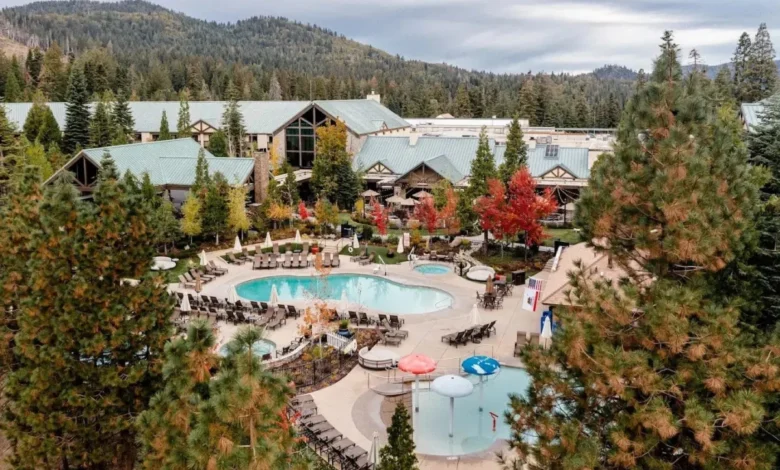
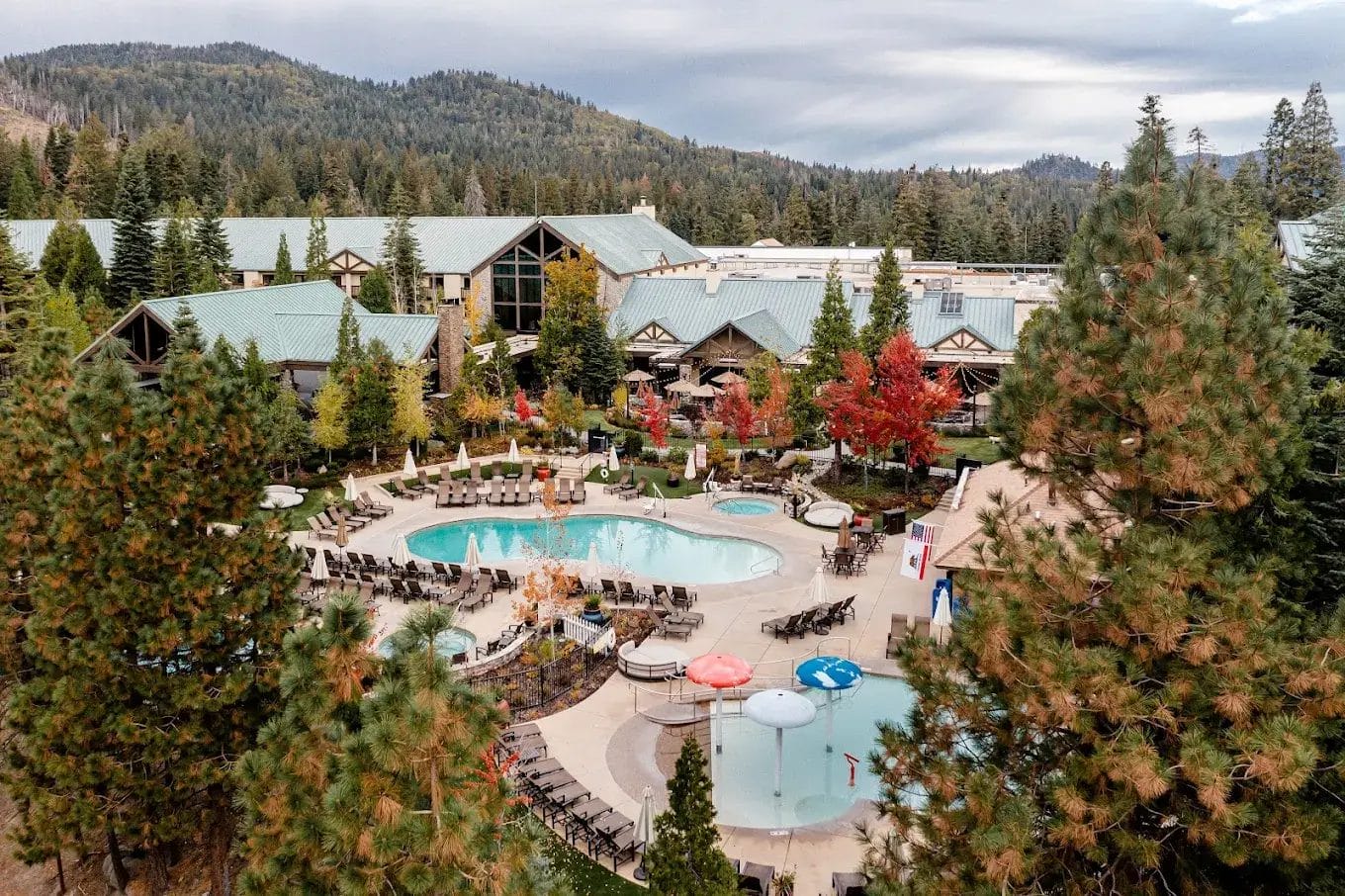
- Family-Centric Amenities: Tenaya strikes an impressive balance between resort comfort and park access. Situated on 48 acres of Sierra Nevada forest, it offers an outdoor pool with mountain views, seasonal kids’ programs (nature scavenger hunts, arts and crafts), s’mores by the fire pit, and even a kid-friendly climbing wall. Winter brings ice skating, while warmer months feature archery and guided stargazing.
- Visitor Experience: While not technically inside the park, its proximity to Yosemite’s South Entrance provides convenient access to iconic spots like the Mariposa Grove of Giant Sequoias and Glacier Point. The blend of comfortable accommodations—ranging from cabins and cottages to lodge rooms, some with kitchenettes—with genuine park proximity means families can enjoy rigorous outdoor activities and return to a comfortable bed and diverse dining options sourced from local farms.
- Pricing & Booking: From $250/night, varying significantly by season. Summer reservations are highly sought after and should be booked months in advance. Tenaya serves as an excellent alternative for families seeking Yosemite access without the intense competition for in-park lodging.
2. Lake Quinault Lodge, Washington

- Park: Olympic National Park / Olympic National Forest
- Location: Quinault, Washington
- Established: 1926
- Historical Significance: This lodge carries a rich legacy, famously hosting President Franklin D. Roosevelt in 1937, an event believed to have influenced his decision to establish Olympic National Park just nine months later. Its grand, rustic architecture evokes a sense of timeless tranquility.
- Family-Centric Amenities: Nestled on the serene shores of Lake Quinault within one of the world’s few temperate rainforests, the lodge feels like a grand summer camp. It features an indoor heated pool (a significant advantage in the often-damp Pacific Northwest climate), a game room with ping-pong and arcade games, and various lawn games. Families can rent canoes and paddleboards for lake exploration, and numerous hiking trails, including the Quinault Rain Forest Loop Drive, begin directly from the property, immersing visitors in a lush, ancient forest ecosystem.
- Visitor Experience: The 91 rooms, spread across six buildings, include Lakeside Rooms designed to accommodate up to six guests, offering more space and privacy. Dining at the Roosevelt Dining Room provides a farm-to-table experience. The unique rainforest environment, with its towering trees and verdant undergrowth, offers a magical experience unlike typical forest settings.
- Pricing & Booking: From $150–$350/night. Spring offers fewer crowds, vibrant greenery, and lower rates. Packing a picnic lunch from the dining room for a day of hiking is a popular recommendation.
3. Skyland Resort, Virginia
- Park: Shenandoah National Park
- Location: Mile marker 41.7 on Skyline Drive, Virginia
- Established: 1888
- Historical Significance: As one of the oldest resort properties on this list, Skyland began as a private resort camp, evolving into a beloved public lodge. Its location along the iconic Skyline Drive makes it a cornerstone of the Shenandoah experience.
- Family-Centric Amenities: Perched at 3,680 feet, Skyland offers breathtaking sunset views over the Shenandoah Valley. Trailheads, including the family-friendly Stony Man Trail (1.6 miles round trip with expansive views), are right at the doorstep. The resort also hosts ranger programs and offers horseback riding.
- Visitor Experience: Comprising 28 buildings scattered along a forested ridge, the resort provides lodge rooms and cabins, with valley-view rooms highly recommended for their unparalleled vistas. Its proximity to Washington, D.C. (approximately an hour’s drive) makes it an exceptionally accessible national park lodge, ideal for shorter family getaways. Fall foliage season transforms the valley into a spectacular canvas of color, offering a front-row seat from the resort.
- Pricing & Booking: From $150–$300/night. Requesting a valley-view room is crucial for maximizing the experience. Skyland is particularly well-suited for families with very young children due to its ease of access.
4. The Lodge at Bryce Canyon, Utah
- Park: Bryce Canyon National Park
- Location: Inside the park, on the canyon rim
- Established: 1925
- Architectural Significance: As the only hotel within Bryce Canyon National Park, this lodge exemplifies early 20th-century park architecture, offering an authentic, rustic-yet-cozy atmosphere.
- Family-Centric Amenities: Guests are mere steps from the canyon rim, offering immediate access to the park’s otherworldly hoodoos—tall, skinny rock spires that captivate children’s imaginations (and are 144 million years old!). The lodge facilitates ranger programs and Junior Ranger activities. Horseback rides directly into the canyon are a highly recommended, memorable experience for families.
- Visitor Experience: The historic cabins, with their gas fireplaces and front porches, are particularly well-suited for families, providing a genuine sense of adventure. The Navajo Loop Trail, a manageable descent into the canyon, is popular with school-aged children. Bryce Canyon is also a designated Dark Sky Park, offering spectacular stargazing opportunities.
- Pricing & Booking: From $175–$350/night. Historic cabins book far in advance for summer. The Western Cabins and lodge suites serve as comfortable alternatives if the historic cabins are unavailable.
5. Belton Chalet, Montana
- Park: Glacier National Park (west entrance)
- Location: West Glacier, Montana
- Established: 1910
- Historical Significance: Built by the Great Northern Railway in the same year Glacier National Park was created, Belton Chalet is one of the foundational lodges designed to welcome early park visitors. Its historic charm rivals the more famous in-park lodges.
- Family-Centric Amenities: Located just outside the west entrance, the chalet offers convenient access to Glacier’s main attractions, including Going-to-the-Sun Road and Lake McDonald. The wraparound porch provides excellent mountain views, perfect for evening relaxation. Its proximity to the Flathead River also allows for easy access to rafting and other lake activities. The rumored presence of a friendly ghost, "Belton Bob," adds a unique, potentially spooky, dimension for older children.
- Visitor Experience: Accommodations include hotel rooms in the main building and private cottages, with the latter offering more space and privacy for families. Amtrak still serves the chalet twice daily, adding to its historic appeal. While situated on a main road, the surrounding woods provide a sense of seclusion.
- Pricing & Booking: From $175–$350/night. The private cottages are the best family option. Belton Chalet is an excellent fallback if in-park lodges are fully booked. Late June through September offers the best weather and full access to the Going-to-the-Sun Road.
6. Kennicott Glacier Lodge, Alaska
- Park: Wrangell-St. Elias National Park & Preserve
- Location: Kennicott, Alaska
- Season: Late May through mid-September
- Unique Access & Context: This lodge offers a genuine frontier adventure within Wrangell-St. Elias, the largest national park in the U.S. (six times the size of Yellowstone). It’s located in Kennicott, Alaska’s largest ghost town, which is the well-preserved remains of a historic copper mining operation. Access requires a 60-mile drive on a gravel road from Chitina, making the journey an adventure in itself.
- Family-Centric Amenities: The family-owned and operated lodge provides unparalleled access to glacier hiking (the 3-mile round-trip Glacier Trail to Root Glacier allows walking directly onto a glacier), ghost town exploration (a National Historic Landmark), and abundant wildlife viewing opportunities. The main lodge boasts a 190-foot porch with panoramic glacier views.
- Visitor Experience: Kennicott Glacier Lodge is not a polished resort but rather a remote, rugged, and quintessentially Alaskan experience. Lodge rooms offer glacier views, with options for shared or private bathrooms. It’s best suited for families with older children (8+) who are eager for a true wilderness immersion. The long Alaskan summer daylight allows for extended outdoor activities.
- Pricing & Booking: From $250–$400/night. This experience is designed for self-sufficient families seeking an authentic, off-grid adventure.
7. Bright Angel Lodge, Arizona

- Park: Grand Canyon National Park (South Rim)
- Location: Grand Canyon Village, Arizona
- Established: 1935
- Architectural Significance: Designed by the legendary architect Mary Colter, Bright Angel Lodge embodies a rustic yet elegant style, offering a more accessible alternative to its famous neighbor, El Tovar. It sits directly on the canyon rim.
- Family-Centric Amenities: The lodge is ideally positioned steps from the Bright Angel Trailhead, one of the most popular and family-friendly trails into the canyon. Mule rides, ranger programs, and access to the park’s shuttle system are all within easy reach. Some historic cabins feature fireplaces and offer direct canyon views, providing a sense of private solitude.
- Visitor Experience: For families seeking an immersive Grand Canyon experience without the ultra-premium pricing or booking difficulty of El Tovar, Bright Angel is an excellent choice. It offers diverse room types, including lodge rooms and historic cabins. The accessibility to core park activities makes it highly convenient for families.
- Pricing & Booking: From $125–$350/night. The Buckey O’Neill Cabin, a freestanding cabin from the 1890s on the rim, is highly coveted but worth checking for cancellations. Standard historic cabins are charming and more readily available.
8. The Lodge at Mammoth Cave, Kentucky
- Park: Mammoth Cave National Park
- Location: Mammoth Cave, Kentucky
- Family-Centric Amenities: This lodge is strategically located within walking distance of the visitor center, making cave tours—the primary attraction—exceptionally convenient. The park offers a variety of cave tours, from easy, flat walks suitable for younger children to more adventurous crawling and climbing routes for older kids and teens. Above ground, families can enjoy hiking through the hardwood forests, kayaking on the Green River, and participate in one of the park system’s best Junior Ranger programs.
- Visitor Experience: As potentially the most affordable lodge on this list, it provides excellent value. While some rooms are simpler, the recently opened family cabins are spacious and stylish. Mammoth Cave is the world’s longest known cave system, with over 420 miles mapped, offering a unique geological learning experience.
- Pricing & Booking: From $100–$200/night. Cave tour reservations are separate and must be booked through Recreation.gov, often selling out in summer. The woodland cottages are the preferred family option for their space and front porches.
9. Volcano House, Hawaiʻi
- Park: Hawaiʻi Volcanoes National Park
- Location: Volcano, Big Island of Hawaiʻi
- Established: Original structure 1846; current building 1941
- Unique Feature: Volcano House is the only hotel in the national park system where guests can dine while looking out at an active volcano. Its location directly on the rim of Kīlauea’s caldera provides genuinely surreal views, especially at night when the volcanic glow is visible.
- Family-Centric Amenities: For children fascinated by science, geology, or dramatic natural phenomena, this is an unparalleled experience. The Crater Rim Trail begins at the hotel, and the Thurston Lava Tube, a natural tunnel formed by flowing lava, is a short drive away. The park also offers various ranger programs.
- Visitor Experience: Crater-view rooms offer the most spectacular experience. The entire park possesses an otherworldly quality, distinct from any other national park. The Big Island requires at least two nights to explore the park properly.
- Pricing & Booking: From $250–$450/night. Requesting a crater-view room is highly recommended for the full immersive experience.
10. Ross Lake Resort, Washington
- Park: North Cascades National Park Complex (Ross Lake National Recreation Area)
- Location: Ross Lake, Washington
- Established: 1952
- Unique Access: Ross Lake Resort offers one of the most unique lodging experiences in the NPS: 15 floating cabins on a pristine turquoise mountain lake. There is no direct road access; guests arrive via a combination of a truck portage and a small boat, an adventure in itself.
- Family-Centric Amenities: Once at the resort, families live directly on the water, surrounded by dramatic mountains and lush forests. The cabins, ranging from one to three bedrooms, all feature full kitchens, requiring guests to bring and prepare their own food. Activities include kayaking, canoeing, fishing, and hiking into the pristine backcountry of the North Cascades.
- Visitor Experience: This is an off-grid experience, devoid of traditional resort services like a restaurant or concierge. It caters to self-sufficient families seeking an immersive wilderness experience without the rigors of tent camping. The larger cabins are ideal for multi-family trips.
- Pricing & Booking: From $225–$500/night. Reservations open in the fall for the following season and sell out almost immediately. Setting a calendar reminder and booking promptly is essential.
11. The Inn at Death Valley, California
- Park: Death Valley National Park
- Location: Furnace Creek, California
- Established: 1927 (formerly the Furnace Creek Inn)
- Historical Significance: Built by the Pacific Coast Borax Company to attract tourists to its railway line, the Inn at Death Valley transformed the perception of this extreme landscape into a luxury destination. It was recently renovated, blending historic charm with modern comfort.
- Family-Centric Amenities: Despite its forbidding name, Death Valley is a fascinating park, and the Inn allows families to enjoy it in comfort. It features a spring-fed swimming pool, a verdant palm garden, and an observation deck perfect for stargazing in one of the darkest night skies in North America. Nearby attractions include Badwater Basin (the lowest point in North America) and Zabriskie Point.
- Visitor Experience: Death Valley offers a living science lesson for children, with its unique salt flats, vast sand dunes, and volcanic craters. The key is timing: visits should be planned for late fall, winter, or early spring when temperatures are pleasant (highs in the 60s-80s F). Summer temperatures often exceed 120°F and are genuinely dangerous for outdoor activity.
- Pricing & Booking: From $300–$700/night, with peak season from fall through spring. The casitas and pool bungalows offer more space and privacy for families. Stargazing from the deck is a mandatory evening activity.
Strategic Planning for National Park Stays: Essential Tips for Families

Securing accommodations at these unique lodges requires strategic planning, but it is far more achievable than booking the "Grand Dame" properties. Understanding the system and being proactive are key.
-
Book Early, Understand the Timeline: Most national park lodges, including these "under-the-radar" options, open reservations 11-13 months in advance. While they may not sell out in hours like the most famous lodges, popular summer dates, especially for properties like Bryce Canyon and Ross Lake, are highly competitive. Setting calendar reminders for opening dates and being ready to book immediately is crucial. Winter and shoulder seasons (spring and fall) offer more flexibility.
-
Know Who Operates the Lodge: A common misconception is that all park lodging is booked directly through the National Park Service (NPS) or Recreation.gov. In reality, most lodges are operated by private concessionaires such as Xanterra, Aramark, or Delaware North. Bookings are made through their respective websites, not the official NPS portal. However, campgrounds, backcountry permits, and specific activities like cave tours at Mammoth Cave are often booked through Recreation.gov, creating a "two-system" booking landscape that visitors must navigate.
-
Consider Shoulder Seasons: Spring (April-May) and Fall (September-November) are often the "secret weapons" of national park travel. During these periods, lodging rates are typically lower, crowds are significantly thinner, and the scenery can be even more spectacular—think wildflowers in spring, vibrant fall foliage, or perfectly mild temperatures in desert parks. Shenandoah in October, Death Valley in November, and Bryce Canyon in May offer extraordinary experiences with added comfort and fewer logistical challenges.
-
Don’t Overlook "Just Outside the Park" Lodges: Several lodges on this list, such as Tenaya at Yosemite, Belton Chalet at Glacier, and Kennicott Glacier Lodge, are technically situated just outside the park boundary. However, their functional proximity to key trailheads, visitor centers, and attractions often makes them as convenient, or even more so, than some in-park options. The designation "inside the park" does not always equate to "closer to the good stuff" or superior value. Always check actual driving distances to your planned activities.

-
Have a Backup Plan: Even with meticulous planning, preferred lodges can be fully booked. Regularly checking for cancellations, particularly as trip dates approach, can yield unexpected opportunities. Many concessionaires have flexible cancellation policies, with fees only applying within 48-72 hours of check-in, leading to last-minute openings. Exploring nearby Forest Service cabins or smaller, privately run lodges in gateway communities can also provide excellent, often more rustic, alternatives.
Broader Implications and The Future of Park Access
The availability of these family-friendly, character-rich lodges plays a vital role in broadening access to America’s national parks. By offering comfortable and relatively affordable options, they enable families from diverse backgrounds to experience the immersive beauty and educational opportunities that the parks provide. This not only enhances individual family memories but also contributes to the long-term stewardship of these protected lands by fostering a new generation of conservationists. Furthermore, these lodges often support local economies through employment and procurement, strengthening the symbiotic relationship between park and community. They represent a sustainable model for tourism, balancing visitor needs with the imperative to preserve these invaluable natural and cultural resources for future generations.
In essence, these 12 lodges demonstrate that a national park family vacation doesn’t have to be a choice between rugged camping and unattainable luxury. From a fireplace cabin on the rim of Bryce Canyon to a floating cabin on a remote mountain lake or a historic rainforest lodge where a president once dined, these accommodations transform a day trip into a deeply enriching, multi-day experience. They offer the profound benefit of waking up "already there," with the park’s wonders literally at your doorstep, turning an ordinary family vacation into an extraordinary adventure.
Related posts: