Netflix’s ‘Adolescence’ Spurs Critical Dialogue on Youth Vulnerability to Online Extremism and Toxic Ideologies

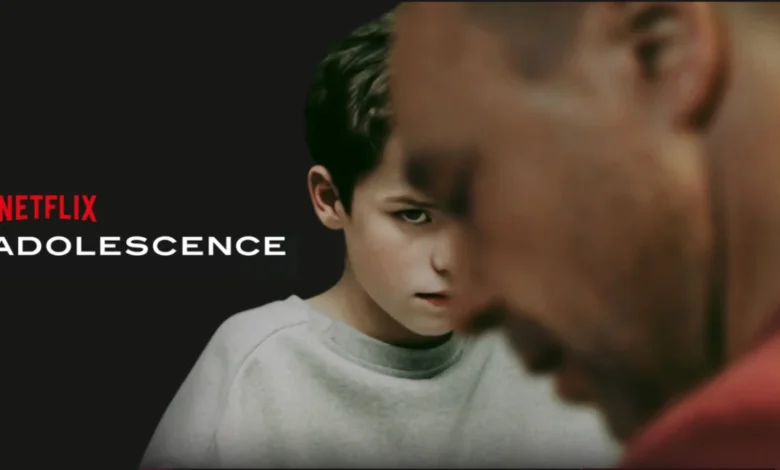
The four-part British miniseries Adolescence on Netflix has emerged as a potent cultural touchstone, transcending its role as mere entertainment to become a stark wake-up call for parents, educators, and policymakers globally. The series meticulously chronicles the descent of Jamie, a quiet 13-year-old boy, into toxic online spaces, culminating in his arrest for the murder of a classmate. While the narrative is a fictionalized account, its power lies in its unflinching portrayal of the insidious ways digital environments can prey on adolescent insecurities, validating confusion and channeling it towards destructive ends. The show’s intense, real-time filming style, with each episode unfolding as a continuous take, amplifies the emotional tension, making the viewer a reluctant participant in Jamie’s unraveling. This cinematic choice underscores the urgency and immediacy of the issues it addresses, resonating deeply with concerns about youth mental health, online radicalization, and the pervasive influence of digital culture.
The Narrative Power of ‘Adolescence’ and its British Context
Adolescence centers on the arrest of Jamie Miller and subsequently peels back layers of his life, revealing a working-class family grappling with unspoken tensions. Jamie’s struggles with identity and belonging are meticulously explored, highlighting how a seemingly innocuous artistic inclination is overlooked by his father, who instead pushes him towards traditional, often aggressive, masculine pursuits like football and boxing. This parental disconnect creates a void that is quickly filled by online communities offering validation, albeit a dangerous and distorted version. The series, set against a contemporary British backdrop, subtly integrates the socio-economic pressures and cultural norms that can exacerbate feelings of isolation and inadequacy among young people. Its critical acclaim stems not only from its compelling storytelling and innovative production but also from its courage to tackle uncomfortable truths about modern parenting and the digital landscape children inhabit. The show has sparked widespread discussions across the UK and beyond, prompting a re-evaluation of how society protects its most vulnerable members from the increasingly sophisticated tactics of online manipulators.
Unpacking the Digital Undercurrents: Toxic Masculinity and Its Roots
One of the central themes Adolescence bravely confronts is the pervasive nature of toxic masculinity. This concept, distinct from healthy masculinity, refers to a set of cultural norms that pressure men and boys to suppress emotions, assert dominance, and adhere to rigid ideals of strength, aggression, and self-reliance. It often dictates that vulnerability, empathy, or interests deemed "feminine" are weaknesses to be avoided. Jamie’s father, for instance, embodies this by prioritizing physical toughness and sporting prowess over his son’s artistic talents, responding to Jamie’s underperformance with embarrassment rather than understanding. This constant invalidation sends a powerful message: "You’re not enough as you are."
Research from organizations like the American Psychological Association (APA) highlights the detrimental effects of adherence to traditional masculinity ideology, linking it to higher rates of aggression, violence, and mental health issues such as depression and anxiety among boys and men, who are often less likely to seek professional help due to perceived societal expectations. A 2023 study published in Psychology of Men & Masculinities indicated that young men exposed to more rigid masculine norms reported lower levels of emotional intelligence and higher levels of social isolation. When boys are deprived of healthy emotional outlets, anger often becomes the default, or emotions are bottled up, leading to internal distress or explosive external reactions. Adolescence powerfully illustrates how these early messages contribute to emotional stuntedness, making young boys particularly susceptible to external influences that promise power and belonging in exchange for conformity to harmful ideals.
The Rise of Incel Culture and Redpill Ideology Online
Adolescence delves into the chilling reality of incel culture, a phenomenon that has metastasized across the internet from obscure forums to more accessible platforms. "Incel," short for "involuntary celibate," describes individuals, primarily men, who feel unable to find romantic or sexual partners despite desiring them, often leading to profound feelings of rejection and anger. However, incel culture extends far beyond personal frustration. It has evolved into a dangerous online subculture that blames women (often referred to as "femoids" or "Stacys"), feminism, and broader societal structures for men’s perceived struggles.
This ideology is often intertwined with "redpill" philosophy, a term borrowed from The Matrix and used to signify an awakening to a supposed "truth" about gender relations, often asserting that society is structured to disadvantage men and empower women. Redpill content frequently promotes misogynistic views, advocating for male dominance and the manipulation of women. Common tenets include the belief that women are inherently shallow, only attracted to a small percentage of "alpha" males (the "80/20 rule," which posits that 80% of women are only attracted to 20% of men), and that men must reclaim their "natural" dominance.
The progression of incel and redpill ideology can be traced from early 2000s forums like LoveShy and PUAhate, through Reddit communities (many of which have since been banned), to contemporary platforms like YouTube, TikTok, and Discord. The algorithm-driven nature of these platforms means that once a vulnerable teen begins engaging with such content, they are quickly funneled into an echo chamber of increasingly extreme videos and discussions. This is particularly dangerous because it often begins with genuine pain—loneliness, rejection, shame—and then twists these emotions into blame, directing anger outwards rather than fostering self-reflection or healthy coping mechanisms. The FBI, for instance, has acknowledged the growing threat of violence from incel extremists, noting several high-profile attacks motivated by incel ideology. A 2022 report by the Anti-Defamation League found that 40% of young men aged 18-30 reported exposure to incel or redpill content online, indicating its alarmingly wide reach.
The Influence of ‘Alpha Male’ Personalities and Misogynistic Content
The appeal of figures like Andrew Tate, Sneako, and various self-proclaimed "alpha" coaches showcased in Adolescence and real-world online spaces cannot be understated. These influencers offer a potent cocktail of perceived solutions to disaffected young men: a sense of belonging, simplistic explanations for complex problems, and a blueprint for achieving power and status. Tate, in particular, built a massive following by projecting an image of wealth, assertiveness, and unapologetic masculinity. His controversial, often misogynistic, pronouncements resonate with young boys who feel powerless, offering them a narrative where they can reclaim control by adhering to his dictates.
These influencers often package harmful messages—such as viewing women as commodities, advocating for emotional suppression, or dismissing mental health concerns—in ways that appear "cool," "funny," or "rebellious." Their content frequently blends genuine advice on fitness, finance, and confidence with deeply problematic views on gender roles and relationships. Before his bans from major platforms, Andrew Tate amassed billions of views on TikTok and millions of subscribers on YouTube, demonstrating the immense reach of these figures. While platform bans have reduced their visibility, their content continues to circulate through alternative channels, encrypted messaging apps, and by followers who actively re-upload and disseminate it.
Experts in online safety and radicalization, such as those from the Institute for Strategic Dialogue (ISD), warn that these influencers capitalize on adolescent vulnerabilities, offering a sense of community and validation that might be lacking offline. They provide readily available answers to complex emotional challenges, often leading young followers down a path of anger, misogyny, and emotional disconnection. Educational institutions and parental advocacy groups have increasingly called for greater accountability from social media companies in regulating such content, highlighting the critical role platforms play in either amplifying or mitigating these harmful narratives.
Decoding the Digital Language: Terms and Hidden Signals
The digital world, as depicted in Adolescence, operates with its own lexicon and coded signals, making it challenging for adults to understand the full scope of their children’s online interactions. Terms like "Finsta" (fake Instagram) are illustrative of this hidden digital life. A Finsta is a private, often anonymous Instagram account that teens use to share unfiltered content, memes, personal thoughts, or riskier material with a select group of close friends, specifically excluding parents or other authority figures. While not inherently malicious, Finstas are frequently used to conceal behaviors or avoid consequences, creating a curated public image on one account while expressing a completely different persona on another.
Beyond Finstas, online subcultures associated with incel and redpill ideologies employ a host of specific terms and emoji codes. These include derogatory labels for women, acronyms for specific beliefs, and visual cues that signify adherence to the group’s worldview. For instance, certain emojis might be used ironically to express misogyny, or specific combinations of symbols might indicate membership in a particular online community. This coded communication allows participants to operate under the radar of moderation and parental oversight, fostering a sense of exclusivity and shared identity among members.
The challenge for parents is not to become fluent in every single online slang term but to understand the underlying motivations for their use. These codes are a symptom of a desire for belonging, privacy, and sometimes, rebellion. Instead of confronting children with demands for access, experts recommend fostering an environment of curiosity and open dialogue. Asking questions like, "Do your friends have private accounts? What kind of stuff do they post there?" can open doors to meaningful conversations, helping parents gain insight into their child’s digital world without immediately invoking defensiveness. Understanding these hidden digital layers is crucial for parents attempting to bridge the gap between their children’s online and offline lives.
Identifying Warning Signs: Behavioral Shifts in Adolescents
Recognizing the subtle shifts in adolescent behavior that might signal exposure to harmful online content is paramount for parents. These indicators are not definitive proof of radicalization but rather red flags that warrant closer attention and open communication.
For boys, common signs include:
- Increased aggression or irritability: A noticeable change in temperament, with anger becoming a more frequent or intense emotional response.
- Misogynistic language: The adoption of derogatory terms for women, dismissive attitudes towards female peers, or the expression of overtly sexist views.
- Withdrawal from previous interests: A sudden disinterest in hobbies, friends, or activities they once enjoyed, coupled with increased isolation.
- Obsession with "self-improvement" through toxic lenses: A focus on physical dominance, wealth accumulation, or social status as the sole measures of worth, often accompanied by disdain for emotional vulnerability.
- Secretive online behavior: Guardedness about screen time, hiding devices, or using multiple accounts.
- Adoption of extreme political or social views: Expressing black-and-white thinking, conspiratorial theories, or a strong sense of grievance against specific groups.
For girls, online pressures often manifest differently, including:
- Excessive focus on appearance and seeking validation: An unhealthy preoccupation with body image, social media likes, or external approval.
- Emotional suppression: A tendency to shut down feelings, appear stoic, or dismiss their own emotional needs.
- Engaging in online bullying or self-objectification: Participating in harmful social dynamics or presenting themselves in ways that align with objectifying standards.
- Increased anxiety or depression: Signs of mental health distress, often exacerbated by the relentless pressures of online comparison and social media performance.
- Withdrawal from family activities: Spending more time alone in their room, particularly with devices.
Child psychologists emphasize that these signs should be viewed within the broader context of adolescent development. While some behaviors are typical of teenage rebellion, a cluster of these indicators, especially if they represent a significant departure from a child’s usual personality, warrants concern. Parents are encouraged to approach these observations with empathy and a desire to understand, rather than immediate accusation, fostering an environment where children feel safe to confide their struggles.
Proactive Parenting in the Digital Age: Strategies for Resilience
In a world saturated with digital influences, proactive parenting becomes an essential defense against toxic online ideologies. The key is to cultivate an environment of emotional safety and open communication, building resilience from within.
-
Support Authentic Identity, Not Expected Roles: Celebrating a child’s genuine interests—whether art, robotics, or baking—is crucial. When parents validate who their child is rather than imposing an ideal of who they should be, they foster a strong sense of self-worth. Messages like, "I love seeing you light up when you’re creating," affirm their value. This unconditional acceptance builds emotional safety, which is the bedrock of long-term resilience, allowing children to be secure enough to resist external pressures to conform to harmful stereotypes.
-
Validate All Emotions, Especially in Boys: Boys are often socialized to suppress emotions, leading to bottling them up or expressing them through anger. Parents must actively counter this narrative by helping boys name and process their feelings. Tools like a "Feelings Wheel" can build emotional vocabulary. Statements such as, "You seem frustrated/angry – want to talk about it or take space?" normalize emotional expression and provide healthy coping mechanisms. This teaches children that all emotions are valid and manageable, cultivating true emotional strength.
-
Lean In When They Pull Away: When adolescents act out or withdraw, it’s often a signal of distress, not defiance. Instead of accusatory questions like, "What’s wrong with you?", empathetic approaches are more effective. "Hey, I’ve noticed you’ve been quiet lately. I’m here when you’re ready," or "You don’t have to talk right now, but I want you to know you’re not alone in this." This non-judgmental stance creates a safe space, encouraging children to open up when they feel understood and supported, not interrogated.
-
What We Don’t Heal, We Pass On: Acknowledging and addressing one’s own emotional patterns and unresolved issues is a powerful act of parenting. Children are highly attuned to parental emotional states and coping mechanisms. By engaging in personal healing, parents model healthy self-awareness and emotional regulation, breaking cycles of unaddressed trauma or dysfunctional communication. This self-work is one of the most profound gifts parents can give their children, equipping them with a healthier emotional legacy.
-
No Devices in Bedrooms Overnight – Full Stop: This seemingly strict boundary is a critical safeguard for adolescent mental health and safety. The scenario depicted in Adolescence, where Jamie has unsupervised access to his laptop all night, directly illustrates the dangers. Unrestricted nocturnal device use is linked to sleep deprivation, increased exposure to harmful content, cyberbullying, and heightened anxiety. While children may resist this rule, parents must embrace their role as "the bad guy." Charging devices in a shared family space after a set time protects children from online dangers they are not equipped to navigate alone, ensuring better sleep, fostering mental well-being, and creating a necessary boundary in their digital lives.
Broader Implications and the Path Forward
Adolescence serves as a poignant reminder that while love is foundational, it is often insufficient in navigating the complexities of the digital age. Our children require a robust toolkit of emotional intelligence, critical thinking, and a secure sense of self. The series underscores the urgent need for a multi-pronged approach involving parents, educators, tech companies, and policymakers. Tech platforms bear a significant responsibility to implement more effective content moderation, algorithmic transparency, and age verification to protect vulnerable users from radicalizing content. Educational institutions must integrate digital literacy and emotional intelligence programs into their curricula, equipping young people with the skills to critically evaluate online information and manage their digital interactions.
Ultimately, the long-term goal is to raise resilient, emotionally intelligent individuals capable of discerning truth from manipulation and navigating the intricate digital landscape with integrity. This involves fostering a home environment where children feel safe enough to be themselves, even amidst immense external pressure. Parents don’t need to have all the answers, but they must commit to continuous learning, open dialogue, and making small, consistent shifts in their approach. By prioritizing genuine connection, validating emotions, and setting firm but empathetic boundaries, parents can empower their children with a strong sense of identity, the language to articulate their feelings, and the unwavering security of knowing they are loved for who they truly are. This foundation is the strongest defense against the forces that seek to pull them off course.
Related posts: