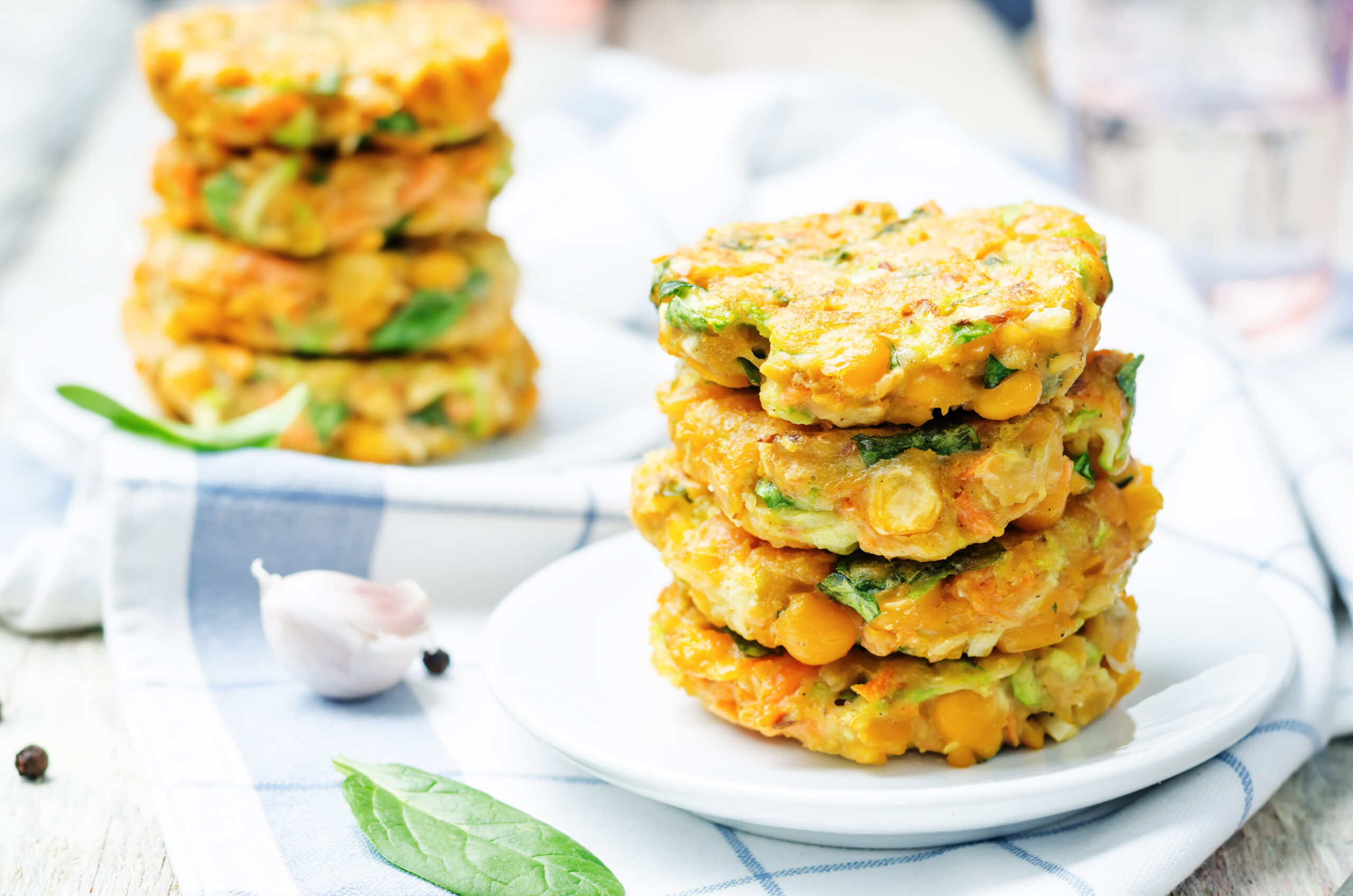
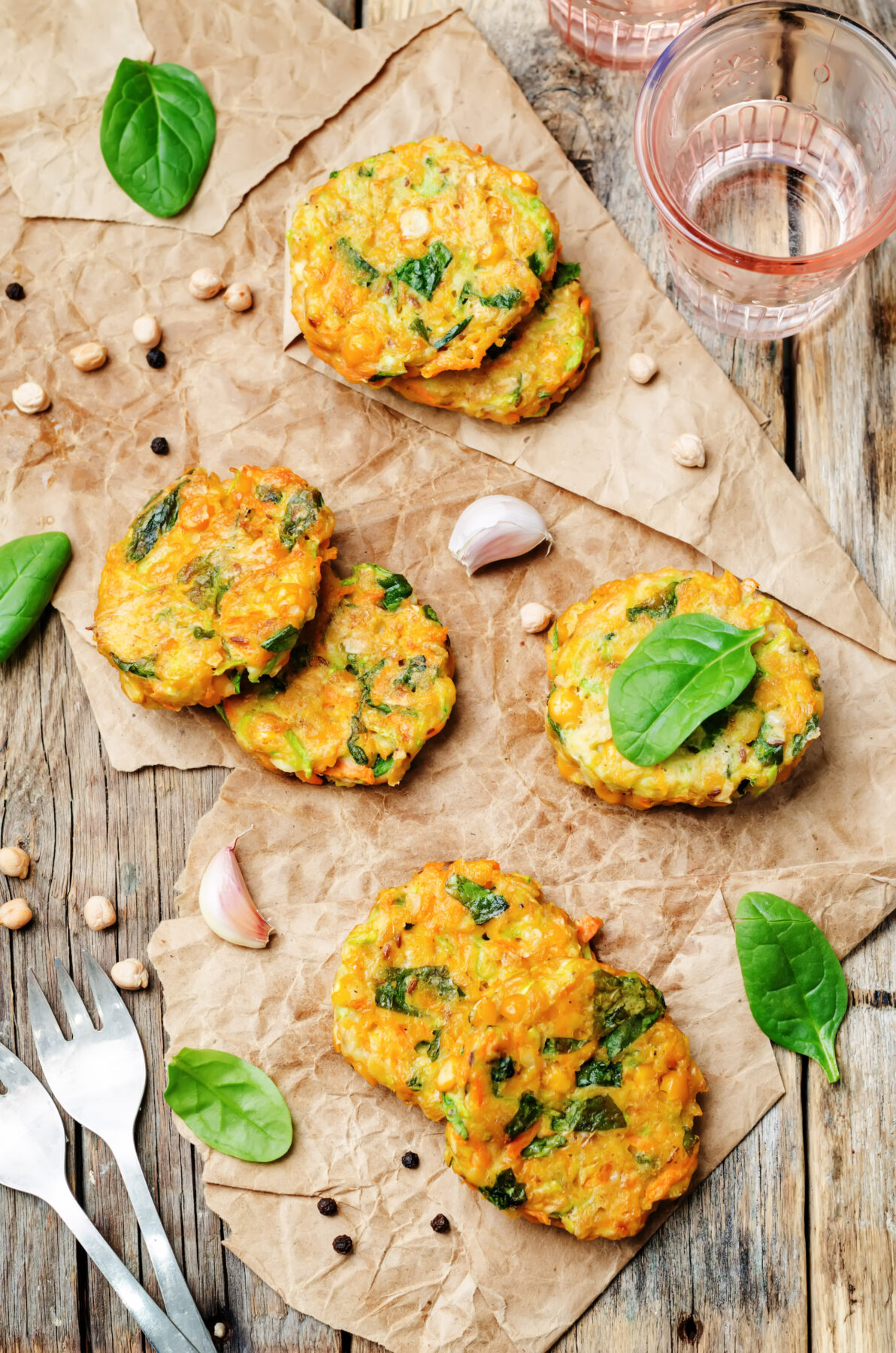
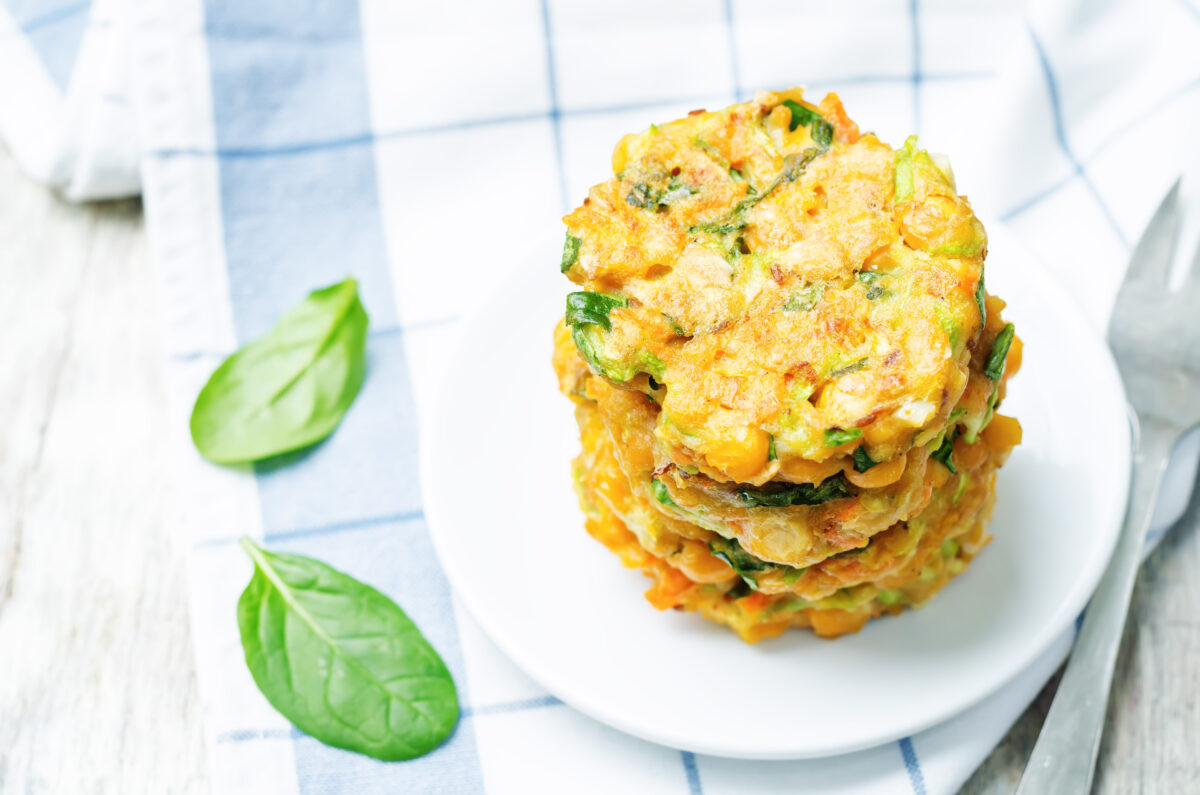
These Chickpea Veggie Patties are a simple, healthy, and delicious plant-based meal packed with vegetables, herbs, and protein-rich chickpeas.


The culinary landscape is increasingly embracing plant-based alternatives, driven by growing consumer interest in health, sustainability, and ethical food choices. Within this burgeoning market, versatile and accessible recipes are gaining traction, offering nutritious and satisfying options for individuals and families alike. One such innovation making waves in home kitchens is the chickpea veggie patty. These patties, lauded for their simplicity, health benefits, and delicious flavor profile, are emerging as a staple for weeknight dinners, meal preparation, and as a cornerstone for "Meatless Mondays."
At their core, these chickpea veggie patties are a testament to the power of whole foods. The primary ingredient, chickpeas, are a nutritional powerhouse. According to the U.S. Department of Agriculture, chickpeas are an excellent source of plant-based protein, dietary fiber, folate, and iron, all crucial components for a balanced diet. Their inclusion not only provides a satisfying texture but also contributes significantly to the patty’s nutritional density.
The recipe’s appeal is further amplified by its incorporation of a medley of fresh vegetables and aromatic herbs. Finely shredded carrots and zucchini lend moisture and subtle sweetness, while fresh basil and garlic infuse the patties with a vibrant, yet mild, herbaceous flavor. This carefully curated combination ensures that the patties are packed with flavor without being overpowering, making them particularly suitable for palates that may be sensitive to strong tastes, including those of children. This family-friendly attribute is a key factor in their growing popularity.
The versatility of these chickpea veggie patties is another significant draw. They can be seamlessly integrated into a variety of meal formats. Served on traditional burger buns, they offer a classic and familiar dining experience. Alternatively, they can be crumbled into wraps, adding a protein and vegetable boost to a quick lunch or on-the-go meal. For those seeking lighter options, they can be served atop a bed of fresh salad greens, transforming a simple salad into a hearty and complete meal. This adaptability caters to diverse dietary preferences and mealtime needs, solidifying their position as a go-to option.
The Nutritional and Practical Advantages
The rise of plant-based eating is not merely a trend; it is a significant shift in dietary patterns with demonstrable health and environmental implications. The World Health Organization has highlighted the benefits of diets rich in fruits, vegetables, and legumes, linking them to reduced risks of chronic diseases such as heart disease, stroke, type 2 diabetes, and certain types of cancer. Chickpea veggie patties align perfectly with these recommendations, offering a concentrated source of nutrients often found in more processed or less healthy alternatives.
Beyond their nutritional merits, the practical advantages of these patties are substantial for busy households. Their preparation is straightforward, often requiring minimal cooking skills. The core ingredients are readily available and relatively inexpensive, making them an economically viable option for regular consumption. Furthermore, the patties are well-suited for meal preparation. They can be made in larger batches and stored for later use, significantly reducing the time and effort required for daily meal preparation. This foresight is particularly valuable for individuals and families striving to maintain healthy eating habits amidst demanding schedules.
Culinary Adaptability and Flavor Enhancement
The inherent nature of the chickpea veggie patty recipe allows for considerable customization, enabling individuals to tailor the flavor profile to their specific preferences. For those aiming for a strictly vegan diet, the recipe can be easily adapted. Typically, this involves ensuring any binding agents or flavor enhancers used are plant-derived. For instance, if an egg is used as a binder in a non-vegan iteration, it can be substituted with a flax egg (ground flaxseed mixed with water) or a commercial vegan egg replacer.

Flavor variations can be achieved through the judicious addition of spices and herbs. Incorporating ingredients such as cumin, coriander, smoked paprika, or chili powder can introduce a warmer, more robust flavor profile. For those who enjoy a bit of heat, a pinch of cayenne pepper or finely diced jalapeño can be added. Conversely, for a milder taste, additional fresh herbs like parsley or chives can be incorporated.
The inclusion of cheese is another popular modification. While this moves the patty away from a strictly vegan option, it can add a rich, savory dimension that many find appealing. Cheddar, Monterey Jack, or even a crumbled feta can be incorporated into the patty mixture before cooking, or melted on top during the final stages of preparation. These variations underscore the recipe’s flexibility and its capacity to satisfy a wide range of palates.
Storage and Meal Prep Strategies
Effective storage and meal prep are crucial for maximizing the utility of homemade chickpea veggie patties. When stored correctly, these patties offer a convenient solution for future meals.
Refrigerator Storage: Cooked chickpea veggie patties can be stored in an airtight container in the refrigerator for up to four days. This allows for quick reheating and serving throughout the week, transforming a single cooking session into multiple convenient meal opportunities.
Freezer Storage: For longer-term storage, both uncooked and cooked patties can be frozen. Uncooked patties should be flash-frozen on a baking sheet until firm before being transferred to a freezer-safe bag or container. This prevents them from sticking together. Cooked patties can also be frozen using the same method. When stored properly, they can retain their quality for up to three months.
Reheating: The best method for reheating these patties to preserve their texture is in a skillet over medium heat or in a preheated oven. This approach helps to re-crisp the exterior while ensuring the interior remains tender and moist, mimicking the experience of freshly cooked patties. Microwaving is an option for speed, but it may result in a softer, less appealing texture.
Serving Suggestions and Complementary Toppings
The adaptability of chickpea veggie patties extends to their serving. They are designed to be a focal point of a meal, and the accompaniments can further enhance their appeal.
Serving Formats:
- Burger Style: The classic presentation on a bun, complete with traditional burger toppings, remains a favorite for many.
- Wraps and Tacos: Crumbled or whole patties can be used as a protein filling for wraps, burritos, or tacos, offering a flavorful and satisfying vegetarian alternative.
- Salad Topper: Placed atop a bed of mixed greens, these patties add substance and protein, making salads a more complete and filling meal option.
- Sandwich Filling: Beyond buns, they can be served in pita bread or on slices of toasted bread for a simple sandwich.
Complementary Toppings:
The choice of toppings can significantly influence the final flavor profile and overall dining experience. Common and complementary additions include:
- Fresh Vegetables: Lettuce, tomato slices, red onion, pickles, avocado.
- Sauces and Spreads: Ketchup, mustard, mayonnaise, aioli, hummus, salsa, guacamole.
- Cheeses: Melted cheddar, Swiss, provolone, or crumbled feta.
- Herbs and Garnishes: Fresh cilantro, parsley, or a dollop of sour cream or Greek yogurt.
These diverse serving options and topping combinations ensure that chickpea veggie patties can be enjoyed in countless ways, catering to different tastes and occasions.
Broader Implications and Future Trends
The widespread adoption of recipes like the chickpea veggie patty signifies a broader cultural shift towards more conscious food consumption. As awareness grows regarding the environmental footprint of traditional animal agriculture and the health benefits associated with plant-centric diets, the demand for accessible and delicious plant-based recipes is set to continue its upward trajectory.
The ease of preparation and inherent flexibility of these patties make them an ideal gateway recipe for individuals new to plant-based cooking. Their success in family kitchens highlights the growing acceptance of vegetarian and vegan options not as a niche dietary choice, but as a mainstream, desirable, and practical component of a balanced diet. This trend is likely to spur further innovation in the plant-based food sector, with a continued focus on creating familiar and appealing formats that can be easily incorporated into everyday life. As culinary science and consumer demand evolve, recipes that prioritize nutrition, flavor, and sustainability are poised to become increasingly central to the global food conversation.
Related posts: