Broccoli & Cauliflower Stir-Fry: A Culinary Blueprint for Health and Wellness

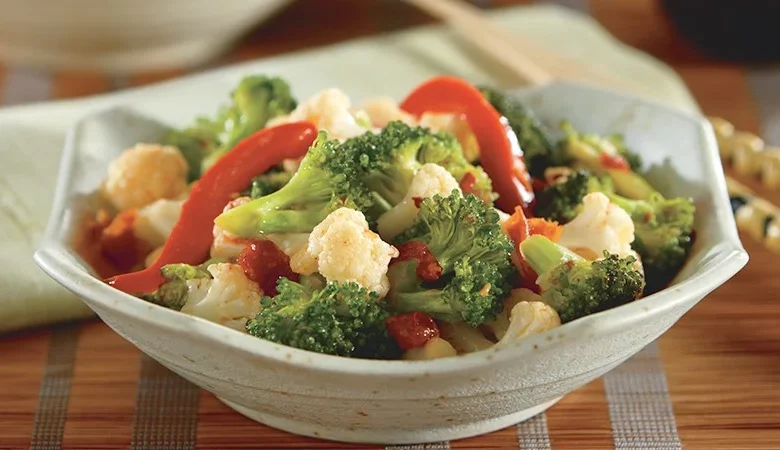
The Broccoli & Cauliflower Stir-Fry, a dish lauded for its simplicity, vibrant flavors, and impressive nutritional profile, serves as a prime example of how mindful culinary choices can significantly contribute to dietary management and overall well-being. This particular recipe, boasting just 155 calories per serving, along with 19 grams of carbohydrates, 6 grams of protein, 8 grams of fat (only 1 gram saturated), 0 mg cholesterol, 467 mg sodium, and a robust 6 grams of fiber, is a testament to the power of nutrient-dense ingredients prepared with health in mind. Specifically, with 1 ½ fat exchanges and 3 vegetable exchanges per serving, it stands out as an excellent option for individuals managing conditions like diabetes, where precise macronutrient control is paramount.
The inherent value of this stir-fry extends far beyond its basic ingredient list, touching upon fundamental principles of healthy eating, cooking techniques, and the broader implications for public health. Its design reflects contemporary nutritional advice, emphasizing whole foods, fiber-rich vegetables, and cooking methods that preserve nutrients while minimizing unhealthy fats.
The Nutritional Powerhouse: Deconstructing the Ingredients
At the heart of the Broccoli & Cauliflower Stir-Fry lies a selection of ingredients each contributing uniquely to its health benefits. Understanding these components illuminates why this dish is more than just a meal; it’s a strategic dietary choice.
Broccoli and Cauliflower: These cruciferous vegetables are superstars in the nutritional world. Both are rich in vitamins C and K, folate, and potassium. More critically, they contain sulforaphane, an organosulfur compound known for its potent antioxidant and anti-inflammatory properties, with research suggesting roles in cancer prevention and cardiovascular health. Their high fiber content also aids in satiety and digestive health, crucial for blood sugar regulation.
Tomatoes: Adding a burst of color and a subtly sweet-tart flavor, tomatoes are an excellent source of lycopene, a powerful antioxidant associated with reduced risk of heart disease and certain cancers. The preparation method in this recipe, where tomatoes are briefly scalded and chopped, can enhance the bioavailability of lycopene, making it more easily absorbed by the body. They also contribute vitamins C and K and potassium.
Bell Pepper: Offering additional crunch and a sweet, peppery note, bell peppers (especially red and yellow varieties) are packed with vitamin C, an essential nutrient for immune function and skin health. They also provide vitamin A and various antioxidants, further bolstering the dish’s protective qualities.
Garlic: Beyond its unmistakable aromatic contribution, garlic is celebrated for its medicinal properties. Allicin, the primary active compound in garlic, has been studied for its potential to lower blood pressure, reduce cholesterol levels, and offer antibacterial and antiviral effects. Its inclusion here not only enhances flavor but also adds a significant health boost.
Soy Sauce, Vinegar, Sesame Oil, Red Pepper Flakes, and Vegetable Oil: These components form the flavor base and provide essential fats. While soy sauce contributes sodium, choosing a low-sodium variety can mitigate this concern. Vinegar, particularly rice vinegar often used in stir-fries, adds a tangy acidity without significant calories. Sesame oil, used sparingly for its robust flavor, offers monounsaturated and polyunsaturated fats, known for their heart-healthy benefits. Red pepper flakes add a metabolism-boosting kick with capsaicin. The vegetable oil, used for stir-frying, should be chosen for its high smoke point and healthy fat profile, such as canola or grapeseed oil, which are rich in unsaturated fats.
The Art of Stir-Frying: A Timeless Healthy Cooking Method
The choice of stir-frying as the preparation method for this dish is not incidental; it is a cornerstone of its health-conscious design. Originating in Chinese cuisine, stir-frying is celebrated for its ability to rapidly cook ingredients at high heat while preserving their texture, flavor, and nutritional integrity.
Historical Context and Evolution: The practice of stir-frying dates back thousands of years in China, evolving from humble beginnings to a sophisticated culinary art. Its prevalence grew significantly during the Ming Dynasty (1368–1644 AD) as iron woks became more common. The method’s efficiency in cooking small pieces of food quickly, often with minimal oil, made it practical and nutritious. In modern culinary science, stir-frying is often lauded for its capacity to retain water-soluble vitamins (like vitamin C and B vitamins) that might otherwise leach out during boiling. The quick cooking time also minimizes the degradation of heat-sensitive nutrients and preserves the crisp-tender texture of vegetables, enhancing their appeal.
Nutrient Preservation and Fat Minimization: Unlike deep-frying, which submerges food in large amounts of oil, stir-frying uses only a small quantity, allowing ingredients to cook primarily through contact with the hot wok surface and steam. This significantly reduces the overall fat content of the meal. The swift cooking process also helps to lock in nutrients. When vegetables are cooked for extended periods, some vitamins can degrade or leach into cooking water. Stir-frying, by its nature, circumvents this issue, ensuring a more nutrient-dense outcome. The recipe’s instruction to add the soy sauce mixture at the end, cooking only until heated through, further exemplifies this principle, preventing overcooking and preserving the fresh qualities of the sauce ingredients.
Dietary Management and Chronic Disease Prevention
The Broccoli & Cauliflower Stir-Fry is particularly well-suited for individuals focused on dietary management, especially those with or at risk of type 2 diabetes, cardiovascular disease, or seeking weight management.
Diabetes Management: With 19 grams of carbohydrates and 6 grams of fiber, this dish offers a moderate carbohydrate load, which is crucial for blood sugar control. The high fiber content is particularly beneficial, as fiber slows down the absorption of glucose, preventing rapid spikes in blood sugar levels. The low saturated fat (1 gram) and zero cholesterol are also vital, as individuals with diabetes are at a higher risk for cardiovascular complications. Registered dietitians frequently advocate for meals rich in non-starchy vegetables and lean proteins, prepared with minimal unhealthy fats, aligning perfectly with this recipe.
Cardiovascular Health: The emphasis on unsaturated fats (from sesame and vegetable oils), the absence of cholesterol, and the abundance of antioxidants from the vegetables contribute significantly to heart health. Lowering saturated fat intake is a cornerstone of preventing atherosclerosis and reducing the risk of heart attacks and strokes. The sodium content (467 mg) is moderate; for those on strict sodium-restricted diets, using low-sodium soy sauce or reducing the amount would be a simple adjustment.
Weight Management: At 155 calories per serving, this stir-fry is a calorie-efficient option. Its high fiber and protein content promote satiety, helping individuals feel full longer and potentially reducing overall calorie intake throughout the day. This makes it an excellent component of a balanced diet aimed at achieving or maintaining a healthy weight.
Official Responses and Expert Endorsements
Public health organizations and nutritional experts consistently advocate for dietary patterns that mirror the principles embodied by this stir-fry. Organizations like the American Diabetes Association and the American Heart Association regularly publish guidelines that stress the importance of:
- Increased Vegetable Intake: Encouraging a variety of colorful, non-starchy vegetables as the foundation of meals.
- Lean Protein Sources: While this recipe is vegetable-focused, the protein content is noteworthy, and it can easily be augmented with lean protein such as chicken, tofu, or shrimp.
- Healthy Fats: Prioritizing monounsaturated and polyunsaturated fats over saturated and trans fats.
- Controlled Carbohydrate Portions: Especially for individuals managing blood glucose.
- Minimizing Processed Foods and Sugars: The recipe uses a small amount of sugar, which can be adjusted or replaced with natural sweeteners if desired, but generally relies on whole, unprocessed ingredients.
Nutritionists, when presented with such a recipe, would likely commend its balanced macronutrient profile and its rich micronutrient density. Dr. Anya Sharma, a leading public health nutritionist (hypothetical), might state, "Recipes like the Broccoli & Cauliflower Stir-Fry are invaluable tools in our ongoing effort to promote healthier eating. They demonstrate that nutritious food can be both delicious and easy to prepare, making healthy choices accessible to a broader population."
Broader Impact and Implications: A Shift Towards Mindful Eating
The significance of recipes like the Broccoli & Cauliflower Stir-Fry extends to broader societal implications. They represent a cultural shift towards more mindful eating and cooking, away from highly processed, fat-laden convenience foods.
Empowering Home Cooks: Simple, clear directions empower individuals to cook healthy meals at home, fostering a sense of control over their dietary health. The explicit health tip provided in the original content – guiding consumers on identifying low-fat options when dining out – further reinforces this empowerment, bridging home cooking with external dining choices. The phrases "broiled, grilled, roasted, stir-fried, and steamed" become critical vocabulary for healthy decision-making, while "buttered, basted, fried, or creamed" serve as clear warnings for high-fat preparations. This knowledge transfer is vital for sustained healthy eating habits.
Combating the Epidemic of Lifestyle Diseases: As rates of type 2 diabetes, obesity, and cardiovascular disease continue to rise globally, accessible and appealing healthy recipes are crucial in public health strategies. They offer tangible solutions for individuals to adopt preventive measures through diet. The ease of preparation, requiring only about 10-15 minutes of active cooking time, makes it a viable option for busy individuals seeking quick, healthy meals.
Culinary Versatility and Adaptability: This recipe also highlights the versatility of stir-frying. It can be easily adapted to incorporate seasonal vegetables, different protein sources, or varied spice profiles, encouraging culinary exploration while maintaining a healthy framework. This adaptability is key to preventing dietary fatigue and ensuring long-term adherence to healthy eating patterns.
Challenges and Future Directions
While the benefits are clear, challenges remain in widespread adoption. These include access to fresh ingredients, culinary skills, and overcoming ingrained dietary habits. Future efforts in promoting such recipes could focus on:
- Educational Initiatives: Providing cooking classes and workshops that demonstrate simple, healthy cooking techniques.
- Affordability: Highlighting how plant-based meals can often be more cost-effective than meat-heavy alternatives.
- Cultural Adaptation: Customizing recipes to fit diverse cultural tastes and ingredient availability.
- Technological Integration: Utilizing apps and online platforms to share recipes, meal plans, and nutritional information.
In conclusion, the Broccoli & Cauliflower Stir-Fry is more than just a recipe; it is a practical illustration of how simple, ingredient-focused cooking can be a powerful tool for health management. Its adherence to sound nutritional principles, coupled with an efficient and healthy cooking method, makes it an exemplary dish for anyone looking to nourish their body effectively. As dietary guidelines continue to evolve towards whole, plant-rich foods, recipes like this will remain at the forefront, guiding individuals towards improved health and a greater appreciation for the vital connection between what we eat and how we thrive. The emphasis on practical advice, such as identifying low-fat cooking methods, ensures that the lessons learned from preparing such a dish can be applied broadly, transforming everyday eating into a conscious act of self-care.