Navigating Summer Sleep: Expert Strategies to Maintain Your Baby’s Schedule


Summer, a season synonymous with extended daylight, spontaneous adventures, and a general relaxation of routines, often presents a unique challenge for parents striving to maintain their children’s crucial sleep schedules. While the allure of endless sunshine and the joy of outdoor play are undeniable, these very elements can disrupt the delicate balance of an infant’s or toddler’s sleep patterns, leading to overtiredness, increased fussiness, and a ripple effect on overall family well-being. This article delves into expert-backed strategies and essential tools designed to help families navigate the summer months while preserving the integrity of their little one’s sleep.
The Science of Summer Sleep Disruption: Understanding Circadian Rhythms
The primary antagonist to consistent summer sleep is the extended daylight. Human sleep-wake cycles, known as circadian rhythms, are intricately linked to light exposure. Melatonin, a hormone vital for initiating sleep, is produced in darkness. When daylight extends well into the evening, the brain’s signal to produce melatonin is delayed, making it harder for children to fall asleep at their usual bedtime. This phenomenon is particularly pronounced in infants, whose circadian rhythms are still developing and are highly sensitive to environmental cues.
Beyond light, increased daytime activity and excitement contribute to the challenge. While physical exertion is beneficial, an overload of stimulation without adequate wind-down time can lead to overtiredness. Paradoxically, an overtired child often struggles more to fall asleep and may experience more frequent night awakenings. Pediatric sleep experts frequently highlight that consistent sleep is not merely about duration but also about quality and regularity. Studies published in journals like Pediatrics consistently demonstrate a correlation between stable sleep patterns in early childhood and improved cognitive development, emotional regulation, and physical health outcomes. Conversely, chronic sleep deprivation in children can manifest as behavioral issues, decreased attention span, and compromised immune function.
Pillars of Consistent Sleep: Establishing and Maintaining Routine
The cornerstone of healthy infant and toddler sleep, regardless of the season, is a predictable routine. Babies thrive on consistency, which provides a sense of security and helps their internal clock regulate. While summer might tempt families with spontaneous excursions, maintaining a consistent bedtime routine acts as a powerful signal to the child’s body that it’s time to wind down.
A typical effective routine might involve a sequence such as "bath, bottle/feeding, book, and bed." Each element serves a specific purpose: a warm bath can be calming and help lower body temperature, signaling sleep readiness; a final feeding provides comfort and satiety; reading a book offers quiet, bonding time away from stimulating screens; and finally, tucking into bed in a conducive environment. The key is the sequence itself, which, when repeated nightly, becomes a powerful sleep cue. Even if the actual bedtime shifts slightly due to a summer evening event, preserving the ritualistic steps leading up to sleep can mitigate disruption. Child development specialists emphasize that routines foster predictability, which is crucial for a young child’s emotional and cognitive development, helping them feel secure and understand expectations.
Mitigating Environmental Factors: Battling Light and Noise
Two of summer’s most pervasive sleep disruptors—excessive light and increased ambient noise—can be effectively managed with strategic environmental control within the nursery.
The Power of Darkness: Blackout Solutions
As daylight lingers longer into the evening, bedrooms can remain brighter than ideal for sleep. This extended light exposure actively suppresses melatonin production, delaying sleep onset. Blackout window coverings are a non-negotiable tool for summer sleep. These specialized curtains or blinds can effectively block out up to 99% of external light, transforming a sun-drenched room into a cozy, dark sleep sanctuary. For families with travel plans or those utilizing a travel crib at home, portable blackout solutions like a Slumberpod canopy offer similar benefits. These canopies attach easily to most travel cribs, providing not only room darkening but also UPF 50+ sun protection and bug deterrence for outdoor use. The compact, foldable design makes them an indispensable travel accessory, ensuring sleep continuity even when away from home. The goal is to replicate the darkness of winter evenings, thereby encouraging the natural release of melatonin and reinforcing the body’s internal clock.
Creating a Serene Soundscape: The Role of Sound Machines
Summer evenings often bring an orchestra of sounds: children playing outside, increased neighborhood activity, and open windows inviting street noise. These unexpected noises can easily startle a sleeping baby or prevent them from falling asleep in the first place. A sound machine becomes a critical tool in establishing a tranquil sleep environment. By emitting consistent, soothing sounds—commonly referred to as white noise, pink noise, or brown noise—these devices effectively mask sudden or intermittent distractions. White noise, for instance, covers a broad spectrum of frequencies, creating a consistent auditory backdrop that helps block out other sounds.
Modern sound machines offer a variety of options. Devices like the Crane 4-in-1 Sound Machine often combine multiple functions, including various sleep sounds, a humidifier (beneficial in dry summer air), an aroma tray for vapor pads or essential oils (used with caution for infants), and a color-changing nightlight. The Fridababy 2-in-1 Portable Sound Machine, a popular choice for its portability, features a range of sounds from gentle shushing to heartbeats, coupled with a soft-glow night light. When selecting a sound machine, experts recommend looking for models with continuous play options, volume control, and a variety of sounds to find what best suits the individual child. The consistent sound provides a familiar and comforting auditory environment, signaling sleep regardless of external disturbances.
Navigating Summer Adventures: Naps On-The-Go
Summer is inherently a season of exploration and travel. Adapting to naps outside the home is a common challenge, but with the right gear and preparation, essential mid-day rest can still be achieved.
Portable Sleep Solutions for Visits and Travel
For visits to family or friends, or even short trips, a travel crib is an invaluable asset. Modern travel cribs, such as the UPPAbaby REMI, are designed for ease of setup and portability. They feature comfortable mattresses and often fold compactly into a travel bag, making them simple to transport and store in a car trunk. Having a designated, familiar sleep space, even a temporary one, can provide comfort and continuity for a baby. This minimizes the disruption of sleeping in unfamiliar surroundings and allows parents to adhere to nap schedules without being confined to their home.
Napping Outdoors: Strollers and Sun Protection
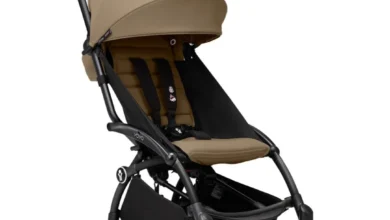
For outdoor excursions like park visits, trips to the zoo, or beach outings, a lightweight stroller that reclines fully is essential. A fully reclined position supports a baby’s spine and allows for comfortable sleep. When using a stroller for outdoor naps, crucial considerations include adequate sun protection (using a canopy with UPF protection or a breathable cotton swaddle draped to block sun, ensuring ample airflow) and ensuring the baby does not overheat. Some strollers offer excellent ventilation systems, which are particularly important in warmer climates. Pediatricians advise against covering strollers entirely with blankets, as this can significantly reduce airflow and create a dangerously hot microclimate for the baby. Instead, breathable mesh covers or strategically placed sunshades are recommended.
Temperature Regulation: Keeping Your Baby Cool for Optimal Sleep
Summer heat is a significant impediment to comfortable sleep for infants and toddlers. Their underdeveloped thermoregulation systems make them more susceptible to overheating, which can lead to restless sleep or difficulty falling asleep.
Optimal Sleep Environment Temperature and Sleepwear
The American Academy of Pediatrics recommends an optimal nursery temperature between 68 and 72 degrees Fahrenheit (20-22.2 degrees Celsius) for infant sleep. Achieving this during summer nights may require air conditioning or fans. If using a fan, ensure it circulates air indirectly rather than blowing directly on the baby.
Choosing the right sleepwear is paramount. Lightweight, breathable fabrics like cotton, bamboo, or muslin are ideal. These materials allow air circulation and wick away moisture, helping to regulate body temperature. Ditch heavy blankets, which pose a SIDS risk and can cause overheating. Instead, opt for breathable cotton sleepsacks. A sleepsack provides a safe, cozy embrace without the risks associated with loose bedding and ensures the baby remains covered throughout the night. Options like the Ely’s & Co. wearable blanket, made of 100% knit cotton, offer comfort and safety in various adorable prints. For outdoor naps or cooler evenings, a cotton swaddle can also serve as a lightweight sun protector or an extra layer of warmth without causing overheating, again, always ensuring proper airflow and monitoring the baby’s temperature.
Adapting Schedules and Winding Down Effectively
While consistency is key, a slight degree of flexibility can prevent frustration during the summer months. The later sunsets naturally shift everyone’s internal clocks, and subtly adjusting a baby’s schedule can be more effective than rigidly adhering to a timeline that clashes with natural light cues.
Strategic Schedule Adjustments
If your baby is consistently staying up a bit later due to the extended daylight, consider a minor adjustment to their bedtime, perhaps by 15-30 minutes. Correspondingly, nap schedules might need a slight shift to ensure the baby isn’t overtired by the later bedtime. However, it’s crucial to avoid pushing naps too late in the afternoon, as this can backfire and interfere with nighttime sleep. The goal is to find a harmonious balance that respects both the baby’s biological needs and the realities of the summer environment. Pediatric sleep consultants often advise making these adjustments gradually, by 10-15 minutes every few days, to allow the child’s body to adapt smoothly.
The Importance of a Pre-Bed Wind-Down Routine
Summer days are perfect for energetic outdoor play, which can be wonderfully tiring for babies. However, transitioning directly from high-energy activity to sleep can be challenging. A structured wind-down period before bed is essential to help a baby calm their nervous system and prepare for sleep. This quiet time should ideally begin 30-60 minutes before bedtime and involve calming activities. Examples include:
- Gentle Reading: Sharing a book together in a quiet, dimly lit room.
- Lullabies or Soft Music: Playing soothing melodies or singing gently.
- Calming Bath: A warm bath can be relaxing and signal the end of the day.
- Quiet Play: Engaging in low-key activities like stacking soft blocks or gentle cuddles.
- Infant Loungers: Products like the Snuggle Me Organic Infant Lounger can be used for supervised, relaxing time, though it’s important to remember they are not intended or safe for sleep.
- Soothers: Devices like the Skip Hop Terra Cry-Activated Soother, with its various melodies, can also aid in the transition to "lala land."
Crucially, screens (TVs, tablets, phones) should be avoided during this wind-down period, as the blue light they emit can interfere with melatonin production and stimulate the brain.
Broader Implications: The Ripple Effect on Family Well-being
The implications of consistent, quality sleep extend far beyond the individual child. A well-rested baby is generally a happier baby, exhibiting fewer tantrums, better mood regulation, and a greater capacity for learning and interaction. This, in turn, has a profound positive impact on parental well-being. Parents who get sufficient sleep are less stressed, more patient, and better equipped to manage the demands of parenting. The adage "a happy baby means a happy mom" (and dad) holds significant truth, as parental sleep deprivation can contribute to parental burnout, anxiety, and even postpartum depression.
Conversely, chronic sleep issues in children can strain family dynamics, leading to parental exhaustion, marital tension, and a decreased ability to enjoy family time. The summer, with its increased opportunities for family activities, makes consistent sleep even more critical for everyone to fully partake in and cherish these moments. Establishing robust sleep hygiene during these early years lays a foundation for healthy sleep habits that can last a lifetime, influencing academic performance, social skills, and overall mental and physical health as children grow. If sleep challenges persist despite implementing these strategies, seeking guidance from a pediatrician or a certified pediatric sleep consultant is always a valuable step.
Sweet Dreams: Embracing Summer with Preparation
Summer offers a unique blend of joyous experiences and potential challenges for maintaining a baby’s sleep schedule. However, by understanding the physiological impacts of light and heat, prioritizing consistent routines, and leveraging smart tools and strategies, families can enjoy all the season has to offer without sacrificing essential rest. From A-Zzzzz, implementing these expert-backed tips allows parents to create an environment conducive to sweet dreams, ensuring that both babies and parents emerge from the summer months refreshed, happy, and ready for whatever comes next.