The Ultimate Guide to Zero Waste Grocery Shopping: Strategies for Reducing Plastic Waste and Combating Global Food Loss

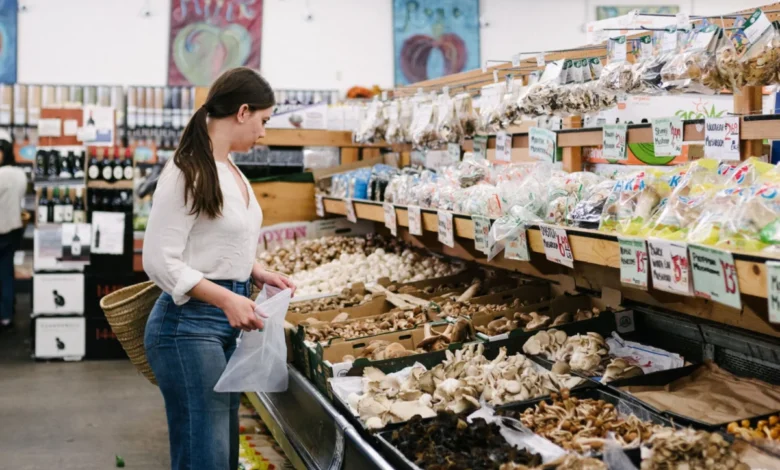
The modern grocery experience is defined by an overwhelming presence of synthetic materials, with items ranging from pre-cut fruit in polyethylene clamshells to individual cucumbers encased in shrink-wrap. This prevalence is not merely a matter of convenience; it is a primary driver of a global environmental crisis. Plastic packaging currently accounts for approximately 40% of all plastic waste generated worldwide, with the United States, Europe, and China identified as the largest producers of such waste. However, the environmental footprint of the retail food industry extends beyond packaging to include the systemic issue of food waste, which occurs at both the retail and individual levels.
As the global economy faces persistent inflationary pressures, the necessity of adopting zero-waste practices has shifted from an environmental ideal to an economic imperative. The United States Department of Agriculture (USDA) projects that food prices will continue to rise, with a predicted 3.6% increase in 2026. In this context, reducing waste is a critical strategy for household financial management. Achieving a zero-waste grocery routine requires a multi-faceted approach that addresses plastic consumption, food storage, and the lifecycle of organic matter.
The Global Context of Packaging and Food Waste
The reliance on plastic packaging in the food industry escalated in the mid-20th century as global supply chains lengthened. Plastic provided a lightweight, durable, and inexpensive method to preserve freshness and prevent contamination during long-distance transport. However, the environmental cost of this shift has been profound. According to data from Our World in Data, the world produces over 350 million tonnes of plastic waste annually. Because food packaging is often contaminated with organic residue, it is frequently excluded from traditional recycling streams, leading to its accumulation in landfills and oceans.
Parallel to the packaging crisis is the issue of food loss. In the United States, approximately 40% of the total food supply is wasted. This occurs through various channels: retailers discard produce that fails to meet aesthetic "beauty standards" regarding size, shape, or color, while consumers often purchase in excess or fail to store perishables correctly. When food is sent to a landfill, it decomposes anaerobically, releasing methane—a greenhouse gas with a warming potential significantly higher than carbon dioxide. Estimates suggest that food waste is responsible for 8% to 10% of global greenhouse gas emissions.
The Chronology of a Zero-Waste Shopping Trip
Transitioning to a zero-waste model involves a shift in consumer behavior that begins long before entering a store. The process can be broken down into three distinct phases: preparation, procurement, and preservation.
Phase 1: Strategic Planning and Budgeting
The primary cause of both financial and food waste is impulsive purchasing. Journalistic analysis of consumer habits suggests that a structured meal plan is the most effective deterrent to overbuying. Rather than planning specific meals for specific days, experts recommend "ingredient-based planning." This involves identifying versatile staples—such as grains, legumes, and hearty vegetables—that can be adapted into various dishes depending on time and preference.
Budgeting is a secondary but vital component of the planning phase. Consumers are encouraged to set specific spending limits for different shopping venues, such as $50 for a local farmers’ market and $100 for a bulk-refill store. Using cash instead of credit cards can also serve as a psychological barrier to overspending, as the physical exchange of currency makes the expenditure more tangible.
Phase 2: The Procurement Process
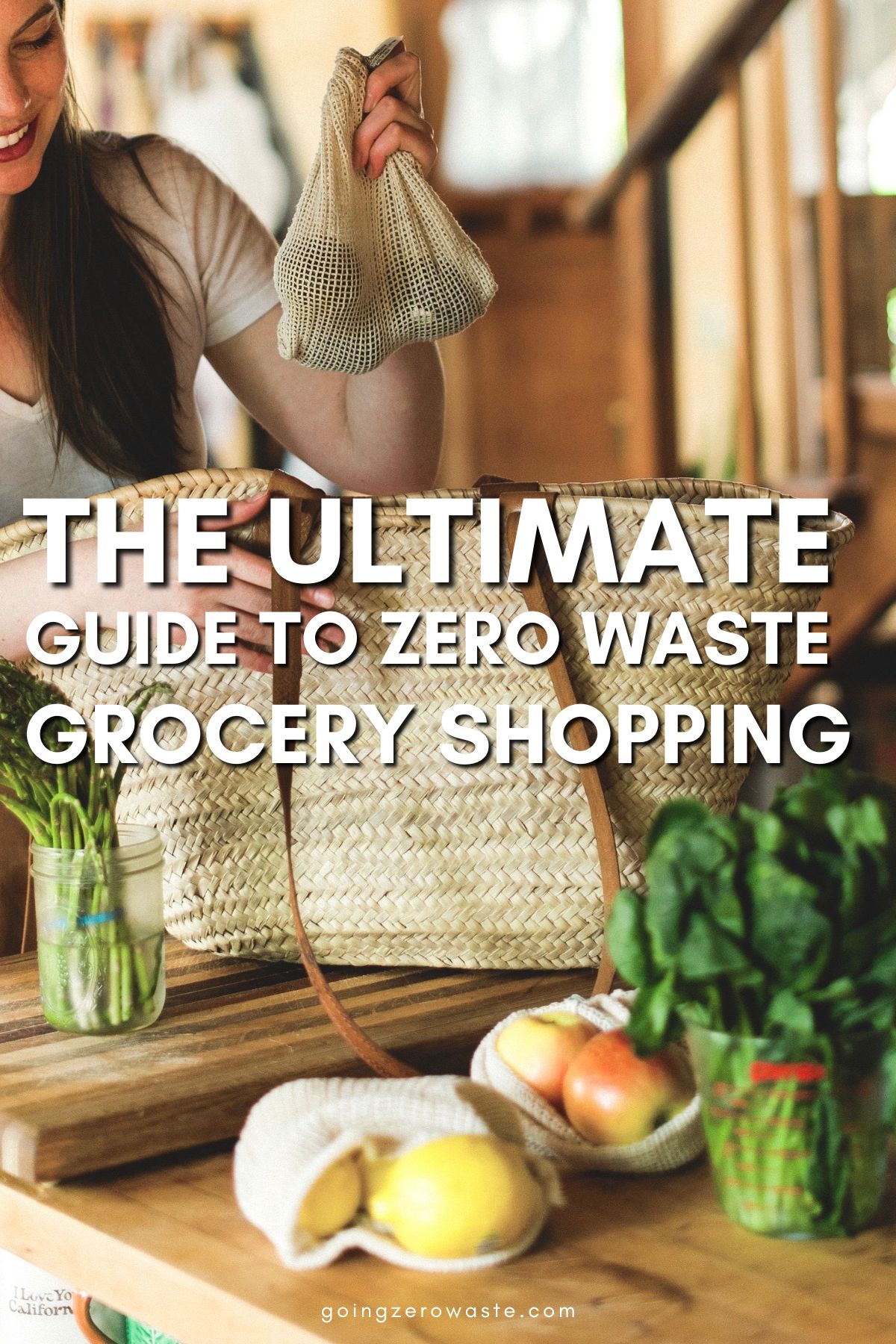
The actual shopping experience in a zero-waste framework prioritizes "naked" produce and bulk goods. Zero-waste grocery shopping is defined as the effort to reduce or eliminate waste during the acquisition of food items. This is achieved through several key tactics:
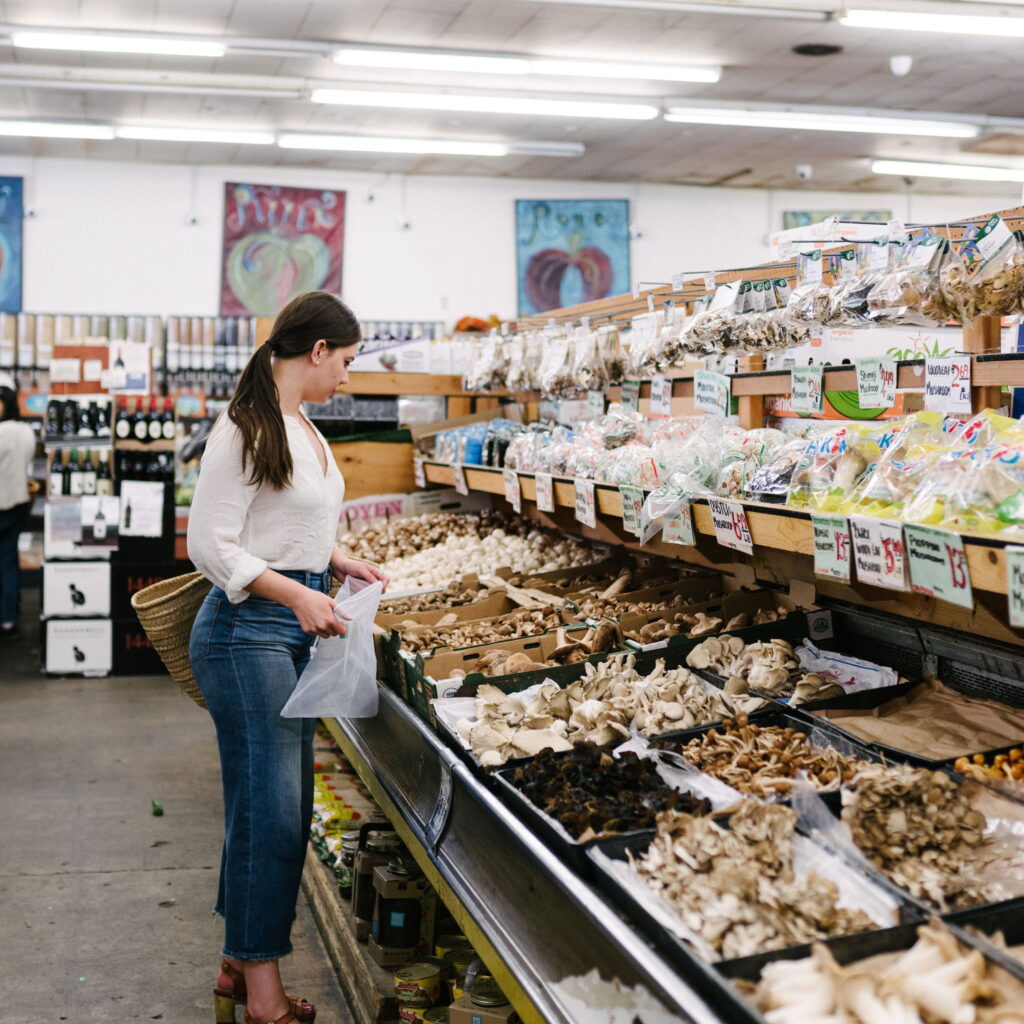
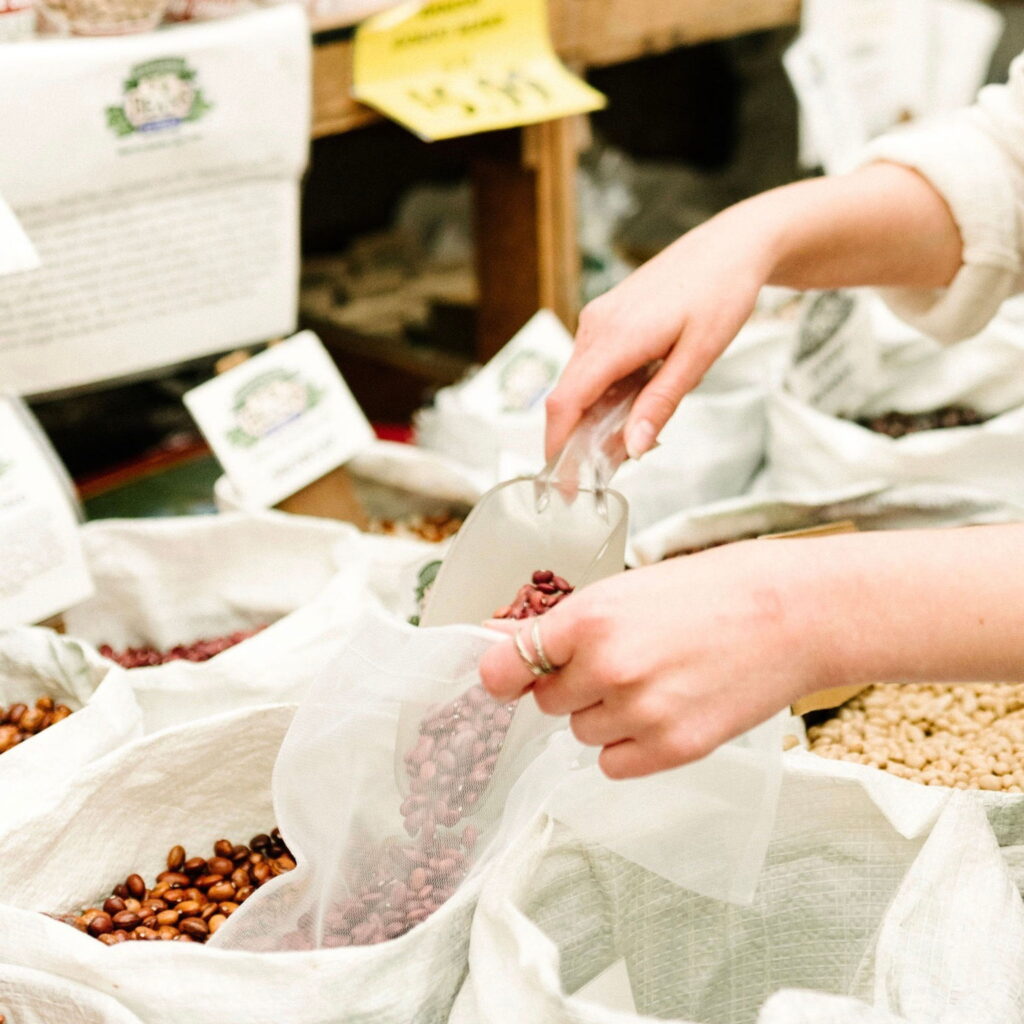
- Utilizing Bulk Bins: Refilleries and bulk sections allow consumers to purchase exact quantities of dry goods like flour, spices, beans, and pasta. By bringing their own containers, shoppers bypass the need for new plastic packaging.
- Prioritizing Imperfect Produce: Many retailers and farmers’ markets offer discounts on "wonky" or slightly blemished produce. Purchasing these items prevents them from being discarded by the retailer.
- Selecting Alternative Packaging: When plastic-free options are unavailable, consumers should opt for materials with higher circularity rates, such as glass, metal, or cardboard. Unlike plastic, which degrades in quality each time it is recycled, metal and glass can be recycled indefinitely without loss of integrity.
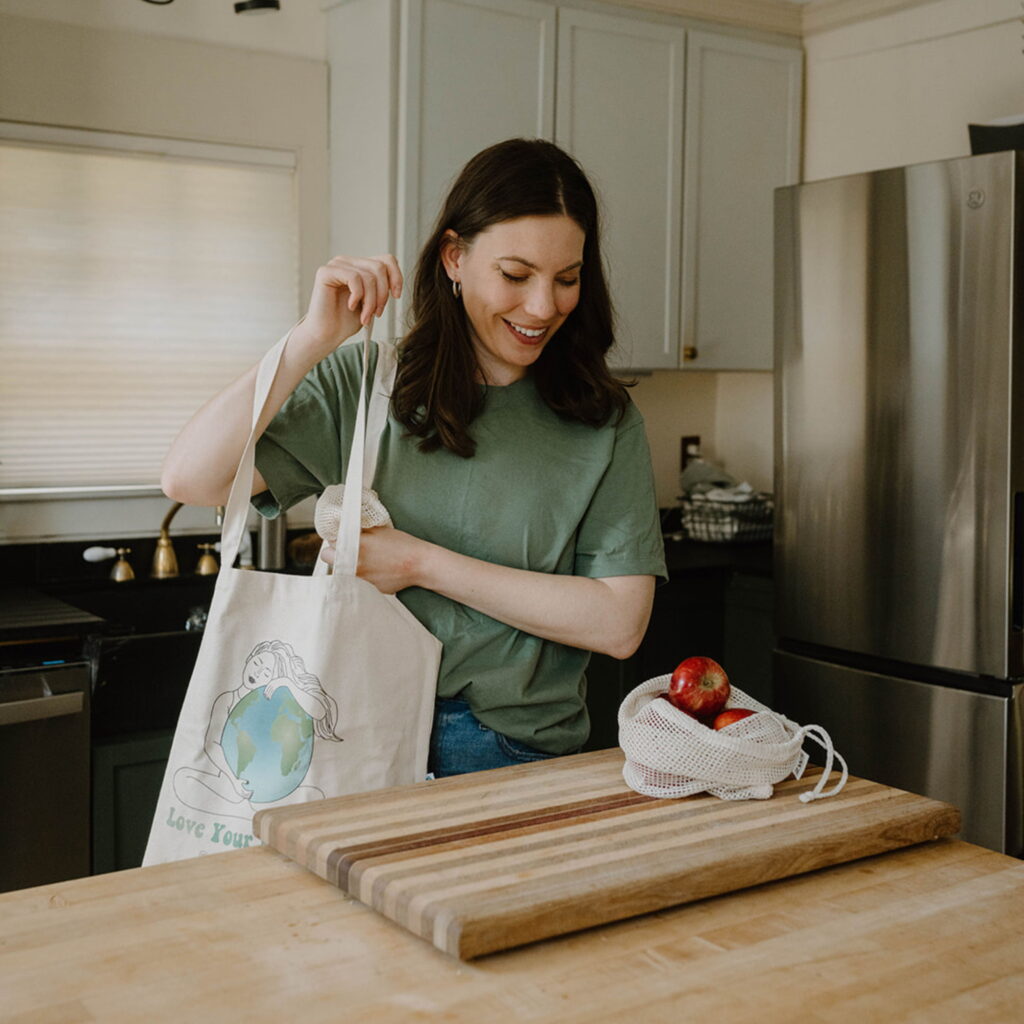
- Leveraging Farmers’ Markets: These venues typically offer produce with minimal packaging and no plastic stickers. Furthermore, the shorter supply chain associated with local markets reduces the carbon footprint of the food’s transportation.
Phase 3: Scientific Storage and Preservation
Once food is brought home, the focus shifts to extending its shelf life. Spoilage is often the result of improper temperature management or exposure to ethylene gas—a natural ripening agent emitted by certain fruits.
For instance, root vegetables like carrots should be stored in water to maintain turgidity and prevent them from becoming limp. Conversely, berries are highly susceptible to moisture; they should remain unwashed and stored in airtight containers until immediately before consumption. Understanding fridge microclimates is also essential. The refrigerator door is the warmest area and should be reserved for stable condiments, while the crisper drawers are designed to manage humidity levels for leafy greens and ethylene-sensitive produce.
The Role of Upcycling and Scraptastic Cooking
A comprehensive zero-waste strategy requires a reevaluation of what constitutes "waste." Many parts of vegetables traditionally discarded are not only edible but nutrient-dense. This "scraptastic" approach to culinary preparation involves utilizing vegetable peels for stocks, transforming herb stems into pestos, and incorporating fruit tops into smoothies.
Retailers and manufacturers have begun to face pressure from environmental advocacy groups to address these systemic inefficiencies. Some innovative grocery chains have introduced "ugly produce" sections at reduced prices, while others have implemented soft plastic take-back programs to handle films and bags that are not accepted in curbside recycling bins.
Composting: The Final Nutrient Cycle
Even with meticulous planning, some organic waste is inevitable. In a zero-waste system, composting serves as the final resort, ensuring that nutrients are returned to the soil rather than lost in a landfill. Composting methods vary based on living situations:
- Urban Solutions: Residents in apartments may utilize "Bokashi" systems, which use fermentation to break down organic matter, or participate in community compost drop-off programs at farmers’ markets.
- Suburban/Rural Solutions: Backyard composting, including tumblers or trench composting, allows for the processing of larger volumes of waste.
- Industrial Composting: Some municipalities offer curbside organic collection, which utilizes industrial facilities capable of breaking down complex waste like meat, dairy, and certified compostable packaging.
Economic and Environmental Implications
The transition to zero-waste grocery shopping has broader implications for global sustainability and economic resilience. From an environmental perspective, reducing the demand for single-use plastics directly lowers petroleum consumption and prevents plastic pollution from entering marine ecosystems. Simultaneously, diverting organic waste from landfills is one of the most effective individual actions for reducing methane emissions.
Economically, the zero-waste movement empowers consumers to combat food inflation. By purchasing only what is needed, storing it correctly, and utilizing every part of the ingredient, households can significantly reduce their monthly grocery expenditures. Analysis suggests that the average American family could save over $1,500 annually by eliminating food waste.
Conclusion
The shift toward zero-waste grocery shopping represents a necessary evolution in how society interacts with the food supply chain. While the current retail environment is heavily biased toward plastic and overconsumption, the tools for change are accessible to the average consumer. Through strategic planning, the use of reusable containers, scientific storage, and the adoption of composting, individuals can mitigate the environmental impact of their dietary habits. As food prices continue to rise and the plastic crisis intensifies, these practices will likely transition from a niche lifestyle choice to a standard component of responsible global citizenship. The integration of these habits not only preserves the planet’s resources but also fosters a more intentional and economically sustainable relationship with the food we consume.
Related posts: