The Impact of Residential Light Spectrum Control on Circadian Rhythm Regulation and Sleep Quality

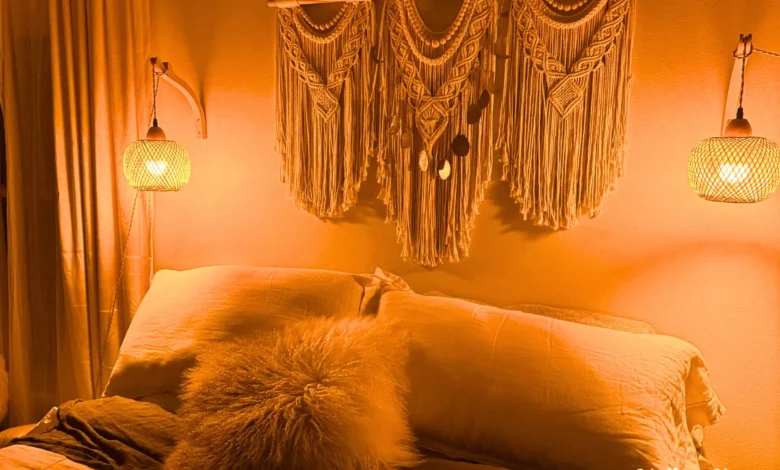
The integration of artificial lighting into the modern domestic environment has fundamentally altered human biological cycles, creating a growing public health concern regarding sleep disruption and circadian misalignment. Recent advancements in chronobiology have highlighted the specific role of the light spectrum—particularly the high-energy visible (HEV) blue light emitted by standard Light Emitting Diodes (LEDs)—in the suppression of melatonin, the hormone responsible for regulating sleep-wake cycles. As standard "warm white" LEDs often fail to eliminate the specific wavelengths that trigger biological alertness, a specialized segment of the lighting industry is focusing on amber and red spectrum solutions to mitigate these physiological disruptions.
The Biological Mechanism of Light Perception
The human eye processes light through two distinct systems: the visual system, which allows for sight, and the non-visual system, which regulates biological functions. The latter is mediated by intrinsically photosensitive retinal ganglion cells (ipRGCs). These specialized cells contain melanopsin, a photopigment that is exquisitely sensitive to short-wavelength blue light, specifically in the range of 440 to 480 nanometers (nm).
When melanopsin receptors detect these wavelengths, they send signals to the suprachiasmatic nucleus (SCN) in the hypothalamus, which serves as the body’s master biological clock. This signal communicates that it is "solar noon," regardless of the actual time of day. Consequently, the SCN inhibits the pineal gland’s production of melatonin. Research from Harvard Medical School has indicated that even dim light—as low as eight lux, which is significantly lower than the brightness of a standard bedside lamp—can exert a measurable effect on circadian phase shifting and melatonin secretion.
Standard LED bulbs, even those marketed as "soft" or "warm" white with a color temperature of 2700K, typically utilize a blue LED chip coated with phosphor. While the phosphor converts some blue light into yellow and red, a significant "blue spike" remains in the 450nm range. This ensures that even "warm" residential lighting can postpone the onset of the body’s nocturnal repair mode by 90 minutes or more, leading to fragmented sleep and chronic fatigue.
A Chronology of Artificial Light and Circadian Science
The tension between human biology and artificial illumination has evolved through several distinct phases:
- Pre-Industrial Era: For millennia, human activity after sunset was limited to the light of wood fires and candles. These sources emit primarily long-wavelength light (orange and red) and are devoid of the blue wavelengths that signal wakefulness.
- The Incandescent Era (Late 19th Century – 20th Century): The invention of the incandescent bulb provided a constant light source. While these bulbs emit more blue light than fire, their spectrum is naturally weighted toward the red and infrared ends of the scale, making them relatively less disruptive to sleep than modern alternatives.
- The Discovery of Melanopsin (2000-2002): A pivotal moment in chronobiology occurred when researchers identified the third type of photoreceptor in the eye (ipRGCs). This discovery provided the scientific framework for understanding how light affects mood, alertness, and sleep independently of vision.
- The LED Revolution (2010s): The global shift toward energy-efficient LED lighting introduced high levels of blue light into homes. While environmentally beneficial due to lower energy consumption, the biological impact was not initially prioritized in consumer lighting design.
- The Rise of Circadian-Friendly Lighting (Present): In response to rising rates of insomnia and metabolic disorders linked to sleep deprivation, manufacturers have begun developing "circadian-optimized" bulbs that specifically filter out wavelengths below 530nm during evening hours.
Supporting Data: The Cost of Blue Light Exposure
Data from the Centers for Disease Control and Prevention (CDC) suggests that one-third of adults in the United States do not get enough sleep on a regular basis. While lifestyle factors such as caffeine intake and stress play a role, the "light environment" is increasingly recognized as a primary variable.
Spectral analysis shows that true amber bulbs, engineered for evening use, emit zero light in the blue and green spectrum (below 530nm). In contrast, standard LEDs can have blue light compositions that mimic the sun at peak intensity. The physiological result of this exposure is a delayed "dim light melatonin onset" (DLMO). When DLMO is delayed, the body’s core temperature remains high, and the glymphatic system—the brain’s waste-clearance mechanism that operates during deep sleep—cannot function at full capacity.
Furthermore, the angle of light entry is a critical, often overlooked data point. The ipRGCs are most concentrated in the lower part of the retina, which is designed to receive light from above (the sky). Consequently, overhead lighting is significantly more disruptive than floor or table lamps. By shifting light sources to eye level or below and utilizing amber wavelengths, individuals can effectively simulate a "biological sunset."
Industry and Expert Responses
The scientific community has become increasingly vocal about the necessity of light hygiene. The American Medical Association (AMA) issued a policy statement in 2016 regarding outdoor lighting, expressing concern over high-intensity LED streetlights and their impact on human health and nocturnal wildlife. This concern has transitioned into the domestic sphere, with sleep experts such as Dr. Matthew Walker, author of Why We Sleep, emphasizing that darkness is not merely a psychological cue but a biological requirement.
Manufacturers in the specialized "Healthy Home" sector have responded by developing three-mode bulbs. These devices allow users to cycle through "Daylight" (high blue for morning alertness), "Sunset" (reduced blue for afternoon), and "Campfire" (zero blue for evening) modes using standard light switches. This eliminates the need for complex smart-home integrations or high-EMF (electromagnetic field) wireless solutions like Bluetooth or Wi-Fi-enabled bulbs, which some health advocates suggest may further disrupt sensitive sleep environments.
Implementation Strategies for Optimal Sleep Hygiene
To align the modern home with human evolutionary biology, experts suggest a tiered approach to lighting:
Phase I: The Evening Transition (Post-Sunset)
Upon the setting of the sun, the primary goal is to eliminate blue light exposure. This is achieved by:
- Swapping Bulbs: Replacing standard bulbs in high-traffic areas like the kitchen and living room with amber LEDs that emit no wavelengths below 530nm.
- Spatial Adjustment: Discontinuing the use of overhead fixtures in favor of lamps positioned below eye level.
- Automation: Utilizing digital timers to ensure that circadian-friendly lighting activates automatically at sunset, removing the burden of manual adjustment.
Phase II: The Pre-Sleep Environment (60 Minutes Before Bed)
In the hour preceding sleep, the spectrum should shift further toward the red end of the scale (above 600nm). Red light has essentially zero impact on the circadian system, making it the ideal choice for bedside reading and bathroom vanities. Unlike red light therapy panels—which are designed for cellular stimulation and may be counterproductive if used immediately before sleep—low-intensity red bulbs provide enough visibility for task completion without signaling the brain to wake up.
Phase III: Daytime Calibration
Circadian health is not only about evening darkness but also about morning brightness. Exposure to natural sunlight or high-intensity blue-weighted light during the first hour of the day is essential for triggering the cortisol pulse required for alertness and "setting" the 24-hour clock so that melatonin production can begin on time later that evening.
Broader Implications and Public Health Analysis
The shift toward spectrum-controlled lighting represents a broader movement in public health toward "bio-hacking" the environment to suit human physiology. The implications of poorly regulated light environments extend beyond simple tiredness. Chronic circadian disruption is linked to an increased risk of obesity, Type 2 diabetes, cardiovascular disease, and certain forms of cancer.
From an economic perspective, the "Human-Centric Lighting" market is projected to grow significantly as corporations and healthcare facilities recognize that light quality affects productivity and patient recovery times. In residential settings, the adoption of amber and red lighting is a low-cost, high-leverage intervention. Unlike pharmacological sleep aids, which may have side effects or lead to dependency, light hygiene addresses the root cause of biological misalignment.
In conclusion, the transition from standard LED lighting to spectrum-specific amber and red bulbs is supported by a robust body of evidence in the fields of neuroscience and chronobiology. By treating light as a biological input rather than a mere convenience, individuals can effectively synchronize their internal clocks with the natural environment, leading to improved sleep architecture and overall systemic health. As the public becomes more aware of the "dark side" of blue light, the integration of amber spectrum technology is likely to become a standard feature of the health-conscious home.
Related posts: