The Comprehensive Guide to Sustainable Non-Toxic and Organic Childrens Clothing Brands for 2026


The global children’s apparel market, valued at over $200 billion, is undergoing a fundamental transformation as parents increasingly prioritize environmental health and material safety over fast-fashion convenience. With children outgrowing their wardrobes at an average rate of one size every few months, the environmental footprint of the industry has historically been characterized by high turnover and significant waste. However, a new wave of sustainable brands is challenging this paradigm by focusing on organic materials, non-toxic dyes, and circular business models.
Recent data from textile research organizations indicates that approximately 60% of modern garments contain synthetic fabrics such as polyester, nylon, and acrylic—materials that are essentially plastic derivatives. These fabrics are known to shed microplastics and may contain residual chemicals like bisphenol A (BPA) and phthalates. For children, whose skin is up to 30% thinner and more absorbent than that of adults, exposure to these substances, along with chemical flame retardants and toxic azo dyes, presents a growing concern for health-conscious consumers.
The Evolution of the Sustainable Childrenswear Market
The movement toward ethical children’s clothing has evolved from a niche market in the early 2000s to a mainstream priority in 2026. Initially, "green" clothing was often limited to basic unbleached cotton items. Today, the sector encompasses high-performance outdoor gear, streetwear, and formal attire, all produced under strict ecological and social standards. This shift has been driven by increased transparency in global supply chains and the widespread adoption of third-party certifications.

The chronology of this shift began with the establishment of the Global Organic Textile Standard (GOTS) in 2006, which provided a unified framework for organic claims. By the mid-2010s, the "circular economy" concept gained traction, leading brands to implement take-back programs and resale platforms. By 2024, the focus expanded beyond just "organic" to "non-toxic," with a particular emphasis on eliminating "forever chemicals" (PFAS) from water-resistant children’s clothing.
Core Evaluation Criteria for Sustainable Brands
To distinguish between genuine sustainability and "greenwashing," industry experts and consumer advocacy groups like Sustainable Jungle utilize a rigorous multi-point evaluation system. This methodology prioritizes four primary pillars:
- Material Integrity: The use of GOTS-certified organic cotton, hemp, linen, or recycled fibers. These materials must be grown without synthetic pesticides or fertilizers, which account for 16% of global insecticide use in conventional farming.
- Chemical Safety: Verification through OEKO-TEX Standard 100 or similar certifications to ensure the absence of over 350 harmful substances, including formaldehyde and heavy metals.
- Ethical Manufacturing: Transparent labor practices often backed by Fair Trade USA or Fairtrade International certifications, ensuring living wages and safe working conditions.
- Durability and Circularity: Engineering garments to survive "kid chaos"—playground wear, frequent washing, and sports—while providing pathways for resale or recycling once outgrown.
Market Leaders in Sustainable Children’s Apparel
Several brands have emerged as benchmarks for the industry, each addressing a specific segment of the market with innovative solutions.
Hahaha: Innovation in Longevity
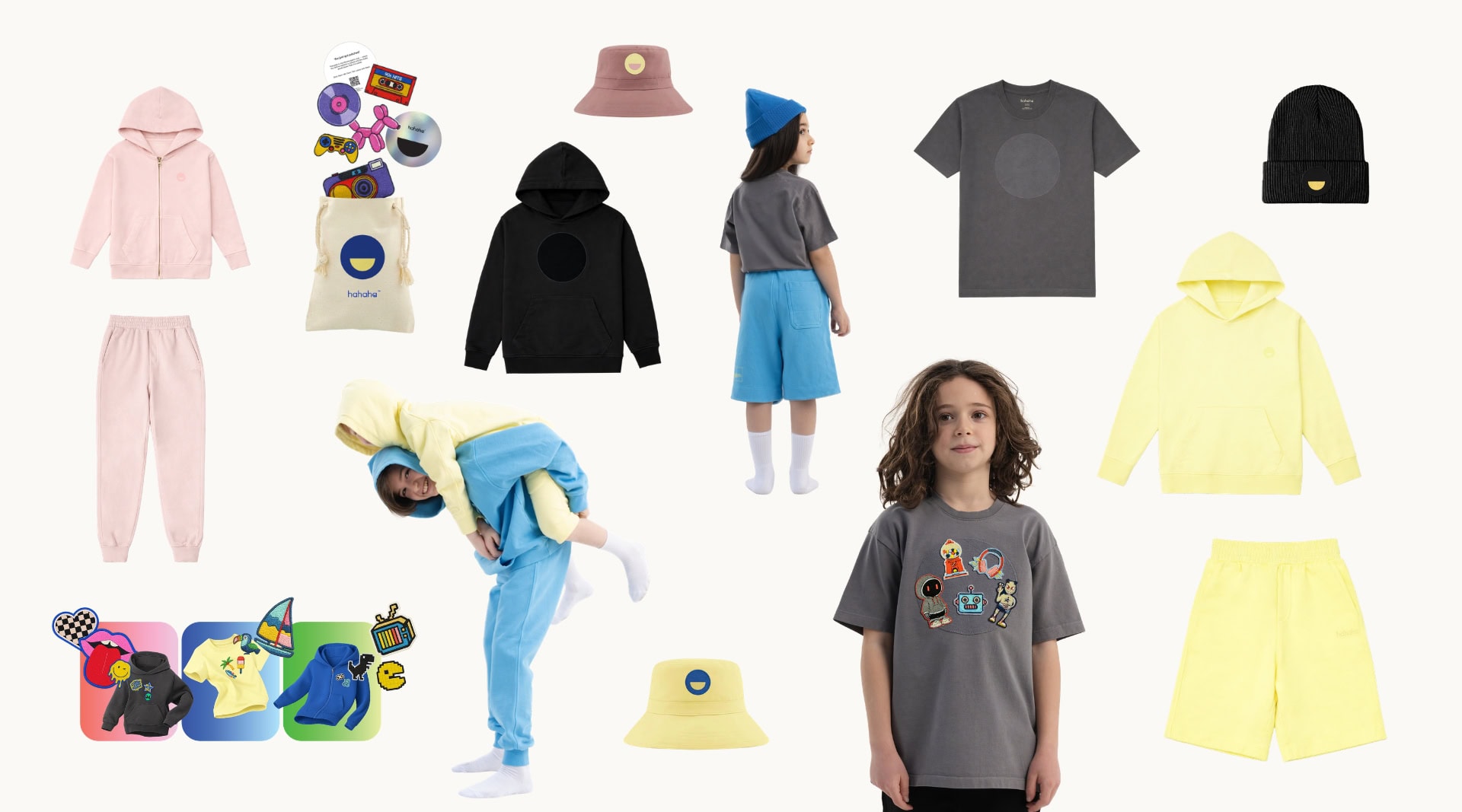
Hahaha has redefined children’s streetwear by integrating a modular "interchangeable patch" system. This design allows children to customize their GOTS-certified organic cotton hoodies and joggers, effectively extending the aesthetic life of the garment. By encouraging kids to engage with their clothing creatively, the brand fosters a sense of ownership that discourages the "disposable" mindset. Their production is centered in Los Angeles, ensuring a lower carbon footprint for North American consumers and adherence to strict California labor laws.
Firebird Kids: The Pima Cotton Standard
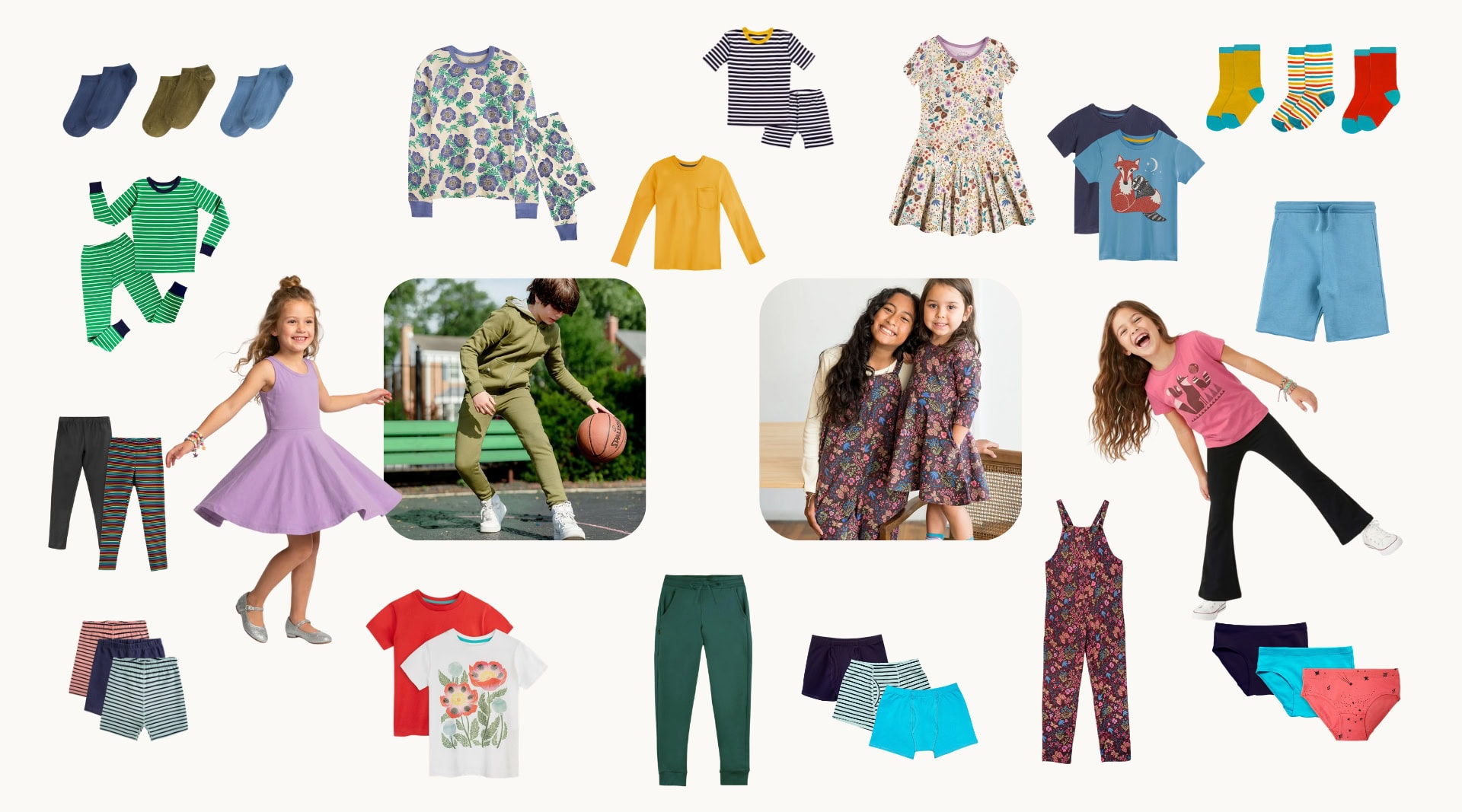
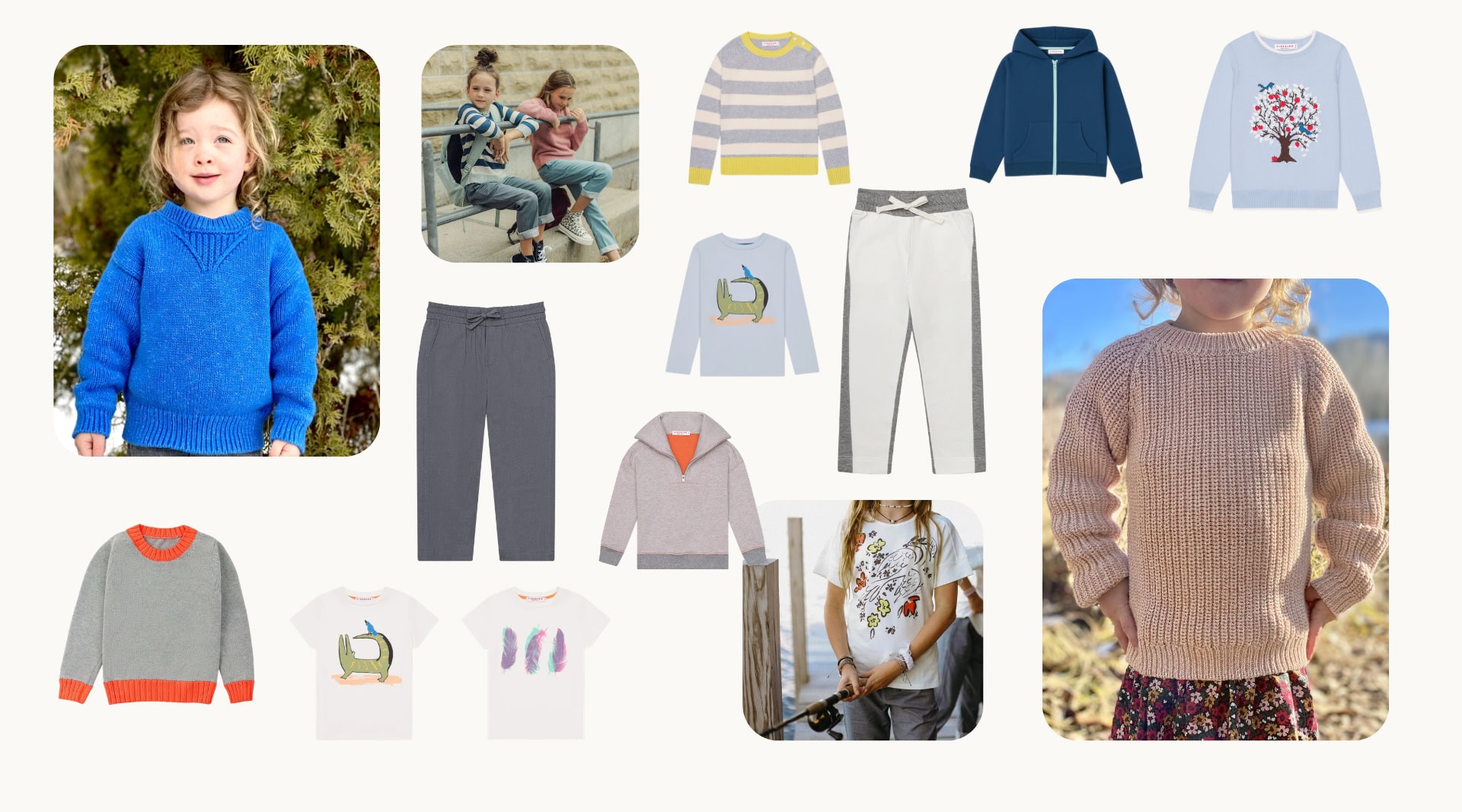
Focusing on high-quality Peruvian Pima cotton, Firebird Kids emphasizes the luxury of natural fibers. Pima cotton is known for its longer staple length, which results in a softer, more durable fabric that resists pilling. The brand operates through women-owned factories in New York and Los Angeles, maintaining a highly transparent supply chain. Their business model includes a dedicated resale platform, allowing parents to trade in outgrown items for store credit, thus keeping textiles in circulation.
Mightly: Accessibility and Fair Trade
Mightly addresses the "affordability gap" in sustainable fashion. By partnering directly with Fair Trade certified cooperatives in India, they provide organic cotton basics at price points competitive with conventional retailers. Their garments feature original artwork from independent artists and are designed with reinforced seams to handle the rigors of active childhood.
Patagonia: The Gold Standard for Performance
As a pioneer in corporate responsibility, Patagonia remains the leader in sustainable outdoor gear. Their children’s line utilizes recycled polyester and nylon, diverting plastic waste from landfills and oceans. Patagonia’s "Ironclad Guarantee" and "Worn Wear" repair program ensure that jackets and snowsuits can be serviced for decades, often serving three or four different children over their lifespan.
Supporting Data: The Environmental Impact of Conventional Textiles
The urgency of the shift toward organic and sustainable childrenswear is underscored by environmental statistics. Conventional cotton production is one of the most resource-intensive processes in agriculture:
- Water Consumption: It takes approximately 2,700 liters of water to produce a single conventional cotton T-shirt—enough for one person to drink for 2.5 years.
- Pesticide Use: While cotton occupies only 2.5% of the world’s agricultural land, it consumes nearly 16% of all insecticides used globally.
- Waste Generation: The fashion industry is responsible for 92 million tons of textile waste annually. Because children outgrow clothes so quickly, they contribute disproportionately to this figure when wearing low-quality, non-recyclable "fast fashion."
In contrast, organic cotton farming reduces water consumption by up to 91% and eliminates the runoff of toxic chemicals into local waterways, protecting the ecosystems where the fibers are grown.
Industry Responses and Regulatory Trends
Governmental bodies and industry groups are beginning to respond to the demand for safer children’s textiles. In the United States, several states have moved to ban the use of PFAS in children’s products, effective between 2024 and 2026. In the European Union, the "Strategy for Sustainable and Circular Textiles" aims to make all textile products on the EU market long-lived, recyclable, and free of hazardous substances by 2030.
Official statements from the Global Organic Textile Standard (GOTS) emphasize that "organic" is no longer just about the farm. "A GOTS-certified product must meet social and environmental criteria across the entire processing chain," a spokesperson noted. "This includes how the workers are treated in the garment factory and how the wastewater is handled at the dye house."
The Economic Implications of Sustainable Choices
While sustainable garments often carry a higher "sticker price" than mass-market alternatives, economists point to the "cost-per-wear" metric as a more accurate measure of value. A $35 organic cotton sweater that lasts through two siblings and is then sold for $15 on a resale marketplace represents a lower net cost than three $10 conventional sweaters that fall apart after five washes.
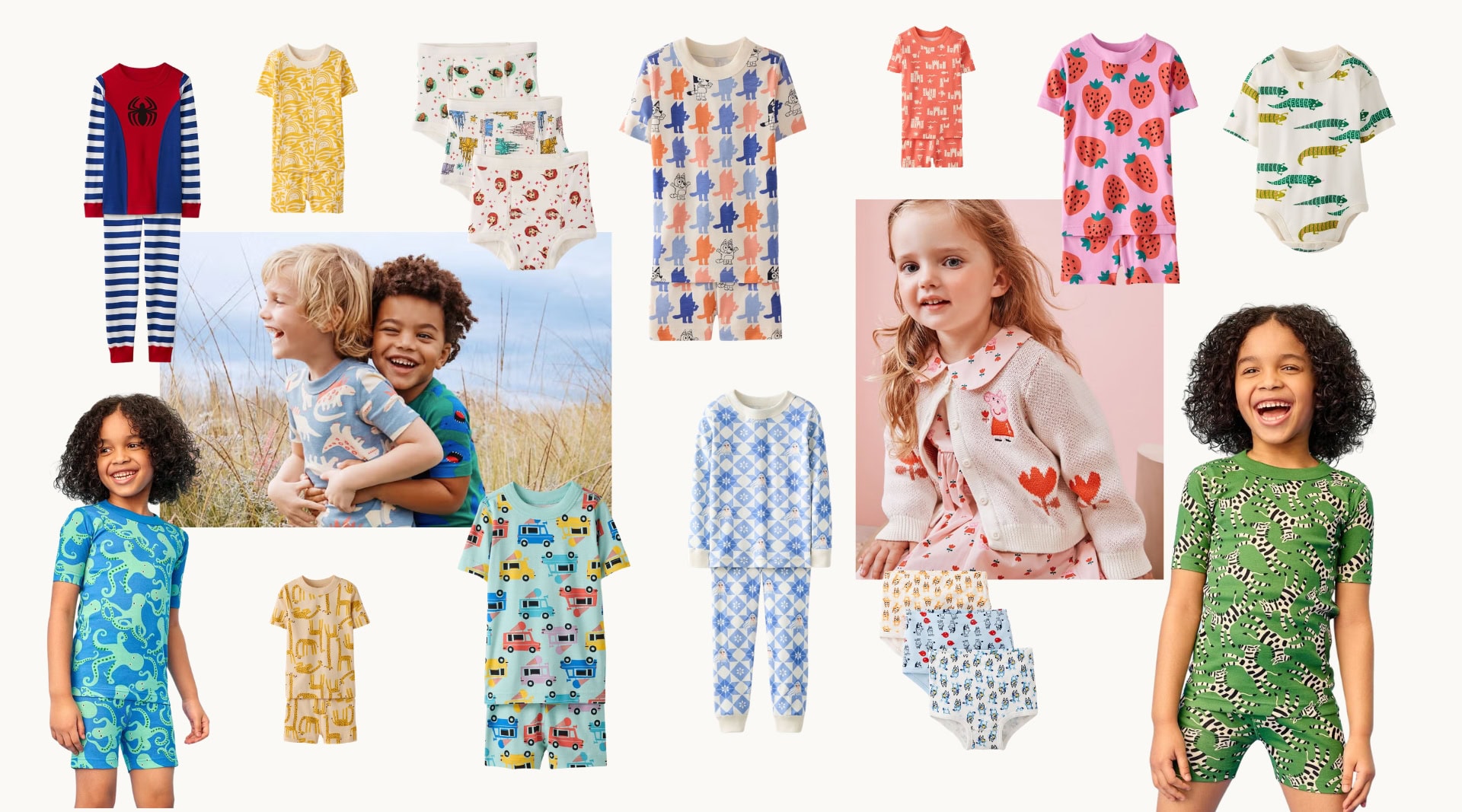
Furthermore, the rise of curated secondhand marketplaces like Babymint and Bounce Mkt has democratized access to premium sustainable brands. These platforms verify the condition of used items, providing a reliable way for budget-conscious families to access non-toxic clothing.
Broader Impact and Future Outlook
The transition toward sustainable children’s clothing is more than a consumer trend; it is a critical component of the broader effort to mitigate the climate crisis and reduce the global chemical burden. By choosing organic and ethical brands, parents are directly influencing the market, signaling to major retailers that transparency and safety are non-negotiable.
As we move toward the latter half of the decade, expectations are that "regenerative" agriculture—farming that actually improves soil health and sequesters carbon—will become the next frontier beyond "organic." Brands like Patagonia are already incorporating Regenerative Organic Certified (ROC) cotton into their collections.
The final impact of this movement is educational. When children wear clothes that are designed to be repaired, passed down, and eventually composted or recycled, they develop a foundational understanding of stewardship. Sustainable children’s clothing, therefore, serves a dual purpose: protecting the health of the child today and preserving the health of the planet they will inherit tomorrow.
Related posts: